 EN

can-silicone-tubes-handle-hot-water-and-steam-safely, can-silicone-tubes-handle-hot-water-and-steam-safely, /news
EN
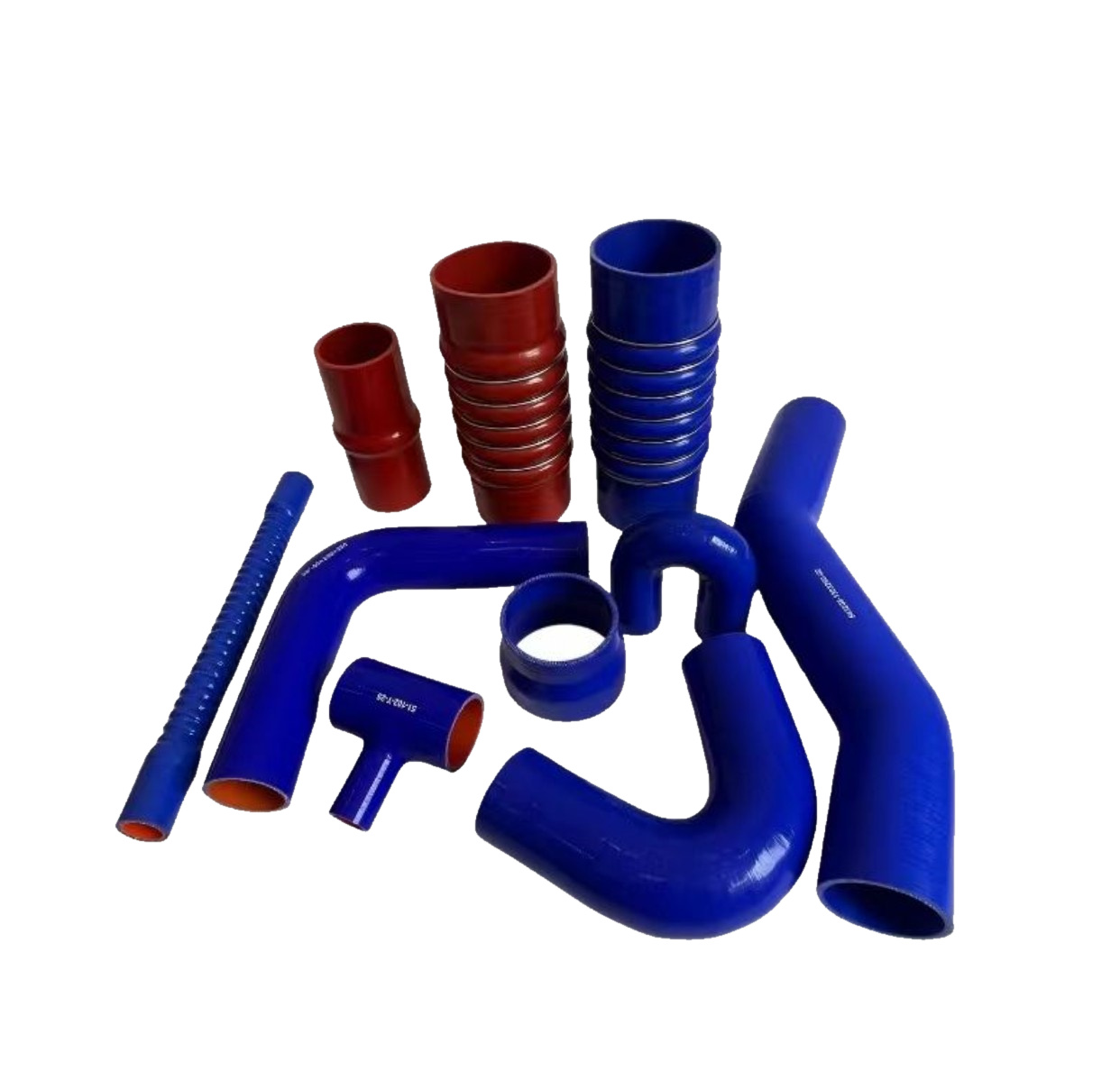
Silicone tubes have become essential components in modern industrial and laboratory applications, but their capability to safely handle hot water and steam remains a critical question for engineers and facility managers. The answer is nuanced and depends on several factors including the specific grade of silicone, tube construction, temperature exposure duration, and system pressure conditions. Understanding these variables is fundamental to ensuring reliable performance and preventing costly failures in thermal applications.
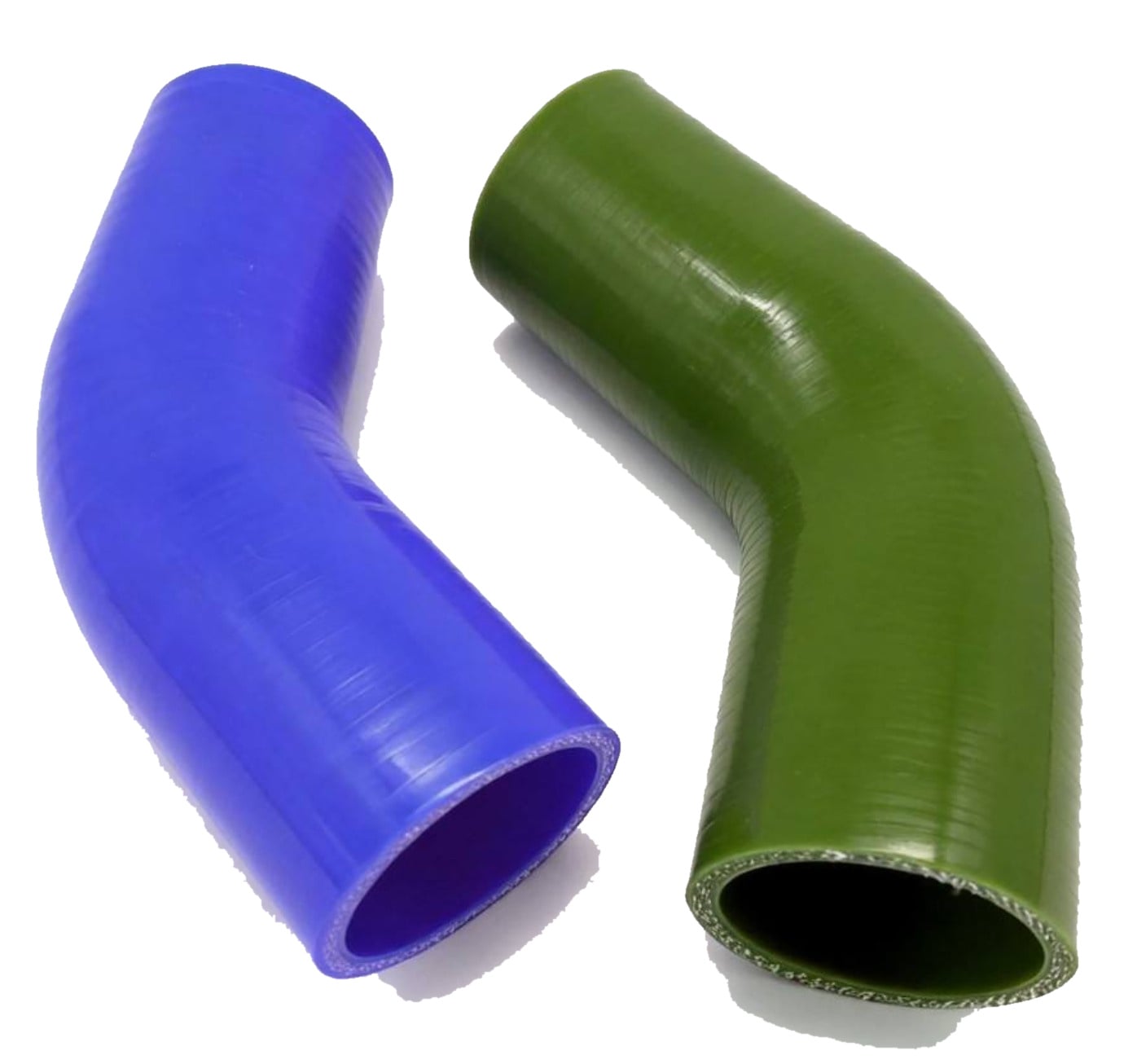
The versatility of silicone tube technology has expanded dramatically over the past decade. Today's high-performance formulations can manage temperatures far beyond what conventional rubber tubing could previously handle. However, not all silicone tubes are created equal, and the difference between standard grades and specialized thermal-rated products can mean the difference between equipment success and failure in demanding applications.
Standard commercial silicone tubing typically operates safely between minus 55 degrees Celsius and 200 degrees Celsius. At these moderate temperature ranges, the molecular structure of silicone remains stable, maintaining flexibility and structural integrity. However, when applications demand higher temperatures, particularly with steam exposure or continuous hot water circulation, specialized formulations become necessary. Medical grade silicone hose products often use reinforced compounds that extend usable ranges further, though not all medical applications require extreme thermal resistance.
The distinction between standard and high temperature silicone tubing lies in the crosslinking density and filler composition. High temperature silicone tubing incorporates advanced thermal stabilizers and specialized polymeric structures that resist oxidative degradation at elevated temperatures. These formulations maintain elasticity and prevent hardening or brittleness that commonly occurs in lower-grade materials when exposed to sustained heat. The investment in premium compounds pays dividends in equipment longevity and safety margins.
Direct contact with steam presents unique challenges that differ from immersion in hot water. Steam carries significant thermal energy and moisture that can penetrate silicone matrices differently than liquid water. Flexible silicone tubing rated for steam applications must resist both temperature shock and condensation cycles. The material must prevent water absorption while maintaining seal integrity under pressure fluctuations. Quality high temperature silicone tubing specifically engineered for steam service includes hydrophobic additives and specialized surface treatments to prevent degradation.
Continuous steam exposure at temperatures above 150 degrees Celsius requires tubing designed and tested specifically for this environment. Standard flexible silicone tubing may soften prematurely or develop porosity under these conditions, leading to leakage and equipment failure. Manufacturers of medical grade silicone hose and industrial thermal products conduct rigorous testing protocols to verify performance under these demanding scenarios before releasing products to market.
A critical factor often overlooked in thermal applications is that pressure ratings decline as temperature increases. A silicone tube rated for 10 bar pressure at room temperature may safely handle only 6 bar at 150 degrees Celsius. This inverse relationship stems from reduced elastomer stiffness at elevated temperatures, which compromises the tube's ability to contain internal pressures. Engineers must consult detailed specification sheets that provide pressure-temperature derating curves for flexible silicone tubing under consideration.
High temperature silicone tubing incorporates reinforcement layers, typically fiberglass or aramid braiding, to maintain pressure integrity across wider temperature ranges. These reinforced designs allow tubes to safely handle steam systems and hot water circulation even under moderate pressure. Medical grade silicone hose often includes such reinforcement, making these products suitable for thermal applications beyond their primary medical intended use. Proper tube selection based on combined temperature and pressure requirements prevents rupture and system contamination.
Distinction between intermittent and continuous thermal exposure significantly affects material selection and service life. Intermittent exposure, such as occasional steam sterilization cycles, allows silicone to cool and recover its structural properties between cycles. Continuous exposure at elevated temperatures accelerates aging mechanisms including oxidation, plasticizer migration, and crosslink degradation. High temperature silicone tubing engineered for continuous service incorporates formulations that resist these aging mechanisms far more effectively than standard flexible silicone tubing.
Manufacturers typically rate products using two temperature specifications: continuous operating temperature and intermittent or transient peak temperature. A product rated for 260 degrees Celsius continuous and 400 degrees Celsius intermittent clearly communicates its thermal performance envelope. Medical grade silicone hose products destined for healthcare applications also receive intermittent temperature ratings because sterilization cycles represent temporary thermal stress rather than sustained operation. Understanding these ratings prevents premature failure and ensures compliance with equipment design specifications.
Successful implementation begins with comprehensive application analysis. Determine the maximum sustained temperature, peak transient temperatures, system pressure at operating temperature, exposure duration, and environmental humidity or corrosive elements present. Whether your system uses hot water circulation at 80 degrees Celsius or steam at 150 degrees Celsius fundamentally determines whether standard flexible silicone tubing suffices or whether high temperature silicone tubing becomes necessary. Document these parameters precisely to communicate with suppliers and verify product suitability before installation.
Consider also the consequences of failure in your specific application. Medical grade silicone hose failures in healthcare settings demand absolute reliability, justifying premium material investments. Industrial process applications may tolerate occasional failures but require rapid replacement capability. Laboratory applications often involve small volumes and short duty cycles, potentially supporting standard silicone tubes. This risk-benefit analysis guides material specification decisions and supports budget justification for higher-grade products.
Proper installation maximizes thermal tube performance and lifespan. Avoid sharp bends, pinching, or compression that restricts flow or creates stress concentrations where cracks originate under thermal cycling. Secure tubing away from direct flame or extreme radiant heat sources that local surface temperatures exceed rated limits. When using flexible silicone tubing in steam applications, ensure condensation drainage points exist to prevent water pooling that accelerates degradation. Support long tubing runs adequately to prevent sagging that creates pressure points during thermal expansion and contraction.
Regular inspection intervals protect against degradation progression. Visual assessment for discoloration, hardening, cracking, or weeping indicates material degradation requiring replacement. Replace high temperature silicone tubing proactively rather than waiting for failure, particularly in critical applications. Medical grade silicone hose used in demanding thermal scenarios benefits from documented inspection schedules and scheduled replacement intervals. This preventive approach eliminates unexpected failures and maintains system reliability across operating seasons.
Standard flexible silicone tubing typically begins showing reduced flexibility around 150 to 180 degrees Celsius. Material stiffness increases noticeably above 180 degrees Celsius, with significant hardening occurring near 200 degrees Celsius. High temperature silicone tubing maintains useful flexibility to 260 degrees Celsius or beyond, depending on formulation and reinforcement. If your application approaches these thresholds, upgrading to specialized thermal-rated products prevents handling difficulties and potential failure modes.
Yes, medical grade silicone hose is specifically designed to withstand repeated steam sterilization cycles. These products undergo rigorous testing including hundreds of sterilization cycles to verify performance integrity. The silicone formulations include stabilizers and crosslinking structures that resist the thermal and moisture stresses of steam exposure. Most quality medical grade products maintain their properties indefinitely under standard sterilization protocols, though manufacturers recommend replacement based on visible degradation or manufacturer guidelines.
Using standard silicone tubing in high temperature applications risks material hardening, reduced elasticity, potential cracking under thermal stress, and premature failure. The tubing may become brittle and lose its sealing properties, causing leaks. Pressure ratings decline more dramatically in undersized materials, creating rupture risk under combined thermal and pressure stress. High temperature silicone tubing or reinforced alternatives must be specified for applications exceeding 150 degrees Celsius to ensure safe, reliable operation and compliance with system design requirements.
