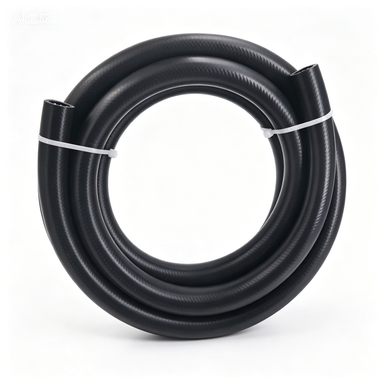
Chemical resistance is a critical performance factor when selecting fluid transfer solutions for industrial operations. An NBR rubber hose delivers strong resistance to oils, fuels, and common industrial chemicals, making it a trusted choice across manufacturing, automotive, and energy sectors. Understanding the chemical compatibility and durability limits of nitrile rubber tubing ensures you select the right hose for your specific application requirements.
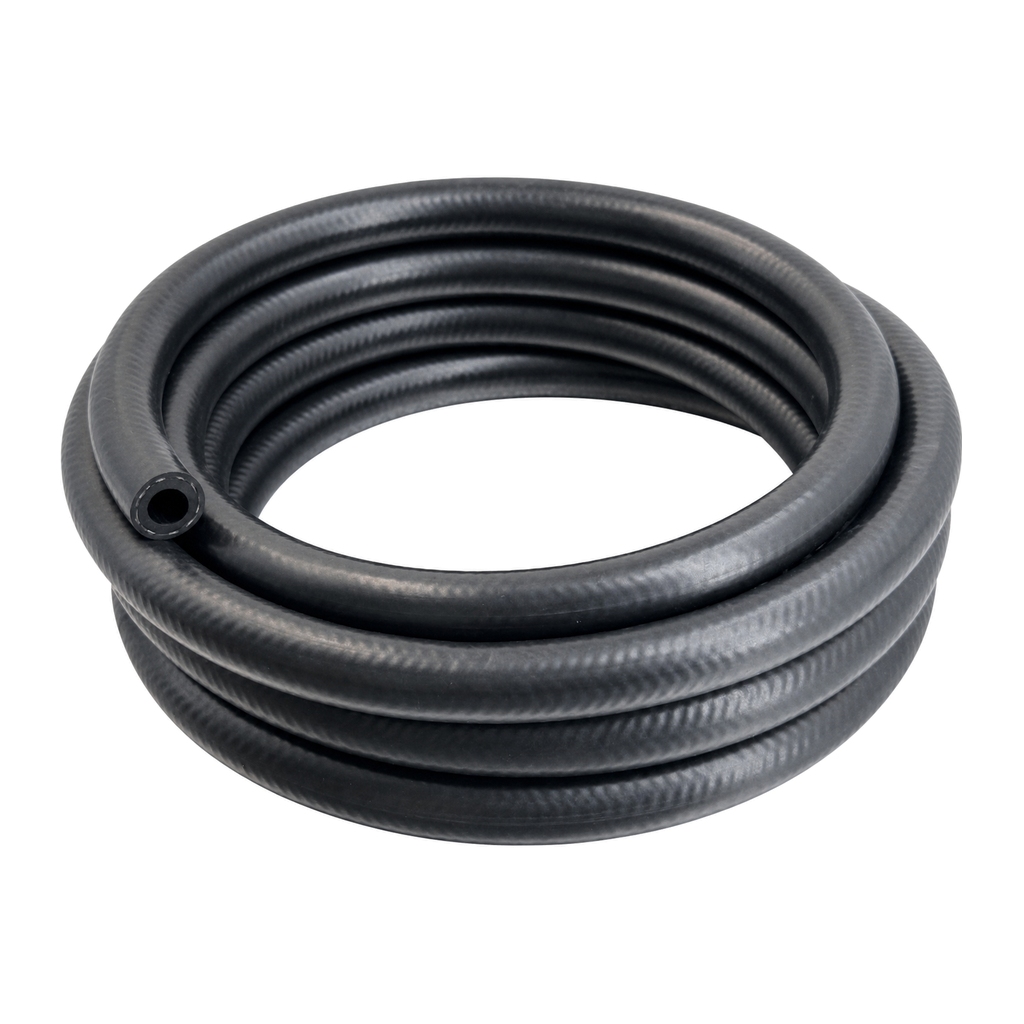
NBR, also known as nitrile rubber, is a synthetic polymer engineered for exceptional chemical resistance. Unlike natural rubber, synthetic rubber hose applications with NBR construction provide predictable performance against petroleum-based fluids, hydraulic oils, and many aggressive compounds. The molecular structure of nitrile rubber resists swelling and degradation when exposed to these substances, preserving hose integrity over extended service life.
Chemical Resistance Properties of Nitrile Rubber Tubing
Oil and Fuel Compatibility
Oil resistant rubber hoses made from NBR excel at handling mineral oils, diesel fuel, gasoline, and hydraulic fluids without significant degradation. The nitrile rubber tubing chemical matrix naturally repels hydrocarbon penetration, which is why NBR dominates fuel and lubrication system applications. Typical exposure to petroleum products causes minimal swelling or softening in NBR rubber hose materials, maintaining dimensional stability and structural integrity throughout the hose lifecycle.
Industrial testing confirms that NBR rubber hose maintains chemical resistance even under pressure cycling and temperature variations common in automotive fuel systems, industrial hydraulics, and oilfield equipment. The synthetic rubber hose applications utilizing NBR formulations consistently outperform natural rubber alternatives in hydrocarbon environments, delivering reliability that translates directly to reduced maintenance costs and extended equipment uptime.
Temperature and Pressure Interaction
Chemical resistance in nitrile rubber tubing is not static; it varies with temperature and operating pressure. Higher temperatures can accelerate chemical diffusion into the hose material, potentially reducing the effective resistance window. An NBR rubber hose rated for 40°C operation may show reduced chemical compatibility at 60°C with the same fluid. Pressure also influences chemical interaction rates, as higher pressures can force fluid molecules more deeply into the elastomer matrix.
Manufacturers specify chemical resistance ratings for NBR rubber hose under specific temperature and pressure conditions. Industrial applications must account for peak operating temperatures and maximum working pressures to ensure the oil resistant rubber hoses selected will maintain their chemical resistance throughout the full range of expected service conditions. This contextual approach prevents premature degradation and unexpected system failures.
Chemical Substances NBR Hose Resists Effectively
Common Industrial Fluids
NBR rubber hose excels against a broad spectrum of industrial chemicals including mineral oils, synthetic hydrocarbons, diesel fuel, gasoline, kerosene, and most standard lubricants. The synthetic rubber hose applications market relies heavily on NBR formulations for these fluid types because the material's inherent chemical structure provides reliable, predictable resistance. Water-based hydraulic fluids also present no significant compatibility issues with nitrile rubber tubing, making NBR a versatile choice across multiple fluid transfer scenarios.
Many food-processing and pharmaceutical operations also specify oil resistant rubber hoses with NBR construction for their proven compatibility with approved mineral oils and light solvents. The material consistency and documented chemical resistance profile of NBR rubber hose make it the preferred standard in regulated industries where material traceability and performance documentation are mandatory compliance requirements.
Substances Requiring Special Consideration
While NBR rubber hose offers exceptional chemical resistance to most industrial fluids, certain substances require special attention. Strong aromatic solvents, ketones, and certain organic compounds can cause swelling or softening in nitrile rubber tubing over extended exposure periods. Concentrated acids and strong alkaline solutions also fall outside the standard compatibility envelope for conventional NBR formulations. Applications involving these chemical families may require alternative elastomer choices, specialized NBR variants, or additional hose protection measures.
Manufacturers provide detailed chemical resistance charts for nitrile rubber tubing that categorize substances into compatibility levels: excellent, good, fair, and poor. An NBR rubber hose selected for a specific application should always be cross-referenced against these compatibility matrices to confirm the chemical exposure environment matches the hose material's rated resistance capabilities. This validation step prevents costly system failures and safety incidents.
Durability Factors and Extended Service Life
Material Aging and Environmental Exposure
Beyond immediate chemical resistance, the long-term durability of synthetic rubber hose applications depends on how environmental factors affect the NBR compound. Ultraviolet light exposure, ozone concentration, and ambient temperature fluctuations gradually degrade elastomer molecular structure even in chemically resistant NBR rubber hose. Industrial hoses stored outdoors or in high-ozone environments may experience accelerated aging that reduces chemical resistance performance over time.
Protective covers and proper storage conditions significantly extend the functional lifespan of oil resistant rubber hoses. Hoses stored in cool, dry, shaded locations maintain their chemical resistance properties far longer than those exposed to direct sunlight and weather. For critical applications, periodic inspection protocols that monitor hose surface condition, flexibility, and chemical resistance confirm that the NBR rubber hose continues meeting application requirements throughout its service life.
Pressure Cycling and Mechanical Stress
Repeated pressure cycles impose mechanical stress on nitrile rubber tubing that can compound chemical degradation effects. Each pressure pulse creates microscopic internal stresses that may facilitate chemical penetration into deeper hose layers. An NBR rubber hose operating at consistent pressure exhibits better long-term chemical resistance than one subjected to frequent pressure spikes or rapid pressure cycling between extreme limits. Application design should consider pulsation damping and pressure regulation to minimize mechanical stress on the hose material.
Reinforcement layer condition also influences how long synthetic rubber hose applications maintain their chemical resistance integrity. The fabric or wire reinforcement separates the inner elastomer tube from external pressures and fluid contact, but degradation in reinforcement materials can accelerate inner tube deterioration. Quality NBR rubber hose construction with robust reinforcement layers provides superior protection against combined chemical and mechanical stresses, delivering extended service intervals and predictable replacement cycles.
FAQ
What makes NBR rubber hose more chemically resistant than natural rubber?
NBR is a synthetic polymer engineered specifically to resist hydrocarbon penetration, while natural rubber's molecular structure is inherently vulnerable to oil and fuel exposure. The nitrile functional groups in NBR rubber hose create a chemical matrix that naturally repels petroleum-based fluids, preventing swelling and degradation. This engineered resistance is why oil resistant rubber hoses in fuel systems, hydraulics, and industrial applications universally specify nitrile rubber tubing rather than natural rubber alternatives.
How does temperature affect the chemical resistance of NBR rubber hose?
Higher temperatures accelerate the diffusion rate of chemical molecules into the NBR rubber hose material, reducing the effective chemical resistance window. An NBR rubber hose rated for excellent chemical resistance at 40°C may show good or fair resistance at 70°C with the same fluid. Manufacturers specify temperature-dependent chemical resistance ratings, so applications must confirm that peak operating temperatures align with the rated chemical compatibility. Synthetic rubber hose applications operating at elevated temperatures require either thermal management measures or upgraded material specifications to maintain acceptable chemical resistance.
Can NBR rubber hose handle all industrial chemicals?
No, NBR rubber hose has limitations with strong aromatic solvents, ketones, certain organic compounds, concentrated acids, and strong alkaline solutions. While oil resistant rubber hoses excel with mineral oils, diesel fuel, and standard hydraulic fluids, specialized applications involving aggressive chemical families require alternative elastomers or specialized nitrile variants. Always consult chemical resistance charts for nitrile rubber tubing before specifying an NBR rubber hose for unfamiliar chemical exposure environments. This validation step prevents material failure and system damage.
 EN