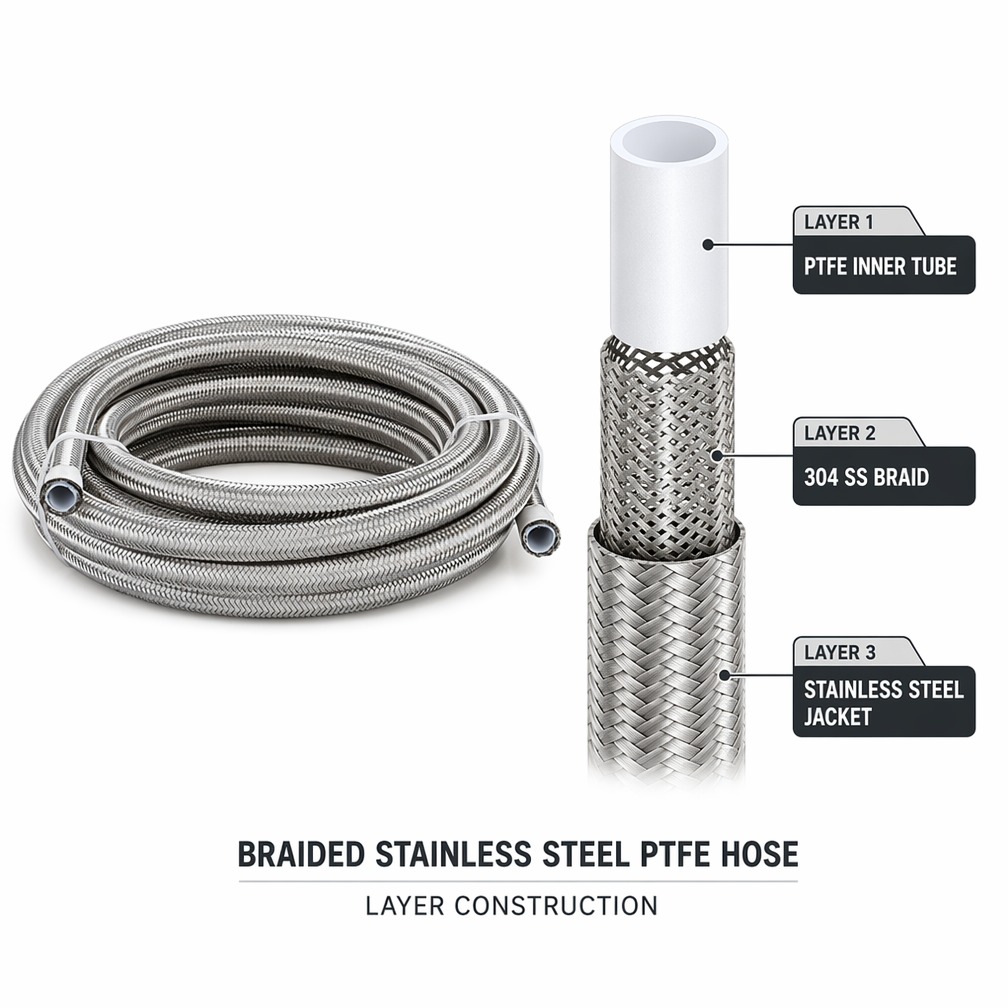
A braided hose represents a critical engineering solution for applications demanding superior pressure containment and durability. Unlike standard rubber or plastic tubing, braided hoses incorporate reinforcing layers that dramatically enhance their ability to withstand extreme conditions. The construction method distributes pressure forces evenly across the entire structure, preventing ruptures and leaks that could compromise system performance or create safety hazards. Understanding how these hoses resist pressure is essential for engineers, maintenance professionals, and procurement teams selecting hydraulic or brake system components.
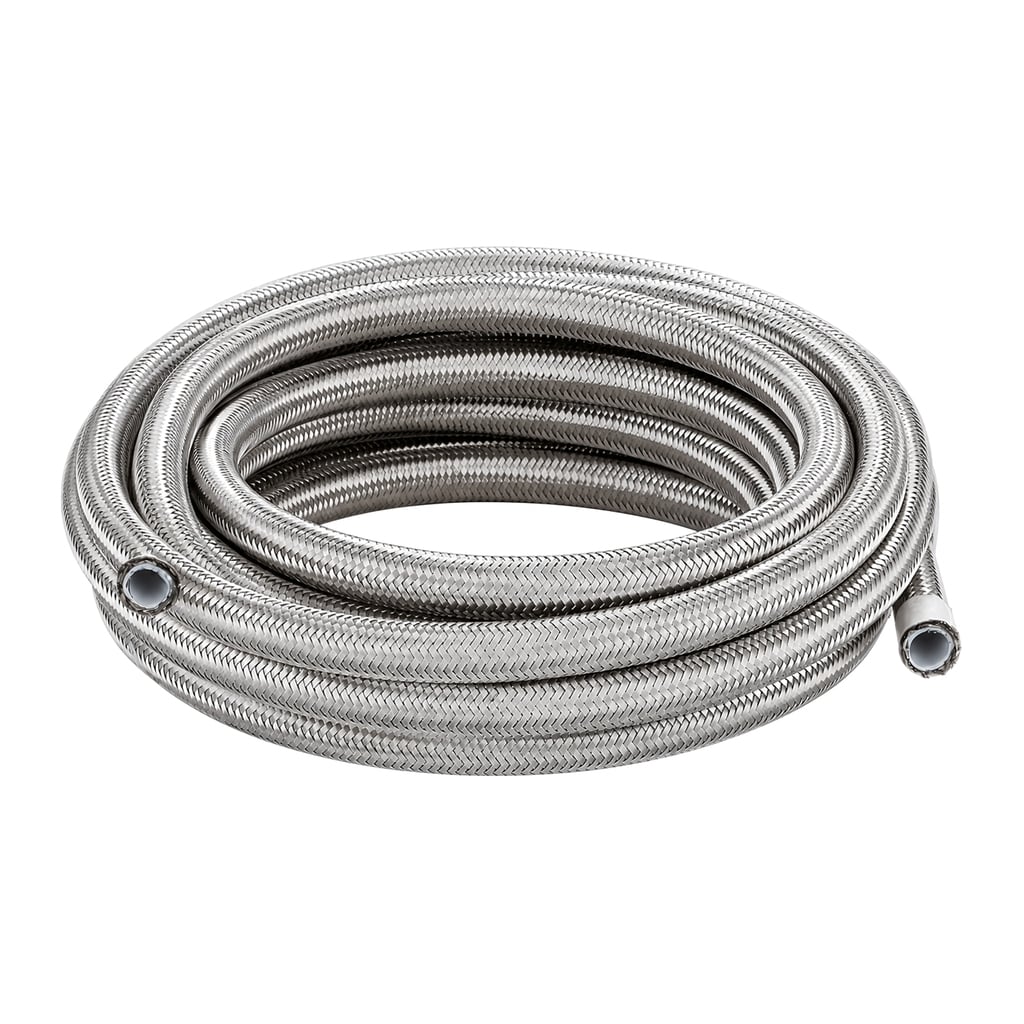
The pressure resistance capability of a braided hose depends on multiple design and material factors working together. The outer braid layer, inner tube composition, and filler materials all contribute to the overall strength and reliability. Different applications require different specifications: a stainless steel braided hose serves environments demanding corrosion resistance, while a braided hydraulic hose handles extreme flow rates and temperature variations. A braided brake hose must meet stringent safety standards while maintaining consistent performance across thousands of brake cycles. This comprehensive guide explores the mechanical principles, material science, and practical applications that enable braided hoses to perform reliably under extreme pressure.
Braid Weave Structure and Pressure Distribution
How Braid Layers Strengthen Hose Integrity
The braid weave pattern is the foundation of pressure resistance in every braided hose design. Metal or synthetic fibers are woven in a crisscross pattern around the inner tube, creating a cage-like structure that reinforces the hose against radial and axial pressure forces. This geometric arrangement ensures pressure loads distribute evenly rather than concentrating at weak points. The braided hose structure absorbs sudden pressure spikes and maintains consistent diameter even under extreme conditions. Multiple braid layers increase the total reinforcement strength, allowing the hose to handle higher working pressures without expanding or failing.
Layer Configuration and Pressure Ratings
Professional-grade braided hoses typically feature two, four, or more braid layers depending on application requirements. Each additional layer adds approximately 25–40% more pressure capacity, allowing engineers to specify the exact reinforcement level needed. A stainless steel braided hose with two layers might handle 2000 PSI, while a four-layer variant manages 5000 PSI or higher. The spacing and density of braid strands also affect performance; tighter weaves provide more uniform pressure distribution. Manufacturers calculate the optimal braid configuration by testing actual load scenarios and safety margins required for specific industries.
Material Selection for Extreme Environments
Inner Tube Composition and Chemical Resistance
The inner tube material directly impacts how a braided hose resists pressure while maintaining compatibility with transported fluids. A braided brake hose typically uses synthetic rubber formulations engineered to resist DOT brake fluid, water, and temperature fluctuations without swelling or degrading. A braided hydraulic hose requires inner tube materials that handle mineral oil, synthetic fluids, and extreme temperature cycling without compromising the seal integrity. Stainless steel braided hose configurations often pair robust inner tubes with corrosion-resistant outer braiding, creating a dual-protection system against both internal pressure and external environmental damage. The compatibility between inner tube elastomer and conveyed fluid is critical; mismatched materials lead to swelling, softening, or brittleness that compromises pressure resistance.
Outer Braid Material and Durability
Outer braiding material determines how the hose handles external abrasion, temperature extremes, and chemical exposure. A stainless steel braided hose provides superior corrosion resistance in marine, coastal, and chemically aggressive environments, making it ideal for harsh industrial applications. Stainless steel braiding also offers excellent UV and ozone resistance compared to nylon or polyester alternatives. For applications prioritizing weight savings and cost efficiency, synthetic braided configurations deliver adequate pressure resistance with reduced material expense. The braided hose selection process must balance pressure capacity, environmental durability, weight constraints, and total cost of ownership across the service life.
Performance Under Dynamic and Static Conditions
Fatigue Resistance and Cyclic Loading
A braided brake hose must withstand thousands or even millions of pressure cycles without degradation, making fatigue resistance a critical performance metric. The braid reinforcement distributes cyclic stress loads evenly across many fibers, preventing the stress concentration that would cause premature cracking in unreinforced tubing. The braided hose geometry also minimizes the stress concentration factor at pressure points, extending service life significantly. Specialized testing standards evaluate how braided hydraulic hose responds to repeated pressure pulses, temperature cycling, and mechanical flexing, ensuring reliability across full operating ranges. Materials science advances have improved fatigue resistance in modern braided hose designs, allowing higher working pressures with greater safety margins than older tube-only designs.
Burst Pressure Margins and Safety Factors
Industry standards require substantial safety margins between normal working pressure and burst pressure for every braided hose specification. A typical braided hydraulic hose rated 3000 PSI working pressure may have a burst rating exceeding 12,000 PSI, providing a 4:1 safety factor. This conservative approach protects against unexpected pressure spikes, manufacturing variations, or age-related degradation during extended service. The braided brake hose maintains similar safety ratios to ensure fail-safe operation even if one brake system component fails. Stainless steel braided hose designs often achieve higher safety factors than standard configurations, adding confidence in critical applications where failure could create hazardous conditions.
FAQ
What makes a braided hose more resistant to pressure than standard tubing?
The reinforcing braid layers in a braided hose distribute pressure forces across multiple fibers rather than concentrating stress on the inner tube alone. This geometric advantage allows the braided hose to contain pressure several times higher than unreinforced rubber tubing. The braid acts as a pressure cage, preventing radial expansion and maintaining hose integrity under extreme conditions. Standard rubber tubing lacks this reinforcement and typically ruptures at much lower pressures, making braided construction essential for high-pressure applications.
How do stainless steel braided hose and braided brake hose differ in their pressure resistance?
A stainless steel braided hose prioritizes corrosion resistance and environmental durability, making it suitable for harsh outdoor or marine settings. A braided brake hose focuses on precise pressure control and fade-free performance under repeated thermal cycling, prioritizing safety and consistency. Both designs achieve excellent pressure ratings, but material selection reflects the specific environmental and performance demands of each application. The braided brake hose must maintain absolute reliability across millions of cycles, while the stainless steel braided hose emphasizes longevity in chemically aggressive environments.
Why is braid layer count important for braided hydraulic hose pressure capacity?
Each braid layer adds structural reinforcement that increases the total pressure-carrying capacity of a braided hydraulic hose. A two-layer configuration provides baseline pressure resistance, while four or more layers enable higher working pressures with additional safety margins. Manufacturers select braid layer count based on actual application requirements and industry safety standards. Adding extra layers increases material cost and hose weight, so engineers specify only the reinforcement level necessary for reliable performance, optimizing both safety and system efficiency.
 EN