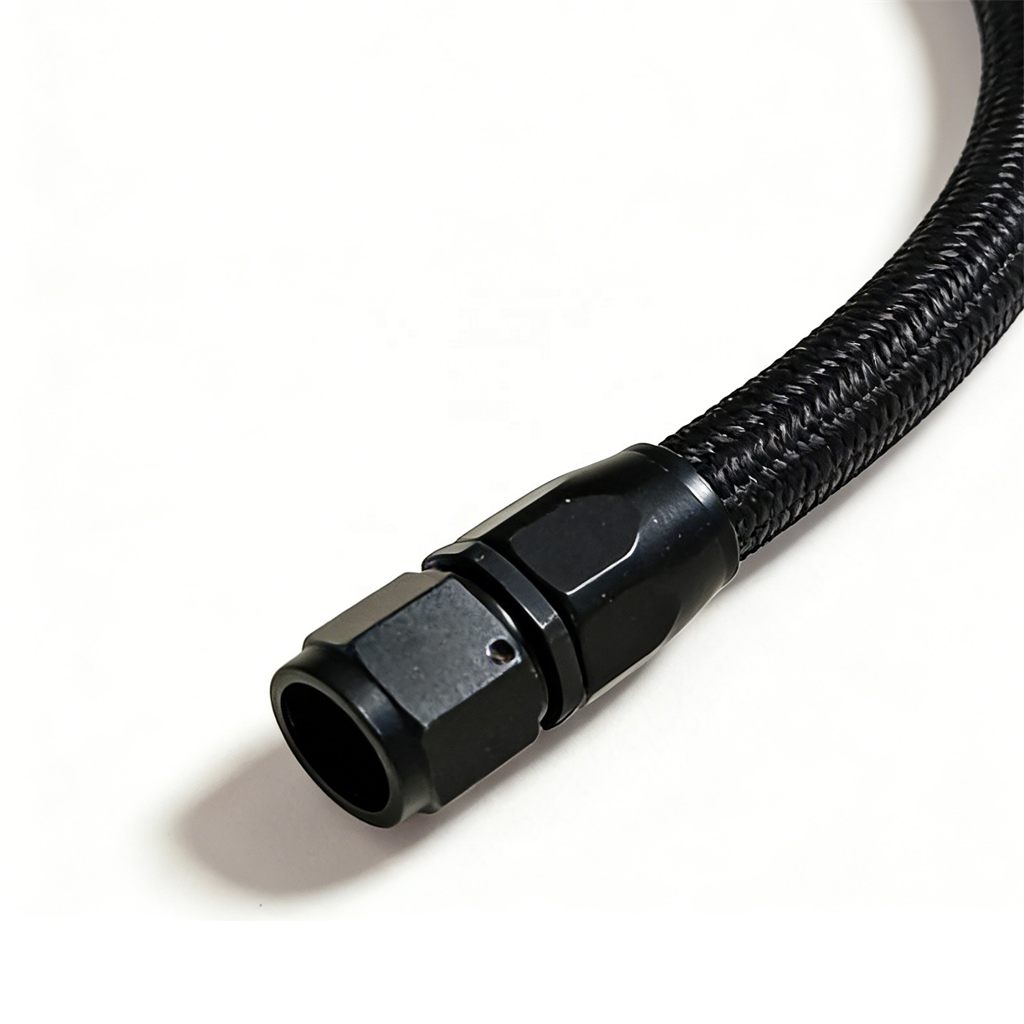
A high pressure flexible hose is engineered to transmit liquids and gases under extreme pressure while maintaining structural integrity and flexibility. These hoses form the backbone of modern industrial hydraulic hose systems, enabling fluid transfer in environments where rigid pipes cannot bend or adapt. Understanding how they function is essential for engineers, maintenance professionals, and industrial buyers who depend on reliable fluid conveyance in demanding applications.
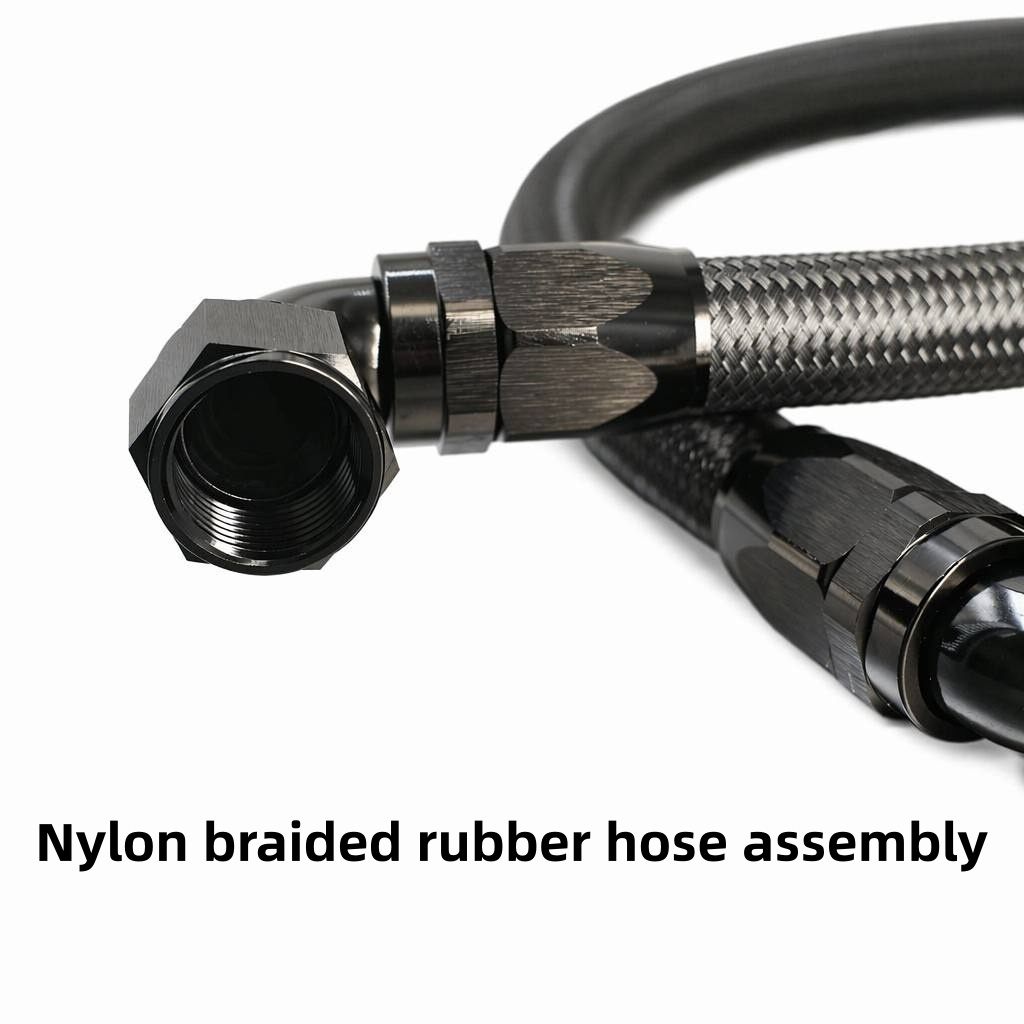
The mechanism behind a high pressure flexible hose involves multiple reinforcement layers, specialized inner tube materials, and precisely engineered fittings that work together to contain pressure while allowing movement. Industrial hydraulic hose systems rely on this balance between containment and adaptability to deliver consistent performance across mining operations, manufacturing plants, construction sites, and aerospace applications. The following sections explain the construction principles, pressure containment strategies, and material specifications that make these hoses indispensable.
Construction and Layered Design
Inner Tube Material Composition
The inner tube of a high pressure flexible hose must resist chemical attack, heat degradation, and pressure fatigue. Synthetic rubber compounds and specialized polymer blends are selected based on the fluid being conveyed, whether mineral oil, water-based fluids, or synthetic alternatives. The inner surface must remain smooth to minimize friction and pressure drop, ensuring that industrial hydraulic hose systems maintain efficiency throughout their operational life. Material specifications for inner tubes typically define durability thresholds and compatibility ranges that protect against fluid incompatibility failures.
Reinforcement Layer Structure
Beneath the inner tube lies a critical reinforcement layer composed of steel wire braids or spiral wraps. These metal strands distribute radial and longitudinal stress evenly, preventing the hose from expanding or rupturing when pressure spikes occur. A high pressure hose burst ratings depend directly on the number, diameter, and tensile strength of these reinforcement wires. Manufacturers use multiple braided or spiral layers to achieve the required burst ratings for specific pressure classes, with each layer adding redundancy and structural support.
Pressure Containment Mechanisms
How Radial and Longitudinal Stress Distribution Works
When fluid pressure increases inside a high pressure flexible hose, the internal force acts radially outward on all interior surfaces. The reinforcement layers resist this outward expansion through their tensile strength, creating a balanced tension state that prevents rupture. Simultaneously, axial forces attempt to elongate the hose or push it along its length, requiring spiral reinforcement patterns designed to anchor both ends securely. Industrial hydraulic hose systems engineer this stress distribution so that pressure peaks are absorbed gradually across the entire wall thickness rather than concentrating at weak points.
Fitting Integration and Seal Points
Hose fittings represent critical junctures where pressure containment is most vulnerable. The fitting must grip the hose body securely while maintaining a fluid-tight seal that resists the full pressure rating indefinitely. High pressure hose burst ratings include fitting integrity testing to confirm that joints do not fail before the hose body itself. Swaged fittings, crimped connections, and threaded ends all employ mechanical or chemical adhesion to create permanent seals that preserve system pressure across the entire industrial hydraulic hose systems network.
Material Specifications and Performance Factors
Flexible Hose Material Specifications for Durability
Flexible hose material specifications establish the chemical composition, hardness, tensile strength, and temperature tolerance required for safe operation. Outer cover materials protect against ozone, ultraviolet light, abrasion, and environmental contaminants that would otherwise degrade the hose body over time. Temperature ranges for flexible hose material specifications typically span from minus forty degrees Celsius to plus one hundred degrees Celsius or higher, depending on the polymer and application context. Engineers must verify that all materials throughout the hose assembly match the specified fluid compatibility and thermal limits before deployment.
Pressure Rating Categories and Selection Criteria
High pressure hose burst ratings establish the maximum operating pressure and the safety margin required for secure operation. A burst rating typically exceeds the maximum working pressure by a factor of four to eight, ensuring that routine spikes and transient surges do not trigger failure. Industrial hydraulic hose systems are categorized by pressure class, with common designations ranging from two hundred fifty bar to four thousand bar and beyond. Selecting the correct pressure class requires understanding the application's peak demand, system architecture, and worst-case scenarios where pressure could spike unexpectedly.
FAQ
What causes a high pressure flexible hose to fail prematurely?
Premature failure in a high pressure flexible hose typically results from incompatible fluids that chemically attack the inner tube, excessive bending that fatigues reinforcement wires, abrasion from external contact, temperature extremes, or corrosion at fittings. Industrial hydraulic hose systems fail when any single failure mode breaches the engineered safety margin. Regular inspection, proper routing to avoid sharp bends, and confirmed fluid compatibility prevent most premature failures.
How do flexible hose material specifications affect burst ratings?
The tensile strength, elasticity, and chemical stability defined in flexible hose material specifications directly determine how much internal pressure a hose can contain before the reinforcement layers yield. Higher-grade materials with greater tensile strength allow thinner walls and lighter hoses while maintaining equivalent high pressure hose burst ratings. Conversely, lower-grade materials require additional reinforcement layers to achieve the same burst ratings, increasing weight and reducing flexibility.
Can industrial hydraulic hose systems operate at maximum burst rating continuously?
No, industrial hydraulic hose systems must operate well below the high pressure hose burst ratings at all times. Maximum working pressure is typically one-quarter to one-eighth of the burst rating to provide safety margin for pressure spikes, fatigue accumulation, and material degradation over years of service. Operating consistently near burst ratings accelerates material fatigue and reduces service life dramatically.
 EN