Rubber tubes are engineered to handle significant pressure through a combination of material science, structural design, and manufacturing precision. Understanding how rubber tubes manage pressure is essential for selecting the right conduit for industrial, hydraulic, pneumatic, and fluid transfer applications. The ability of rubber tubes to resist bursting, leaking, and degradation under stress determines their reliability in critical operations where failure is not an option.
Pressure resistance in flexible rubber hoses depends on the interaction between the inner tube material, reinforcement layers, and outer cover. High-pressure rubber conduits are specifically designed to contain force while maintaining flexibility and durability across temperature extremes and chemical exposures. Industrial rubber tubing must meet strict performance standards to ensure safety and consistent operation in hydraulic systems, air lines, and fluid transport networks.
Material Composition and Pressure Resistance
Inner Tube Selection for Pressure Containment
The inner tube of industrial rubber tubing is typically composed of synthetic rubber compounds engineered to resist specific fluids and pressure ranges. Natural rubber offers excellent flexibility but may degrade under extreme pressures or certain chemicals. Synthetic options like EPDM, nitrile, and Hypalon provide superior resistance to oils, ozone, and temperature fluctuations. The inner tube material must be compatible with the fluid being transported because pressure resistance is compromised when chemical degradation weakens the rubber matrix.
Reinforcement Layers and Burst Prevention
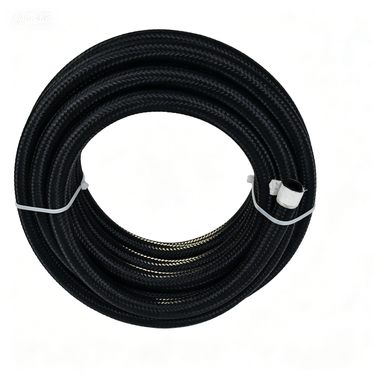
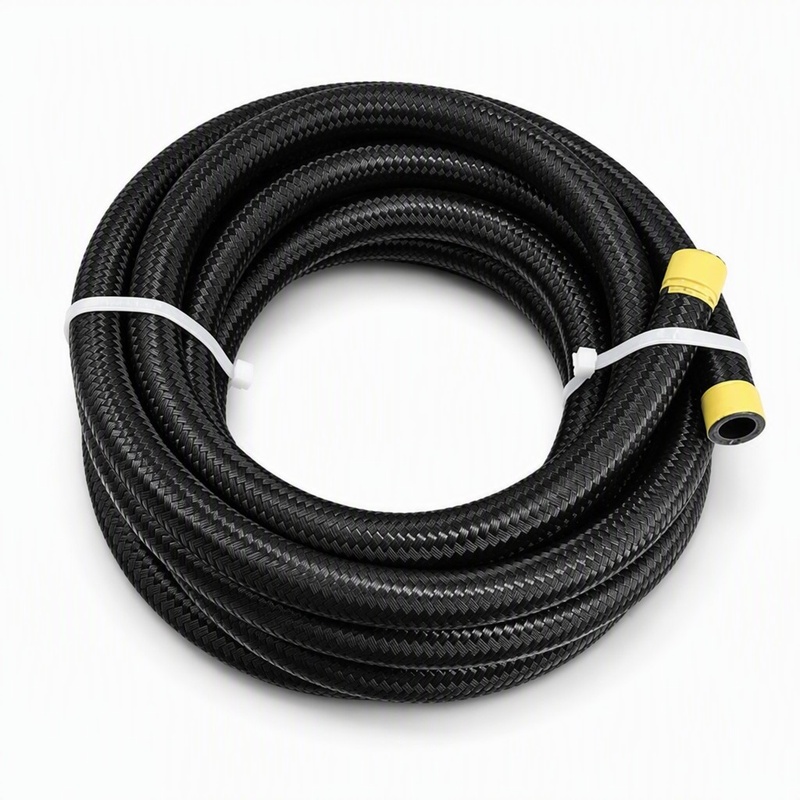
Between the inner tube and outer cover, multiple reinforcement layers bear the primary burden of pressure containment. Textile fabrics, wire spirals, and braided constructions distribute pressure forces across a wider area, preventing localized stress concentration. Wire-reinforced rubber tubes achieve higher pressure ratings than textile-only designs because metal provides greater tensile strength. Braided nylon or polyester layers in flexible rubber hoses add puncture resistance while reinforcement wire spirals in high-pressure rubber conduits can withstand continuous operating pressures of 3000 PSI or beyond.
Design Features That Enable Pressure Handling
Wall Thickness and Pressure Rating Correlation
Wall thickness is the most direct factor affecting how rubber tubes handle pressure. Thicker inner tubes and outer covers slow degradation from external abrasion and weathering while providing extra material to distribute internal forces. Industrial rubber tubing specifications always include a safety factor that relates wall thickness to maximum working pressure. A tube rated for 1000 PSI has walls substantially thicker than one rated for 300 PSI, reflecting the geometric relationship between pressure, radius, and material thickness needed to prevent rupture.
Fitting Attachments and Stress Concentration Points
The weakest points in high-pressure rubber conduits are often the connection zones where the tube meets fittings or couplers. Pressure concentrates at these interfaces, making proper crimping, bonding, or threading critical to overall system reliability. Industrial rubber tubing manufacturers reinforce these zones with additional rubber layers or metal sleeves to prevent failure at attachment points. Properly designed fittings distribute pressure gradually across the transition zone rather than creating sharp edges that could initiate cracks under cyclic pressure loading.
Operating Conditions and Pressure Management
Temperature Effects on Pressure Capacity
Temperature changes directly impact how rubber tubes handle pressure because rubber elasticity decreases at extreme temperatures. Cold temperatures make rubber brittle and prone to cracking under pressure spikes, while excessive heat reduces the material's ability to resist internal force. Flexible rubber hoses must be selected with operating temperature ranges that match the application. A tube rated for 2000 PSI at room temperature may safely handle only 1400 PSI at elevated temperatures due to reduced material resilience at those conditions.
Cyclic Pressure and Fatigue Resistance
Repeated pressure cycles cause cumulative damage to rubber tubes even when each individual pressure spike remains below the static burst rating. High-pressure rubber conduits experience micro-tearing in the rubber matrix with each pressure fluctuation, gradually weakening the structure. Industrial rubber tubing designed for hydraulic or pneumatic systems must survive millions of pressure cycles without failure. Material composition and reinforcement design directly determine how long rubber tubes can endure this cyclic stress before fatigue cracks propagate and cause leaks or rupture.
FAQ
What determines the pressure rating of rubber tubes?
Pressure ratings are determined by inner tube material composition, reinforcement layer type and thickness, outer cover durability, fitting design, and safety factor requirements. Manufacturers test industrial rubber tubing samples to destruction to establish reliable ratings, then apply a safety margin typically between 4:1 and 8:1. High-pressure rubber conduits undergo rigorous certification testing including burst tests, impulse cycle tests, and compatibility checks with specific fluids to ensure ratings are accurate and reliable.
Can rubber tubes fail suddenly under pressure?
Yes, flexible rubber hoses can fail suddenly if they exceed their burst pressure, are damaged, or age beyond their service life. Although rubber tubes are designed with safety factors, mechanical damage from sharp objects, chemical degradation, or severe abrasion can compromise structural integrity. Industrial rubber tubing installed in high-vibration environments or exposed to ozone and UV radiation degrades faster than tubes in protected applications, potentially leading to unexpected failure if not inspected and replaced according to maintenance schedules.
How do braided and spiral reinforcements differ in pressure handling?
Braided reinforcements in flexible rubber hoses offer moderate pressure resistance with greater flexibility and lower cost, making them suitable for general industrial applications. Spiral wire reinforcements in high-pressure rubber conduits provide superior pressure capacity and are used for hydraulic systems operating at 2000 PSI or higher. Rubber tubes with spiral reinforcement can handle sustained high pressures but offer less bending flexibility than braided designs, so application requirements determine which reinforcement type is most appropriate.
 EN