 EN

how-do-you-select-rubber-tubes-for-specific-applications, how-do-you-select-rubber-tubes-for-specific-applications, /news
EN
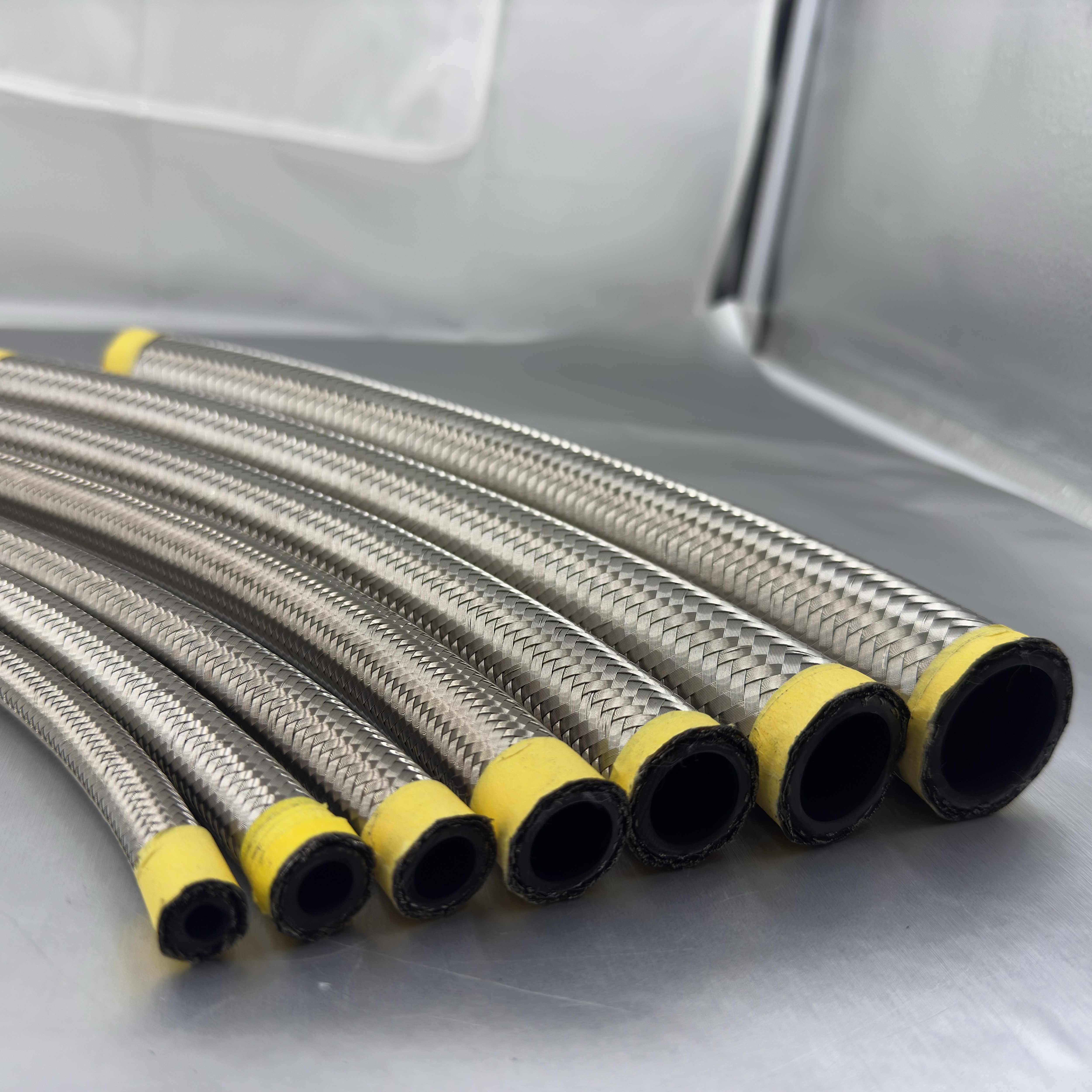
Choosing the right rubber tubes is critical to ensuring reliable performance and longevity in industrial applications. Whether you work in manufacturing, construction, agriculture, or fluid transfer systems, the performance of your operation depends directly on selecting tubing that matches your specific needs. The wrong choice can lead to equipment failure, safety hazards, downtime, and unexpected costs that ripple through your production schedule.
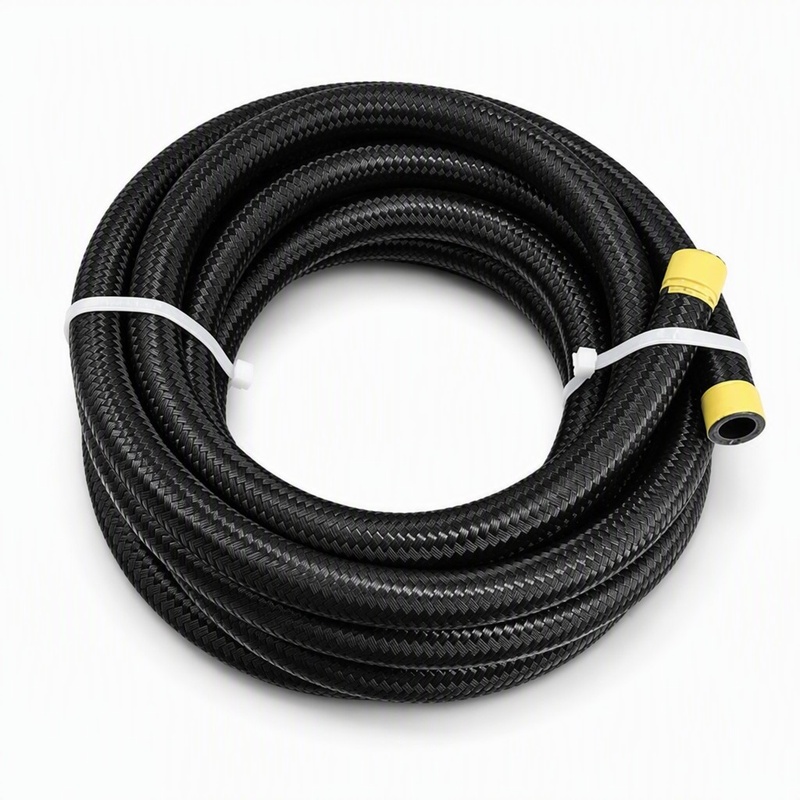
Selecting industrial rubber tubing requires understanding your application's pressure requirements, temperature range, chemical compatibility, and environmental conditions. Many operators make selection mistakes by overlooking these critical factors or defaulting to whatever was used previously. This guide walks through the practical decision framework that helps you identify which flexible rubber hoses and high-pressure rubber conduits will deliver the performance your operation requires.
Pressure is the single most important specification when selecting rubber tubes for industrial use. Every tubing product carries a maximum working pressure rating, typically measured in pounds per square inch (PSI) or bar. Your application's peak operating pressure must never exceed the tubing's rated capacity. Exceeding this threshold causes tubing failure, which can result in leaks, ruptures, equipment shutdown, or dangerous spray patterns that endanger workers.
When evaluating flexible rubber hoses, add a safety margin above your peak operating pressure. Industry best practice recommends selecting tubing rated for at least 25 to 50 percent above your maximum working pressure. This buffer accounts for pressure spikes, system surges, and aging of the tubing over time. For critical applications in manufacturing or hydraulic systems, engineers often specify tubing rated 4:1 or higher compared to normal operating pressure. This conservative approach extends tubing lifespan and reduces unexpected failure rates in high-pressure rubber conduits.
Tubing diameter directly affects flow velocity, which influences pressure drop and system efficiency. Undersized industrial rubber tubing creates excessive velocity, generating heat, friction losses, and accelerated wear. Oversized tubing wastes material, increases weight, and complicates installation. The ideal diameter sits in the middle—typically maintaining flow velocity between 4 and 12 feet per second for most industrial applications. When selecting high-pressure rubber conduits for viscous fluids, slower velocity ranges prevent excessive heat generation and pump strain.
Rubber tubes are manufactured from different elastomer compounds, each with distinct chemical resistance profiles. Natural rubber offers excellent flexibility and abrasion resistance but fails when exposed to oils, ozone, or UV light. Synthetic rubbers like nitrile, EPDM, and fluoroelastomer provide superior chemical resistance to petroleum products, water, steam, and refrigerants. When specifying flexible rubber hoses for chemical transfer, consult compatibility charts that detail how specific fluids interact with each elastomer type.
Mismatched fluid and tubing material causes rapid degradation—swelling, hardening, cracking, or complete breakdown of the tubing wall. In hydraulic systems, using standard rubber tubing with synthetic fluid can cause catastrophic failure within weeks. When selecting industrial rubber tubing for specialized applications like food processing, pharmaceuticals, or automotive fuel systems, verify that the tubing meets required material certifications. FDA-approved tubing, NSF ratings, and automotive specification compliance ensure your tubing performs safely throughout its service life.
Reinforcement layers dramatically impact tubing strength and pressure capability. Wire-reinforced high-pressure rubber conduits handle demanding hydraulic applications where pressure constantly fluctuates. Textile-braided constructions offer flexibility and abrasion resistance for general industrial use. Spiral-wrapped reinforcement suits extreme pressure applications exceeding 3000 PSI. When choosing rubber tubes for outdoor or highly abrasive environments, nylon-braided or polyester-braided constructions resist cutting, chafing, and weathering better than unreinforced flexible rubber hoses. The reinforcement type you select must match both your pressure requirements and the physical demands your tubing will encounter.
Temperature extremes degrade rubber tubes if the material cannot maintain elasticity or structural integrity under heat or cold. Every elastomer has a specified operating temperature range—typically printed on the tubing jacket or provided in technical data sheets. Exceeding maximum temperature causes the rubber to harden and become brittle, leading to cracks and leaks. Dropping below minimum temperature makes the material rigid and prone to kinking during installation or operation.
Industrial rubber tubing used in freezing environments or hot process applications requires careful material selection. EPDM rubber maintains flexibility in cold climates better than nitrile. Silicone-based flexible rubber hoses tolerate extreme temperatures from minus 40 to plus 200 degrees Celsius. When selecting high-pressure rubber conduits for cryogenic, steam, or high-temperature applications, specify tubing tested and rated for those extremes. Failure to account for temperature exposes you to tubing failure during seasonal transitions or equipment startup.
Outdoor-exposed rubber tubes deteriorate from ultraviolet radiation and atmospheric ozone, causing surface cracking and hardening. If your application involves outdoor installation, outdoor storage areas, or agricultural environments, select industrial rubber tubing with UV and ozone inhibitors built into the elastomer formulation. Carbon black pigments in the tubing jacket provide UV protection, which is why high-quality outdoor hoses appear dark or black. Colored flexible rubber hoses without UV protection fail within months when exposed to direct sunlight.
Hydraulic applications demand high-pressure rubber conduits built to strict specifications. These systems operate continuously under elevated pressure, exposing tubing to mechanical and thermal stress. Hydraulic hoses must meet ISO or SAE performance standards defining pressure ratings, burst strength, and fluid compatibility. When selecting rubber tubes for hydraulic machinery, verify certification marks like ISO 1402 or SAE 100R series. Failure to use properly rated industrial rubber tubing in hydraulic systems risks equipment damage, worker injury, and system shutdown.
General-purpose flexible rubber hoses for water, compressed air, and steam operate at lower pressures but demand reliability. These applications benefit from cost-effective rubber tubes without premium reinforcement layers. However, even general-purpose tubing must match the fluid type—water hoses differ from air hoses, and steam applications require heat-resistant constructions. Mixing application types compromises performance. Industrial rubber tubing selected for compressed air may fail if repurposed for hot water transfer without verification of temperature and material compatibility.
Choosing the correct fitting size and thread type prevents leaks and ensures secure connections. Rubber tubes must be matched with compatible fittings—NPT threads, BSP threads, SAE flange connections, or hose barb fittings each serve specific purposes. Undersized or mismatched fittings create leak points or blow off under pressure. When installing industrial rubber tubing, avoid kinks, sharp bends, and pinching. Most tubing carries a minimum bend radius specification; exceeding this radius by forcing the hose around sharp corners causes internal damage and accelerates failure.
Regular inspection extends the service life of rubber tubes and catches problems before failures occur. Visual cracks, surface damage, hardening, or swelling signal that high-pressure rubber conduits require replacement. Environmental exposure, operating hours, and usage intensity all affect tubing lifespan. Flexible rubber hoses typically need replacement every 5 to 10 years depending on application severity. Establishing preventive replacement schedules for critical equipment reduces emergency downtime and maintains safety standards in your operation.
Always select rubber tubes rated for at least 1.25 to 1.5 times your peak system pressure, with 2:1 minimum ratios for critical applications. This safety margin protects against pressure spikes and extends tubing lifespan. Consult system specifications and pressure test results to determine your true maximum operating pressure, then add the appropriate safety factor when selecting industrial rubber tubing or flexible rubber hoses.
Cross-reference your fluid type against the elastomer material compatibility chart provided by the tubing manufacturer. Different rubbers resist different fluids—nitrile resists petroleum but fails with some solvents, while EPDM works with water and steam but not oils. When selecting high-pressure rubber conduits for unusual or mixed fluids, request compatibility confirmation in writing from the manufacturer before installation.
No—rubber tubes degrade internally from pressure cycling, temperature exposure, and fluid contact even when external appearance looks acceptable. Reusing aged tubing creates safety and reliability risks. Always install fresh industrial rubber tubing or flexible rubber hoses when replacing failed lines or reconfiguring systems to maintain system integrity and safety compliance.
