A ptfe tube is engineered to withstand demanding industrial conditions, but understanding its actual service life is critical for maintenance planning and cost management. The lifespan of a ptfe tube depends on multiple variables including operating temperature, chemical exposure, mechanical stress, and installation quality. Most quality teflon tubing components last between 5 to 10 years under standard operating conditions, though some applications see extended service life reaching 15 years or longer when used within design parameters.
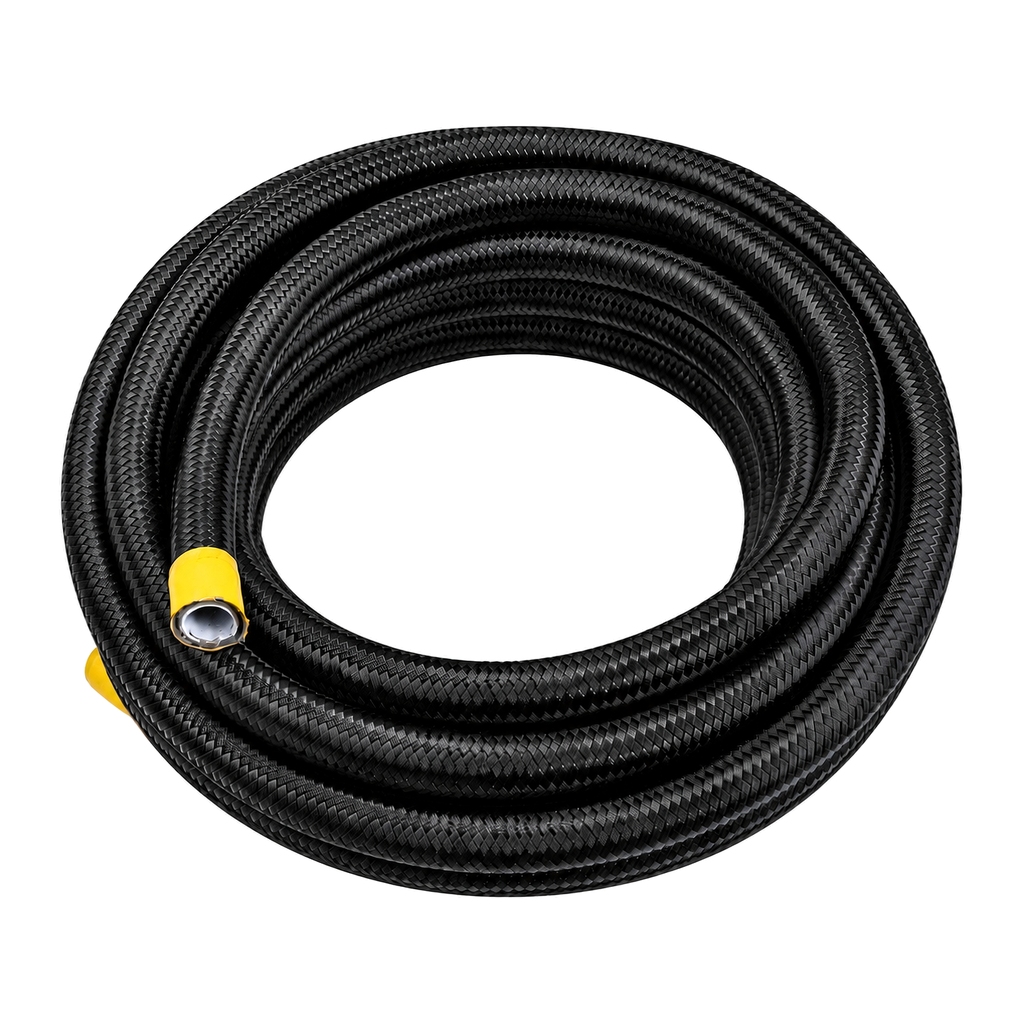
Understanding the durability expectations of your fluoropolymer hose investment helps prevent unexpected downtime and optimizes replacement schedules. The lifespan of teflon tubing is not fixed but rather a function of how the material interacts with its environment and the stresses it experiences daily. Industrial facilities that implement proper maintenance protocols and respect the material's temperature and chemical limits consistently achieve service lives at the upper end of the spectrum, making informed usage decisions essential for operational efficiency.
Key Factors Affecting PTFE Tube Lifespan
Temperature Range and Operating Conditions
Temperature is one of the most significant determinants of how long a ptfe tube will perform reliably. Fluoropolymer hose maintains excellent properties across a wide temperature spectrum, typically functioning effectively between -200°F and +400°F, but continuous operation near the upper limit accelerates material degradation. When a teflon tubing system operates consistently at high temperatures, the polymer chains begin to break down faster, reducing overall service life. Conversely, applications that maintain moderate temperatures well within the material's rated range can expect substantially longer lifespans. The critical point is that peak temperature excursions, not average operating temperature, often dictate when a ptfe tube requires replacement. Short-term temperature spikes are generally tolerable, but prolonged exposure to temperatures above 350°F can reduce service life by 30 to 50 percent compared to moderate-temperature applications.
Chemical Exposure and Compatibility
Chemical resistance is a primary reason industries select fluoropolymer hose for critical applications, yet certain aggressive chemicals still accelerate wear. Teflon tubing exhibits superior compatibility with most industrial fluids, solvents, and corrosive substances, but exposure to molten alkali metals or certain fluorinated compounds can degrade the material. A ptfe tube's lifespan is significantly extended when the conveyed fluid matches the material's compatibility profile precisely. Applications involving caustics, solvents, and aggressive sealants generally see full service life realization when proper chemical selection occurs beforehand. Compatibility testing before full-scale deployment prevents premature failures and ensures that the fluoropolymer hose investment delivers expected years of operation. Most industrial liquids, including mineral oils, synthetic fluids, and water-based solutions, are well-tolerated by teflon tubing without noticeable degradation.
Mechanical Stress and Installation Impact
Pressure Cycles and Mechanical Fatigue
Mechanical stress accumulation is a hidden driver of ptfe tube failure in high-cycle applications. Each pressure cycle, bend, or vibration exposure creates microscopic stress points within the fluoropolymer hose material. Applications involving thousands of pressure cycles per day experience faster material fatigue than static or low-cycle systems. A properly rated teflon tubing can tolerate design pressures indefinitely, but operation beyond design limits or frequent shock pressures dramatically shortens service life. Installation practices directly influence how mechanical stress distributes through the system; proper support spacing, appropriate bend radius maintenance, and vibration isolation all contribute to protecting the ptfe tube from premature wear. Systems that experience excessive movement, vibration, or unsupported spans tend to fail 2 to 3 years earlier than installations with proper mechanical design and support infrastructure.
Installation Quality and Maintenance Protocols
The quality of initial installation and ongoing maintenance significantly determines whether a ptfe tube achieves its theoretical service life potential. Improper fitting connections, excessive bending during setup, or inadequate support can compromise the fluoropolymer hose from day one of operation. Regular inspection protocols that identify abrasion points, stress concentrations, or minor leaks allow maintenance teams to address issues before they cascade into catastrophic failures. A teflon tubing system maintained to manufacturer specifications consistently outlasts neglected installations by 50 to 100 percent. Preventive replacement of visibly degraded sections, before complete failure occurs, prevents unplanned shutdowns and protects downstream equipment. Many industrial facilities achieve exceptional service life by combining proper installation practices with quarterly or semi-annual inspection routines that monitor for physical changes in the ptfe tube appearance and performance characteristics.
Extending PTFE Tube Service Life in Practice
Design Considerations and System Optimization
Strategic design choices during system planning phase can substantially extend ptfe tube lifespan and reduce total cost of ownership. Selecting fluoropolymer hose with appropriate wall thickness for the specific application prevents over-specification waste while ensuring adequate safety margins. Teflon tubing routed through temperature-controlled zones experiences less thermal cycling stress than components exposed to wide environmental temperature swings. A ptfe tube sized with adequate internal cross-section to maintain moderate flow velocities reduces pressure drop and associated mechanical stress on the material. Incorporating expansion loops or flexible sections in rigid piping systems allows the teflon tubing to accommodate thermal expansion and vibration without transmitting stress to connection points. Thoughtful hydraulic or pneumatic system design that minimizes pressure spikes, regulates flow rates, and maintains consistent operating conditions directly correlates to extended service life of all fluoropolymer hose components.
Monitoring and Predictive Maintenance
Modern industrial operations increasingly adopt predictive maintenance approaches to optimize when to replace ptfe tube components. Visual inspection programs that document surface condition changes, discoloration, or texture changes provide early warning of material degradation. Temperature monitoring at key teflon tubing locations reveals whether thermal management is performing as designed or whether unexpected heat is accelerating wear. Pressure trend analysis helps identify whether a system is developing internal leaks or material weakness through abnormal pressure signature changes. A ptfe tube showing surface crazing, discoloration, or loss of flexibility is typically within months of failure and should be scheduled for replacement during the next planned maintenance window. Implementing these data-driven approaches ensures fluoropolymer hose replacement happens strategically rather than reactively, improving operational reliability and extending the overall service life of related system components.
FAQ
How can I tell when a PTFE tube needs replacement?
Visual signs include surface discoloration, visible cracks or crazing, loss of flexibility, or leaking at connection points. A teflon tubing that has become brittle or shows white stress marks has typically reached end of service life. If a ptfe tube is leaking or showing reduced pressure holding capability, replacement should occur immediately to prevent equipment damage or contamination.
What is the typical cost-effectiveness of replacing PTFE tubes proactively?
Proactive replacement of fluoropolymer hose prevents catastrophic failures that can damage expensive downstream equipment or cause production shutdowns. A preventive teflon tubing replacement program typically costs 10 to 20 percent of the expense associated with emergency replacement after system failure. Facilities using ptfe tube components in critical systems find that planned maintenance budgeting provides better financial predictability than reactive repair scenarios.
Can environmental storage conditions affect PTFE tube lifespan after installation?
Yes, spare teflon tubing stock should be stored in temperature-controlled environments away from direct UV exposure and excessive heat. A ptfe tube stored improperly can degrade before installation and may fail prematurely during actual service. Fluoropolymer hose kept in manufacturer-recommended conditions maintains full performance potential until the component is installed and begins its operational service life.
 EN