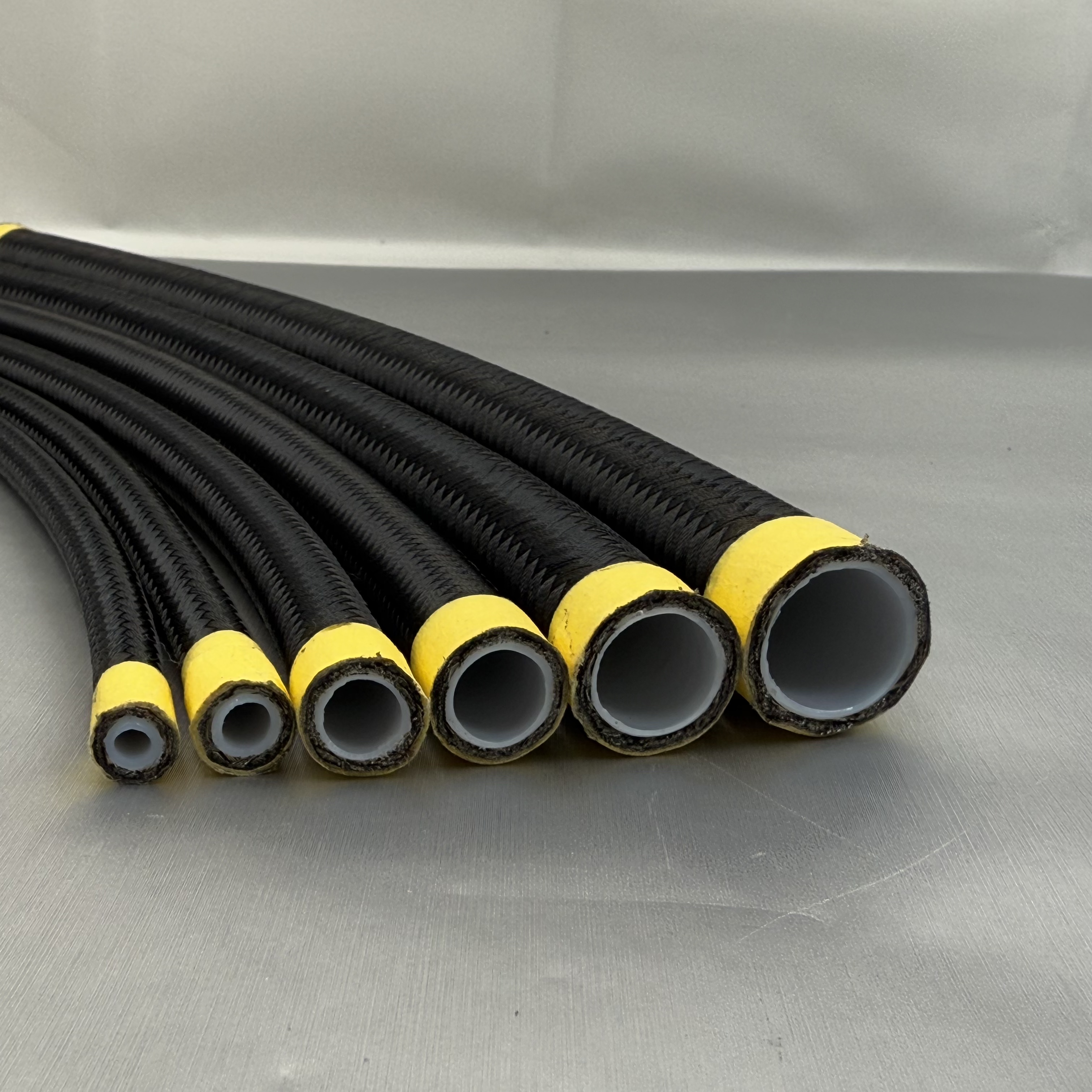
Quality matters significantly when it comes to fluid transfer systems, and understanding the lifespan of a braided hose is essential for maintaining operational efficiency and safety. A braided hose serves critical functions across automotive, industrial, and racing applications, where reliability directly impacts performance and reliability. The expected durability of braided hoses varies considerably based on materials, manufacturing quality, environmental conditions, and application intensity, making it crucial to understand what determines their service life.
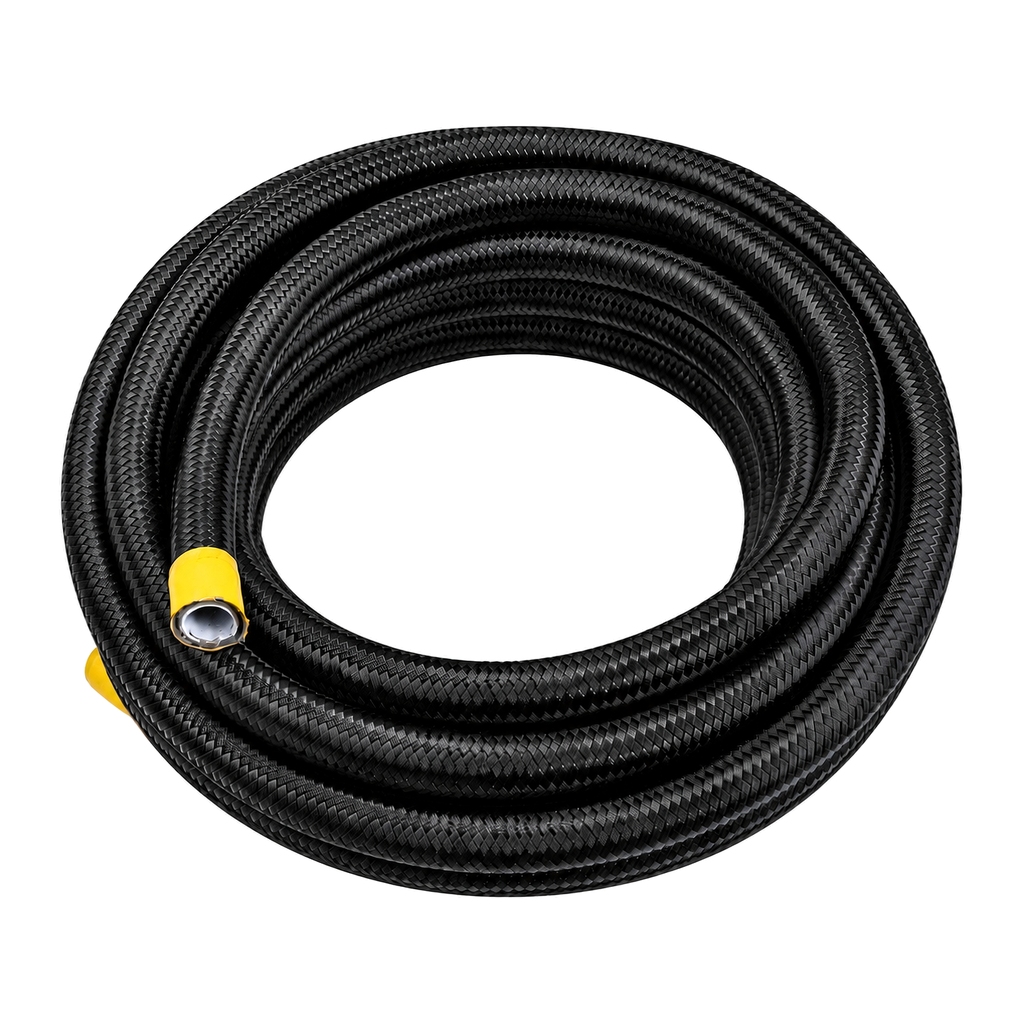
Most quality braided hoses are engineered to provide between five and ten years of reliable service under normal operating conditions, though premium options can extend beyond this timeline. The actual lifespan depends on how well the hose is maintained, the pressures and temperatures it experiences, the fluid type it carries, and the level of mechanical stress from vibration or movement. Understanding these variables helps operators make informed decisions about replacement schedules and preventive maintenance strategies.
Factors Determining Braided Hose Longevity
Material Composition and Construction Quality
The foundation of hose durability begins with material selection. Stainless steel braided hose options offer superior corrosion resistance and structural integrity compared to standard steel braiding, particularly in harsh environments. Premium braided hydraulic hose manufacturers use high-grade inner tube materials like PTFE or reinforced rubber, which resist fluid degradation and maintain flexibility over extended periods. The number of braiding layers and weave density directly correlate with burst strength and overall durability, meaning higher-quality construction translates to longer operational life.
Braided brake hose specifically benefits from advanced materials that withstand thermal cycling and brake fluid exposure. Quality braided brake hose undergoes rigorous testing to ensure consistent performance across temperature fluctuations common in braking systems. Cheaper alternatives often use thinner braiding or inferior inner tube compounds, which deteriorate faster under the same conditions. Investing in higher-grade braided hose components ultimately reduces replacement frequency and associated downtime costs.
Pressure and Temperature Operating Ranges
Operating pressure significantly impacts how long a braided hydraulic hose remains functional. Systems consistently running near the hose's maximum pressure rating accelerate internal degradation of both the inner core and braided reinforcement. Temperature exposure compounds this effect, as elevated heat weakens polymer bonds and accelerates oxidation of the inner tube material. Conversely, systems operating well below rated pressures and maintaining moderate temperatures can extend actual service life beyond manufacturer specifications.
Thermal cycling, where temperatures repeatedly rise and fall, proves particularly damaging to braided hose longevity. Racing applications expose braided hose to intense temperature swings, stressing both the braiding and inner tube material. Industrial hydraulic systems in controlled environments typically experience more stable conditions, allowing the same quality braided hydraulic hose to last longer in that context. Understanding your specific operating envelope helps predict realistic replacement intervals.
Environmental and Usage Impact on Hose Lifespan
Chemical Compatibility and Fluid Exposure
The type of fluid flowing through your braided hose significantly influences durability. Different fluids have varying compatibility with hose materials, and incompatibility accelerates inner tube degradation. Aggressive fluids like certain solvents or high-mineral-content hydraulic oils can compromise the integrity of lower-quality braided hose inner cores. Quality braided brake hose is specifically formulated to resist brake fluid, but even premium materials degrade if exposed to incompatible fluids over time.
Stainless steel braided hose resists external corrosion, but the inner tube material still requires proper fluid compatibility. Routine fluid analysis and maintenance help prevent accelerated degradation from contamination or fluid breakdown. Premium hose manufacturers provide compatibility charts that indicate which fluids work best with specific braided hydraulic hose formulations, extending service life when followed correctly.
Mechanical Stress and Installation Factors
How the braided hose is installed and routed dramatically affects its lifespan. Sharp bends, excessive vibration, and abrasion against hard surfaces wear through the protective braiding layer, exposing the inner core to damage. Systems with significant movement or vibration can degrade a quality braided hose much faster than stationary applications. Proper routing, adequate support clamps, and protection sleeves in high-stress areas extend overall durability considerably.
Installation quality also matters for braided brake hose and braided hydraulic hose systems. Overly tight fittings can stress the attachment points and cause micro-tears in the braiding, while loose connections allow movement that accelerates wear. Professional installation following manufacturer guidelines ensures the hose achieves its full design life. Regular inspection for signs of abrasion, cracking, or fitting corrosion helps identify problems before failure occurs.
Maintenance Practices That Extend Braided Hose Life
Preventive Inspection and Early Warning Signs
Regular visual inspection is the most cost-effective way to extend braided hose service life. Look for discoloration, cracking in the outer braiding, bulges, or weeping around fittings, all of which indicate the hose is approaching end-of-life. Braided brake hose showing any of these signs should be replaced immediately to prevent system failure. Similarly, stainless steel braided hose may develop surface corrosion that appears harmless but can penetrate the braiding if left unchecked.
Pressure testing during maintenance intervals provides quantitative data about hose condition. A braided hydraulic hose that cannot hold rated pressure indicates inner tube failure or seal degradation. Implementing a documented inspection schedule helps track hose condition trends and predict replacement timing more accurately. This proactive approach prevents emergency failures that disrupt operations and cost far more than scheduled replacements.
Fluid Maintenance and System Cleanliness
Keeping system fluid clean dramatically improves braided hose longevity. Contaminated hydraulic fluid accelerates degradation of the inner tube material in any braided hydraulic hose, regardless of construction quality. Regular fluid filtration removes particles that can cause internal wear and reduce fluid viscosity breakdown. Changing brake fluid at recommended intervals prevents moisture absorption that corrodes braided brake hose components from the inside.
Temperature control also supports extended service life for all braided hose types. Cooling systems that maintain fluid within optimal temperature ranges prevent the accelerated oxidation that shortens hose lifespan. Keeping systems clean, properly cooled, and using high-quality fluid formulated for your application ensures that premium braided hose performs at its design potential throughout its service life.
FAQ
How often should I replace a braided hose in high-performance applications?
High-performance and racing applications subject braided hose to extreme pressures, temperatures, and vibration, typically requiring replacement every two to three years or 25,000 to 50,000 miles, depending on usage intensity. A braided brake hose in racing vehicles may need annual replacement due to extreme thermal cycling. Regular inspections are essential because these applications can cause rapid degradation. Switching to premium stainless steel braided hose options may extend intervals slightly, but aggressive use remains the limiting factor.
What causes premature failure of braided hydraulic hose?
Premature failure of braided hydraulic hose typically results from improper installation creating sharp bends, system contamination degrading the inner tube, overpressure events exceeding design limits, incompatible fluid exposure, or mechanical abrasion from routing against hard surfaces. Low-quality braided hose with thinner braiding or inferior core materials fails faster across all failure modes. Even quality braided hose fails prematurely if exposed to conditions outside its design parameters or inadequately maintained.
Can stainless steel braided hose last longer than standard braided hose?
Stainless steel braided hose offers superior corrosion resistance and typically lasts longer in harsh or wet environments, potentially extending service life by 20 to 30 percent compared to standard carbon steel braided hose. However, the inner tube material remains the primary limiting factor for most applications, so durability improvements depend heavily on application type. A braided brake hose or braided hydraulic hose with stainless steel braiding but inferior inner core material may not outlast simpler designs using premium core materials, making overall construction quality as important as braiding material selection.
 EN