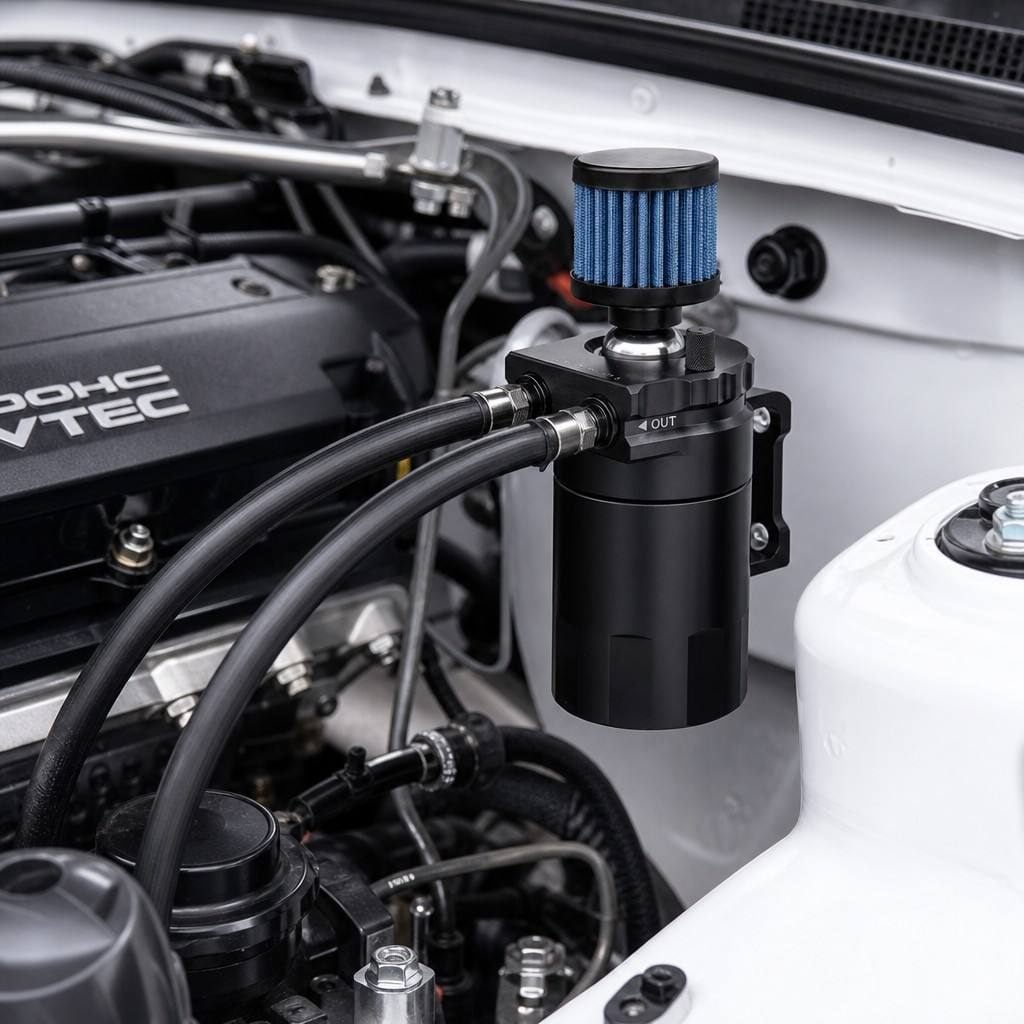
A quality catch can is a critical component in modern engine systems, designed to capture oil vapor and moisture before they reach the intake manifold. The lifespan of a catch can depends on several factors including driving habits, engine condition, installation quality, and how well the catch can maintenance and cleaning are performed. Most high-quality catch cans last between three to five years under typical driving conditions, though some may extend beyond this period with diligent care.
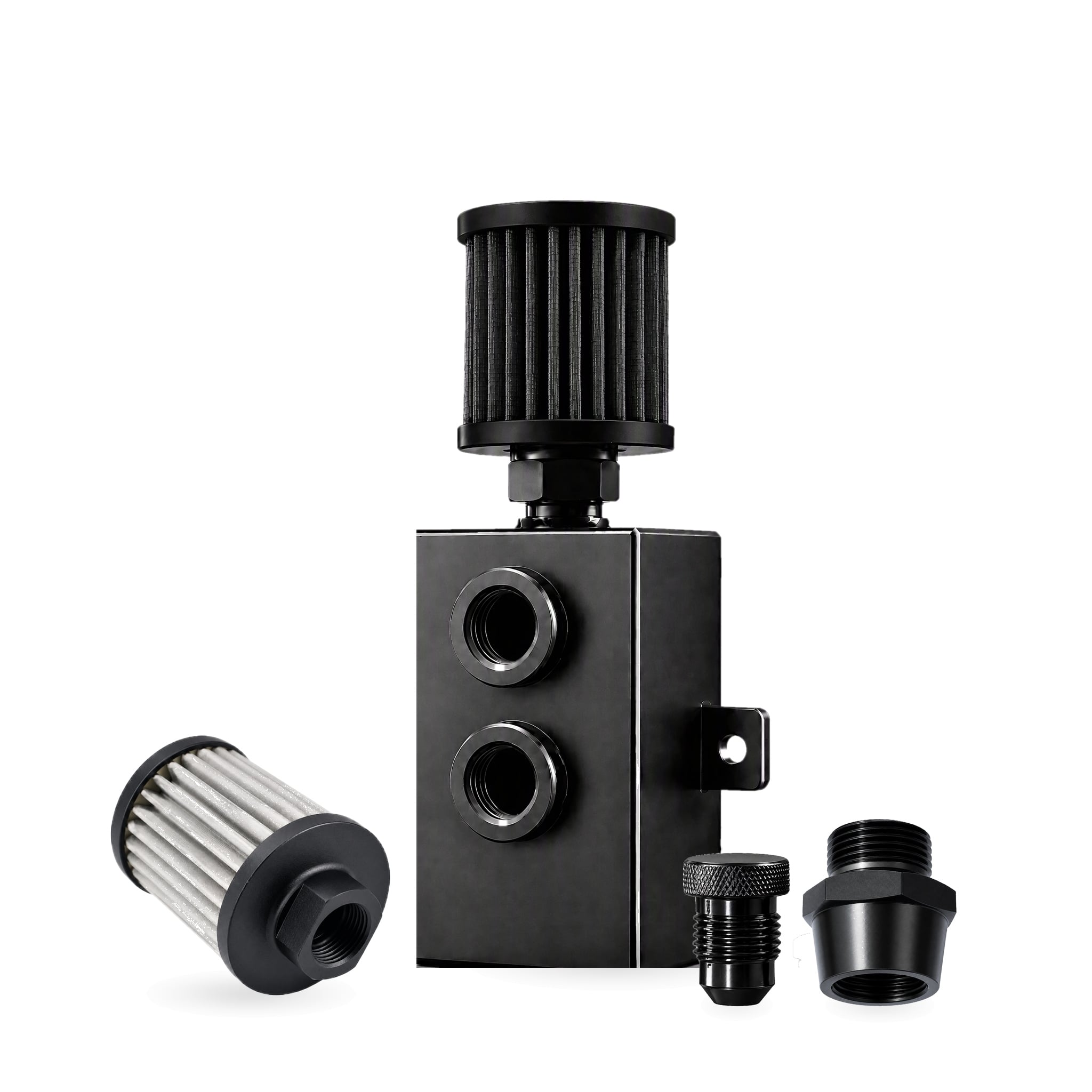
Understanding the durability of an engine catch can system requires knowledge of how these devices function and what environmental stressors affect them. An engine catch can system works by intercepting crankcase vapors through the positive crankcase ventilation line, filtering out oil particles and moisture, and either recirculating clean vapor back to the engine or venting it safely. The effectiveness and longevity of this system depend on proper PCV catch can installation and regular inspection routines to ensure optimal performance.
Factors That Influence Catch Can Lifespan
Driving Conditions and Engine Load
The way you drive and the conditions under which you operate your vehicle significantly impact how long your catch can will perform effectively. Aggressive driving, frequent towing, or high-performance applications generate more crankcase vapor and stress on the catch can system, accelerating wear and requiring more frequent maintenance. In contrast, regular highway driving under moderate loads allows a catch can to operate within design parameters, extending its functional life considerably.
Quality of Materials and Construction
Not all catch cans are created equal. Premium models utilize high-grade aluminum, stainless steel internals, and durable seals designed to withstand prolonged exposure to heat, pressure, and corrosive vapor. Budget catch cans often feature lower-quality materials that degrade faster when exposed to engine bay temperatures and chemical compounds present in crankcase gases. Investing in a well-manufactured engine catch can system from the start translates directly into extended service life and more reliable performance.
Catch Can Maintenance and Cleaning Requirements
Regular Inspection and Emptying Schedules
Proper catch can maintenance and cleaning practices are essential for maximizing lifespan and preventing system failures. The separator inside a catch can collects oil, fuel residue, and moisture over time, and this buildup must be emptied regularly to prevent overflow and blockages. Most manufacturers recommend checking the catch can every 3,000 to 5,000 miles under normal driving conditions, though high-performance drivers should inspect more frequently.
Cleaning Internal Components
Beyond emptying the reservoir, catch can maintenance and cleaning should include flushing internal components with appropriate solvents to remove stubborn residue and prevent corrosion. Over time, oil residue hardens inside the separator and filter media, reducing efficiency and potentially causing vapor bypass. Professional cleaning or thorough DIY maintenance involving the use of carburetor cleaner or similar products keeps the system functioning at peak capacity throughout its operational life.
Signs Your Catch Can Needs Replacement
Performance Deterioration and System Failures
Despite excellent catch can maintenance and cleaning practices, several warning signs indicate that replacement is necessary. If your engine begins to experience oil buildup in the intake manifold, increased blow-by symptoms, or noticeable performance drops even after thorough cleaning, the internal separator may have reached the end of its functional life. Internal filter media degradation or seal failure means that the catch can system can no longer effectively separate oil from vapor.
Physical Damage and Corrosion
Visible corrosion on the exterior housing, dents that affect internal airflow, or leaking seals are clear indicators that your catch can has exceeded its useful life. Even with preventative PCV catch can installation practices, environmental factors like exposure to road salt, moisture, and temperature extremes can compromise the structural integrity of the container. When inspection reveals that the catch can cannot hold pressure or has visible internal degradation, replacement becomes the only practical solution.
Extending Your Catch Can's Service Life
Proper Installation and Environment Management
The durability of your engine catch can system begins with correct PCV catch can installation using appropriate hose routing, secure connections, and mounting that minimizes vibration. Vibration and movement can cause internal component failure and accelerate wear on seals and connections. Additionally, positioning your catch can away from direct engine heat sources and using heat shielding where necessary extends operational life by reducing thermal stress.
Preventive Maintenance Strategy
Implementing a comprehensive preventive maintenance schedule directly correlates with how long your catch can remains functional. Beyond emptying the reservoir, periodic inspection of hose connections, verification of proper flow rates, and replacement of filter media according to manufacturer specifications ensures your system operates efficiently throughout its lifespan. Maintaining engine health through regular oil changes and proper tuning also reduces the volume and severity of crankcase vapors, proportionally extending catch can life.
FAQ
How often should I empty my catch can?
Most drivers should empty their catch can every 3,000 to 5,000 miles, though high-performance drivers or those in dusty environments may need more frequent emptying. Check your specific catch can manufacturer's recommendations, as reservoir capacity and vehicle driving conditions affect the optimal interval. More frequent emptying prevents overflow and maintains the efficiency of your engine catch can system.
Can a catch can last longer than five years?
Yes, a well-maintained quality catch can can last longer than five years if subjected to moderate driving conditions and diligent catch can maintenance and cleaning. Some owners report eight to ten years of reliable service with vehicles driven conservatively and consistently serviced. The key factors are material quality, proper installation, and adherence to inspection and cleaning protocols.
What happens when a catch can fails completely?
When an engine catch can system fails, crankcase vapor can bypass the separator and enter the intake manifold unfiltered, leading to carbon buildup, reduced engine performance, and potential damage to intake valves. Without a functioning catch can, oil and moisture accumulate in the intake system, which can ultimately affect fuel economy and engine reliability. Prompt replacement of a failed catch can prevents these cascading problems.
 EN