 EN

how-long-do-quality-hydraulic-crimping-machines-typically-last, how-long-do-quality-hydraulic-crimping-machines-typically-last, /news
EN
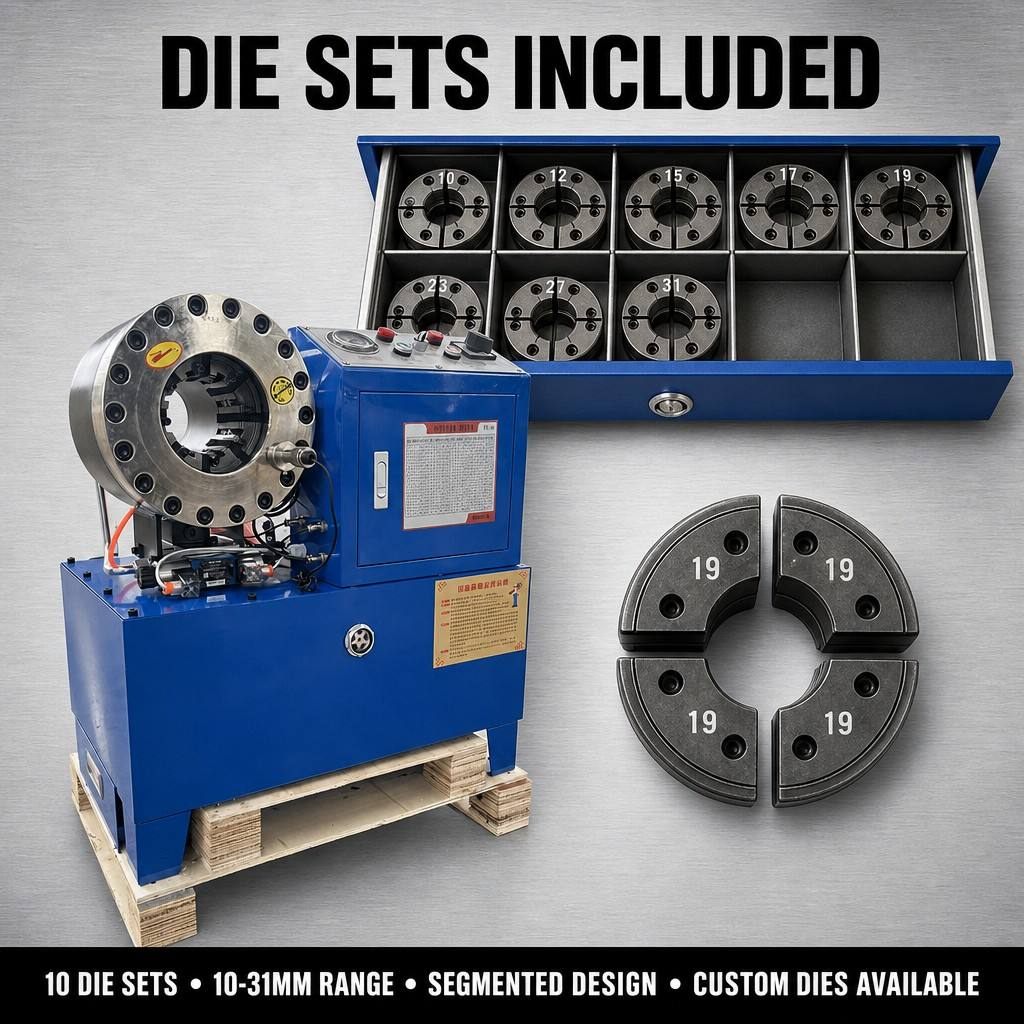
A quality hydraulic crimping machine represents a significant investment for any industrial operation that handles hose assemblies, electrical connectors, or wire terminations. Understanding the typical lifespan of these machines is essential for budgeting, maintenance planning, and optimizing operational efficiency. The durability of a hydraulic crimping machine depends on multiple factors including build quality, usage intensity, maintenance practices, and operating conditions. Most well-manufactured hydraulic crimper tool units can perform reliably for 10 to 20 years or longer when properly maintained and operated within design specifications.
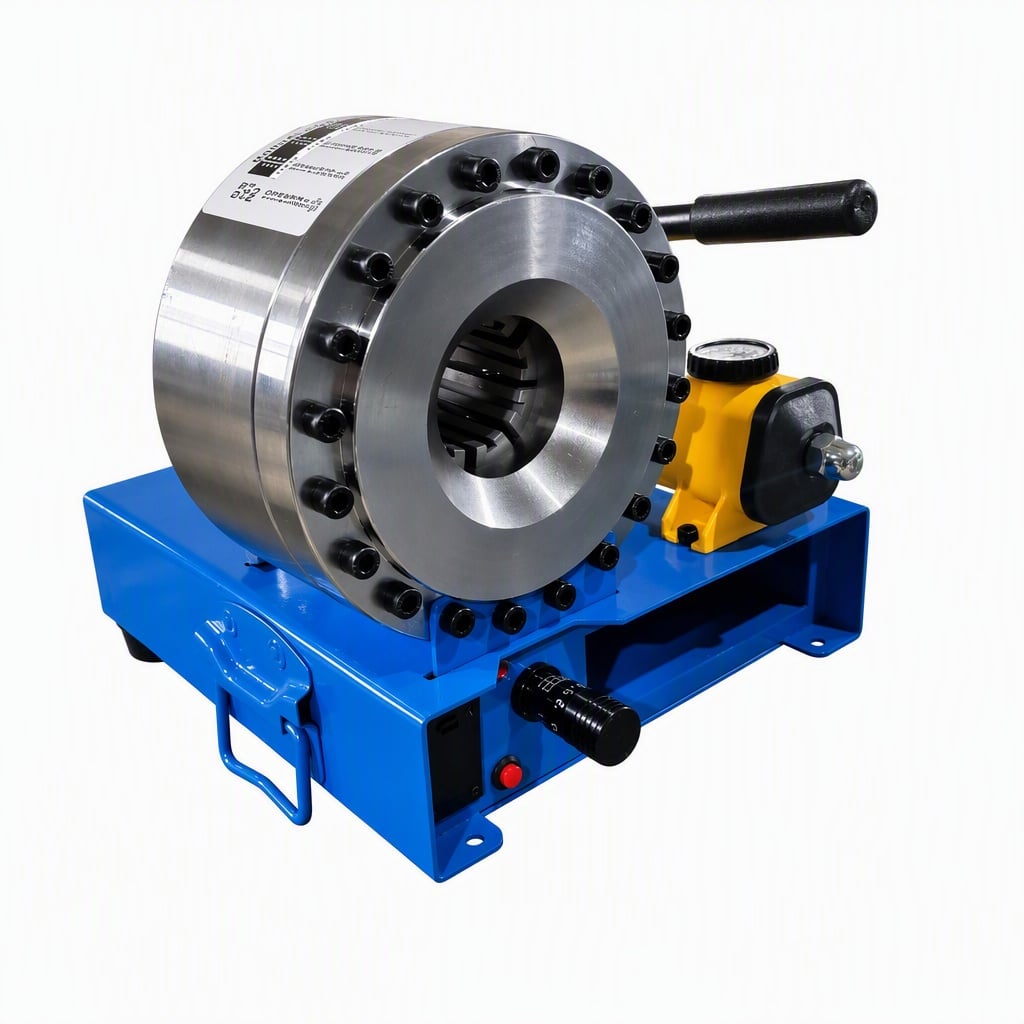
The longevity of a hydraulic crimping machine extends far beyond initial purchase when supported by consistent maintenance, proper operator training, and adherence to manufacturer guidelines. Industrial facilities that view their crimping press equipment as a critical production asset typically experience extended service life and minimal downtime. This article explores the factors that influence machine longevity, realistic performance timelines, maintenance strategies that preserve functionality, and indicators that suggest replacement or major servicing is needed.
The foundation of any hydraulic crimping machine's durability begins with the quality of materials and engineering used in its construction. Premium machines feature reinforced steel frames, precision-machined hydraulic components, and robust pressure seals designed to withstand thousands of crimping cycles without degradation. Lower-cost models may use lighter materials, less precise tolerances, and less durable seal materials that fail more quickly under repetitive stress. A well-built hydraulic crimper tool manufactured with grade-A materials and proper engineering specifications will reliably deliver consistent crimp pressure and accuracy for years, while inferior equipment may show performance decline within months of regular use.
How extensively a facility operates the crimping press equipment directly impacts its working life. A machine running 8 hours daily will age faster than one used 2 hours daily, simply due to cumulative cycle counts and thermal stress on hydraulic components. Production environments demanding continuous operation place greater demands on pump efficiency, cooling systems, and seal integrity compared to occasional-use facilities. The quality of hose fitting crimper work performed also matters—machines consistently pushed to maximum pressure settings experience faster wear than those operated comfortably within rated limits. Understanding your facility's specific usage profile helps predict realistic maintenance intervals and replacement timelines.
Hydraulic fluid is the lifeblood of any hydraulic crimping machine, and maintaining fluid cleanliness is perhaps the single most important factor in extending equipment life. Contaminated hydraulic fluid damages pump internals, clogs hydraulic lines, and causes seal failure that forces costly repairs. Implementing a disciplined fluid change schedule—typically every 1000 to 2000 operating hours depending on machine specifications and environmental conditions—prevents degradation of hydraulic crimper tool performance. Regular fluid analysis testing can identify early signs of wear particles, water intrusion, or oxidation before problems cascade into major breakdowns. Keeping a spare supply of manufacturer-approved hydraulic fluid ensures prompt service and prevents downtime when fluid changes are due.
A structured preventive maintenance program dramatically extends the useful life of crimping press equipment by addressing minor wear before it becomes catastrophic failure. Regular inspection of hose connections, seal condition, pump pressure, and electrical components catches developing problems early. Scheduled replacement of wear items like seals, filters, and pump components keeps the machine operating at design specification rather than struggling with failing internals. Many facilities document maintenance records for each hydraulic crimping machine, allowing them to track performance patterns and anticipate when major servicing will be needed. This proactive approach typically costs far less than emergency repairs and prevents production delays caused by unexpected machine failure.
Industry experience shows that properly maintained hydraulic crimper tool equipment typically operates effectively for 10 to 20 years, with some premium machines exceeding 25 years of reliable service. This timeline assumes the machine receives regular maintenance, is operated within design parameters, and hasn't experienced major damage or extended periods of neglect. A hose fitting crimper that receives excellent maintenance might operate for decades, while an identical model subjected to poor maintenance, contaminated fluid, and careless handling may fail within 5 to 8 years. The variability underscores that manufacturer design life is just one component—actual longevity depends heavily on operator practices and maintenance discipline.
Even the most durable hydraulic crimping machine will eventually show signs indicating major repair or replacement is approaching. Declining pressure consistency, inability to achieve rated crimp force, external fluid leaks that persist after seal replacement, and excessive noise or vibration suggest internal wear has progressed significantly. When repair costs approach 40 to 60 percent of replacement cost for the same machine class, economic logic typically favors replacement. Newer crimping press equipment models often feature improved efficiency, reduced fluid consumption, and better safety features that justify the investment despite the remaining life in older machines. Monitoring these indicators helps operations plan replacement cycles proactively rather than facing emergency breakdowns during critical production periods.
Most manufacturers recommend maintenance intervals between 500 and 1000 operating hours, though exact frequency depends on your specific hydraulic crimper tool model, usage intensity, and environmental conditions. At minimum, hydraulic fluid levels should be checked daily, fluid samples analyzed quarterly, and filters replaced according to schedule. Major service components like seals and pump elements typically need replacement every 2000 to 5000 hours of operation. Consulting your machine's technical documentation and establishing a maintenance calendar ensures consistent service that preserves the long-term value of your crimping press equipment investment.
Yes, comprehensive refurbishment of a hydraulic crimping machine can add years to its productive life when the core frame and structural components remain sound. Professional reconditioning typically includes complete hydraulic system rebuild, replacement of all seals and wear items, repaint and cosmetic restoration, and rigorous pressure testing to verify performance specifications. A quality refurbished hose fitting crimper often performs like new equipment at a significantly lower cost than purchasing replacement machinery. However, refurbishment makes economic sense only if the machine's frame and primary components are structurally intact; machines with corroded frames or damaged hydraulic cylinders are poor refurbishment candidates.
Generally, higher-quality hydraulic crimping machines command premium prices because they incorporate better materials, precision engineering, and more durable internal components designed to withstand longer service life with fewer failures. A well-designed hydraulic crimper tool may cost 30 to 50 percent more than budget alternatives but deliver 2 to 3 times longer operating life with lower maintenance costs, making it the superior long-term investment. Budget equipment prioritizes low purchase price over durability, requiring more frequent repairs and earlier replacement. Evaluating total cost of ownership—including purchase price, maintenance expenses, downtime costs, and replacement frequency—reveals that premium crimping press equipment typically delivers better value for serious industrial operations.
