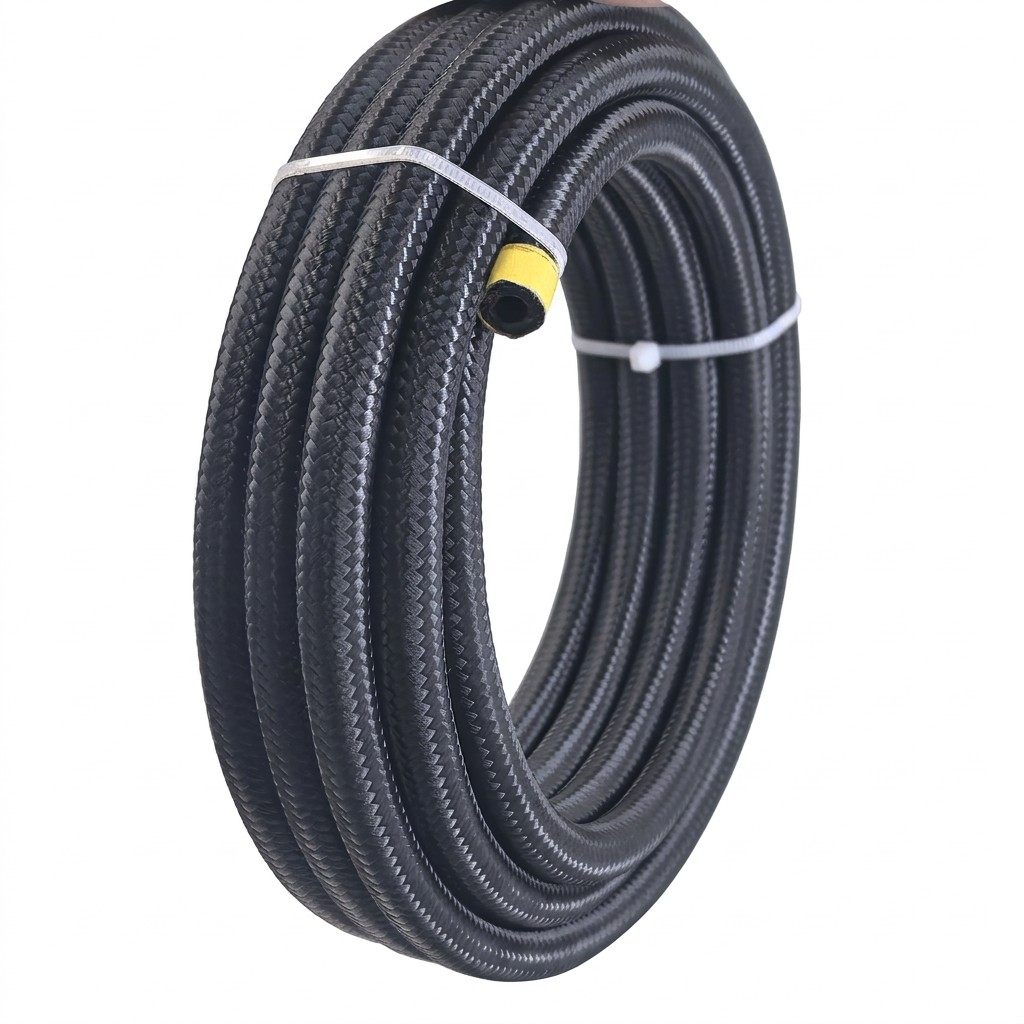
The lifespan of rubber tubes is a critical concern for operations across manufacturing, construction, agriculture, and hydraulic systems. Most industrial rubber tubing typically lasts between 5 and 10 years under normal operating conditions, though this timeline can vary significantly based on application intensity, environmental exposure, and maintenance practices. Understanding the factors that influence durability helps operations plan replacement cycles, reduce unexpected downtime, and optimize cost efficiency.
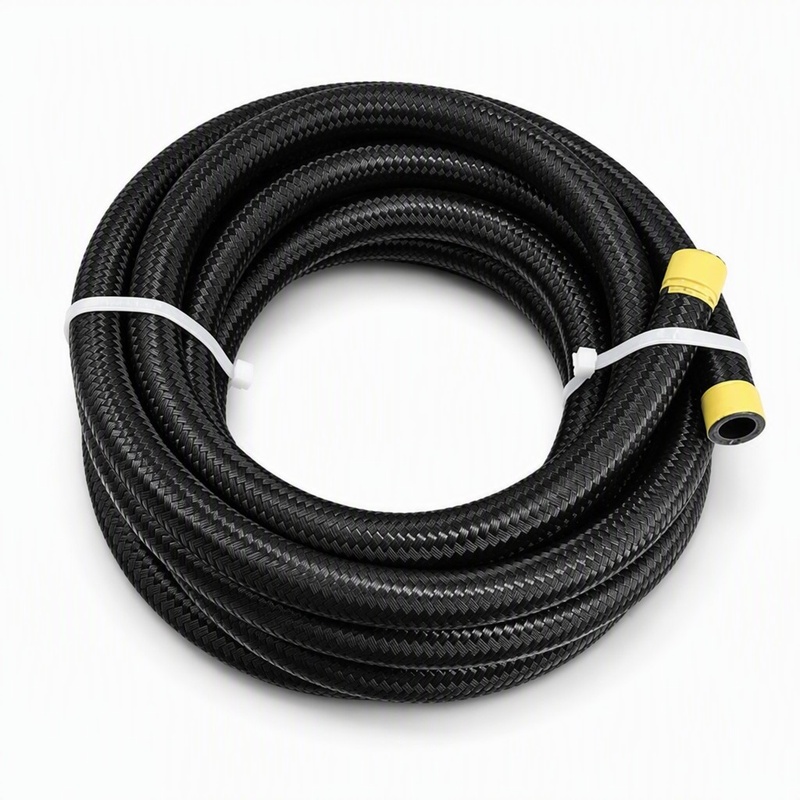
The actual service life of flexible rubber hoses depends on how they are used, stored, and maintained. High-pressure rubber conduits operating in demanding environments may degrade faster than those in controlled settings. By recognizing the key variables that affect longevity, you can make informed decisions about material selection, usage protocols, and preventive maintenance strategies.
Factors Affecting Rubber Tube Lifespan
Operating Pressure and Temperature Exposure
Pressure levels and heat are among the most significant determinants of how long industrial rubber tubing will perform. Tubes rated for continuous high-pressure operation at elevated temperatures experience accelerated degradation compared to those in lower-stress applications. Excessive heat breaks down the polymer chains in the rubber, reducing elasticity and structural integrity over time. Similarly, operating above the rated pressure threshold creates internal stress that weakens the tube walls and can lead to sudden failure or small ruptures that expand under continued use.
Temperature fluctuations also matter considerably. Repeated heating and cooling cycles cause the rubber material to expand and contract, which gradually loosens fittings and creates micro-cracks in the tube structure. High-pressure rubber conduits designed for stable temperature environments often fail prematurely when exposed to extreme seasonal or operational temperature swings. Regular monitoring of pressure gauges and temperature sensors helps identify when operating conditions are pushing tubes beyond their design specifications.
Chemical and Environmental Exposure
The substances flowing through flexible rubber hoses and the external environment both influence degradation rates. Oils, solvents, and hydraulic fluids can soften or harden rubber depending on their chemical composition, potentially reducing tube life by 30 to 50 percent. UV exposure, ozone, and moisture create additional stress on the outer surface, causing cracking and deterioration of the rubber material even when the tube is not actively conveying fluids. Outdoor or semi-exposed storage conditions accelerate this oxidative breakdown process.
Abrasive or corrosive environments present another challenge to industrial rubber tubing longevity. Tubes exposed to dust, sand, sharp edges, or constant mechanical friction against surrounding equipment may develop surface damage that worsens over time. Protective measures such as sleeving, routing adjustments, or environmental enclosures can extend service life significantly.
Maintenance Practices and Their Impact
Inspection Schedules and Preventive Care
Regular inspection schedules are fundamental to maximizing rubber tubes durability and safety. Monthly or quarterly visual checks for cracks, swelling, leaks, or discoloration can catch early-stage degradation before catastrophic failure occurs. Preventive maintenance protocols that include cleaning connections, checking pressure settings, and verifying proper installation reduce stress on the tubing system. Facilities that implement systematic inspection routines typically extend rubber tube life by 20 to 40 percent compared to reactive maintenance approaches.
Documentation of inspection findings creates a baseline for predicting replacement timing. When records show progressive decline in hose condition or increased leak incidents, that is a reliable signal to plan tube replacement before emergency failures disrupt operations. Testing pressure ratings periodically also confirms that tubes remain within safe operating limits, allowing operators to make informed decisions about continued use or retirement of aging inventory.
Storage and Installation Standards
How rubber tubes are stored between uses significantly impacts their initial useful life. Coiled or bent tubes left in direct sunlight, extreme heat, or cold conditions degrade faster than those stored in climate-controlled indoor spaces. Proper support and routing during installation also prevents kinking, sharp bends, and excessive stress concentration that shortens the service window. High-pressure rubber conduits installed with correct fittings, appropriate clamps at regular intervals, and adequate clearance from moving equipment perform more reliably and last considerably longer.
Training operators on proper handling, connection techniques, and emergency shutdown procedures reduces unnecessary strain on the tubing system. Avoiding over-tightening connections, which can damage rubber threads or fittings, helps preserve structural integrity. Consistent adherence to installation best practices across your operation extends the average lifespan of industrial rubber tubing by years.
Common Degradation Patterns and Replacement Signals
Visual and Performance Indicators of Wear
Recognizing degradation patterns helps you determine when replacement is necessary rather than waiting for failure. Visible cracking, especially around bends or connection points, signals that rubber flexibility has diminished and failure is imminent. Bulging or swelling of the tube body indicates internal pressure problems or chemical breakdown of the material. Weeping or small leaks often mark the transition from functional service to unsafe operation and should trigger immediate replacement of that section or the entire assembly.
Performance changes also indicate aging. A slight drop in fluid flow rate, increased vibration during operation, or difficulty maintaining pressure settings suggest that the internal structure of flexible rubber hoses has degraded. When maintenance teams notice that pressure fluctuates or spikes more frequently than before, the tubes may have developed internal tears or weakening. Promptly replacing tubes showing these signs prevents downstream equipment damage and safety incidents that far exceed the cost of proactive replacement.
Timing Replacement Before Failure
A practical approach is to plan replacement cycles based on manufacturer recommendations combined with observed condition. Most industrial rubber tubing manufacturers specify maximum service lives ranging from 5 to 15 years depending on the specific product grade. Implementing a replacement schedule at the midpoint of that range for critical applications ensures safety margins and reduces the risk of unexpected downtime. High-pressure rubber conduits used in mission-critical systems may justify more frequent replacement to minimize operational disruption and protect personnel.
Tracking replacement dates and creating inventory schedules allows facilities to order spare tubes during planned maintenance windows rather than emergency situations. Bulk ordering replacement inventory during predictable replacement cycles often reduces costs and ensures consistent quality. Organizations that replace tubes proactively rather than reactively report higher system uptime, lower total maintenance costs, and improved safety records.
FAQ
What is the typical lifespan of industrial rubber tubing?
Most industrial rubber tubing lasts 5 to 10 years under normal conditions, though some high-grade flexible rubber hoses designed for less demanding applications can exceed 15 years. High-pressure rubber conduits in demanding environments may degrade faster, sometimes requiring replacement every 3 to 5 years. Actual longevity depends heavily on operating pressure, temperature stability, chemical exposure, and maintenance quality rather than a fixed timeline alone.
How do temperature changes affect rubber tube durability?
Temperature fluctuations cause rubber tubes to expand and contract repeatedly, creating internal stress and micro-cracks that weaken the material over time. Continuous exposure to high heat accelerates polymer breakdown, while extreme cold can reduce flexibility and increase brittleness. Tubes operating in stable temperature environments typically last significantly longer than those subjected to frequent thermal cycling. Controlling temperature through proper insulation or environmental management can extend the service life of flexible rubber hoses considerably.
When should rubber tubes be replaced preventively?
Preventive replacement should occur before visible degradation becomes severe or failure risk is high. For critical systems, replace tubes at 50 to 70 percent of the manufacturer's stated maximum service life. For general industrial rubber tubing applications, scheduling replacement every 5 to 7 years provides a safe margin. If inspection reveals cracks, bulging, consistent leaks, or pressure instability, replace tubes immediately regardless of age to prevent equipment damage and operational hazards.
 EN