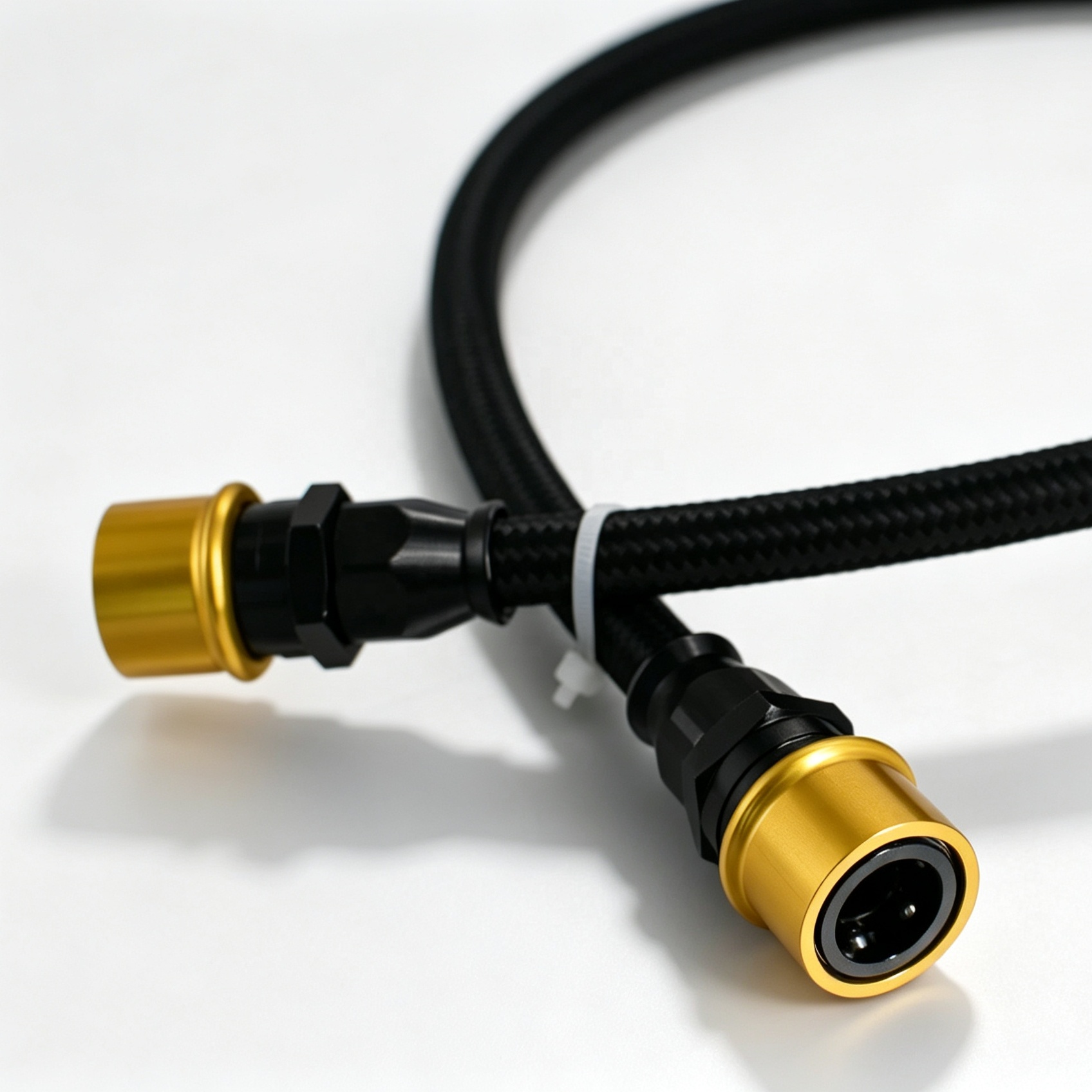
A teflon hose represents one of the most durable fluid transfer solutions available in industrial, automotive, and laboratory applications. Understanding how long a teflon hose typically lasts requires examining material composition, operating conditions, maintenance practices, and application-specific stressors. Most quality teflon hoses deliver reliable performance for 5 to 10 years under normal operating conditions, though premium PTFE tubing can exceed this timeline significantly with proper care.
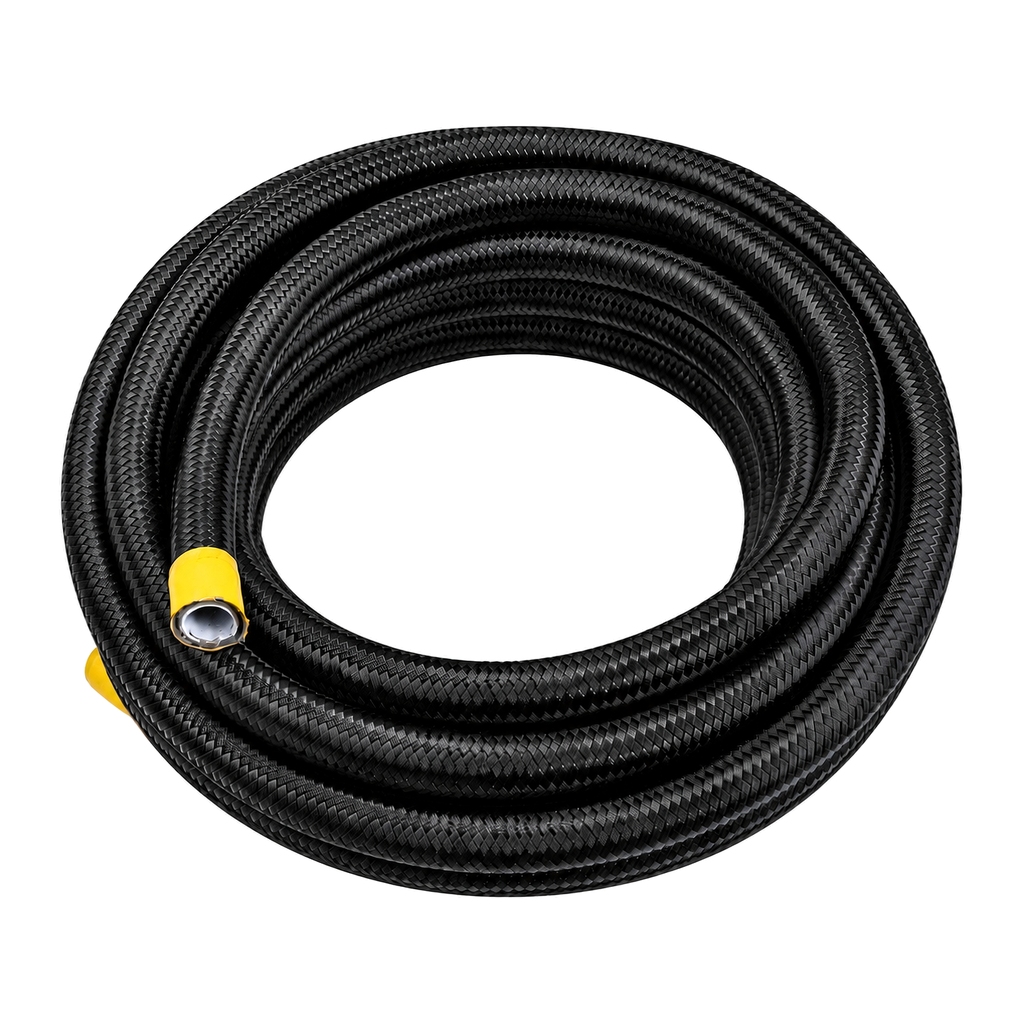
The longevity of fluoropolymer hose assemblies depends on multiple interconnected factors including temperature exposure, pressure cycling, chemical compatibility, installation quality, and environmental storage conditions. Industrial operators and engineers must understand these variables to make informed decisions about hose replacement schedules, inventory management, and cost optimization. This guide explores the realistic lifespan expectations for teflon hoses and the practical strategies that extend service life.
Material Durability and Composition Factors
PTFE Core Properties and Breakdown Resistance
PTFE tubing exhibits exceptional chemical resistance, low friction characteristics, and thermal stability that distinguish it from standard rubber hoses. The fluoropolymer hose structure remains inert to virtually all industrial solvents, acids, and caustic solutions, preventing material degradation from chemical attack. This resistance translates directly to extended service intervals compared to elastomer-based alternatives that gradually swell, soften, or become brittle when exposed to harsh chemicals.
The teflon hose core material maintains structural integrity across a wide temperature range, typically functioning effectively from cryogenic conditions near absolute zero to temperatures exceeding 500 degrees Fahrenheit. Premium PTFE tubing formulations include reinforcing fibers and advanced processing techniques that further enhance strength and puncture resistance. Manufacturers engineer chemical resistant tubing with precise wall thicknesses that balance flexibility with burst pressure capacity, ensuring decades of reliable operation when properly selected for the application.
Reinforcement Materials and Braiding Impact
Nylon braiding and stainless steel wire reinforcement significantly influence teflon hose longevity by containing internal pressure and preventing hose expansion or collapse. The outer braid layer protects the fluoropolymer hose from abrasion, UV exposure, and physical damage that would otherwise compromise the PTFE tubing core. Quality reinforcement ensures that the assembly maintains structural integrity through thousands of pressure cycles without developing weak points or stress concentrations.
Advanced braiding techniques applied to chemical resistant tubing create tight, uniform weaves that distribute loads evenly and resist delamination. The interaction between the teflon hose core and reinforcement layer determines whether the assembly can withstand dynamic flex fatigue in vibrating environments or high-cycle pressure applications. Proper bonding between layers prevents slippage that would accelerate internal wear and reduce the effective service life of the PTFE tubing.
Operating Conditions and Environmental Stressors
Temperature and Pressure Impact on Lifespan
Temperature directly affects teflon hose degradation rates, with elevated heat accelerating polymer chain scission and reducing elasticity over time. Continuous operation at temperatures exceeding 400 degrees Fahrenheit reduces the typical lifespan of fluoropolymer hose significantly, potentially cutting service life in half compared to room-temperature applications. Conversely, cryogenic or low-temperature storage actually preserves PTFE tubing integrity and can extend dormant service life indefinitely.
Pressure cycling represents another critical aging factor for chemical resistant tubing, particularly in applications involving rapid pressure spikes or fluctuating load patterns. Each pressure cycle introduces micro-stresses in the teflon hose structure, gradually weakening the material through cumulative fatigue damage. Industrial systems operating at 3000 psi with minimal pressure variation experience far longer service intervals than applications cycling between 500 and 4000 psi repeatedly, where a typical teflon hose might require replacement after 3 to 5 years despite quality construction.
Fluid Compatibility and Chemical Exposure
While PTFE tubing demonstrates remarkable chemical resistance compared to standard elastomers, certain exotic solvents and reactive compounds can cause subtle degradation even in premium fluoropolymer hose. Prolonged exposure to hydrofluoric acid, molten alkali metals, or extremely corrosive industrial chemicals occasionally requires replacement intervals shorter than the standard 5 to 10 year timeline. However, chemical resistant tubing outperforms virtually every alternative material in maintaining dimensional stability and mechanical properties when exposed to aggressive fluids.
The teflon hose interior surface maintains smoothness throughout its service life, preventing the buildup of deposits or contaminants that compromise fluid flow in rubber-based alternatives. This consistency ensures that the same chemical resistant tubing assembly delivers reliable performance from installation until replacement, without performance degradation or increased maintenance requirements during the service interval.
Maintenance Practices and Replacement Indicators
Preventive Maintenance and Inspection Protocols
Regular visual inspections of teflon hose assemblies extend service life by identifying potential failure points before catastrophic breakage occurs. Operators should examine braiding for cuts, abrasion damage, or compression zones where the PTFE tubing contacts hard mounting surfaces. Checking connection fittings for leaks, weeping, or corrosion indicates whether the assembly requires replacement or simple re-torquing to restore proper sealing.
Pressure testing at intervals specified by equipment manufacturers reveals whether the fluoropolymer hose maintains rated burst capacity or shows declining pressure retention indicating material fatigue. Documenting inspection dates and findings creates a maintenance history that enables predictive replacement scheduling before failures disrupt production. Many facilities maintain spare teflon hose assemblies prepositioned for rapid deployment, reducing downtime when chemical resistant tubing reaches end-of-service-life conditions.
Recognizing End-of-Life Conditions
Visible cracking, brittleness, or loss of flexibility in PTFE tubing signals that the teflon hose has approached or exceeded recommended replacement intervals. Persistent leaks at fitting connections that resist re-torquing indicate that the hose end compression may have been compromised, reducing seal integrity. Any visible bulging, blistering, or delamination between the braiding and fluoropolymer hose core demands immediate replacement regardless of elapsed service time.
Chemical discoloration or surface degradation on the teflon hose exterior sometimes indicates exposure to aggressive compounds that may have compromised internal material properties. Operating pressures approaching the rated maximum, combined with elevated temperatures and aggressive chemical exposure, suggest that the chemical resistant tubing should be scheduled for planned replacement rather than waiting for failure. Proactive replacement prevents costly production interruptions, environmental spills, or safety incidents that would result from unexpected teflon hose failure in critical systems.
FAQ
What factors most influence teflon hose lifespan?
Temperature, pressure cycling, chemical exposure, installation quality, and reinforcement material integrity represent the primary factors affecting PTFE tubing longevity. Continuous operation at elevated temperatures, frequent pressure fluctuations, and exposure to certain aggressive chemicals reduce expected service life. Proper installation, regular inspection, and adherence to manufacturer specifications extend the typical teflon hose lifespan significantly.
Can fluoropolymer hose last longer than 10 years?
Yes, premium chemical resistant tubing can exceed 10 years of reliable service in favorable conditions involving moderate temperatures, stable pressure operation, and compatible fluids. Applications storing unused teflon hose in protected environments may preserve PTFE tubing integrity for decades. However, most continuously operating systems experience optimal cost-efficiency through replacement within 5 to 10 year intervals based on maintenance data and failure patterns.
How do I extend my teflon hose service life?
Minimize temperature extremes and pressure spikes, protect fluoropolymer hose from physical abrasion and UV exposure, use chemical resistant tubing compatible with your application, and perform regular inspections and maintenance. Proper storage of spare PTFE tubing in cool, dark conditions preserves material properties. Installing hoses with correct fittings, avoiding over-torquing connections, and replacing worn protective sleeves prevents premature aging of your teflon hose assembly.
 EN