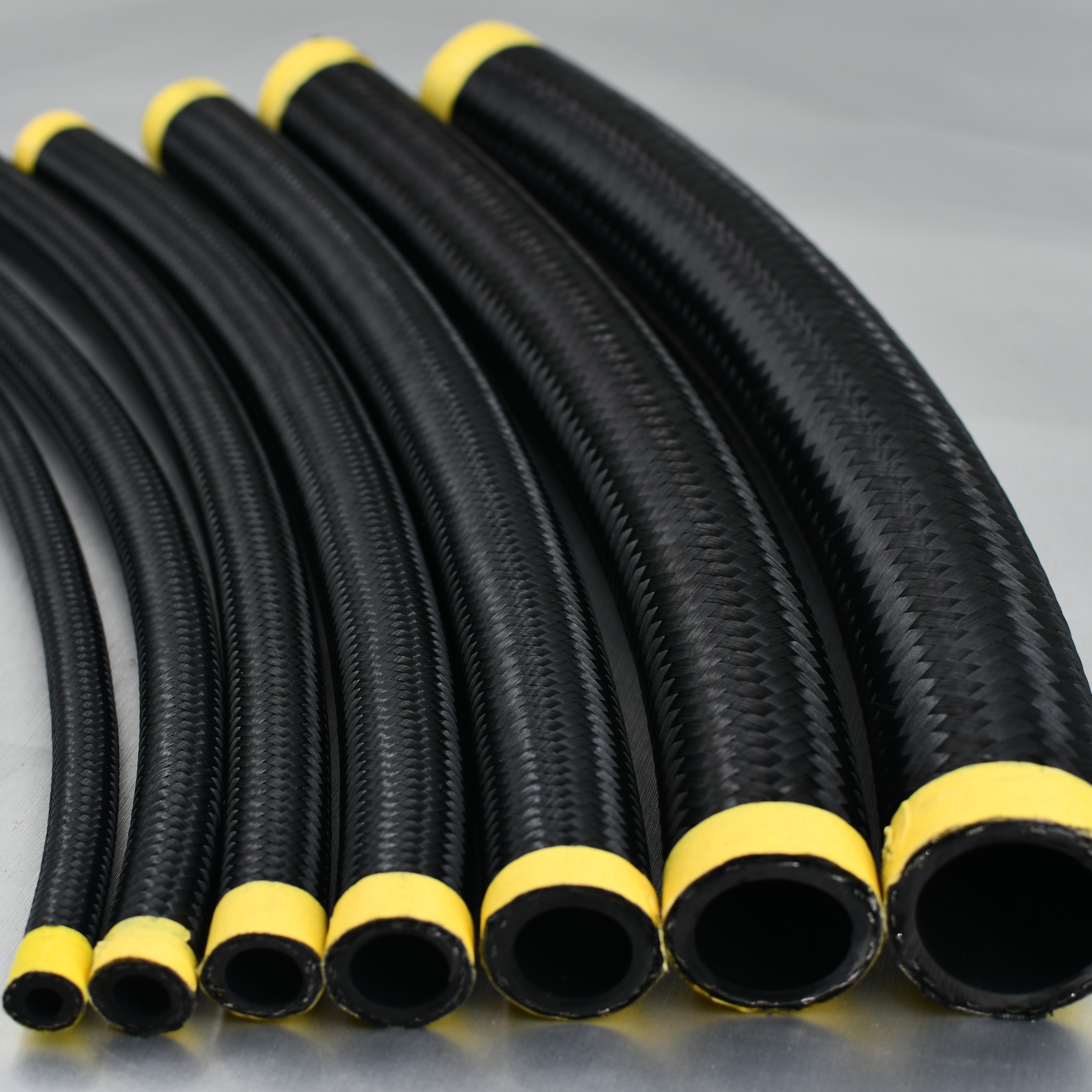
Selecting the appropriate size for a hydraulic hose is one of the most critical decisions in system design and maintenance. An incorrectly sized hydraulic hose can lead to pressure drops, inefficient energy transfer, component failure, and costly downtime. Whether you are designing a new industrial system, replacing worn tubing, or troubleshooting performance issues, understanding the factors that influence hose sizing will help you make informed decisions that ensure reliability and longevity.
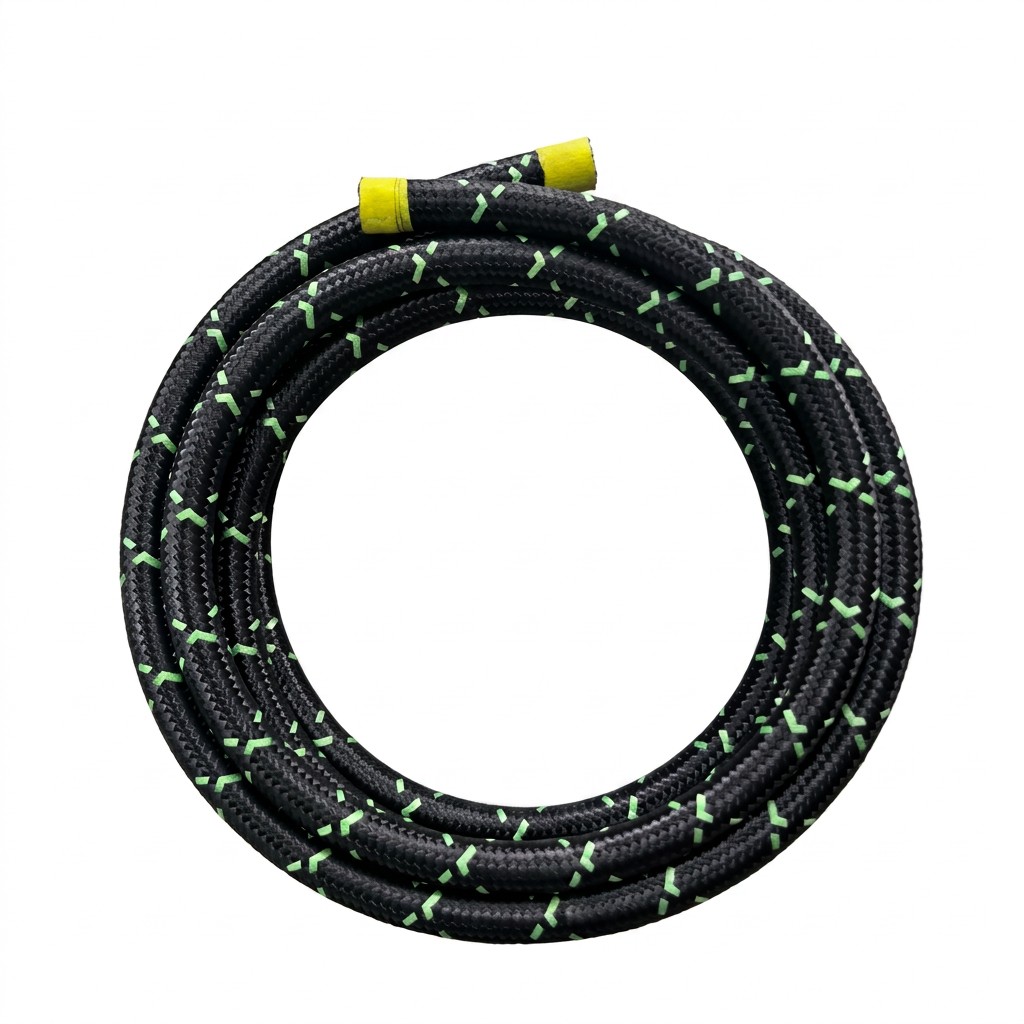
The process of choosing a hydraulic hose involves more than simply picking a diameter from a catalog. You must evaluate system pressure, flow rate, fluid type, environmental conditions, and cost-effectiveness. A properly sized high pressure hose balances performance demands with practical constraints. This guide walks you through the essential criteria and decision logic that professional engineers and maintenance technicians use when selecting the right hose assembly for their applications.
Understanding Flow Rate and Velocity Requirements
Calculating Required Hose Diameter
Flow rate is the foundation of hose sizing. It determines how much hydraulic fluid must travel through the line per unit time, typically measured in gallons per minute or liters per minute. To select the correct diameter, you need to know your system's flow rate and then apply industry velocity standards. The standard recommendation for return lines is 2 to 4 feet per second, while pressure lines typically operate at 10 to 15 feet per second. Suction lines should not exceed 2 feet per second to prevent cavitation. Once you establish your target velocity range, you can use the formula: Hose Area = Flow Rate divided by Velocity. This calculation gives you the internal cross-sectional area needed, which then determines the nominal hose diameter.
Consequences of Improper Sizing
Oversized flexible tubing increases system cost and weight without performance benefit, while undersized tubing generates excessive pressure loss and heat generation. When fluid velocity exceeds recommended limits, friction losses increase exponentially, causing temperature rise that degrades fluid properties and accelerates component wear. Conversely, hose diameters that are too large reduce flow efficiency and waste space in confined installation areas. The proper hydraulic hose diameter balances velocity targets with system constraints, ensuring efficient energy use and extended service life.
Pressure Rating and Material Selection
Matching Hose Assembly Pressure Ratings
System pressure is the second critical variable when sizing a hose assembly. Every hose has a maximum working pressure rating, which must exceed your peak system pressure by a safety factor, typically 4:1 to 6:1. If your system operates at 2000 psi, you need a hose assembly rated for at least 8000 to 12000 psi. The pressure rating depends on hose construction, including the number and type of reinforcement layers, the elastomer material, and the tube thickness. Industrial hydraulic systems commonly use high pressure hose with wire reinforcement for pressures up to 6000 psi, while specialized applications may require hoses rated for 10000 psi or higher. Selecting a hose assembly with adequate pressure capacity prevents catastrophic failure and ensures operational safety.
Thermal and Chemical Compatibility
Beyond diameter and pressure, the internal tube material of your flexible tubing must withstand the hydraulic fluid type used in your system. Mineral oil-based fluids require nitrile rubber tubes, while synthetic or water-based fluids demand different elastomer compounds. Temperature extremes also influence material selection; extreme heat can degrade seals and reduce hose flexibility, while cold environments may cause brittleness. Chemical additives in hydraulic fluids interact with tube materials, so compatibility verification is essential. Selecting a hose assembly with proper material composition prevents swelling, cracking, and leakage that compromise system performance and safety.
Installation Context and Practical Considerations
Bend Radius and Installation Geometry
The physical space where you install the high pressure hose influences size selection. Each hose diameter has a minimum bend radius specification; bending beyond this limit causes kinks, restricts flow, and damages reinforcement layers. In tight installation spaces, you may need to select a smaller hose diameter to achieve the required bend radius, or redesign the routing to accommodate a larger line. Flexible tubing that cannot bend properly becomes a maintenance liability and a safety hazard. Measuring the actual installation geometry before ordering ensures the selected hose diameter fits your system layout without modification or strain.
Cost-Benefit Analysis and Total Cost of Ownership
Hose selection involves balancing initial purchase cost against long-term operational efficiency and reliability. A slightly larger hose assembly may cost more initially but reduces pressure drop, heat generation, and energy losses over time. Conversely, a cost-minimized undersized hose generates higher operating costs through increased energy consumption and more frequent replacement due to thermal stress. Calculating total cost of ownership includes hose price, installation labor, energy efficiency, maintenance frequency, and downtime risk. Professional hose selection considers these factors holistically rather than optimizing for lowest price alone. This approach ensures your chosen flexible tubing delivers reliable performance throughout its design life.
FAQ
What happens if I choose a hydraulic hose that is too small?
An undersized hydraulic hose causes excessive fluid velocity, leading to pressure drops, heat generation, and accelerated degradation of hydraulic fluid and components. The system must work harder to achieve desired flow rates, consuming more energy and generating heat that reduces fluid viscosity and accelerates seal wear. Long-term operation with undersized hose results in frequent maintenance, poor system efficiency, and higher operational costs.
How do I determine the correct working pressure rating for a hose assembly?
Multiply your system's maximum operating pressure by a safety factor of 4 to 6, then select a high pressure hose rated at or above that calculated value. For example, if your system reaches 2500 psi, choose hose assembly rated for 10000 to 15000 psi. Always verify the pressure rating matches your specific fluid type and temperature range, as these conditions affect hose performance and durability.
Can I use the same flexible tubing for pressure and return lines?
No, pressure lines and return lines have different requirements. Pressure lines require high pressure hose with reinforcement to withstand peak system pressure, while return lines can use lower-rated flexible tubing since they operate at minimal pressure. Using a pressure-rated hose for return flow wastes cost and weight, while using low-pressure tubing for pressure applications creates safety hazards and system failures. Select appropriate hose assembly specifications based on the actual line function.
 EN