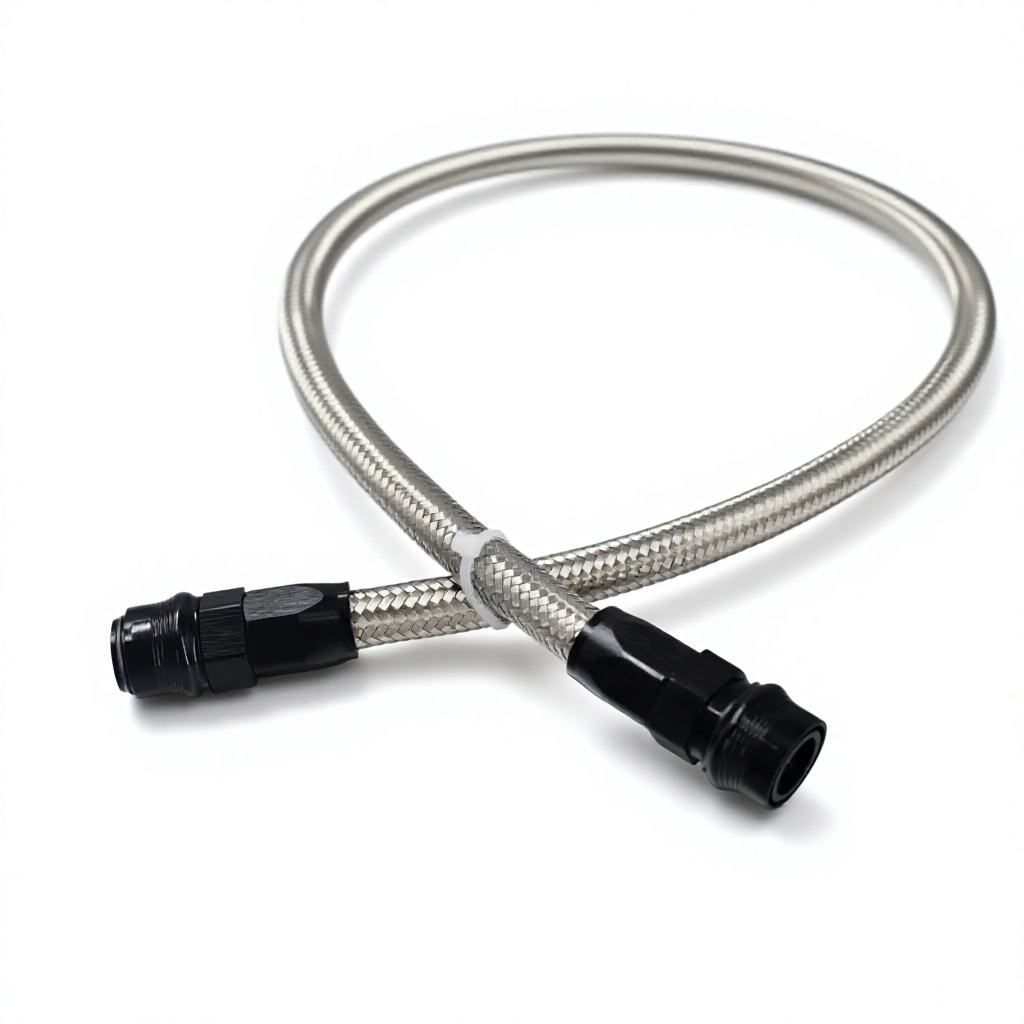
Extending the lifespan of an industrial hose is one of the most effective ways to reduce operational costs and maintain system reliability. An Industrial Hose that fails unexpectedly can lead to production downtime, safety hazards, and expensive emergency replacements. By implementing strategic maintenance practices and understanding the factors that degrade hose performance, facility managers and maintenance teams can significantly extend equipment life and improve overall system efficiency.
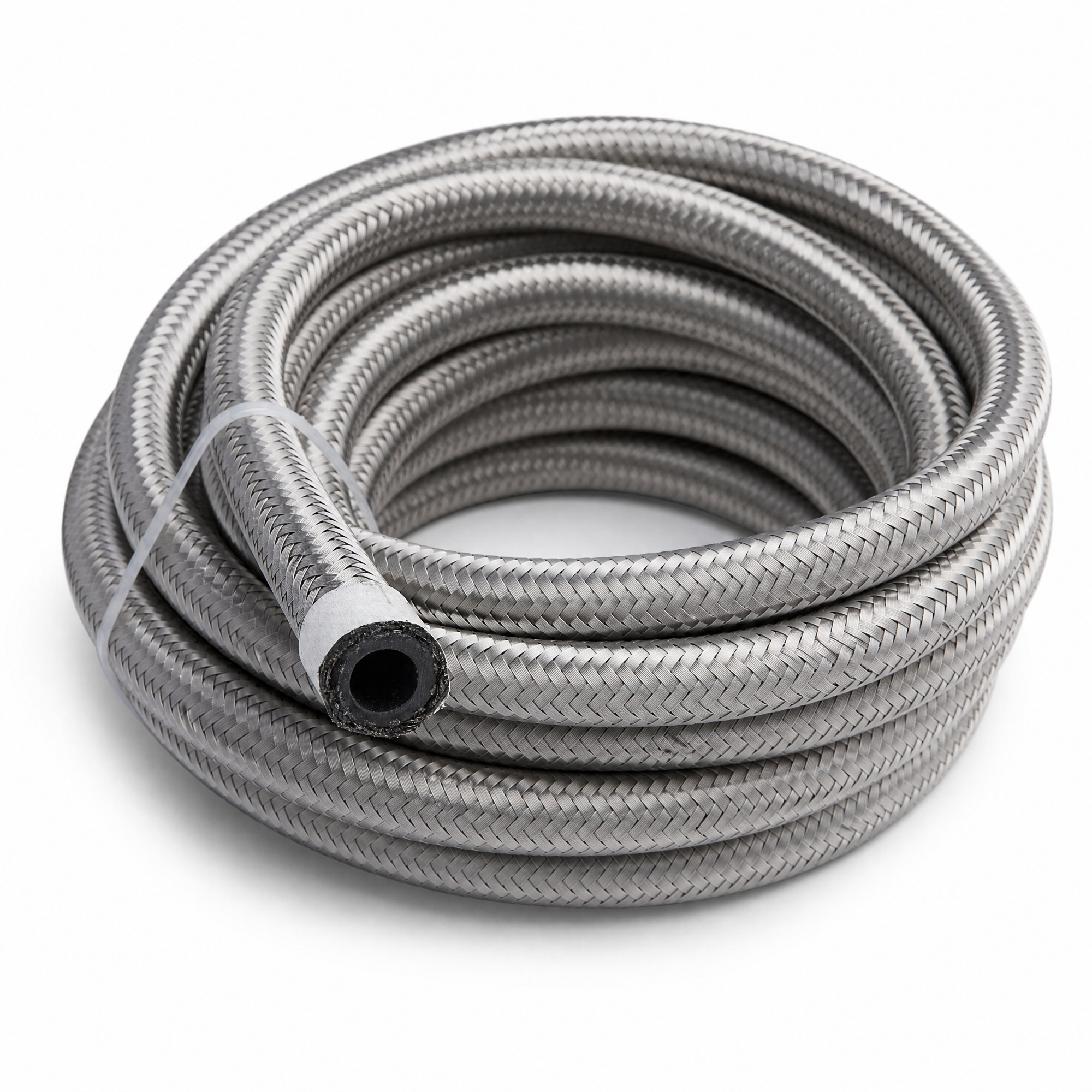
Industrial hose systems operate under demanding conditions including high pressure, temperature fluctuations, chemical exposure, and mechanical abrasion. The durability of a hydraulic hose assembly depends not only on initial material quality but also on how well the system is maintained throughout its operational life. Understanding degradation mechanisms and proactive maintenance strategies allows organizations to optimize their investments while ensuring safe, consistent performance.
Understanding Hose Degradation Factors
Pressure and Mechanical Stress
Excessive pressure is one of the primary causes of industrial hose failure. When a hydraulic hose assembly operates beyond its rated pressure specifications, the inner tube and reinforcement layers experience accelerated fatigue and micro-tearing. Over time, these small ruptures weaken the structural integrity of the hose, eventually leading to complete failure. Mechanical stress from vibration, abrasion against sharp edges, and repetitive bending also contributes significantly to hose degradation.
To mitigate these issues, operators should regularly monitor system pressure and ensure it remains within manufacturer specifications. Installing protective sleeves or routing hoses away from sharp surfaces reduces mechanical wear. Additionally, securing hoses with proper clamps prevents excessive movement and vibration-induced damage that shortens service life.
Temperature and Environmental Exposure
Temperature extremes accelerate the breakdown of hose materials, particularly the elastomeric components. High temperatures cause the rubber to harden and lose flexibility, while extreme cold can make materials brittle and prone to cracking. Chemical resistant tubing is specifically designed to handle corrosive environments, but even these specialized hoses require protection from direct sunlight, ozone, and extreme thermal conditions.
Facility managers should insulate hoses in high-temperature applications and shield them from direct UV exposure when possible. Choosing the appropriate material grade for your specific operating environment is essential. For facilities working with aggressive chemicals or volatile compounds, chemical resistant tubing provides superior protection and extends effective service intervals.
Maintenance Practices That Extend Hose Performance
Regular Inspection and Monitoring
Establishing a systematic inspection schedule is fundamental to extending hose lifespan. Monthly visual inspections should check for visible cracks, bulges, leaks, discoloration, and signs of abrasion on the outer cover. Early detection of minor damage allows for timely intervention before problems escalate into costly failures. A high pressure hose system should be inspected more frequently, particularly in critical applications where failure poses significant safety or production risks.
Documentation of inspection findings creates a maintenance history that helps predict failure patterns and optimize replacement timing. Digital monitoring systems can track pressure fluctuations and temperature changes in real-time, alerting maintenance teams to abnormal conditions before they cause damage. This proactive approach transforms hose maintenance from reactive emergency response to strategic lifecycle management.
Fluid Quality and System Cleanliness
The quality of hydraulic fluid directly impacts how long a hydraulic hose assembly will function reliably. Contaminated fluid containing particles, moisture, and degraded additives accelerates internal wear and promotes corrosion within the hose. Regular fluid analysis and filtration maintenance prevent particulate buildup that would otherwise damage internal hose components and fittings.
Implementing robust filtration strategies and maintaining appropriate fluid change intervals ensures that your high pressure hose system operates in a clean environment. Keeping fluid moisture levels low prevents internal corrosion and extends the effective lifespan of both the hose and connected hydraulic components. This preventive investment pays dividends through reduced failures and improved system reliability.
Selection and Installation Best Practices
Choosing the Right Hose Specification
Selecting an industrial hose with appropriate pressure ratings, temperature ranges, and material compatibility is the foundation for extended service life. Undersizing a hose by choosing one rated below actual system requirements creates chronic overstress that accelerates failure. Conversely, oversizing provides unnecessary cost without proportional benefit. The critical factor is matching hose specifications precisely to your application's demands, including potential surge pressures and temperature variations.
Chemical resistant tubing becomes mandatory when your system handles solvents, oils, or corrosive substances. Standard rubber hoses will deteriorate rapidly in such environments, while purpose-designed chemical resistant options maintain integrity throughout their intended service life. Consulting manufacturer technical data ensures you specify hoses that will perform optimally under your exact operating conditions.
Proper Installation and Routing
How an industrial hose is installed significantly influences its longevity. Proper routing avoids sharp bends, extreme temperature zones, and contact with moving machinery or hot surfaces. Bends tighter than manufacturer specifications create internal stress that compromises the reinforcement layers of a hydraulic hose assembly. Using appropriate bend restrictors and support clamps distributes stress evenly and prevents mechanical damage.
Ensuring correct fitting installation prevents leaks that lead to progressive hose degradation and system failure. Proper torque specifications must be followed during assembly, and periodic retightening after initial service hours helps maintain integrity. A high pressure hose system functions reliably only when every connection point is mechanically sound and properly maintained throughout its operational life.
FAQ
How often should industrial hoses be inspected for optimal lifespan extension?
Industrial hose inspections should occur monthly as a minimum standard, with more frequent checks for critical applications or high pressure hose systems. Applications involving chemical resistant tubing in aggressive environments may require bi-weekly assessments. Any visible signs of damage, leaking, or unusual wear patterns warrant immediate investigation and potential replacement of the affected hydraulic hose assembly.
What is the recommended approach to replacing hydraulic hose assemblies before catastrophic failure?
Strategic replacement before failure occurs involves establishing service life benchmarks based on manufacturer recommendations and observed condition trends. Most industrial hose systems benefit from replacement intervals between 3 to 5 years, though this varies significantly based on operating intensity and environmental factors. Replacing hoses proactively during scheduled maintenance windows prevents unexpected downtime and maintains system safety and performance.
Can chemical resistant tubing significantly extend service life in corrosive environments?
Yes, chemical resistant tubing is specifically engineered to withstand exposure to aggressive substances that would rapidly degrade standard hoses. When your operation involves solvents, acids, or reactive chemicals, specifying appropriate chemical resistant materials can extend hose lifespan by 50% or more compared to unsuitable alternatives. Matching material composition to your specific chemical environment ensures maximum durability and reliable performance from your high pressure hose system.
 EN