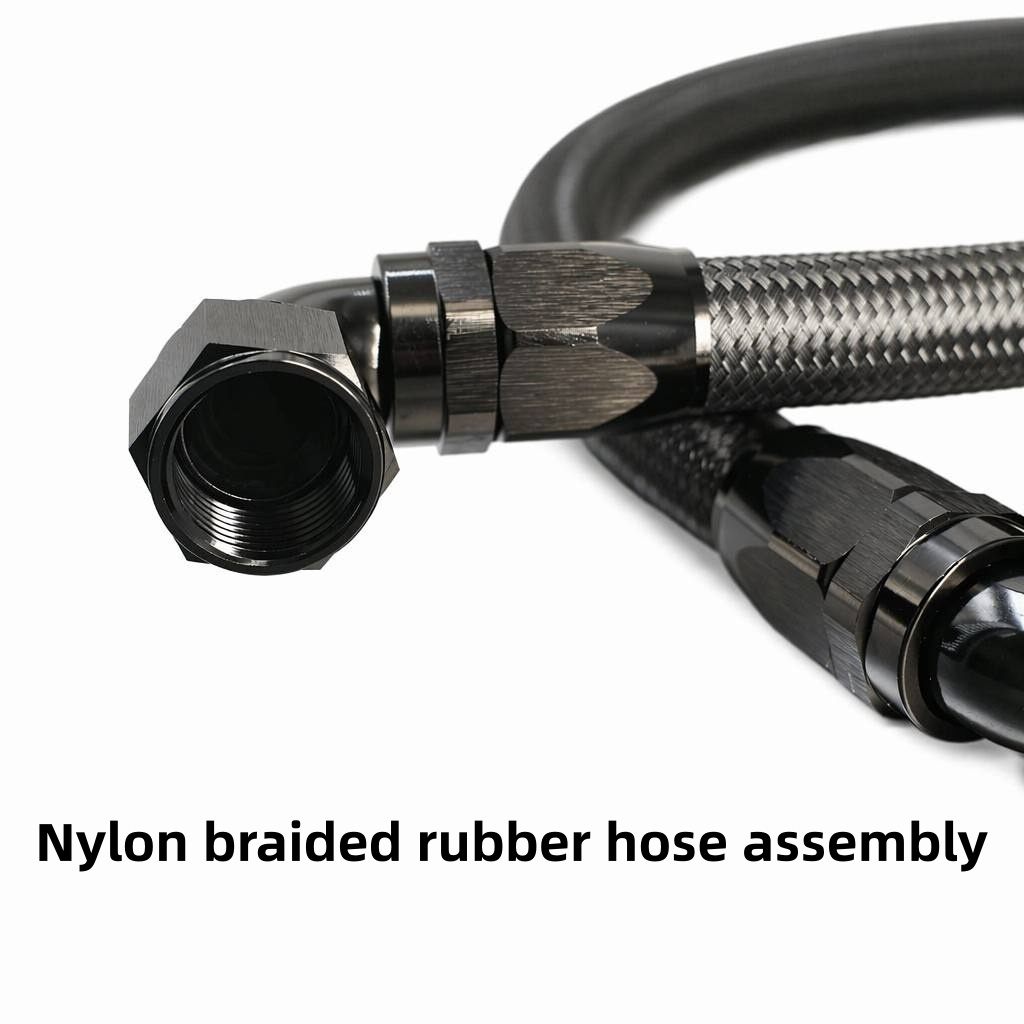
Extending the lifespan of a high pressure hose is essential for maintaining operational efficiency and reducing equipment downtime in industrial, automotive, and hydraulic systems. These critical components operate under extreme conditions, making their durability directly impact your operational budget and system reliability. Understanding the factors that affect longevity and implementing proper care strategies can significantly extend service life and prevent costly failures.
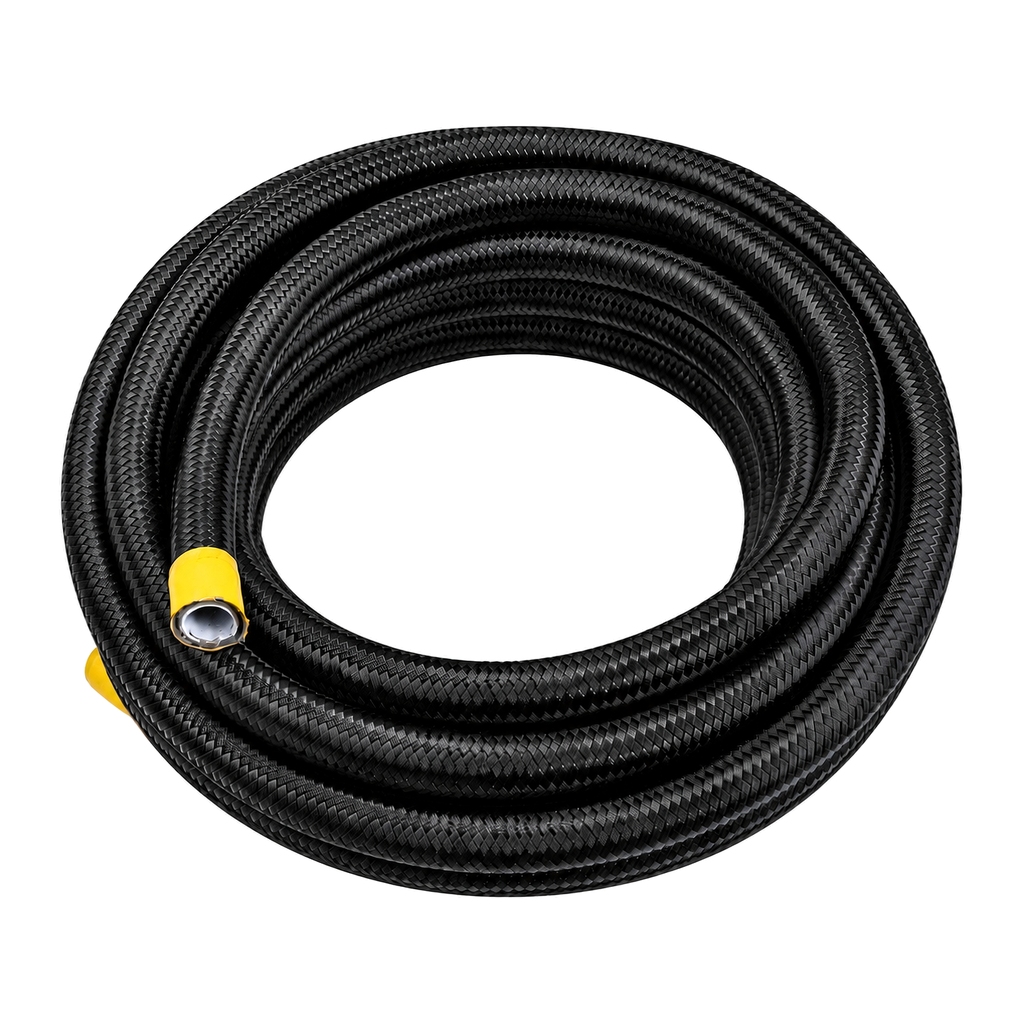
High pressure hose performance depends on multiple interconnected variables including material composition, operating conditions, installation quality, and maintenance frequency. By addressing each element systematically, you can achieve maximum durability and consistent performance across your applications. This comprehensive guide covers practical strategies that professionals use to optimize hose lifespan in demanding environments.
Material Selection and High Pressure Hose Specifications
Choosing the Right Material Composition
The foundation of hose longevity begins with understanding high pressure hose specifications and selecting appropriate materials for your specific application. Different high pressure hose materials offer varying resistance to temperature extremes, chemical exposure, and mechanical stress. Synthetic rubbers like PTFE and nylon provide superior performance in extreme conditions compared to natural rubber alternatives. Selecting materials with proper tensile strength, abrasion resistance, and temperature ratings ensures your hose withstands operational demands without premature degradation.
Reinforcement Layer Optimization
High pressure hose materials include braided wire or textile reinforcement layers that provide structural integrity under stress. The number of braiding layers, wire gauge, and material type directly influence how effectively the hose resists pressure spikes and external mechanical damage. Premium reinforcement configurations using stainless steel wire or synthetic fibers distribute pressure evenly, preventing localized weakening that leads to failure. Investing in properly reinforced hoses reduces unexpected ruptures and extends overall service intervals significantly.
Installation and Environmental Management Practices
Proper Installation Techniques
Correct installation establishes the foundation for optimal high pressure hose applications and performance longevity. Improper fitting connections, excessive bending, or installation routing that creates stress concentration points accelerates wear and failure. When installing high pressure hose systems, avoid sharp bends that exceed the hose's minimum bend radius specification, which varies by hose construction and pressure rating. Secure the hose properly using clips and supports that prevent vibration, abrasion against adjacent components, and unnecessary flexing during operation.
Environmental Protection Strategies
Environmental factors significantly impact high pressure hose materials and their durability characteristics. Exposure to ultraviolet radiation degrades outer covers and reduces material flexibility over time. Chemical contact from oils, solvents, or incompatible fluids causes swelling, brittleness, or dissolution of hose components. Temperature fluctuations create expansion and contraction cycles that stress internal structures and connection points. Protecting hoses through insulation, shielding, or routing away from heat sources and chemical exposure areas preserves material integrity and extends service life substantially.
Maintenance Protocols and Performance Monitoring
Regular Inspection and Preventive Maintenance
Systematic inspection routines detect early degradation signs before failures occur, making prevention more cost-effective than replacement. Visually examine hoses quarterly for surface cracks, leaks, bulging, or discoloration indicating material degradation or pressure damage. Check connection fittings for seepage or loose clamps that compromise system integrity. Document inspection findings and establish replacement schedules based on condition assessment rather than arbitrary timeframes, allowing you to maximize hose lifespan while maintaining safety.
Operational Parameter Control
Operating systems within designed pressure and temperature limits extends hose durability dramatically compared to applications experiencing frequent pressure spikes or temperature excursions. High pressure hose applications perform optimally when actual operating conditions remain 20 to 30 percent below maximum rated specifications. This safety margin absorbs occasional pressure transients without material stress accumulation. Implementing pressure relief valves, temperature monitoring systems, and operational controls prevents overload conditions that accelerate aging. Clean fluid maintenance removes particulates that internally damage hose walls and promote failure initiation points.
Advanced Strategies for Maximum Longevity
Fluid Quality and System Cleanliness
High pressure hose specifications require compatible fluid that maintains system integrity throughout the hose's service life. Contaminated hydraulic or pneumatic fluid introduces abrasive particles that create internal wear, reducing effective lifespan by 50 percent or more. Implementing robust filtration systems, regular fluid analysis, and scheduled fluid replacement programs protects internal hose surfaces from degradation. Using fluids formulated for high pressure hose applications with appropriate viscosity grades ensures optimal seal function and material compatibility, preventing premature internal failure.
System Integration and Load Management
Integration of proper system architecture supports hose longevity by distributing stress evenly and preventing localized failure points. Oversized hoses relative to flow requirements reduce internal fluid velocity, decreasing turbulent wear and heat generation. Proper hose routing that eliminates sharp corners and unnecessary length reduces mechanical stress and vibration exposure. Redundant or dual hose configurations for critical applications distribute load and provide backup protection against single-point failures. These engineering considerations maximize the investment value of high pressure hose materials and specifications throughout extended service cycles.
FAQ
What is the typical lifespan of a well-maintained high pressure hose?
A properly selected and maintained high pressure hose typically lasts 5 to 10 years in industrial applications, though some systems achieve 15 years or longer. Lifespan varies significantly based on high pressure hose specifications, application intensity, environmental exposure, and maintenance diligence. High pressure hose materials and operating conditions determine whether your system approaches the minimum or maximum service range. Regular inspection and adherence to maintenance protocols consistently push hoses toward their upper lifespan potential.
How does pressure rating relate to high pressure hose lifespan?
Operating within 70 to 80 percent of maximum pressure ratings significantly extends hose lifespan by reducing material stress and fatigue accumulation. Exceeding design pressure limits by even small margins creates exponential wear acceleration that rapidly shortens service life. High pressure hose specifications clearly define safe operating windows, and respecting these parameters is fundamental to achieving intended durability. Many systems experience 50 to 100 percent lifespan reduction when routinely operated beyond design specifications, making pressure control essential for longevity.
Can temperature fluctuations damage high pressure hose applications?
Yes, temperature cycling significantly stresses high pressure hose materials by creating expansion and contraction cycles that progressively weaken connections and internal structures. Extreme temperature swings, particularly between freezing and high heat conditions, accelerate material degradation and reduce lifespan substantially. Proper insulation, controlled system design, and selection of high pressure hose materials rated for your temperature range mitigate thermal stress effects. Maintaining consistent operating temperatures within the hose manufacturer's specifications preserves material properties and extends service intervals effectively.
 EN