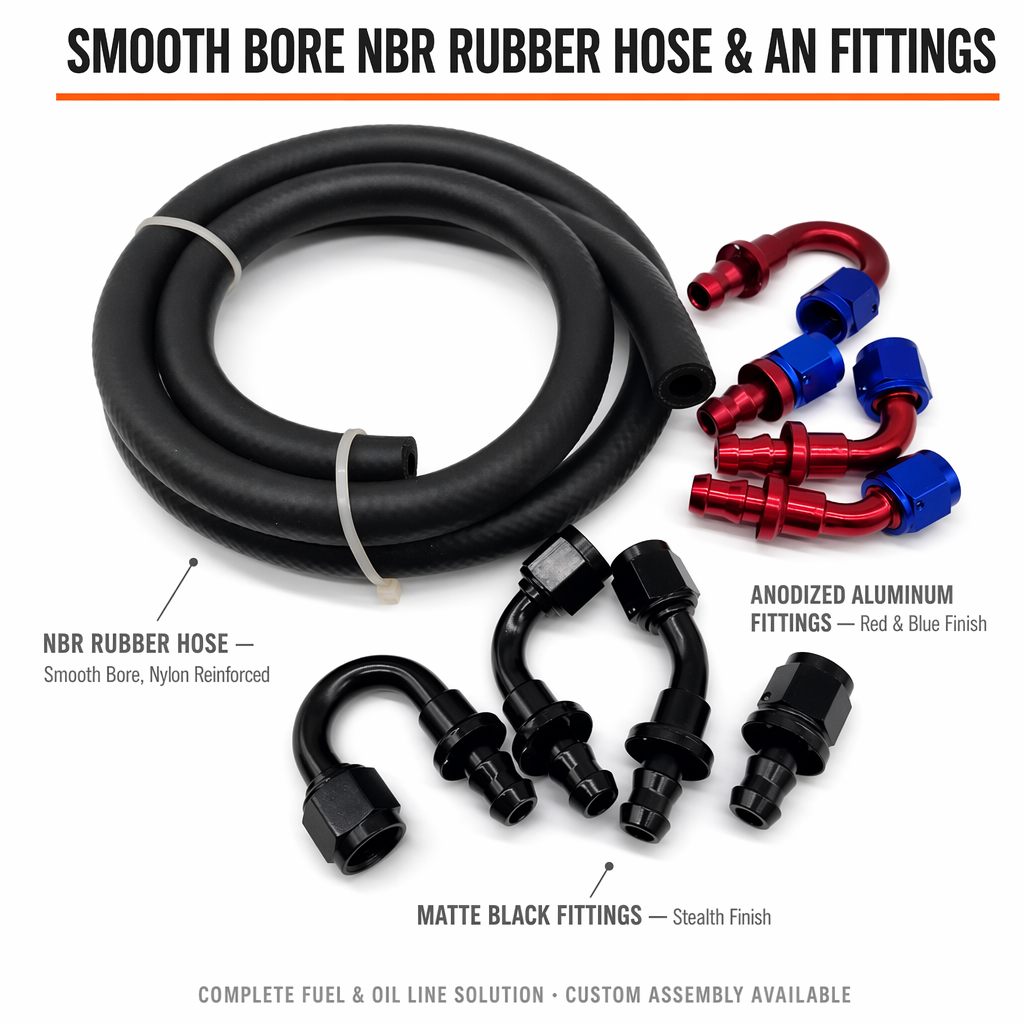
Extending the lifespan of rubber tubes is a critical concern for industries relying on fluid transfer, hydraulic systems, and pneumatic applications. Rubber tubes degrade over time due to environmental exposure, chemical interaction, pressure fluctuations, and mechanical stress. Understanding how to properly maintain and protect your rubber tubes can significantly reduce replacement costs, minimize system downtime, and improve operational reliability across manufacturing, construction, automotive, and agricultural sectors.
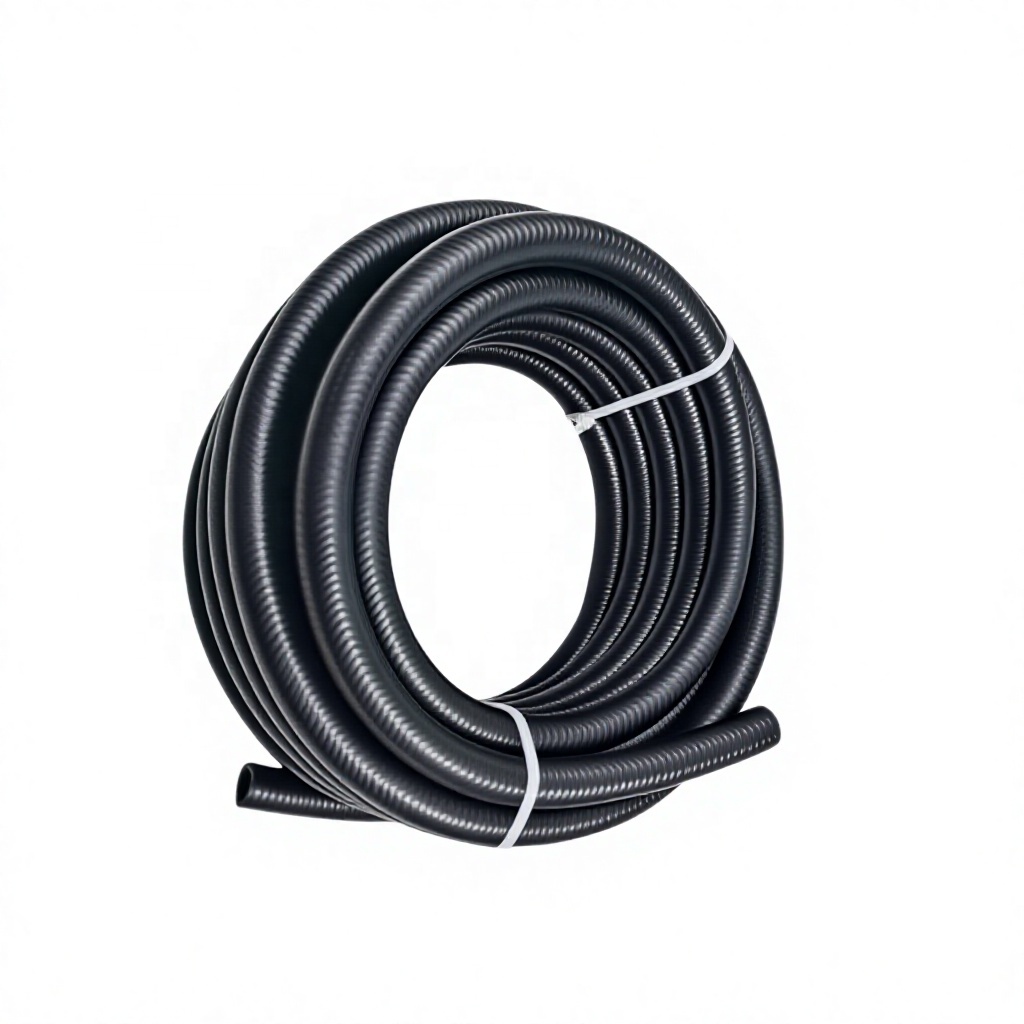
The durability of flexible rubber hoses depends on multiple interconnected factors including material composition, installation quality, environmental conditions, and ongoing maintenance practices. When industrial rubber tubing is subjected to excessive heat, UV radiation, chemical exposure, or mechanical abrasion, the rubber compound begins to harden, crack, and lose elasticity. Implementing preventive maintenance strategies and understanding the specific demands of your application allows you to maximize service life and achieve better return on investment in your fluid management infrastructure.
Proper Installation and Support Systems
Correct Mounting Techniques for Extended Durability
How you install rubber tubes directly impacts their longevity and performance. Avoid sharp bends, kinks, and excessive stress points that concentrate pressure unevenly across the hose wall. When installing industrial rubber tubing, use proper cable trays, clamps, and routing that maintain the manufacturer's recommended minimum bend radius. Incorrect installation creates weak points where cracks initiate and failure accelerates, even in high-quality tubing systems.
Support your flexible rubber hoses at regular intervals using appropriate clamps that grip without crushing the outer layer. Metal-to-rubber contact without protective padding can cause abrasion and deterioration. Use cushioned clamps or wrap critical sections with protective sleeves to prevent direct friction against mounting surfaces, equipment edges, or other infrastructure components that move during operation.
Managing System Pressure and Flow Conditions
High-pressure rubber conduits are engineered to withstand specific pressure ranges, but operating consistently at maximum rated pressure accelerates aging and material degradation. Maintain working pressures 10 to 20 percent below the maximum rated capacity to extend service life significantly. Pressure spikes, water hammer effects, and sudden flow surges create temporary overpressure conditions that stress the tube structure and internal reinforcement layers.
Install pressure relief valves and damping devices to smooth flow transitions and protect your rubber tubes from pressure shocks. Monitor system performance regularly to detect pressure anomalies that may indicate downstream restrictions or developing component failures. Consistent, steady-state operation at moderate pressure levels substantially increases the lifespan of industrial rubber tubing compared to variable or aggressive duty cycles.
Environmental Protection and Storage Best Practices
Temperature Control and UV Exposure Prevention
Temperature extremes degrade rubber compounds rapidly through accelerated oxidation and material brittleness. Store rubber tubes in temperature-controlled environments between 50 and 80 degrees Fahrenheit when not in use. Extended exposure to direct sunlight causes UV radiation to break down the rubber polymer matrix, creating surface crazing and internal weakness that leads to premature failure.
When installing flexible rubber hoses in outdoor or sunlit environments, use UV-resistant protective coverings, opaque sheathing, or heat-reflective wrapping materials. In industrial applications where temperature regulation is impossible, select high-temperature rated rubber tubing formulations specifically engineered to withstand thermal stress. Regular inspection of exposed sections allows early detection of UV damage before it compromises system integrity.
Chemical Compatibility and Contamination Prevention
Different fluids interact differently with rubber compounds, causing swelling, softening, or hardening depending on the chemical composition of your transported media. Verify that your high-pressure rubber conduits are compatible with all fluids they contact, including primary liquids, additives, residual cleaning agents, and potential contamination sources. Incompatible chemicals dissolve or degrade the rubber structure internally, creating failure zones long before external wear becomes visible.
Maintain system cleanliness by implementing proper filtration, regular flushing protocols, and sealed storage for unused hoses. Dust, moisture, and debris accumulation on tube exteriors traps contaminants against the rubber surface, accelerating oxidation and cracking. Keep industrial rubber tubing stored in clean, dry conditions protected from ground contact, standing water, and direct chemical splash exposure.
Inspection, Maintenance, and Replacement Planning
Scheduled Inspection Protocols and Early Warning Signs
Develop a preventive inspection schedule appropriate for your application's criticality and operating conditions. Quarterly visual inspections of rubber tubes should document surface condition, discoloration, hardness, visible cracks, and any loss of flexibility. Early detection of degradation allows planned maintenance and controlled component replacement before catastrophic failure disrupts production.
Document baseline conditions and track changes over time to establish realistic replacement intervals for your specific operation. When rubber tubes show consistent discoloration, reduced elasticity, or fine surface cracking, plan replacement within the next maintenance window rather than waiting for complete failure. This proactive approach prevents unexpected emergency repairs, emergency downtime, and secondary damage to connected equipment.
Strategic Replacement and Performance Benchmarking
Establish replacement cycles based on actual operating history, application intensity, and documented failure patterns rather than manufacturer guidelines alone. High-pressure rubber conduits in continuous, demanding service may require replacement every 3 to 5 years, while intermittent-use flexible rubber hoses may last 7 to 10 years with proper care. Maintain detailed records of installation dates, operating conditions, maintenance activities, and failure modes to inform future procurement and maintenance planning.
When selecting replacement rubber tubes, consider upgrading to enhanced material formulations, superior reinforcement structures, or advanced protective coatings that provide longer service life despite higher initial cost. The total cost of ownership including installation labor, system downtime, and disposal often favors premium-grade industrial rubber tubing over budget alternatives requiring more frequent replacement cycles.
FAQ
What is the typical lifespan of industrial rubber tubing under normal operating conditions?
The lifespan of industrial rubber tubing typically ranges from 3 to 10 years depending on application severity, environmental exposure, material quality, and maintenance practices. High-pressure rubber conduits in continuous, demanding service may fail within 3 to 5 years, while flexible rubber hoses in less critical applications can operate for 8 to 10 years or longer with proper care and storage. Regular inspection and preventive maintenance can extend service life significantly beyond manufacturer baseline estimates.
How does storage environment affect rubber tubes when not in use?
Proper storage environment dramatically affects rubber tubes longevity when not in active service. Store flexible rubber hoses in cool, dry, dark conditions between 50 and 80 degrees Fahrenheit away from direct sunlight, ozone sources, and chemical vapors. Humidity, temperature fluctuations, UV exposure, and contact with incompatible materials cause accelerated aging and material degradation even during storage periods. High-quality storage facilities significantly reduce replacement frequency and maintain spare inventory readiness.
Can regular pressure testing help extend the lifespan of rubber tubes?
Regular pressure testing provides valuable information about system health and helps identify developing problems before catastrophic failure occurs. Periodic hydrostatic testing or pressure cycling documentation reveals structural weaknesses, internal damage, and material degradation progression in industrial rubber tubing. These findings inform maintenance decisions and replacement timing, allowing planned interventions that prevent unexpected failures and extend overall system reliability and operational uptime.
 EN