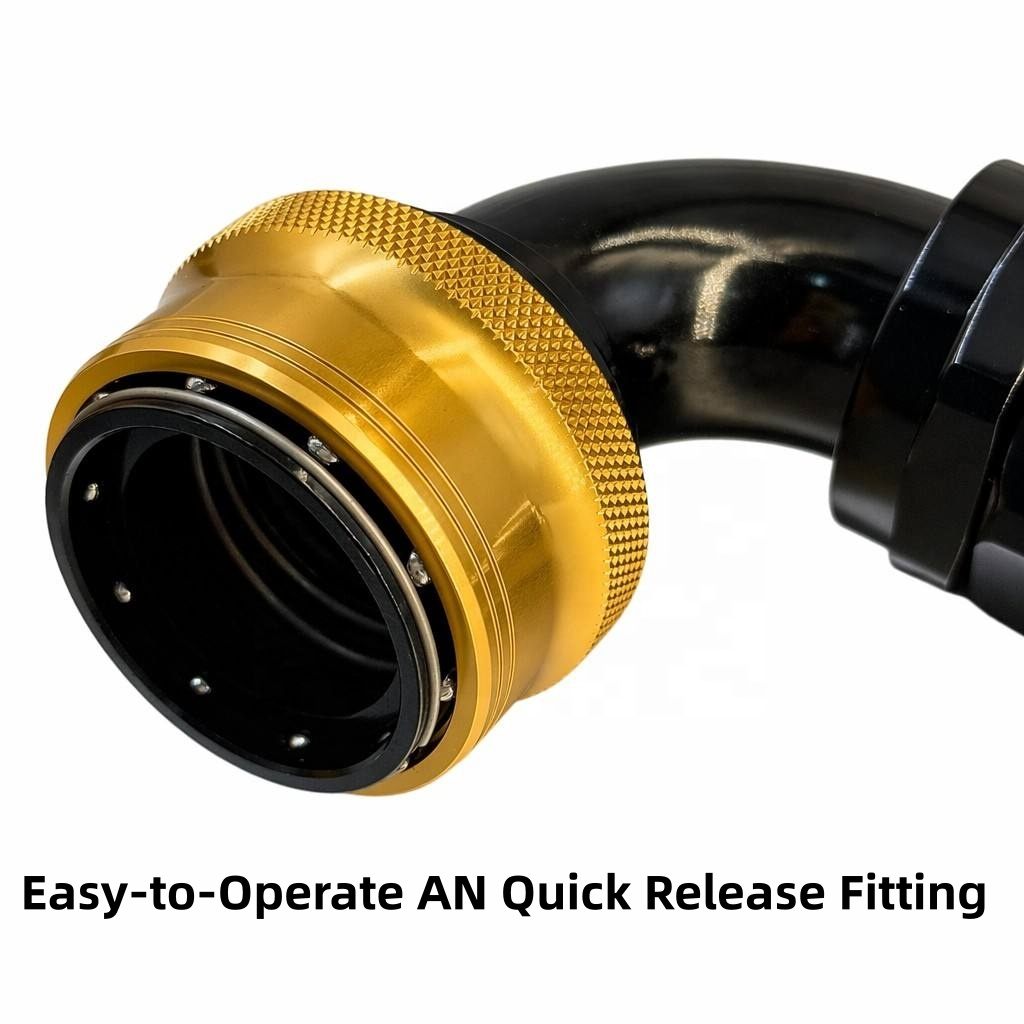
Identifying AN fitting damage signs is essential for maintaining system integrity and preventing costly failures in hydraulic and fuel line applications. An AN fitting serves as a critical connection point in high-pressure systems, and early detection of wear, corrosion, or deformation can save time, resources, and safety risks. Understanding what constitutes damage and recognizing warning signs allows maintenance teams and system operators to take corrective action before leaks or disconnections occur.
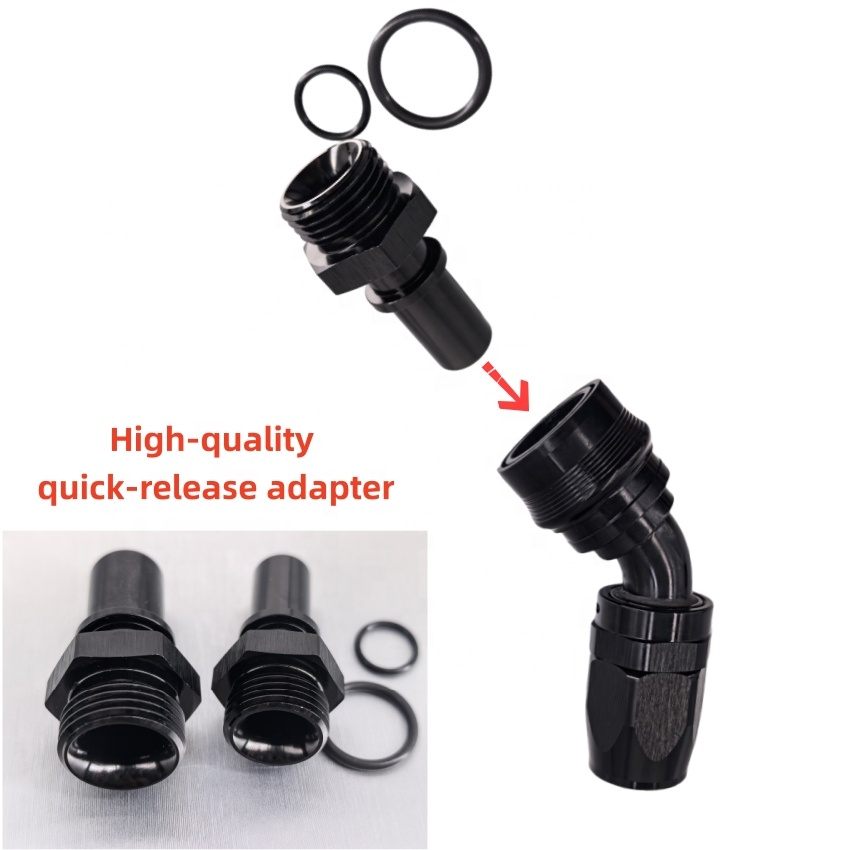
Damage to AN connectors, AN thread adapters, and AN quick disconnect couplings manifests in various forms, each indicating different levels of urgency and underlying causes. Regular visual inspection combined with practical testing methods enables early identification of deterioration before system performance is compromised. This article explores the primary damage indicators, inspection techniques, and maintenance best practices to keep your connections secure and leak-free.
Visual Signs of AN Connector Wear
Surface Corrosion and Oxidation
Corrosion is one of the most common visible damage indicators on AN connectors and AN thread adapters. Environmental exposure, moisture infiltration, and galvanic reactions between dissimilar metals create surface discoloration ranging from light film to deep pitting. Aluminum AN fittings are particularly susceptible to oxidation, which appears as white or gray powdery deposits on the fitting body. Stainless steel AN fittings may show surface rust or dark discoloration if protective passivation is compromised, often due to contamination during installation or improper storage.
Early-stage surface corrosion typically does not affect sealing integrity immediately, but progressive pitting weakens the fitting structure and creates stress concentration points. Visual inspection under adequate lighting reveals small pits or rough texturing on the fitting surface. If corrosion extends to thread areas or seal surfaces, the AN connector may fail to hold pressure. Regular cleaning and protective coatings can arrest mild corrosion, but severe pitting requires fitting replacement to maintain system reliability.
Thread Damage and Stripping
Thread damage on AN thread adapters represents a critical safety concern because compromised threads cannot maintain proper torque or seal effectively. Visible signs include flattened, chipped, or partially missing thread peaks, particularly noticeable on the AN quick disconnect coupling interface. Over-tightening during installation is the primary cause, though repeated assembly and disassembly cycles also contribute to thread degradation. Threads that are galled or have visible scoring indicate metal-to-metal friction during fastening, a sign that installation torque was excessive or lubrication was insufficient.
A damaged AN fitting thread cannot be salvaged through re-machining in field conditions and must be replaced. Attempting to reuse a stripped AN connector risks complete fitting failure under pressure, potentially causing system leaks or connection loss. Technicians should verify thread condition before installation by careful visual examination and gentle hand-threading to detect abnormal resistance or catching sensations.
Pressure Loss and Leakage Patterns
Identifying Slow Leaks
Slow leaks from AN connectors often progress undetected until system performance degrades noticeably. Initial signs include small fluid residue around the fitting base, discoloration on adjacent hoses or components, or unexplained fluid level drops in reservoirs. AN quick disconnect coupling interfaces are common leak points because they experience repeated connect-disconnect cycles that gradually wear sealing surfaces. Microscopic cracks in the AN fitting body, initiated by corrosion or impact damage, may not produce visible dripping but allow steady seepage under pressure.
Detecting slow leaks requires systematic inspection of all AN thread adapter connections under operating pressure or after pressurization. Use absorbent cloth or paper towel placed around suspect fittings to capture small amounts of fluid. Slow leaks that persist after retightening indicate seal degradation or internal fitting damage rather than installation issues. Thermal imaging can also reveal temperature anomalies at leak sites where fluid evaporation creates cooling effects.
Catastrophic Failure Indicators
Catastrophic failures of AN fittings present immediate safety hazards and system shutdown conditions. Signs include sudden pressure drops, audible fluid spray from burst connections, or complete disconnection of AN quick disconnect coupling components under load. These failures typically result from severe corrosion, undetected crack propagation, or impact damage that compromised fitting structural integrity. Previous exposure to extreme temperatures, thermal cycling, or mechanical shock can weaken the fitting material and trigger sudden failure.
Post-failure analysis of damaged AN connectors often reveals multiple contributing factors working simultaneously, such as corrosion weakening combined with over-pressure cycles. Preventing catastrophic failure requires implementing preventive replacement schedules based on application severity and environmental conditions, particularly in demanding industries like racing or aerospace where system reliability is non-negotiable.
Deformation and Physical Damage Assessment
Dents, Bends, and Impact Marks
Physical deformation of AN fittings compromises their structural geometry and sealing capability. Dents or bends on the AN connector body, particularly on the hex shoulder, reduce surface contact area and create stress concentrations that propagate into cracks. Impact damage from dropped tools, vibration-induced contact with surrounding components, or rough handling during installation leaves visible marks on the fitting surface. These marks should be examined carefully because they may indicate subsurface material damage extending beyond the visible dent.
Bent AN thread adapters no longer maintain coaxial alignment within the installed system, creating uneven pressure distribution and accelerated wear on mating surfaces. A fitting that appears slightly bent should be removed and replaced rather than reused, because material fatigue from bending reduces its pressure rating and service life. Preventive measures include protective wrapping during transport, careful handling during installation, and vibration isolation in high-vibration applications.
Swelling and Material Degradation
Chemical incompatibility between the AN fitting material and the fluid system can cause visible swelling, discoloration, or surface flaking on the fitting. Certain synthetic fluids or additives interact with aluminum or other materials, creating oxidation or corrosion that manifests as bulging or puffed surfaces. Similarly, extreme temperature exposure may cause annealing or stress relief in the fitting material, visible as color changes or texture alterations. These chemical and thermal damage signs require immediate investigation into fluid compatibility and system temperature management.
Material degradation reduces the structural capacity of the AN quick disconnect coupling and AN thread adapters, potentially leading to failure at normal operating pressure. System fluid analysis and compatibility verification with fitting materials should be performed during commissioning and periodically during service life to prevent material incompatibility damage.
FAQ
How often should AN fittings be inspected for damage?
Regular visual inspection of AN connectors should occur at least monthly in normal service conditions, with increased frequency in harsh environments or high-vibration applications. Pressure-critical systems like racing or aerospace applications warrant weekly or even pre-event inspections. After any event involving system depressurization, thermal shock, or mechanical disturbance, inspect all AN thread adapters and AN quick disconnect coupling interfaces for new damage. Document inspection findings to track damage progression trends over time.
Can damaged AN fittings be repaired instead of replaced?
Minor surface corrosion can sometimes be cleaned and protected, but structural damage to AN fittings such as thread stripping, deep pitting, or deformation typically cannot be safely repaired. Attempting to rethread or weld a damaged AN connector compromises its pressure rating and reliability. Cost-effective replacement is the only safe approach for damaged AN quick disconnect couplings or AN thread adapters, particularly in safety-critical applications. Custom or specialty fittings may justify repair investigation, but standard AN components are economical to replace.
What causes AN fitting damage most commonly?
Over-tightening during installation is the leading cause of damage to AN connectors and AN thread adapters, causing thread stripping and galling. Environmental corrosion, particularly in marine or high-humidity settings, creates progressive pitting and material loss. Fluid incompatibility and exposure to inappropriate temperatures cause chemical or thermal degradation. Mechanical impact, vibration wear, and repeated connection cycles in AN quick disconnect coupling applications contribute to accelerated damage. Proper installation torque, environmental protection, fluid compatibility verification, and preventive maintenance minimize these damage mechanisms.
 EN