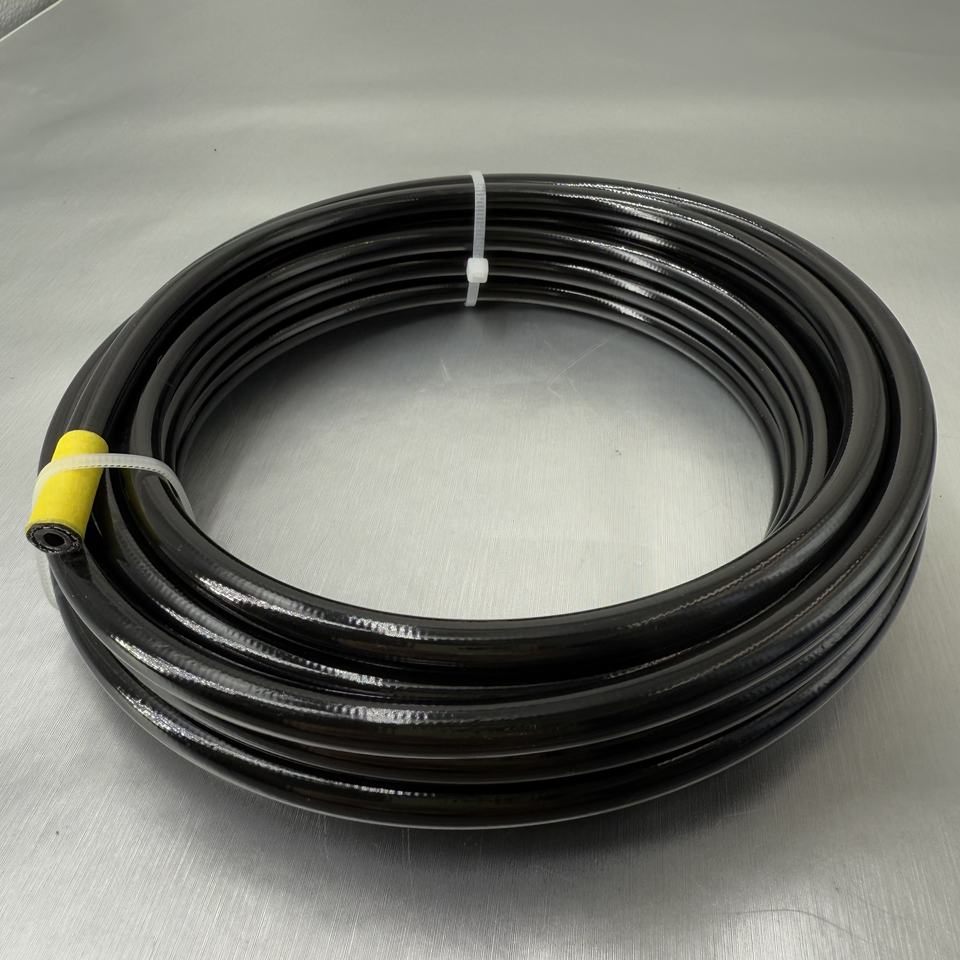
A failing brake hose represents one of the most critical safety risks in any vehicle's braking system. The brake hose carries pressurized fluid from your master cylinder to the wheel calipers, making it essential for stopping power. When a brake hose deteriorates, your ability to brake safely diminishes rapidly, potentially creating dangerous situations on the road. Understanding how to identify brake hose damage signs early can prevent brake failure and protect both your vehicle and your safety. Many drivers overlook warning indicators until a complete brake system failure occurs, which is why recognizing the early stages of brake hose wear is absolutely vital.
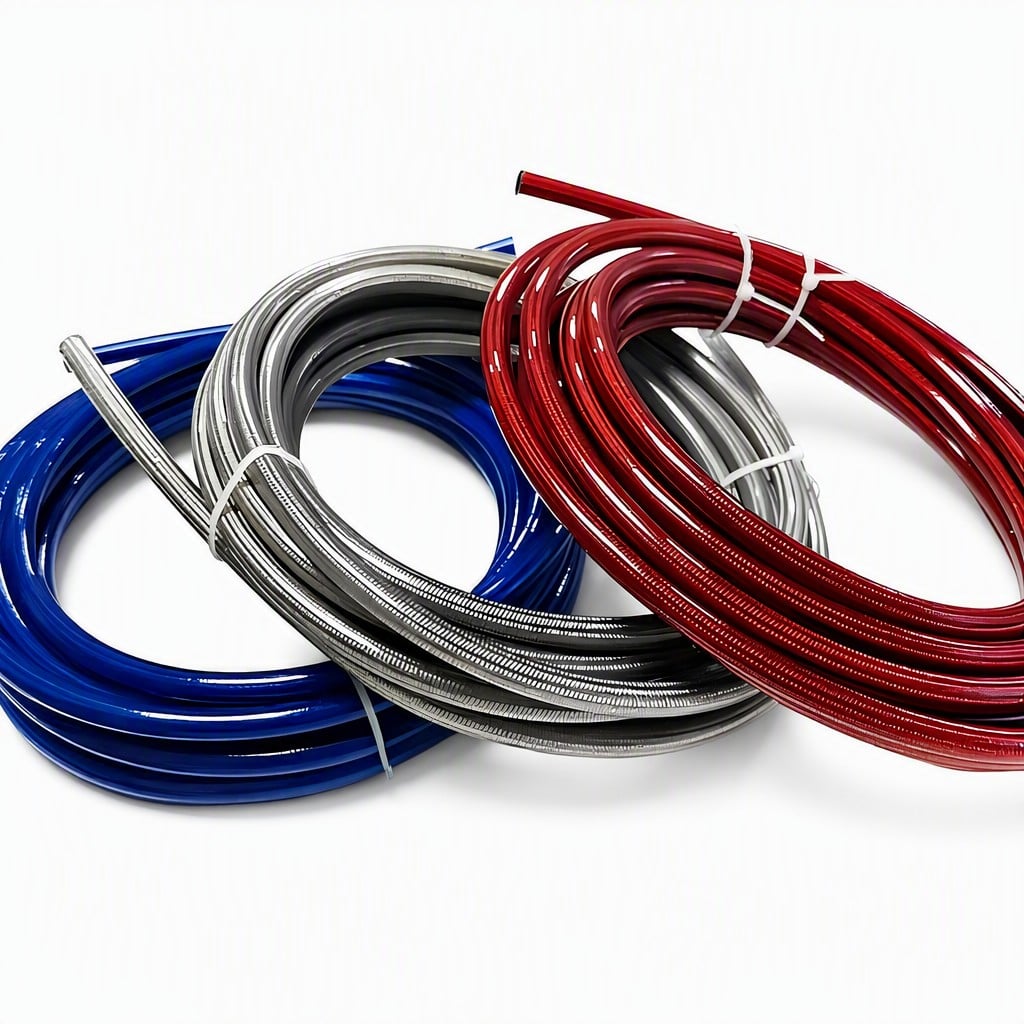
Regular brake system maintenance includes periodic inspection of your brake hose for visible wear, leaks, and structural integrity. A brake hose that shows signs of cracking, bulging, or fluid seepage requires immediate attention. This guide walks you through the most common damage indicators, their causes, and the appropriate next steps to ensure your braking system remains reliable and safe.
Visual Inspection for Physical Damage
Cracks and Surface Deterioration
Rubber deteriorates over time due to heat exposure, UV radiation, and constant pressure cycling within hydraulic brake tubing systems. Visible cracks on the outer rubber layer of your brake hose are among the earliest warning signs of structural compromise. These cracks may start small and hairline-thin, but they expand as the hose flexes during braking cycles. Once cracks penetrate deeply enough, brake fluid begins leaking from inside the hose, reducing pressure in your braking system. Inspecting the entire length of your brake hose monthly during brake system maintenance routines helps catch these cracks before they become dangerous.
Bulging or Swelling Areas
Bulges or soft, spongy areas along the brake hose body indicate internal delamination and weakened structural integrity. This swelling typically occurs when the inner tube of the hydraulic brake tubing begins separating from the outer reinforcement layers. A bulging brake hose will feel soft to gentle pressure, unlike healthy hose which maintains firmness. As internal pressure fluctuates during braking, these weakened areas may eventually rupture completely. Bulging hoses require brake line replacement before they fail entirely, as continued driving risks sudden loss of braking pressure.
Leak Symptoms and Fluid Indicators
Visible Fluid Seepage
Brake fluid leaks from damaged hydraulic brake tubing appear as small wet spots or accumulated fluid near the wheel areas where brake hoses route. Fresh brake fluid has a slightly oily appearance and typically leaves a glossy residue on surrounding components. If you notice fluid pooling under your vehicle after parking, or find wet traces along the brake lines, a brake hose leak is likely the source. Brake system maintenance protocols require checking fluid levels regularly, so an unexpected drop in brake fluid level often signals a hidden leak. Never ignore fluid seepage, as even minor leaks progressively reduce braking pressure over time.
Reduced Braking Pressure Response
A soft or spongy brake pedal that sinks gradually toward the floor when pressed indicates air entering the brake system through a leak. Damaged brake hoses allow air to enter where fluid should exit, creating compressible air pockets instead of solid hydraulic pressure. This reduced pedal firmness represents a critical warning that brake line replacement should occur before brake failure develops. Some drivers describe this sensation as feeling like the brakes are losing effectiveness with each pump of the pedal. Testing your brake response in a safe, empty area helps confirm this symptom before driving further.
Age and Environmental Damage
Rubber Aging and Brittleness
Rubber components in brake hoses naturally age and become brittle over time, typically after five to seven years of use. Environmental factors like extreme temperatures, salt exposure, and road chemicals accelerate this aging process significantly. Aged rubber loses flexibility and cracks easily under the constant pressure cycling that occurs during brake system maintenance and normal driving. A hose that appears dry, faded, or hardened to the touch often indicates advanced deterioration despite absence of obvious visible damage. If your vehicle operates in harsh climates or harsh road conditions, inspect your brake hoses more frequently than standard brake system maintenance intervals suggest.
Heat and Chemical Exposure
Brake components generate substantial heat during heavy braking, and prolonged exposure to this heat weakens rubber compounds in hydraulic brake tubing. Additionally, road chemicals like salt, road treatment compounds, and petroleum products degrade hose materials from the outside. Vehicles driven in coastal regions experience accelerated hose damage due to salt spray attacking both the outer protective layer and any exposed inner materials. Chemical contamination can combine with heat stress to cause rapid deterioration that might not be visible in initial inspections. Protecting your brake hose with occasional cleaning and inspections during brake system maintenance helps extend hose lifespan in harsh environments.
FAQ
How often should I inspect my brake hoses for damage?
Include brake hose inspection as part of your brake system maintenance at least annually, or every 12,000 miles. If you drive in harsh conditions like coastal areas with salt exposure or extreme climates, inspect your brake hose every six months. Professional mechanics typically examine brake hoses during routine service, but performing your own visual checks between appointments helps catch problems early and ensures your brake system remains safe.
Can a damaged brake hose be repaired or must it always require brake line replacement?
Damaged hydraulic brake tubing cannot be reliably repaired and should always be replaced completely. While temporary sealing might appear to work, compromised hoses will continue deteriorating and fail without warning. Brake line replacement ensures your braking system functions at full safety capacity and eliminates the risk of brake failure during critical driving situations.
What causes a brake hose to fail suddenly without warning signs?
While gradual deterioration shows warning signs, internal hose delamination or manufacturing defects can cause sudden failure without obvious external damage. This is why regular brake system maintenance and professional inspections are essential, as mechanics use specialized techniques to detect internal hose damage that visual inspection alone might miss.
 EN