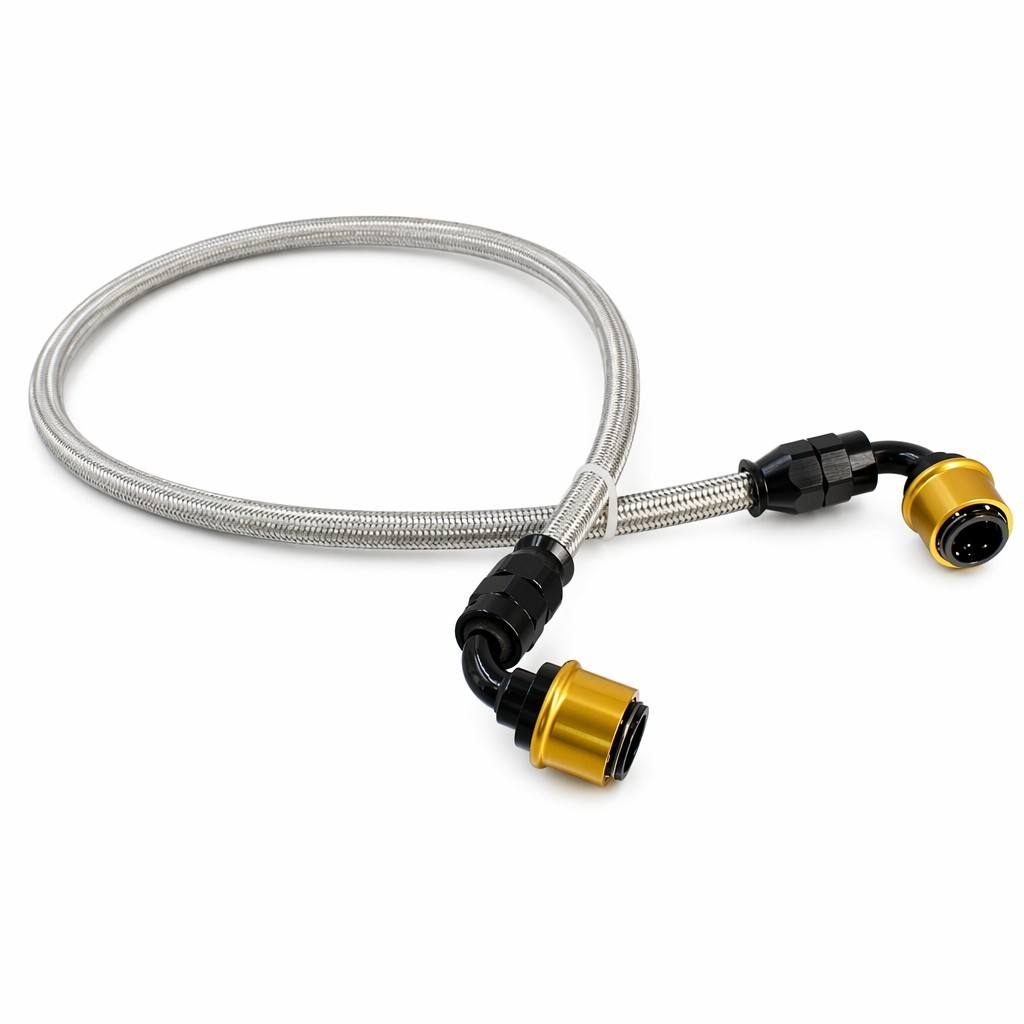
Identifying damage in a high pressure hose is critical for maintaining system safety, operational efficiency, and preventing costly downtime in industrial applications. A high pressure hose carries fluids or gases under extreme stress, and any structural compromise can lead to sudden failure, equipment damage, or personnel injury. Early detection of wear, degradation, and physical damage allows maintenance teams to replace compromised hoses before catastrophic failure occurs.
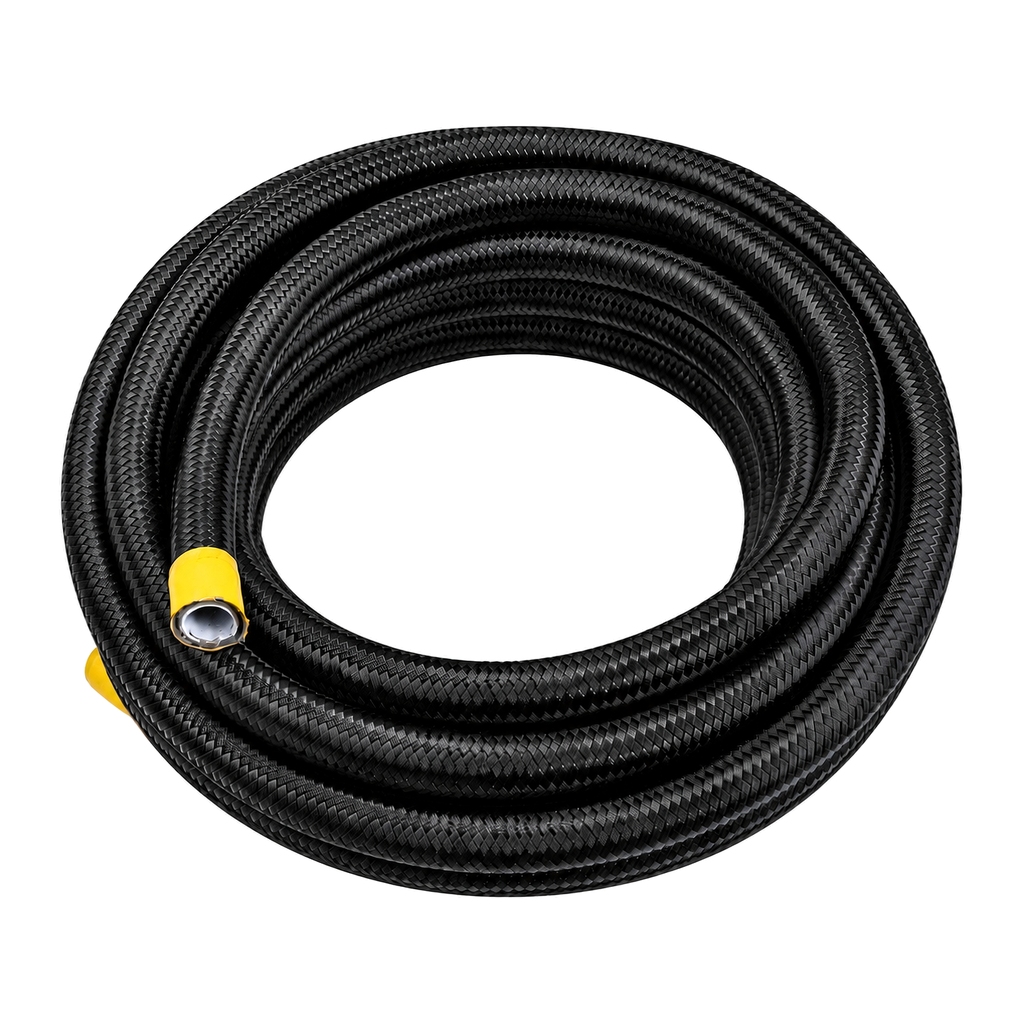
Understanding the specific damage signs that indicate a high pressure hose is failing helps operators and technicians respond quickly with appropriate maintenance or replacement measures. The condition of a high pressure hose depends on its materials, application context, and operating environment, all factors that influence which damage patterns are most likely to appear.
Visual Damage Indicators and Physical Signs
External Surface Degradation
The outer covering of a high pressure hose is engineered to withstand chemical exposure, abrasion, and temperature fluctuations. Visible cracks, peeling, or separation of the outer layer indicate that the protective barrier has begun to fail. When the outer cover becomes brittle or shows discoloration beyond normal aging, the underlying reinforcement layers become vulnerable to environmental attack. High pressure hose applications with demanding high pressure hose specifications require rigorous inspection protocols because external degradation can accelerate internal corrosion or fiber breakdown.
Abrasion marks, scuff patterns, or areas where the cover has rubbed away reveal that the hose has been in contact with sharp edges, machinery, or rough surfaces. These compromised zones create entry points for moisture and contaminants. Bulges or blisters in the outer cover suggest pressure imbalances or internal layer separation, which is a serious warning sign that internal reinforcement has begun to delaminate.
Leakage and Seeping Fluid
Active fluid leakage is the most obvious damage indicator, signaling that the hose wall has developed a breach. Slow seeping or weeping at connection points may indicate loose fittings, but when fluid appears along the hose body itself, the structural integrity has been compromised. Different high pressure hose materials respond differently to pressure stress, and certain material combinations are more prone to pinhole leaks under specific chemical exposure. Identifying where the leak originates helps determine whether the failure is due to internal corrosion, external puncture, or material fatigue.
Residue or mineral deposits around a leaking area suggest that the fluid has been seeping for a period of time, indicating progressive deterioration rather than sudden impact damage. The type and color of any leaked material can also reveal whether the hose barrier has failed or if reinforcement layers have begun to degrade.
Performance Degradation and Operational Clues
Pressure Loss and System Performance Changes
Unexplained drops in system pressure or flow rate often correlate with high pressure hose deterioration. When a hose begins to weep internally or develops micro-fractures, the system loses its ability to maintain full operating pressure, and equipment downstream performs below specification. Monitoring pressure gauges and comparing readings to baseline performance establishes a clear trend that points toward hose failure. High pressure hose specifications for your application define the acceptable pressure range; any sustained deviation warrants immediate hose inspection.
Fluctuating pressure readings rather than steady output indicate that the hose material may be expanding and contracting under stress, or that internal layers are shifting. Temperature changes at the hose surface can also signal internal pressure loss, as escaping pressurized fluid rapidly cools the surrounding material.
Noise, Vibration, and Temperature Anomalies
High-pitched hissing or whistle sounds emanating from a pressurized hose line suggest rapid fluid escape through a developing crack or pinhole. Unusual vibration patterns along a hose run can indicate internal turbulence or loose reinforcement layers moving against the inner tube. Elevated temperature at specific locations on a hose body points to friction from internal damage or pressure forcing fluid through a narrow breach. These operational clues often precede visible damage and serve as early warning signs.
For industrial systems operating continuously, establishing baseline acoustic and thermal profiles during normal operation enables technicians to detect anomalies before visible damage appears. This predictive maintenance approach is especially valuable in high pressure hose applications where sudden failure poses safety risks.
Material-Specific Damage Patterns
Reinforcement Layer Issues
High pressure hose materials vary widely in composition, and different reinforcement structures fail in characteristic ways. Wire-reinforced hoses show damage when visible wire begins to separate, corrosion appears on exposed wire, or when the wire pattern becomes visibly deformed rather than uniformly straight. Braided fiber reinforcement in high pressure hose materials exhibits failure when braiding strands fray, separate, or develop visible gaps in the weave pattern. High pressure hose specifications for your system define the acceptable reinforcement type, and recognizing type-specific failure modes improves inspection accuracy.
Corrosion on reinforcement wire accelerates once moisture penetrates the outer cover, rapidly weakening the structural matrix. Fiber braiding that has loosened or spread indicates that the inner tube has been moving excessively under pressure cycles, causing mechanical wear of the reinforcement layers.
Inner Tube Degradation and Embrittlement
The inner tube material determines chemical compatibility and pressure-holding capability. When sections of the inner tube show cracking, flaking, or separation from reinforcement layers, the hose has reached critical deterioration. High pressure hose materials used in chemically aggressive environments may develop swelling, stiffness, or discoloration of the inner tube, indicating incompatibility or extended exposure beyond safe limits. Touching the inner tube surface and finding it cracked, tacky, or unusually stiff provides immediate evidence of material breakdown.
Temperature cycling causes different material layers to expand and contract at different rates, eventually leading to delamination where layers separate internally. This internal separation weakens the hose dramatically even before external signs become apparent.
Inspection and Damage Assessment Framework
Systematic Visual and Tactile Inspection
Effective damage identification requires a structured inspection process performed regularly on all critical hose runs. Begin by visually scanning the entire hose length for color changes, surface damage, or fluid residue. Move along the hose manually, feeling for soft spots, hardened areas, or sections where the cover feels different from the rest. Pay close attention to areas near connection points, bends, and anywhere the hose contacts machinery or infrastructure, as these zones experience highest stress and wear.
Document findings systematically, noting location, type of damage, and severity. Comparing current inspection results to previous records establishes deterioration trends that help predict when replacement is necessary. High pressure hose applications in critical systems benefit from scheduled inspections aligned with operating hours or pressure cycles rather than calendar intervals alone.
Professional Testing and Pressure Evaluation
Beyond visual inspection, professional testing methods confirm suspected damage and validate hose condition. Hydrostatic pressure testing applies controlled pressure while monitoring for leaks, confirming that the hose can safely hold design pressure. Ultrasonic testing detects internal delamination and voids that are invisible to the eye. Thermal imaging identifies hot spots where pressure loss is occurring. High pressure hose specifications define the minimum acceptable test pressure, typically two-thirds or three-quarters of the rated working pressure for confirmation testing.
A documented testing schedule, especially for hoses operating near pressure limits or in hazardous service applications, provides evidence of fitness for continued operation and supports preventive replacement decisions.
FAQ
What are the most common early warning signs of high pressure hose failure?
Early warning signs include visible cracks or blistering on the outer cover, slow fluid seeping at locations other than connection fittings, drops in system pressure without obvious cause, unusual hissing or vibration sounds, and elevated temperature at specific hose locations. Discoloration of the outer cover, abrasion marks, or stiffness when flexing the hose also indicate developing problems. Detecting these signs before catastrophic failure allows scheduled replacement rather than emergency downtime.
How do high pressure hose materials affect damage identification?
Different high pressure hose materials exhibit distinct failure patterns. Wire-reinforced hoses show wire corrosion or separation, while braided reinforcement displays fraying or gap widening. Inner tube material compatibility determines whether the hose swells, hardens, or cracks based on chemical exposure. High pressure hose specifications define the appropriate material for your application, ensuring that you know what normal condition looks like and what damage patterns to expect for that specific material combination.
How often should high pressure hoses be inspected for damage?
Inspection frequency depends on application severity, operating pressure, chemical exposure, and temperature conditions. Critical or hazardous service applications warrant monthly or quarterly inspections. Standard industrial applications typically benefit from semi-annual or annual inspections. High pressure hose applications operating continuously should include visual checks during routine maintenance rounds, with formal detailed inspections on a scheduled calendar. Pressure testing or ultrasonic inspection should occur annually or whenever visual inspection reveals suspicious damage signs.
 EN