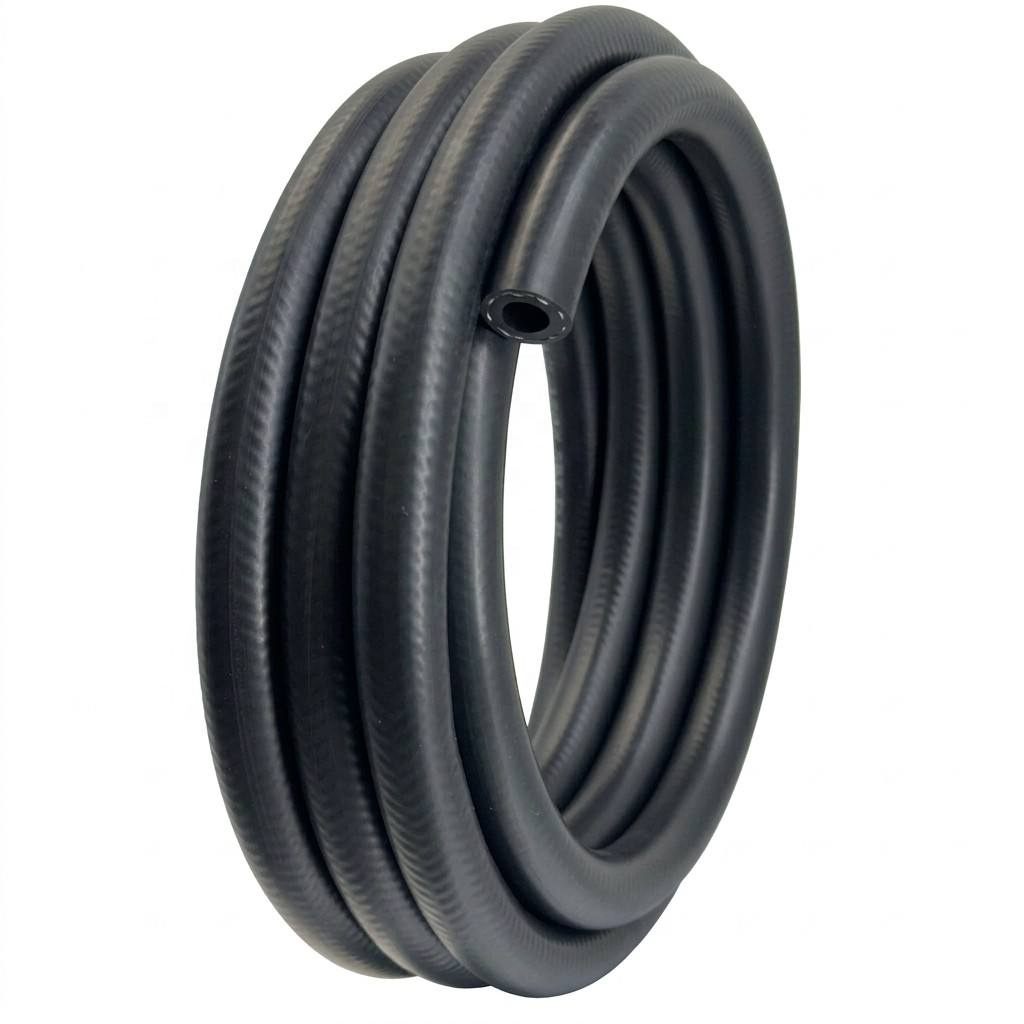
An Industrial Hose failure can halt production, compromise safety, and create expensive downtime in manufacturing facilities, construction sites, and heavy equipment operations. Understanding the visual and functional warning signs of hose degradation allows maintenance teams to intervene before catastrophic failure occurs. Early detection of damage patterns saves money, protects personnel, and maintains operational continuity across industries that depend on reliable fluid transfer systems.
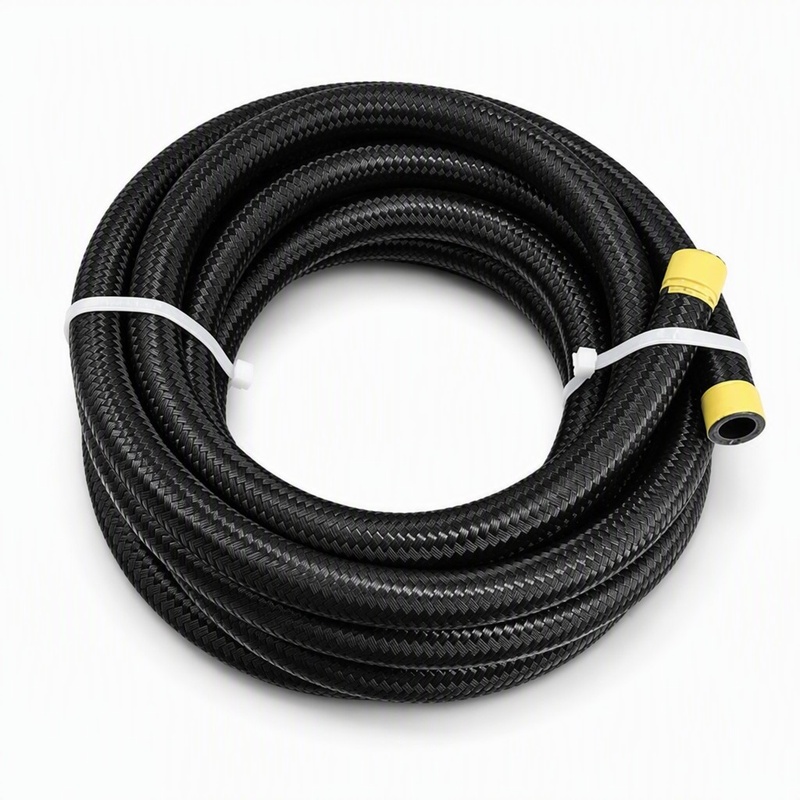
Industrial hose systems operate under extreme pressure, temperature fluctuations, and chemical exposure that accelerate wear over time. A hydraulic hose assembly, chemical resistant tubing, and high pressure hose system all face distinct damage mechanisms that require specific diagnostic approaches. This guide equips facility managers and maintenance professionals with practical knowledge to spot deterioration early and implement preventive maintenance strategies.
External Damage Indicators and Visual Inspection
Surface Cracks and Splits
The outer cover layer of an industrial hose protects the internal reinforcement structure from environmental exposure. When cracks or splits appear on the surface, they indicate loss of protective integrity and the beginning of internal degradation. These fissures often start small but expand rapidly when the hose continues operating under pressure, eventually leading to leakage or catastrophic rupture.
Visual inspection should occur regularly, especially for hoses in outdoor environments or exposed to direct sunlight. A hydraulic hose assembly subjected to ultraviolet radiation degrades faster than protected hoses, creating visible discoloration and brittleness before structural failure. Maintenance teams should document the location and severity of surface cracks to forecast replacement timing accurately.
Abrasion Wear Patterns
Hoses rubbing against machinery frames, sharp edges, or rough surfaces develop worn spots that thin the outer cover layer. This abrasion weakens the hose wall and exposes the reinforcement mesh underneath, which cannot withstand system pressure alone. Chemical resistant tubing designed for corrosive environments still fails rapidly if abrasion damage compromises the protective barrier.
Positioning hoses away from contact points during installation prevents this common failure mode, but existing systems require periodic inspection for rub marks. A high pressure hose system operating at 3000 PSI or higher can fail catastrophically if abrasion has thinned the walls beyond safe operating limits. Technicians should measure the remaining cover thickness at suspect locations to determine safe operating duration.
Pressure and Performance Degradation Signs
Leakage at Connection Points
Slow seeping or visible leakage at crimped connections between the industrial hose and fittings indicates seal degradation or fitting corrosion. Unlike gradual internal wear, connection leaks develop suddenly and worsen quickly as system pressure continues forcing fluid through the compromised seal. A hydraulic hose assembly showing moisture around the fitting requires immediate attention to prevent complete failure.
Connection leaks often signal that the hose has reached end-of-life internally, even if the outer surface appears intact. The internal mesh reinforcement may have broken down due to pressure cycling, temperature cycling, or corrosion from the transported fluid. Replacing the hose rather than attempting fitting repair prevents secondary failures and maintains system reliability.
Reduced System Performance
When a high pressure hose system loses efficiency, pressure readings drop below normal operating parameters despite consistent pump output. This performance degradation indicates internal blockage, kinking, or rupturing inside the hose walls that restricts fluid flow. Chemical resistant tubing may develop internal corrosion from incompatible fluids, reducing the internal diameter and restricting flow capacity.
Maintenance teams should establish baseline pressure and flow readings for each industrial hose circuit and compare results during regular inspections. A 10 to 15 percent drop in pressure suggests the hose needs replacement before system functionality becomes unreliable. Ignoring performance decline forces equipment to work harder, consuming more energy and accelerating failure of connected hydraulic components.
Material Breakdown and Environmental Damage
Discoloration and Brittleness
Faded or darkened outer cover material indicates UV degradation or chemical attack on the rubber or synthetic materials composing the hose. Hoses exposed to direct sunlight, ozone, or industrial solvents develop brittle sections that crack when bent, reducing flexibility and accelerating structural failure. A hydraulic hose assembly designed for indoor use but exposed outdoors shows these signs within months rather than years.
Brittleness reduces the hose's ability to accommodate system vibrations and pressure pulsations, increasing stress on connection points and internal reinforcement. Squeezing a suspect section firmly should demonstrate normal flexibility; a hose that resists bending or shows permanent deformation has lost material properties and requires replacement. Chemical resistant tubing formulated for specific fluids fails rapidly if exposed to incompatible substances that dissolve or swell the rubber.
Internal Contamination Effects
When industrial hose systems develop internal degradation, rubber particles, metal fragments, or corrosion byproducts circulate through connected equipment, causing valve failures and actuator jamming. This secondary damage multiplies the cost of neglecting early warning signs by affecting expensive downstream components. A high pressure hose system contaminating its fluid rapidly shortens the service life of filters, pumps, and cylinders.
Magnetic drain plugs on reservoir systems capture ferrous contamination, indicating internal hose degradation when debris accumulates rapidly. Discolored or cloudy hydraulic fluid suggests that internal hose walls are breaking down and requiring immediate inspection. Replacing the industrial hose before contamination spreads protects the integrity of the entire hydraulic network and reduces total maintenance costs.
FAQ
How often should industrial hose systems be inspected for damage?
Inspect industrial hose systems quarterly in normal operating environments and monthly in harsh conditions with chemical exposure, extreme temperatures, or high pressure cycling. Critical hydraulic hose assembly circuits should receive monthly visual inspection and pressure testing to catch problems early. Seasonal changes or after equipment relocation warrant immediate re-inspection to identify new abrasion points or stress concentrations.
Can a chemical resistant tubing be repaired if minor damage is detected?
Minor surface cracks can be temporarily sealed with specialized epoxy patches, but this remains a temporary measure only. A high pressure hose system experiencing any structural damage should be replaced rather than repaired to maintain safety and reliability margins. Repair patches fail unpredictably under pressure cycling, creating sudden failures that jeopardize personnel and equipment far more than planned replacement.
What temperature and pressure ranges indicate an industrial hose needs replacement?
Most industrial hose materials remain safe up to 40 to 50 percent of their rated pressure and rated temperature limits during normal operation. Operating consistently at 80 to 90 percent of rated limits accelerates material degradation and shortens service life significantly. When actual operating conditions approach rated limits regularly, replace hoses at 50 to 75 percent of their typical service interval to maintain safety margins and prevent catastrophic failures.
 EN