Understanding how to identify radiator hose pressure ratings is essential for maintaining engine health and preventing costly cooling system failures. A radiator hose operates under significant thermal and mechanical stress, carrying hot coolant from the engine to the radiator and back. The pressure rating determines whether a hose can safely handle the system's operating conditions without rupturing, bulging, or leaking. Identifying the correct pressure rating ensures you select replacement parts that match your vehicle's engineering specifications and protect against catastrophic engine damage.
Every radiator hose carries standardized pressure markings that communicate its maximum safe operating pressure, measured in pounds per square inch (PSI). These markings appear printed directly on the hose exterior and indicate the hose manufacturer's rating for continuous use under normal engine cooling system conditions. A typical automotive radiator hose replacement typically ranges from 15 to 20 PSI in passenger vehicles, though heavy-duty applications and specialized engine cooling systems may require higher ratings. Learning to read these markings and understand their significance prevents installation errors and ensures your engine cooling system operates safely throughout the hose's service life.
Locating and Reading Pressure Markings on Your Radiator Hose
Finding the Pressure Rating Label
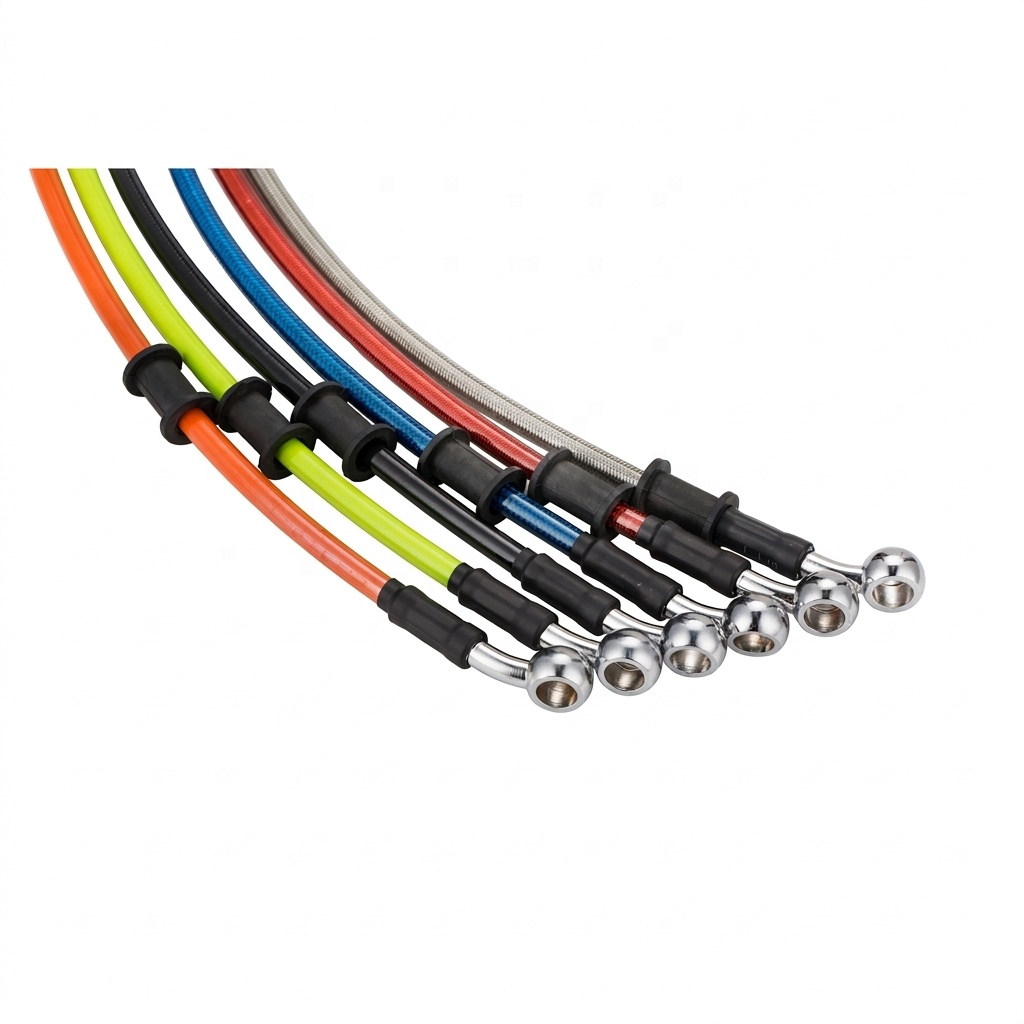
The pressure rating is printed on the outer surface of the radiator hose, typically within the first six inches from either end. The marking usually appears as a series of numbers that include the PSI rating alongside the hose diameter and material composition. For a typical radiator hose replacement project, you'll see markings like '18 PSI' or '20 PSI' clearly stamped onto the rubber. If the numbers are difficult to read due to age, dirt, or discoloration, gently cleaning the hose surface with a damp cloth will often reveal the marking. Some premium coolant hose products include color-coded bands near the ends to indicate pressure class, providing a quick visual reference without reading the fine print.
Understanding PSI Specifications
PSI, or pounds per square inch, represents the maximum internal pressure the radiator hose can withstand safely over its lifetime. Standard automotive cooling systems operate between 12 and 18 PSI at normal highway temperatures, so a radiator hose rated for 20 PSI provides appropriate safety margin without over-engineering the component. Identifying the correct PSI ensures the hose won't burst when the cooling system pressurizes under high-temperature conditions or when the thermostat closes briefly. High-pressure racing engines or turbocharged applications require specially rated coolant hose products with PSI ratings of 25 or higher. Many engine cooling system designs intentionally run at lower pressures to reduce stress on gaskets and hose connections, so matching the hose pressure rating to your engine's design specification is critical for longevity.
Understanding Material Composition and Durability Factors
Identifying Hose Material Layers
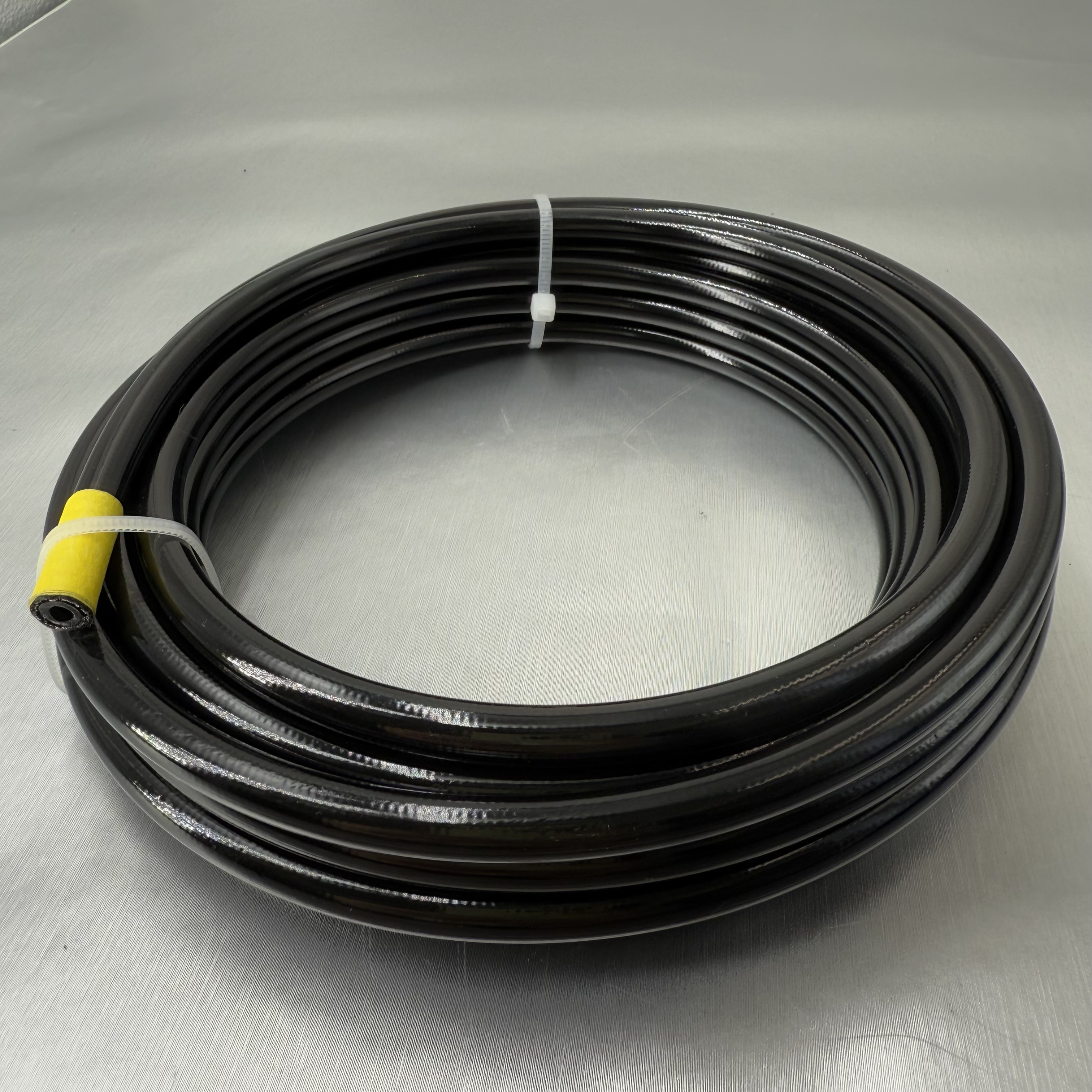
Modern radiator hose construction involves multiple layers of reinforced rubber and textile, each contributing to pressure-holding capability. The innermost layer contacts the hot coolant directly and must resist thermal degradation, while middle reinforcement layers provide tensile strength to contain pressure. An outer cover protects against UV exposure, ozone cracking, and mechanical abrasion, extending the coolant hose service life significantly. Premium radiator hose replacement options use aramid fibers or spiral-wound reinforcement to achieve higher pressure ratings in compact diameters. When identifying a radiator hose's true pressure capacity, examining the reinforcement pattern visible at the cut end reveals the engineering approach—more layers generally mean higher safe pressure operation.
Temperature and Pressure Relationships
Hose pressure ratings are established at standard test temperatures, typically around 70°F. As your engine cooling system temperature rises toward 212°F, the rubber material softens slightly, reducing its pressure-holding capacity by approximately 10 to 15 percent. This relationship means a radiator hose rated at 20 PSI on the packaging may safely handle only 17 PSI when running at full engine operating temperature. Quality radiator hose replacement products account for this degradation in their pressure rating calculations, ensuring safe operation across the full temperature range. Understanding this thermal effect prevents over-specifying pressure ratings and helps identify when an aging hose nearing failure becomes unsafe even if its original PSI rating seems adequate.
Practical Steps for Identifying and Replacing Your Radiator Hose
Matching Pressure Ratings During Replacement
When performing a radiator hose replacement, cross-reference three key identifiers: the original hose's printed PSI rating, your vehicle's service manual specification, and the replacement hose's documented pressure capability. Never downgrade to a lower-rated coolant hose to save cost, as this creates pressure-related failure risk that may leave you stranded. Most modern automotive engines require a minimum 15 PSI radiator hose, though 18 or 20 PSI ratings provide better real-world performance and longevity. Aftermarket radiator hose replacement kits often over-specify pressure ratings to ensure broad compatibility across engine model variants. Always verify that the replacement hose diameter matches the original—a larger diameter hose with the same PSI rating flows more easily but may create flow imbalance in the engine cooling system.
Inspecting for Pressure System Integrity
Before installing your radiator hose replacement, inspect the engine cooling system connections and fittings for corrosion or damage that could compromise pressure ratings. Weak radiator hose clamps, corroded fittings, or loose connections often cause failures even when the hose itself exceeds its pressure rating. Pressurized cooling systems depend on sealed connections—any small leak reduces system pressure and allows the engine to overheat. When installing a new coolant hose, route it away from sharp edges, hot exhaust surfaces, and moving engine components that could puncture or abrade the outer cover. A properly installed radiator hose replacement with correct pressure rating and secure fittings represents the most cost-effective insurance against cooling system breakdown.
FAQ
What pressure rating should a typical passenger vehicle radiator hose have?
Most passenger vehicles use radiator hose products rated between 15 and 20 PSI, with 18 PSI being the industry standard for modern engines. The exact specification depends on your engine's cooling system design, which you'll find in the vehicle's service manual or printed on the radiator cap. Higher-performance or turbo engines may require 25 PSI or greater ratings, while older vehicles sometimes specified 12 to 15 PSI. Always verify your specific vehicle requirement before selecting a radiator hose replacement to ensure optimal performance and safety.
Can I use a higher-rated coolant hose than the original specification?
Yes, using a higher-rated radiator hose provides additional safety margin and is a common practice in aftermarket radiator hose replacement. A 20 PSI hose will work perfectly in a system designed for 15 PSI, offering better reliability and longer service life. However, going excessively high—such as using an industrial 50 PSI hose in a residential automotive application—may indicate over-engineering and could mask underlying cooling system problems. Always match the hose diameter and connection fittings to your engine cooling system regardless of pressure rating to ensure proper coolant flow and system balance.
How do I know if my radiator hose is failing despite showing an adequate pressure rating?
Age, temperature cycling, and UV exposure degrade rubber regardless of the original pressure rating. Inspect your radiator hose regularly for bulging, cracking, softness, or leaking—these visual indicators signal imminent failure even if the hose still has pressure capacity remaining. Most coolant hose products should be replaced every five to seven years as preventive maintenance, regardless of pressure specifications. If your engine cooling system frequently overheats or loses coolant, the radiator hose may be failing internally despite normal appearance. A radiator hose replacement becomes essential at the first sign of visible damage rather than waiting for catastrophic failure.
 EN