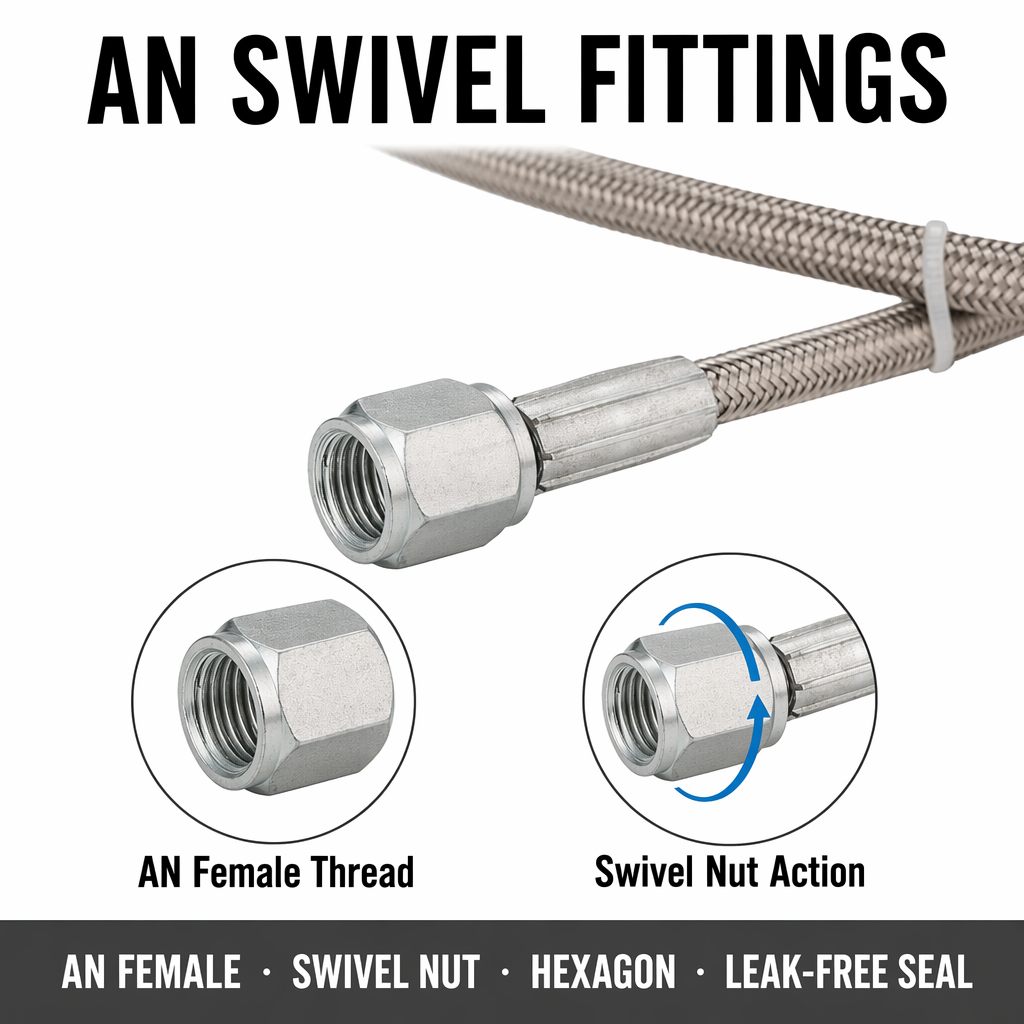
Maintaining your ptfe tube systems is essential for long-term reliability and optimal performance in demanding industrial and automotive applications. These specialized components are engineered to withstand extreme temperatures and aggressive chemical exposure, yet they require thoughtful care to achieve their maximum operational lifespan. Proper maintenance practices prevent premature degradation, costly replacements, and unexpected system failures in critical operations.
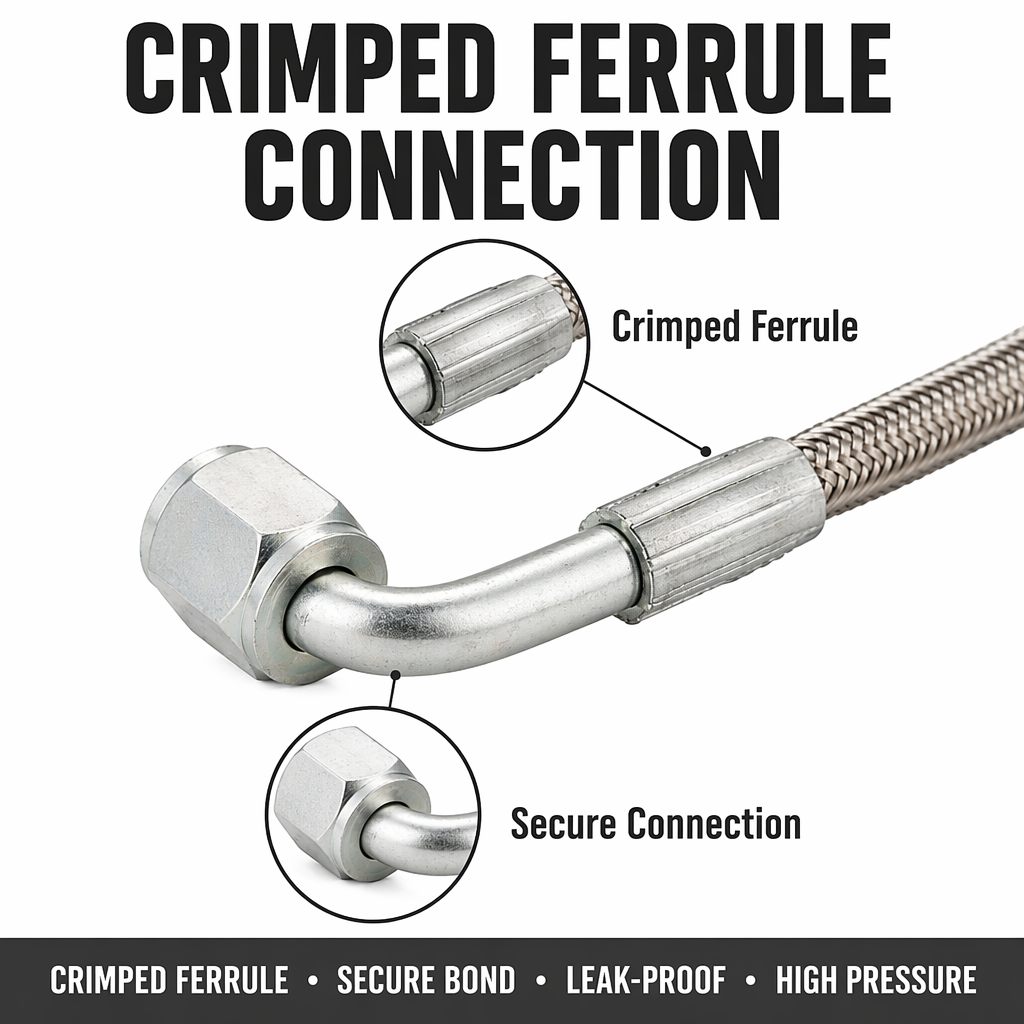
The unique properties of teflon tubing make it ideal for applications involving high temperatures, corrosive chemicals, and precision fluid transfer. However, these same properties mean that standard maintenance approaches used for conventional hoses may not apply. Understanding fluoropolymer hose care requirements and implementing preventive strategies ensures your PTFE tubing applications continue functioning reliably while maintaining cost-effectiveness across the system lifecycle.
Routine Cleaning and Inspection Protocols
Regular Visual Assessment
Visual inspection of your teflon tubing should occur at regular intervals based on operating conditions and system criticality. Look for discoloration, surface cracks, visible brittleness, or any signs of external damage that might compromise the integrity of your fluoropolymer hose. Early detection of these issues allows you to address problems before they escalate into system failures, reducing downtime and protecting downstream components from contamination.
Pay special attention to areas where the ptfe tube connects to fittings, as stress concentration points are particularly vulnerable. Check for leaks, weeping, or fluid accumulation around connection zones. Document your findings to establish baseline conditions and track trends over time, enabling predictive maintenance decisions for your PTFE tubing applications.
Safe Cleaning Methods
When cleaning teflon tubing, use mild soap and warm water as your primary cleaning agent, avoiding harsh chemicals that might degrade the fluoropolymer material. Soft brushes or cloth materials are appropriate for external surfaces, while high-pressure washers should be avoided as they can damage fittings and compromise structural integrity. Dry the ptfe tube thoroughly after cleaning to prevent residual moisture accumulation that could promote corrosion in adjacent metal components.
Internal cleaning of your PTFE tubing applications requires careful consideration based on fluid compatibility and system design. Flush systems with appropriate solvents specified by your application manufacturer, ensuring complete removal of cleaning agents before returning the system to operation. Never use abrasive scrubbing tools inside the teflon tubing, as these can create microscopic surface damage that compromises chemical resistance and pressure integrity.
Storage and Environmental Management
Optimal Storage Conditions
Proper storage of your ptfe tube systems extends shelf life and maintains performance characteristics when components are not actively in use. Store teflon tubing in cool, dry environments away from direct sunlight, as ultraviolet exposure can cause surface degradation even in this highly resistant material. Temperature stability is critical, as fluoropolymer hose materials can become brittle in extremely cold conditions or soft in excessive heat.
Avoid storing PTFE tubing applications near ozone-generating equipment, strong solvents, or reactive chemicals. Coil your hoses loosely rather than creating tight bends, which can create stress points and reduce flexibility over time. Use protective covering to shield your teflon tubing from dust, moisture, and physical damage during storage periods, and maintain inventory rotation to ensure older components are used first.
Temperature and Humidity Control
Maintaining consistent environmental conditions is crucial for preserving the structural properties of your fluoropolymer hose. Extreme temperature fluctuations accelerate material fatigue and can compromise seals at connection points. Store ptfe tube systems in environments with temperature ranges between 50 and 75 degrees Fahrenheit when possible, as this range minimizes material stress and preserves the physical properties critical for your PTFE tubing applications.
Humidity control prevents moisture ingress into braided reinforcement layers and reduces the risk of corrosion in adjacent metallic components. Maintain relative humidity levels between 30 and 60 percent in storage areas where your teflon tubing is kept. Use desiccant packets or dehumidification systems in high-moisture environments to protect your investment in quality PTFE tubing applications and extend functional lifespan significantly.
Operational Best Practices and System Integration
Pressure and Temperature Monitoring
Monitor operating parameters continuously during PTFE tubing applications to detect anomalies before they cause system failures. Establish baseline pressure readings under normal operating conditions and investigate any deviations that might indicate internal degradation, blockages, or developing leaks in your ptfe tube systems. Pressure fluctuations often provide early warning signs of material fatigue or fitting failure, allowing preventive intervention before catastrophic breakdown occurs.
Temperature management is equally important for maintaining the integrity of your teflon tubing in high-temperature applications. Install temperature sensors at critical points to ensure the ptfe tube remains within manufacturer-specified operating ranges. Excessive temperature exposure, even brief excursions, can permanently alter fluoropolymer hose properties and reduce remaining service life, so maintaining thermal discipline protects your system reliability.
Connection Point Maintenance
Connection points represent the most critical maintenance focus areas for your PTFE tubing applications, as fitting failures often originate at these stress concentrations. Periodically verify that all connections remain tight by applying appropriate torque specifications using calibrated wrenches. Never over-tighten connections, as excessive force can damage the ptfe tube and fitting interface, compromising the seal and creating potential leak points.
Inspect ferrules and sealing surfaces for damage during routine maintenance of your teflon tubing systems. Replace compression fittings if they show signs of corrosion, galling, or material displacement. Proper installation technique for future connection work prevents reoccurrence of premature fitting failures. Consider implementing a documented maintenance schedule for your fluoropolymer hose connection points, recording torque values and observations to track system performance trends over time.
FAQ
How frequently should I inspect my ptfe tube systems?
Inspection frequency depends on operating intensity and environmental severity, but monthly visual assessments are recommended for most applications. Systems operating continuously under extreme pressure or temperature conditions may require weekly checks. Establish baseline inspection intervals based on your specific PTFE tubing applications, then adjust frequency based on observed condition and historical failure patterns.
Can I repair damaged teflon tubing or must it be replaced?
Minor surface damage on teflon tubing may be managed temporarily with protective wrapping, but structural damage requires full hose replacement to maintain system integrity and safety. Patching fluoropolymer hose with tape or sealants is not a reliable long-term solution for your ptfe tube applications. Budget for timely replacement of compromised components rather than attempting repairs that may fail unexpectedly and create operational disruptions.
What cleaning products are safe for my fluoropolymer hose?
Mild soap, distilled water, and isopropyl alcohol are generally safe for cleaning teflon tubing without causing material degradation. Avoid strong acids, ketones, and aromatic solvents that can compromise the chemical resistance of your PTFE tubing applications. Always consult your specific teflon tubing manufacturer recommendations before introducing new cleaning agents, as formulation variables and reinforcement materials may affect compatibility with your particular ptfe tube product.
 EN