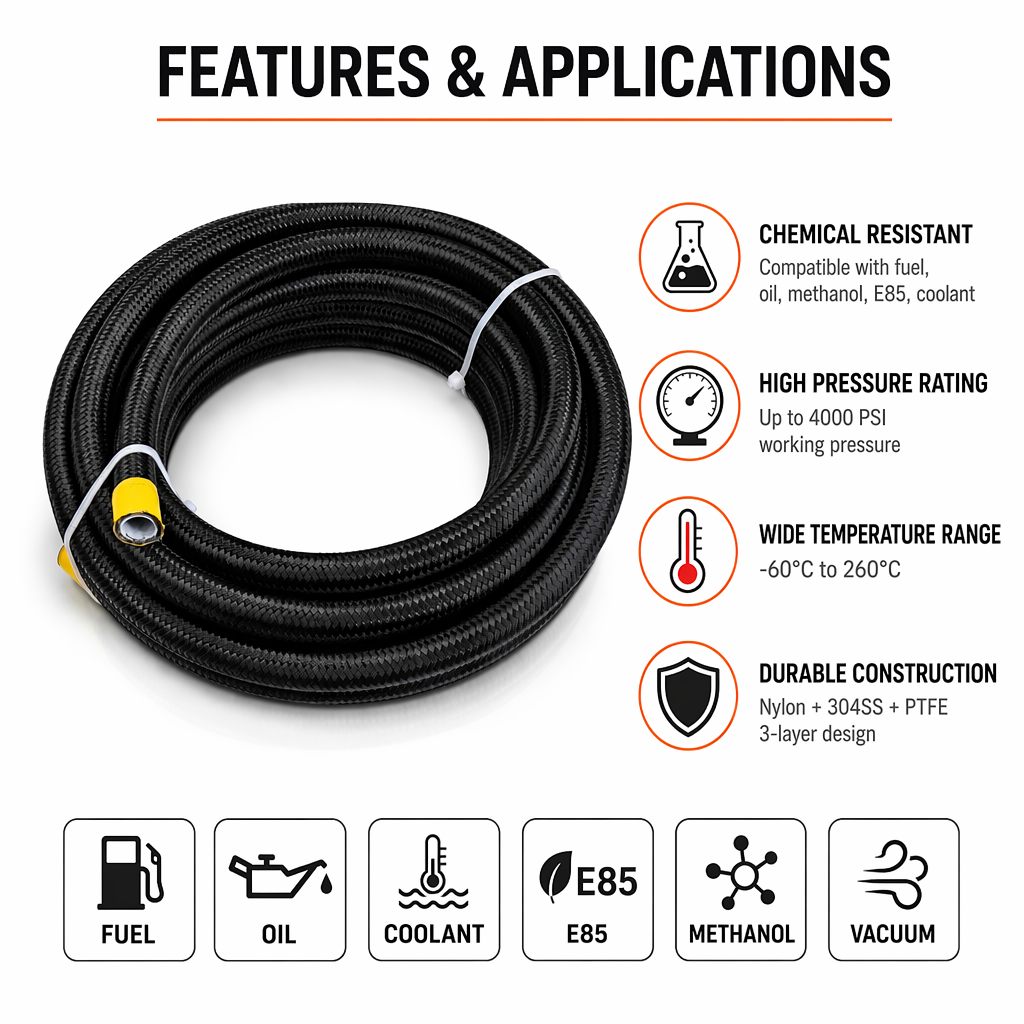
Installing a teflon hose system correctly is critical for maintaining fluid integrity, preventing leaks, and ensuring long-term performance in industrial applications. Whether you're working with high-temperature media, aggressive chemicals, or corrosive environments, proper installation of your teflon hose assembly directly impacts reliability and safety. Many industrial failures stem not from component defects but from installation mistakes that compromise seal integrity and system function. Understanding the correct procedures, tools, and connection methods will help you avoid costly downtime and potential safety hazards.
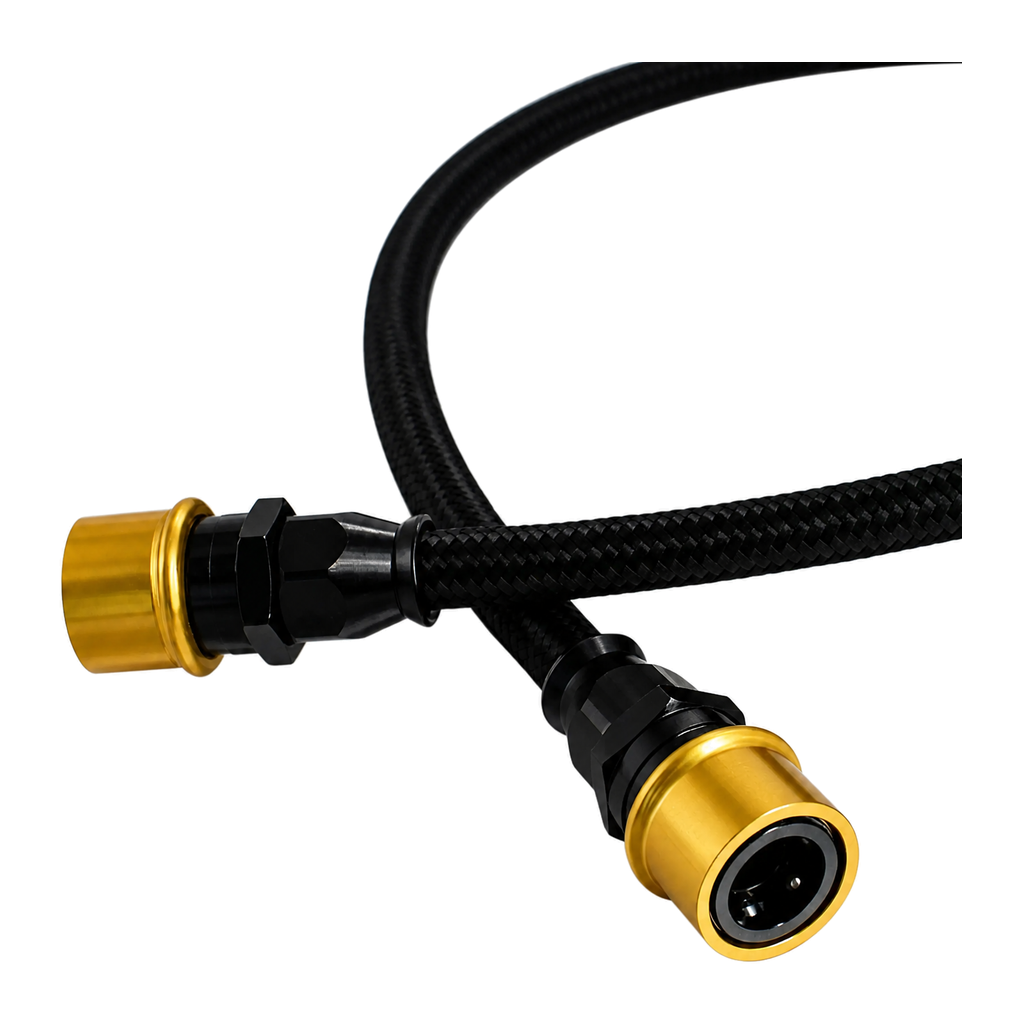
A teflon hose system combines PTFE tubing with reinforced braiding and specialized fittings to deliver exceptional performance in demanding conditions. The fluoropolymer hose core resists chemical attack, temperature extremes, and permeation, while the outer braid provides structural support and burst protection. Successful installation requires attention to pressure ratings, temperature ranges, fluid compatibility, and connection geometry. This guide walks you through the essential steps, common pitfalls, and verification procedures to ensure your chemical resistant tubing system operates safely and efficiently from day one.
Understanding Your Teflon Hose System Components
Core Materials and Construction
The teflon hose you select combines multiple layers designed to work together. The inner PTFE tubing provides the chemical-resistant barrier that makes fluoropolymer hose ideal for corrosive media. Surrounding this core is typically a reinforced braid made from stainless steel or synthetic fibers, which prevents expansion under pressure and controls hose geometry. The outer cover protects against UV exposure, abrasion, and environmental damage. Understanding how these layers function helps you appreciate why installation must respect their design constraints. PTFE tubing is inherently sensitive to creep under sustained pressure, meaning the braid's structural role is absolutely essential for maintaining fitting engagement.
Pressure and Temperature Ratings
Every teflon hose assembly carries specific pressure and temperature ratings that must be verified before installation. The chemical resistant tubing you purchase will have a maximum working pressure that accounts for the PTFE core's performance curve and the braid's reinforcement capacity. Temperature ratings depend on the hose construction, fitting materials, and seal types—a system rated to 200°C with stainless fittings may not work at that temperature with brass fittings. Review the product datasheet and cross-check your application conditions before beginning installation. Exceeding these limits, even temporarily, can cause permanent damage to the fluoropolymer hose or fitting connections and create safety hazards.
Pre-Installation Preparation and Setup
Inspecting Components Before Assembly
Begin by conducting a thorough visual inspection of your teflon hose and all fittings. Look for cuts, cracks, or flat spots on the hose surface that indicate shipping damage or manufacturing defects. Check fitting threads for debris, corrosion, or cross-threading damage that would compromise seal quality. Verify that all components—hose, fittings, ferrules, and adapters—match your specification and are rated for your system's pressure and temperature. Contamination inside the hose or fittings is a common cause of early failure; if you have any doubt about cleanliness, flush lines with a compatible solvent and allow them to dry completely. Document this inspection step to establish that the chemical resistant tubing system began life in good condition.
Gathering Proper Installation Tools
Proper installation of a teflon hose system requires specific tools and materials. You'll need a calibrated wrench set with proper jaw fit to avoid rounding fitting corners, a hose crimper or assembly machine if you're making your own PTFE tubing assemblies, and a torque wrench to apply correct final torque. Teflon tape (PTFE thread tape) is essential for sealing tapered pipe threads, while appropriate sealant compounds may be required depending on your fitting type and fluid media. Some systems benefit from a hydraulic pressure test kit to verify integrity before live operation. Avoid improvised tools or shortcuts with threading compounds; the small investment in proper equipment prevents expensive mistakes.
Proper Connection and Tightening Procedures
Thread Seal Application and Fitting Connection
When connecting your teflon hose to ports with tapered threads, apply Teflon thread seal tape by wrapping it clockwise around the male threads at least three times. This creates a seal that prevents media leakage while allowing controlled disassembly later. For the teflon hose assembly itself, hand-tighten all fittings first to ensure proper threading alignment, then use your torque wrench to apply the manufacturer-specified torque value. Over-tightening a fluoropolymer hose fitting can crush internal seals or damage ferrule seats, while under-tightening allows media bypass and eventual fitting separation. Most PTFE tubing applications require 15–25 foot-pounds of torque; verify your specific requirement from the product documentation.
Strain Relief and Securing the Hose Run
Proper strain relief protects your chemical resistant tubing from abrasion, kinking, and fatigue failure. Avoid sharp bends—most teflon hose requires a minimum bend radius of 1.5 to 3 times the hose outer diameter depending on construction. Use hose clamps or cable ties to secure the hose run to equipment frames, ensuring clips are spaced every 12–18 inches and don't pinch the braid. Keep the fluoropolymer hose away from hot surfaces, moving machinery, and sharp edges that could puncture the outer cover. At connection points, provide strain relief loops that absorb vibration and pressure pulsation rather than transmitting these forces directly to the fitting. This simple step dramatically extends system life and prevents intermittent leaks caused by micro-motion fatigue.
System Testing and Ongoing Verification
Pressure Testing and Leak Detection
After installation is complete, pressure-test your teflon hose system at 150% of maximum working pressure (or per applicable code) using a non-reactive test fluid. Pressurize slowly, watching all fitting connections and hose sections for signs of weeping, dripping, or sudden spray. A small amount of seeping at a new connection may resolve after several minutes as components settle; genuine leaks require immediate disassembly and correction. For chemical resistant tubing carrying hazardous media, many standards require proof testing before live operation. Document the test pressure, duration, and any observations in your system records. This verification step is not optional—it confirms your installation methods work and gives confidence when the system goes live.
Long-Term Monitoring and Maintenance
Even a perfectly installed teflon hose system requires periodic inspection to catch developing problems before they become failures. Monthly visual checks should look for leaks, cracks, swelling, or color changes in the PTFE tubing outer cover, which might indicate chemical compatibility issues. Temperature cycling and pressure pulsation cause gradual creep in the fluoropolymer hose structure; tighten fittings every few months during the first year of operation, then annually thereafter if leaks appear. Replace the chemical resistant tubing or individual components immediately if you observe permanent deformation, visible seal degradation, or any sign of media permeation. Keeping maintenance records helps you identify patterns and plan replacements proactively rather than responding to emergency failures.
FAQ
What is the difference between PTFE tubing and standard rubber hose?
PTFE tubing offers superior chemical resistance, temperature capability, and permeation control compared to rubber hose. While rubber deteriorates quickly in contact with many solvents, oils, and aggressive chemicals, the fluoropolymer hose remains inert across a much broader range of media. Teflon hose also handles temperatures from cryogenic levels to over 200°C depending on construction, whereas rubber is limited to roughly –40°C to 100°C. The trade-off is that PTFE tubing is less flexible and more brittle, requiring careful handling and proper bend radius management. For demanding chemical or thermal applications, teflon hose delivers performance that rubber cannot match.
Can I reuse fittings when replacing a chemical resistant tubing section?
Reusing fittings is generally not recommended when removing a fluoropolymer hose assembly. The ferrule seat and seal surfaces inside fittings may be damaged or worn from the original installation and removal process, compromising seal integrity with a new teflon hose. If you must reuse fittings for cost reasons, visually inspect the ferrule area under magnification for scoring or deformation, and test the new assembly at pressure before live operation. New fittings paired with a teflon hose system provide the most reliable performance and eliminate uncertainty about seal quality, making replacement fittings a worthwhile investment.
How do I know if my teflon hose system is properly installed?
A properly installed teflon hose system shows no leaks during pressure testing, exhibits correct torque values on all fittings verified with a torque wrench, and has proper strain relief and support along its entire run. The chemical resistant tubing should show no visible cracks, flat spots, or discoloration, and all fittings should be hand-tight before final torque application. Visual confirmation of adequate bend radius and separation from heat sources or sharp edges confirms installation best practices. If the system operates for 24–48 hours under normal conditions without any sign of seepage, sweating, or pressure loss, you can be confident your teflon hose installation meets quality standards.
 EN