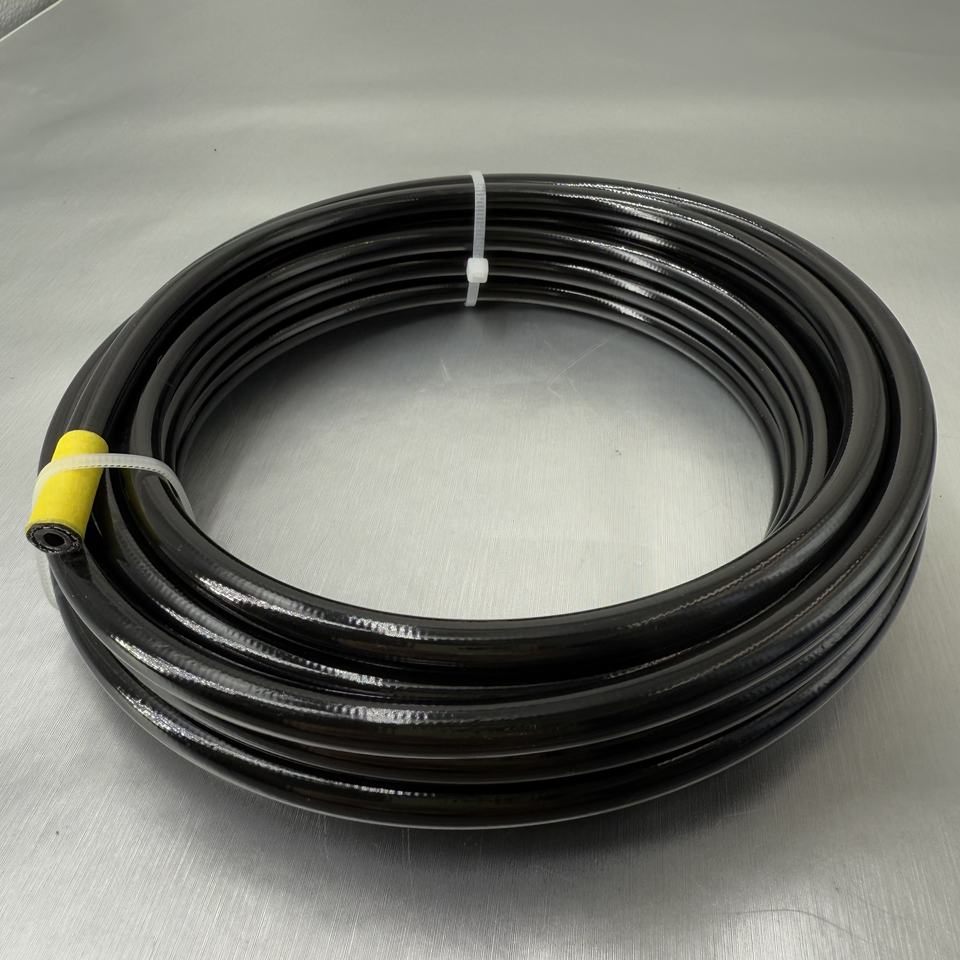
Proper brake hose maintenance is critical for vehicle safety and consistent braking performance. Your brake system depends on the integrity of every component, and the brake hose is one of the most vital parts that directly affects your ability to stop safely. Over time, brake hoses experience wear from temperature fluctuations, exposure to road chemicals, vibration, and constant hydraulic pressure cycling. Understanding how to maintain your brake hose ensures your vehicle remains reliable and safe on the road.
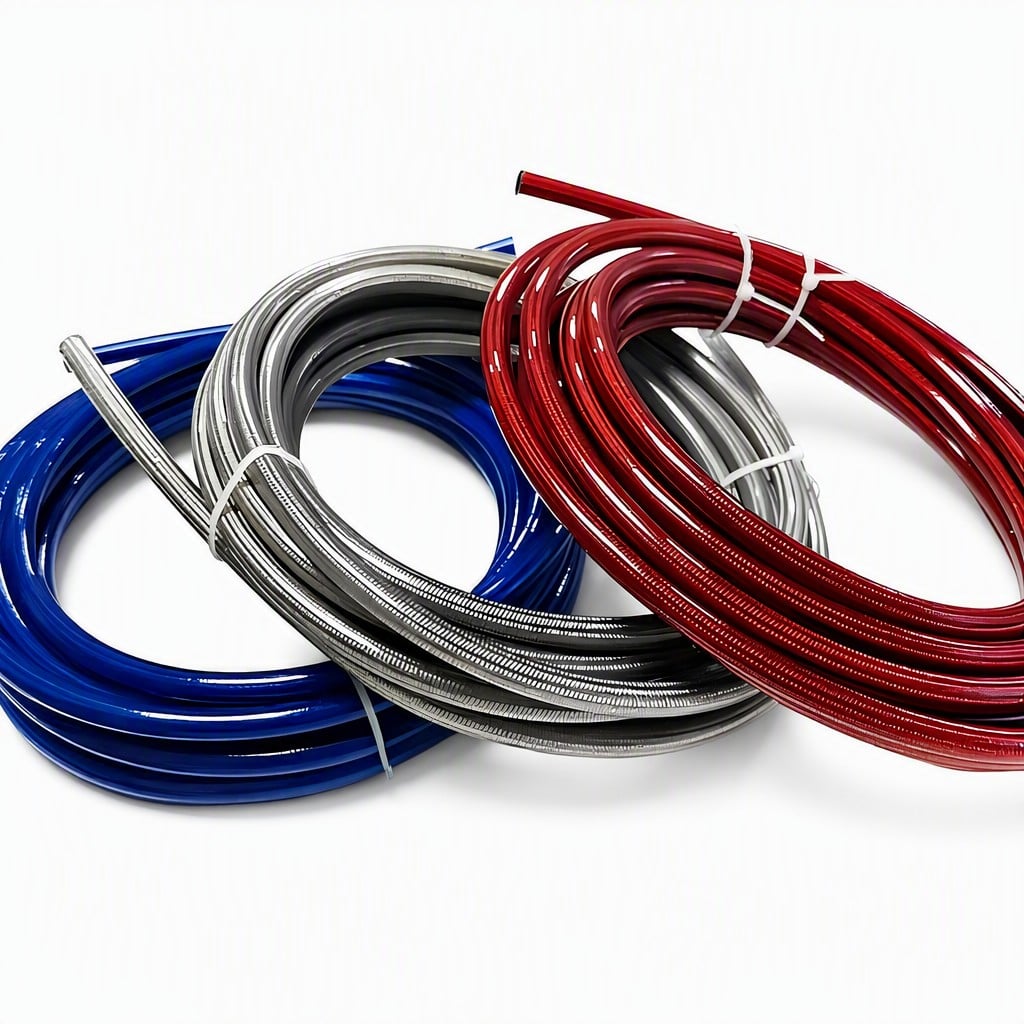
The hydraulic brake tubing in your vehicle transmits fluid pressure from the brake pedal to each wheel's brake caliper or drum. Without proper maintenance of this brake hose system, degradation can lead to brake failure, reduced stopping power, or even complete brake loss. Establishing a routine brake system maintenance schedule and knowing the warning signs of hose deterioration will help you address problems before they become dangerous.
Understanding Your Brake Hose System
Components and Function
A brake hose is a flexible tube made from reinforced rubber, synthetic materials, or braided steel that carries pressurized hydraulic fluid to the braking components. Traditional rubber brake hoses are common in many vehicles, but they are susceptible to internal deterioration over time. The brake hose must withstand extreme pressure, temperature variations, and corrosive road conditions. Rigid metal brake lines connect the master cylinder to the hose, while the flexible brake hose allows movement at suspension and steering components.
Types of Brake Tubing Materials
Standard rubber hoses offer basic functionality but degrade when exposed to ozone, heat, and UV radiation. Hydraulic brake tubing made from advanced synthetic compounds provides improved durability and resistance to chemical breakdown. Braided steel-reinforced hoses deliver superior strength and longer service life, making them popular for performance and heavy-duty applications. Each material has different maintenance requirements and replacement intervals, so identifying your brake system type is the first step in effective brake system maintenance.
Regular Inspection and Early Detection
Visual Inspection Techniques
Inspect your brake hose every month by looking for visible cracks, bulges, soft spots, or discoloration. Squeeze the hose gently—it should feel firm but not hard; excessive softness indicates internal breakdown. Check where the brake hose connects to metal fittings for signs of leakage or seepage. Look around brake components for puddles or wet spots, which indicate hydraulic fluid loss. These visual cues tell you that brake line replacement may be necessary sooner than expected.
Performance Warning Signs
A spongy or soft brake pedal often signals air in the system or internal hose deterioration. Reduced braking responsiveness, especially when brake system maintenance has been neglected, suggests compromised hydraulic brake tubing. If your brake pedal gradually sinks to the floor or requires repeated pumping, fluid is likely leaking through a failing hose. Uneven braking between wheels or pulling to one side during braking can indicate a pinched or blocked brake hose. Any of these symptoms warrants immediate inspection and possible brake line replacement.
Maintenance Practices and Service Intervals
Fluid Flushing and System Cleansing
Brake fluid absorbs moisture over time, which reduces its effectiveness and corrodes internal brake hose components. Most manufacturers recommend flushing brake fluid every two to three years as part of comprehensive brake system maintenance. During a fluid flush, technicians remove old hydraulic brake tubing fluid and replace it with fresh fluid to remove contaminants and moisture. This brake hose maintenance step prevents rust formation inside the brake hose and maintains consistent stopping power. Fresh fluid also helps preserve rubber and synthetic hose materials longer.
Hose Replacement Timing
Standard rubber brake hoses typically last five to seven years, though harsh climates may shorten this interval. Braided and reinforced hydraulic brake tubing options can last ten years or longer with proper care. Your vehicle's age, climate exposure, and driving conditions determine when brake line replacement becomes necessary. If your hose shows cracks, bulges, or leaks, replacement cannot wait. Many vehicle manufacturers recommend replacing the entire brake hose system when major repairs occur, ensuring consistent material age and performance across all brake system maintenance components.
Preventive Care Measures
Park your vehicle in shaded areas when possible to reduce UV exposure on the brake hose. Rinse the undercarriage regularly to remove road salt and corrosive chemicals that degrade rubber hoses. Avoid prolonged contact with gasoline or solvents, which can soften the brake hose material. Check brake fluid condition during routine maintenance; dark, contaminated fluid signals that hydraulic brake tubing and hose components need attention. These simple preventive measures significantly extend the life of your brake hose and reduce the frequency of brake line replacement needs.
FAQ
How often should I replace my brake hose?
Most standard rubber brake hoses should be replaced every five to seven years. However, braided steel-reinforced hoses and advanced synthetic options can last ten years or longer. The exact timeline depends on vehicle age, climate, driving conditions, and brake system maintenance history. If you notice visible damage, leaks, or performance issues, do not wait for the scheduled interval—address brake line replacement immediately for safety.
What is the difference between brake line replacement and brake hose maintenance?
Brake hose maintenance involves regular inspection, fluid flushing, and preventive care to extend the life of existing hydraulic brake tubing. Brake line replacement means removing and installing new hoses, typically when current hoses show signs of failure or have reached end of service life. Proper brake system maintenance can delay the need for brake line replacement, saving time and expense. However, once significant deterioration occurs, replacement is the safest option.
Can I extend brake hose life through better maintenance practices?
Yes, consistent brake system maintenance significantly extends brake hose longevity. Regular fluid flushing, protective parking, undercarriage rinsing, and early detection of problems all contribute to longer hose life. Using high-quality hydraulic brake tubing during replacement and choosing durable materials like braided hoses can also improve durability. While proper brake hose maintenance cannot prevent all degradation, it delays the need for brake line replacement and keeps your braking system safer and more reliable.
 EN