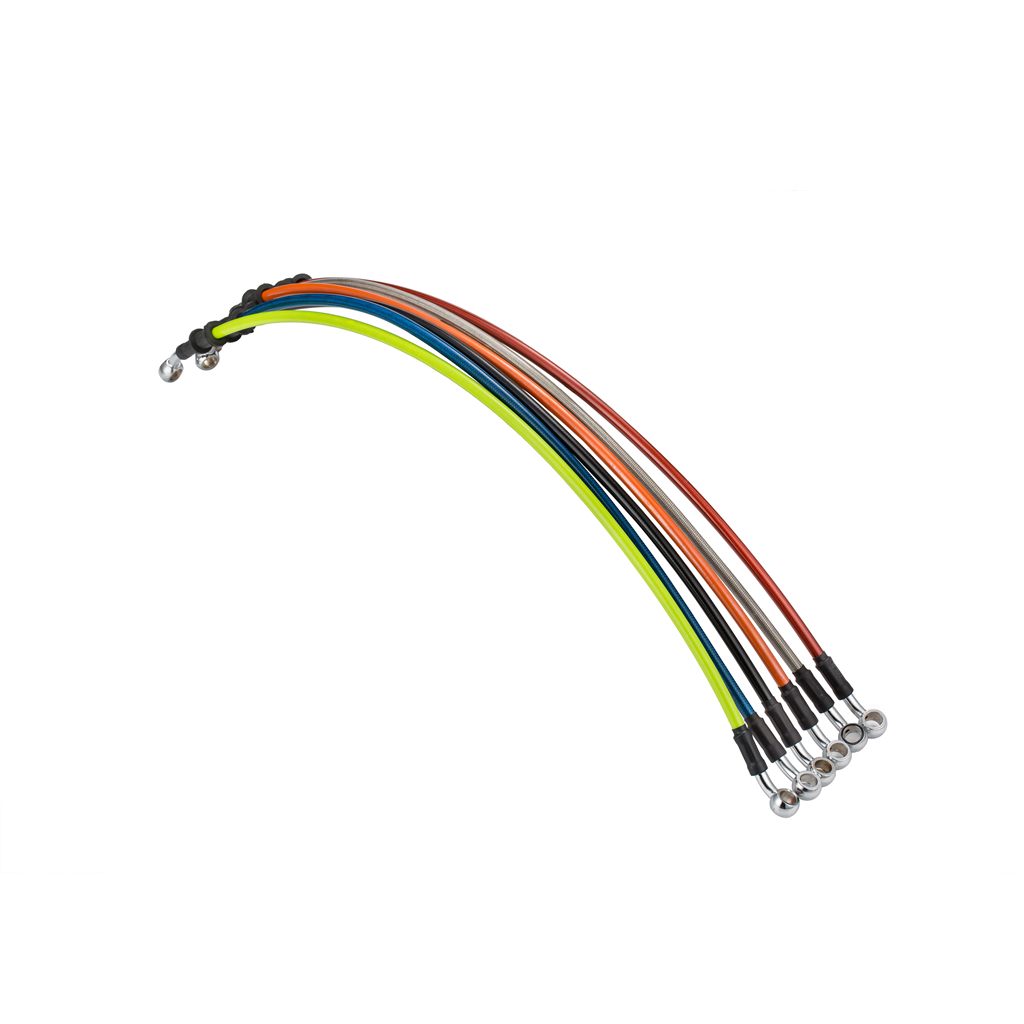
Proper maintenance of a custom brake hose is essential for vehicle safety and optimal braking performance. Whether you drive a street car, track vehicle, or high-performance machine, the condition of your braking system directly impacts your ability to stop quickly and reliably. A custom brake hose represents an investment in your vehicle's stopping power, and understanding how to care for it ensures maximum lifespan and consistent performance. Regular inspections and preventive maintenance can identify potential issues before they become safety hazards.
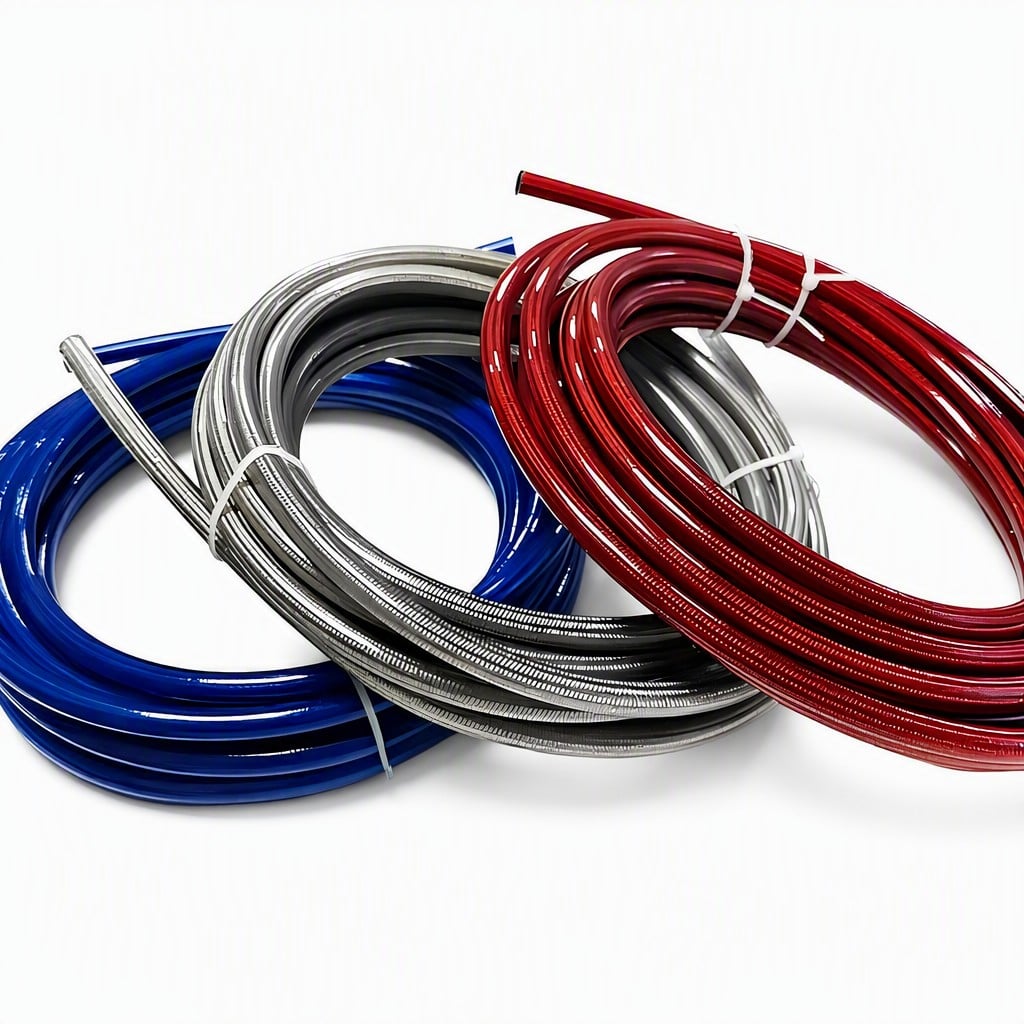
Maintaining your braking system involves understanding the unique characteristics of braided brake lines and hydraulic brake tubing. Each component plays a critical role in delivering brake fluid pressure from your master cylinder to your wheels. Braided brake lines, for instance, offer superior pressure handling and flex resistance compared to rubber hoses, making them popular in performance applications. However, these advanced components require specific maintenance strategies to deliver years of reliable service.
Understanding Your Custom Brake Hose Components
The Structure of Braided Brake Lines
Braided brake lines consist of a stainless steel or PTFE inner core surrounded by a protective woven sleeve. This construction provides exceptional durability and pressure consistency that standard rubber hoses cannot match. The inner tubing carries hydraulic brake fluid under extreme pressure, while the braided exterior protects against abrasion, UV damage, and impact. Understanding this layered design helps explain why different maintenance approaches apply to custom brake hose assemblies.
The hydraulic brake tubing at the core of your custom brake hose must meet strict DOT brake hose specifications to ensure safe operation. These specifications dictate pressure ratings, temperature tolerances, and material compatibility with various brake fluid formulations. When you choose a high-quality custom brake hose, you're ensuring that every component complies with safety standards and performs consistently across diverse driving conditions.
Material Compatibility and DOT Standards
DOT brake hose specifications establish minimum safety requirements for all brake system components. Your custom brake hose must be compatible with DOT 3, DOT 4, or DOT 5.1 brake fluid, depending on your vehicle and application. Understanding these DOT brake hose specifications prevents mixing incompatible materials that could compromise braking performance or cause premature component failure. Regular reference to your vehicle's specifications and brake fluid type ensures you maintain the correct fluid and monitor hose compatibility over time.
Regular Inspection and Visual Assessment
What to Look For During Routine Checks
Monthly visual inspections of your braided brake lines and hydraulic brake tubing can catch problems early. Look for visible cracks, bulges, leaks, or discoloration in the braided covering or fitting connections. Pay special attention to areas where the custom brake hose routes near sharp edges, heat sources, or moving suspension components. Any sign of fluid seepage around fittings indicates a connection that may need tightening or resealing. These simple visual checks take only minutes but provide critical insight into brake system health.
Check all connection points where your braided brake lines attach to calipers, wheel cylinders, and the master cylinder. A small amount of brake fluid residue may be normal, but active dripping suggests a problem requiring immediate attention. Also inspect the protective sleeve of your custom brake hose for cracks or splits in the braiding, which could expose the inner tubing to environmental contaminants. DOT brake hose specifications require that inner tubing remain protected to prevent corrosion and contamination of brake fluid.
Testing Brake Responsiveness
Beyond visual inspection, test your braking system responsiveness regularly to detect hose performance issues. A spongy brake pedal or delayed brake response may indicate air in the hydraulic brake tubing or fluid leaks through a failing custom brake hose. If your pedal feels soft even after bleeding your brakes, inspect all braided brake lines and connections for signs of slow leaks. Performance changes often signal that maintenance or component replacement is needed to restore your braking system to safe operating condition.
Maintenance Procedures and Best Practices
Cleaning and Protecting Your Braided Brake Lines
Keep your braided brake lines clean to prevent dirt, salt, and debris from accumulating on the protective sleeve. A gentle rinse with water and mild soap removes road grime without damaging the braiding or fittings. Dry thoroughly to prevent water from entering connection points or corroding the stainless steel braiding. For vehicles in harsh environments, such as coastal areas with salt spray, more frequent cleaning of your custom brake hose components helps extend their lifespan.
Inspect the routing of your hydraulic brake tubing to ensure it does not rub against other vehicle components during suspension compression or extension. Relocating hoses or adding protective sleeves in high-risk areas prevents chafing that could eventually puncture the outer braiding and compromise the inner tubing. Modern custom brake hose kits are designed for optimal routing, but aftermarket installations may require adjustment. Protecting your braided brake lines from unnecessary friction extends their service life significantly.
Brake Fluid Maintenance and Flushing
The brake fluid inside your hydraulic brake tubing deteriorates over time due to moisture absorption and thermal cycling. Most manufacturers recommend flushing your braking system every two years or as specified in your vehicle's service manual. Fresh brake fluid maintains consistent hydraulic pressure and protects internal components from corrosion. When flushing, ensure you use the correct DOT brake hose specifications-compliant fluid type for your system to avoid compatibility issues with your custom brake hose and seals.
During fluid flushing, inspect all braided brake lines, connections, and the entire hydraulic brake tubing circuit for contamination or discoloration. Dark or cloudy brake fluid indicates moisture absorption or debris inside the system, which may require additional investigation. A professional brake system flush often includes pressure testing of your custom brake hose to verify it maintains pressure without leakage during normal operation. This preventive approach catches problems before they affect braking performance.
FAQ
How often should I replace my custom brake hose?
A well-maintained custom brake hose can last 5 to 7 years or longer, depending on driving conditions and usage patterns. Regular inspection helps determine if replacement is needed sooner. Signs requiring replacement include visible cracking, persistent leaks, or sluggish brake response. High-performance or track-driven vehicles may require more frequent replacement due to extreme pressure and temperature cycling. Always replace hoses that fail DOT brake hose specifications testing or show signs of significant wear.
Can I mix different types of braided brake lines in my system?
It is best to maintain consistency across your braking system by using matching braided brake lines of the same quality and specification. Mixing different hose types or ages can create pressure inconsistencies and reduce braking performance uniformity. If you need to replace individual hoses, choose replacements that match or exceed the original specifications of your custom brake hose kit. Consult your vehicle's manual or a brake system specialist to ensure compatibility when combining new and existing components.
What should I do if my hydraulic brake tubing starts to leak?
A leaking hydraulic brake tubing or connection requires immediate attention, as brake fluid loss compromises stopping power. First, avoid driving the vehicle and do not apply hard brake pressure, as this can worsen the leak. Locate the source of the leak, which is often a loose fitting rather than tubing failure. Attempt to tighten the connection, but if leaking continues, the custom brake hose may need replacement to restore safety. Do not delay repairs, as brake fluid leaks pose serious safety risks.
 EN