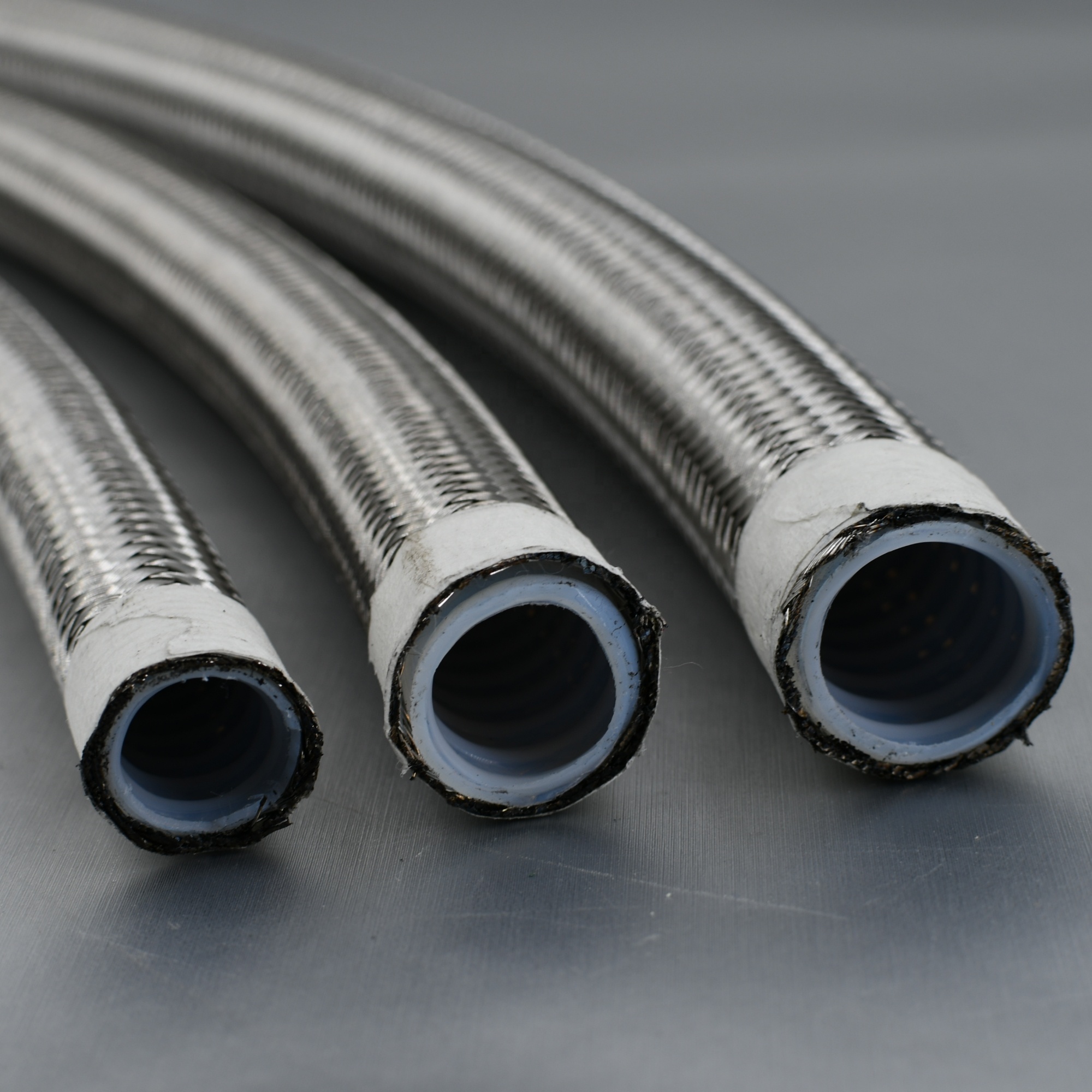
Proper maintenance of your hydraulic hose system is essential for operational safety, equipment longevity, and cost efficiency in industrial and mobile applications. A hydraulic hose carries pressurized fluid throughout your machinery, making it one of the most critical components in any hydraulic system. Neglecting maintenance can lead to unexpected leaks, pressure drops, equipment downtime, and costly repairs. Understanding the fundamentals of how to maintain your hydraulic hose ensures reliable performance and extends the lifespan of your entire hydraulic system.
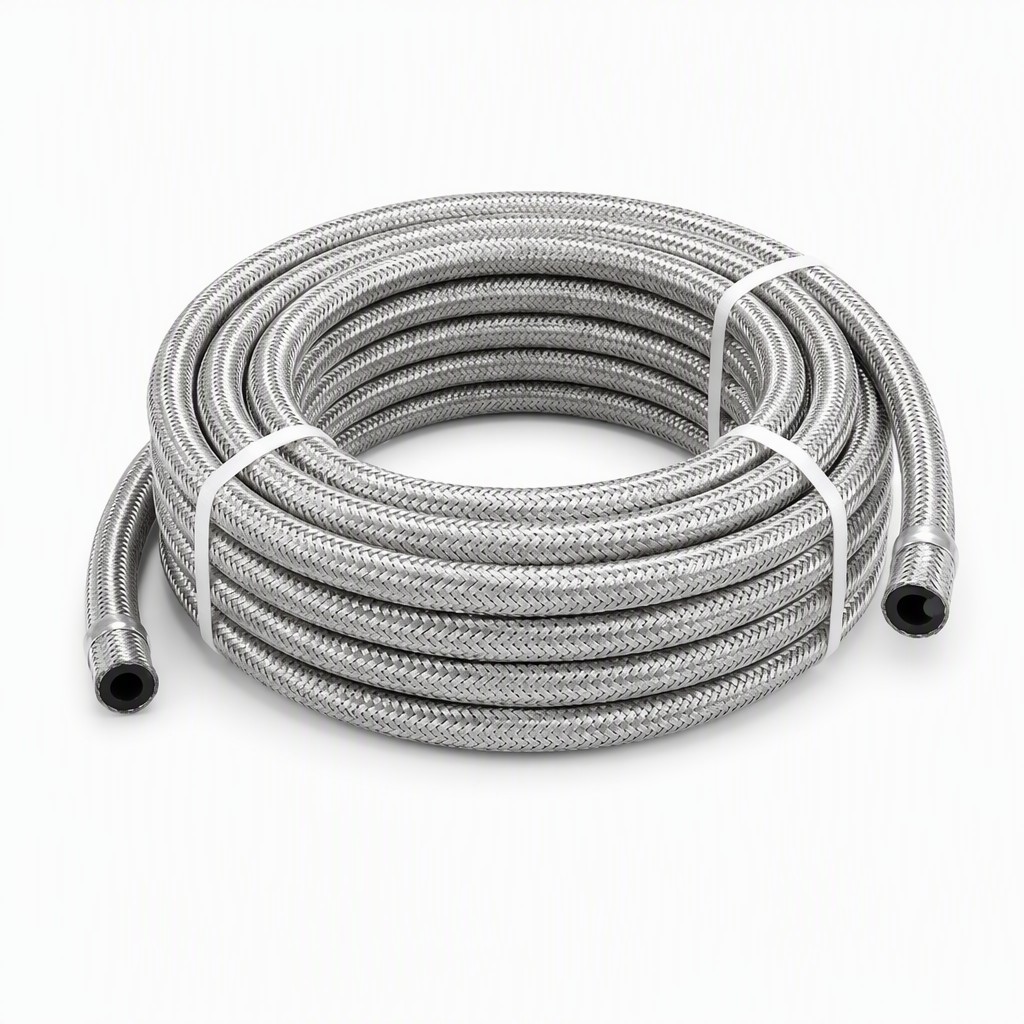
Regular maintenance routines prevent premature wear and protect your investment in hydraulic infrastructure. Whether you operate construction equipment, manufacturing systems, or agricultural machinery, the principles of hose care remain consistent. Implementing a structured maintenance program identifies issues before they escalate into system failures. This guide covers inspection techniques, fluid management, storage practices, and troubleshooting steps that keep your hydraulic hose operating at peak efficiency.
Understanding Your Hydraulic System's Fluid and Pressure Requirements
Selecting the Right Fluid Grade and Specifications
The fluid flowing through your hydraulic hose directly impacts its performance and lifespan. Different applications require different hydraulic fluid grades, viscosity ratings, and additives. Manufacturers specify exact fluid requirements for each system, and deviations can cause accelerated hose degradation, seal failures, and pressure inconsistencies. Consult your equipment manual to confirm the correct fluid type, and maintain detailed records of every fluid change. Contaminated or degraded fluid reduces lubrication, increases friction within the hose and fittings, and promotes internal corrosion. High pressure hose systems demand premium-grade fluids with superior anti-wear properties to handle extreme conditions.
Monitoring System Pressure and Flow Rates
Excessive pressure is one of the leading causes of premature hydraulic hose failure. Install pressure gauges at strategic points in your system to track operating pressure continuously. Compare real-time readings against manufacturer specifications; sustained pressure above rated limits forces the hose material and reinforcement layers to work beyond their design capacity. Pressure spikes, often caused by rapid valve closures or load changes, create stress waves that weaken internal hose structures. Record pressure fluctuations during normal operation to establish baseline readings. When pressure deviates significantly from baseline, investigate the cause immediately. Low flow rates may indicate developing clogs, while high flow rates signal potential leaks or internal blockages that compromise your flexible tubing performance.
Inspection and Identification of Wear Patterns
Visual Inspection Protocols for Hose Condition
Visual inspection is your first line of defense against hose failures. Examine the outer surface of every hydraulic hose at least monthly, or more frequently in demanding environments. Look for visible signs of wear including cracks, bulges, abrasions, or discoloration in the outer cover. Blistering or ballooning indicates internal pressure damage or delamination of hose layers. Mud, dust, and debris accumulation creates abrasive surfaces that cut through protective covers, exposing reinforcement layers beneath. Pay special attention to hose assembly connection points where friction from movement or external contact concentrates stress. Cracked seals around fittings signal that the hose assembly is nearing the end of its service life. Take photographs during inspections to document changes over time and identify patterns of degradation.
Detecting Leaks and Fluid Seepage
Even small leaks compromise system efficiency and cost money through fluid loss. Trace the path of each hose assembly and look for signs of fluid weeping, dripping, or spray patterns. A white crystalline residue around connection points indicates chronic micro-leaks where fluid has been slowly escaping. Fluid pooling beneath equipment reveals larger ruptures or fitting separation. Smell the fluid around suspected leak locations; fresh hydraulic fluid has a characteristic chemical odor. If you detect the smell of burning or oxidized fluid, pressure surges have likely caused internal hose damage that will worsen rapidly. Clean the suspected area thoroughly, run the system for a few minutes, then inspect again. Leaks that appear only under full load indicate that hose pressure exceeds the capacity of internal seals or reinforcement layers.
Preventive Maintenance and Storage Best Practices
Establishing Routine Maintenance Intervals
Preventive maintenance schedules reduce the likelihood of unexpected breakdowns and extend the operational life of your hydraulic hose components. Most manufacturers recommend complete hose assembly inspection every 6 to 12 months for standard industrial applications, though heavy-duty or mobile equipment may require quarterly checks. Create a maintenance log documenting inspection dates, observations, pressure readings, fluid changes, and any repairs performed. Replace hydraulic fluid according to manufacturer recommendations, typically every 2,000 operating hours or annually, whichever comes first. Aged fluid accumulates water, sediment, and oxidized particles that accelerate wear on internal hose surfaces. Keep spare hose assemblies in inventory so that failures do not interrupt production schedules. Test replaced hoses under controlled pressure conditions before returning them to service to verify that repairs meet original specifications.
Proper Storage and Environmental Protection
Environmental conditions significantly affect hose material degradation even when the system is not operating. Store spare hydraulic hose assemblies and high pressure hose inventory indoors in cool, dry environments protected from direct sunlight. Ultraviolet light degrades rubber cover materials, making them brittle and prone to cracking. Temperature extremes cause hose materials to contract and expand, loosening connections and creating internal gaps where contaminants can accumulate. Keep stored hoses away from solvents, oils, and chemicals that are not compatible with the hose cover material. Coil hoses properly using large-diameter spools rather than tight bends, which kink reinforcement layers and reduce internal hose strength. Inspect stored inventory quarterly for signs of degradation or damage before installation. Flexible tubing and hose assemblies exposed to freeze-thaw cycles deteriorate faster, so protect outdoor equipment in winter climates with weatherproof coverings.
FAQ
How often should I replace my hydraulic hose assemblies?
Replace hydraulic hose assemblies when they reach the manufacturer's recommended service life, typically 5 to 10 years depending on application intensity and environmental exposure. Hoses operating under constant high pressure hose conditions may require replacement every 3 to 5 years. Replace any hose showing visible damage, persistent leaks, bulging, or performance degradation immediately, regardless of age. Preventive replacement of hoses nearing their service life prevents catastrophic failures that damage connected equipment.
What causes hydraulic hose failures in heavy-duty applications?
Heavy-duty applications accelerate hose failure through sustained high pressure, temperature cycling, vibration, and external mechanical stress. High pressure hose systems operating near or exceeding design limits experience fatigue that weakens reinforcement layers over time. Inadequate filtration allows contaminant particles to lodge inside hose assemblies, creating abrasive surfaces. Poor routing or unsecured hose sections rubbing against sharp edges, hot surfaces, or moving equipment cuts through outer covers and damages internal layers. Incorrect fluid selection, contamination, or inadequate cooling increases internal stress and accelerates material degradation.
Can flexible tubing be repaired or must it always be replaced?
Small external damage to flexible tubing outer covers can sometimes be temporarily sealed with approved repair tape or wrapping, but this solution is not permanent and does not restore full system integrity. Professionally crimped hose assemblies can be rebuilt by qualified hydraulic technicians who cut off damaged ends and re-crimp new fittings, effectively extending hose life. However, internal damage, delamination, or pressure-rated compromises cannot be safely repaired and require complete replacement of the hose assembly to maintain system safety and reliability.
 EN