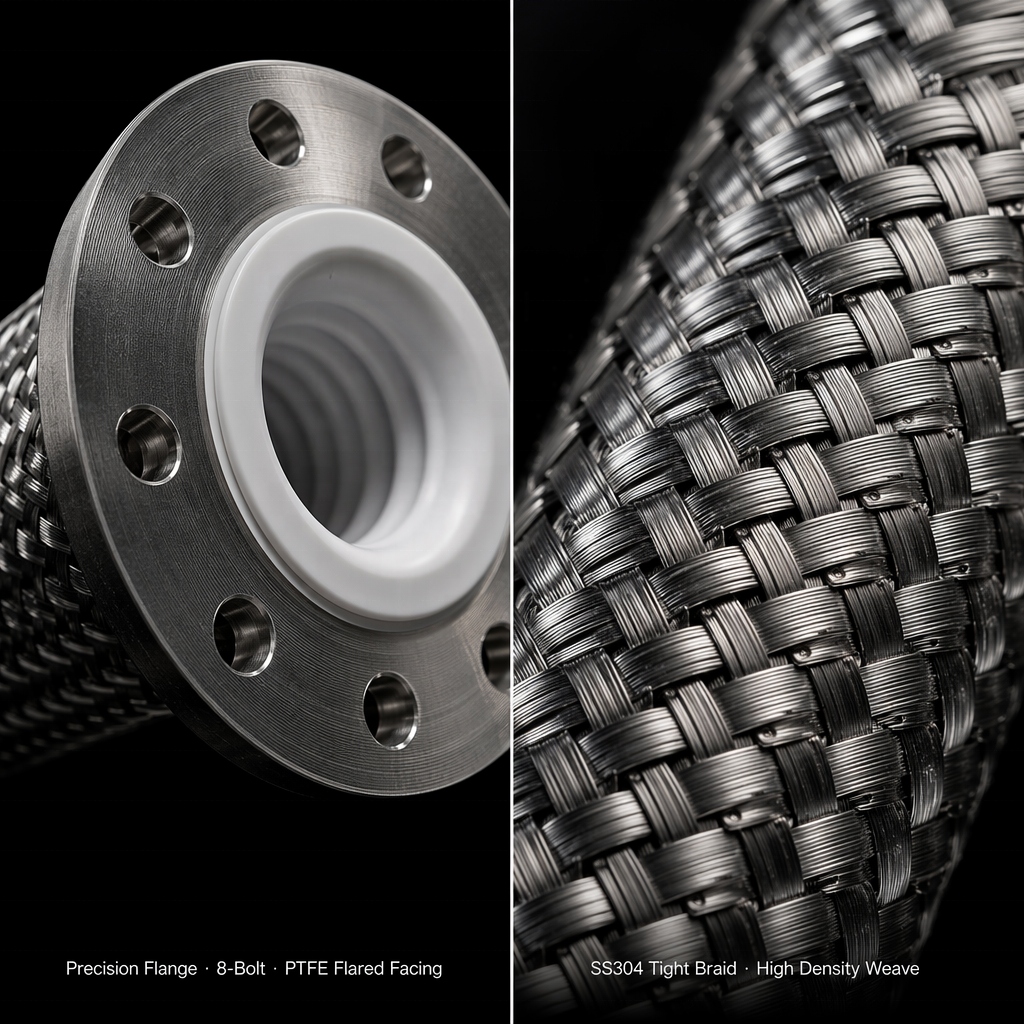
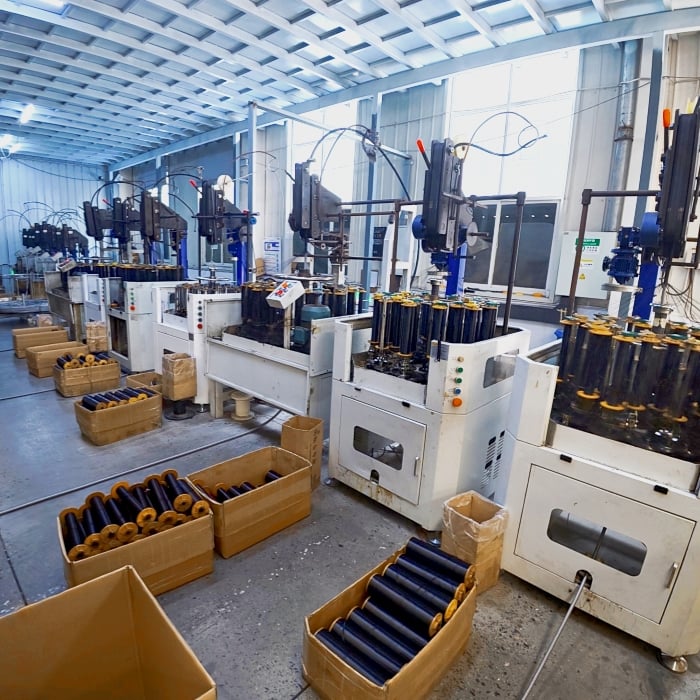
Proper maintenance of an industrial hose is critical for operational efficiency, worker safety, and cost control in manufacturing and processing environments. An industrial hose that fails unexpectedly can disrupt production schedules, create safety hazards, and lead to expensive emergency replacements. By implementing a structured maintenance program, facility managers can significantly extend hose lifespan, reduce downtime, and prevent catastrophic failures. This guide covers the essential practices that keep hydraulic hose assembly systems, chemical resistant tubing, and high pressure hose system installations running reliably.
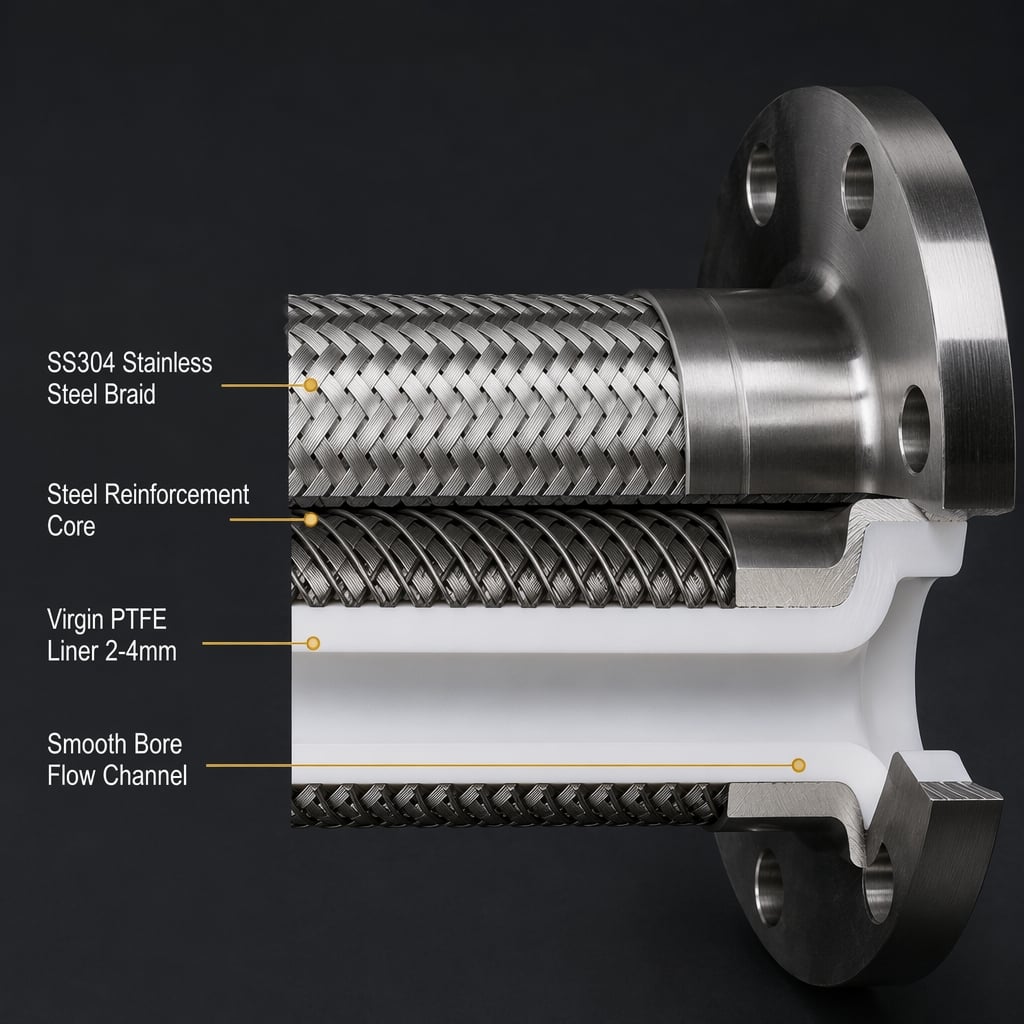
The foundation of effective hose maintenance lies in understanding that each type of industrial hose encounters unique stressors. Whether managing a hydraulic hose assembly in heavy equipment, protecting chemical resistant tubing in processing plants, or operating a high pressure hose system in manufacturing, the maintenance approach must account for fluid type, pressure ratings, temperature extremes, and environmental exposure. Neglecting these factors accelerates degradation and creates operational risks that extend beyond simple equipment loss.
Regular Inspection and Monitoring Protocols
Visual Inspection Techniques
Scheduled visual inspections form the backbone of industrial hose maintenance. Trained personnel should examine the industrial hose surface for cracks, swelling, hardening, discoloration, or fluid seepage at least monthly, or more frequently in high-stress applications. Pay particular attention to areas where the hose bends, connects to fittings, or contacts sharp edges or abrasive surfaces. Chemical resistant tubing requires special scrutiny because chemical penetration often begins invisibly beneath the outer cover before visible damage emerges. Document all findings in a maintenance log to track patterns and predict replacement timing.
Pressure and Flow Rate Testing
Beyond visual checks, testing pressure and flow rates reveals internal degradation that the naked eye cannot detect. A hydraulic hose assembly may appear intact but suffer from internal tube deterioration, reinforcement wire corrosion, or delamination that reduces pressure capacity. Use calibrated pressure gauges to measure working pressure against specification sheets and compare results across inspection cycles. Unexplained pressure drops or fluctuating readings signal imminent failure. High pressure hose system performance should be baseline-tested when new, then monitored at regular intervals to establish normal operating profiles and detect deviations early.
Environmental Storage and Protection Strategies
Temperature and Climate Control
Temperature extremes accelerate industrial hose degradation dramatically. Excessive heat causes elastomer hardening and fluid breakdown, while deep cold makes rubber brittle and prone to cracking. Store industrial hoses in climate-controlled environments between 5 and 25 degrees Celsius when possible. If climate control is unavailable, use protective covers or storage containers that shield hoses from direct sunlight, which causes UV-induced cracking. Chemical resistant tubing is especially vulnerable to temperature fluctuations because many chemical-resistant compounds have narrow thermal operating windows. Avoid storing hoses in areas with heating equipment, direct sunlight through windows, or outdoor exposure without protection.
Positioning and Coiling Best Practices
Improper storage positioning creates permanent kinks and stress points that compromise a hydraulic hose assembly or high pressure hose system before it ever enters service. Store hoses horizontally on racks or coiled loosely with a minimum bend radius that meets or exceeds manufacturer specifications. Never hang hoses from their ends or coil them too tightly, as this crushes the internal reinforcement and reduces pressure capacity. Chemical resistant tubing requires additional care because certain chemical formulations become brittle under compression stress. Label each stored industrial hose with its specification, chemical compatibility, pressure rating, and last inspection date to prevent misapplication and enable quick retrieval during emergencies.
Preventive Maintenance and Replacement Timing
Fluid Contamination Management
Contaminated hydraulic fluid accelerates internal corrosion of a hydraulic hose assembly and promotes seal failure throughout the high pressure hose system. Implement strict fluid monitoring protocols including particle count analysis, water content testing, and viscosity checks at manufacturer-recommended intervals. Change hydraulic fluid according to schedule rather than waiting for visible contamination, and replace inline filters before they become clogged. Chemical resistant tubing performance depends on clean, properly conditioned chemical streams; sediment and water contamination can cause internal coating failure and component separation.
Pressure Relief and Safety Device Inspection
Pressure relief valves and burst-prevention devices protect an industrial hose system from overpressure spikes that cause sudden failure. Test these safety components quarterly to ensure they function within specification tolerances. A faulty relief valve may allow transient pressure spikes to exceed the industrial hose pressure rating, causing rupture without warning. High pressure hose system installations often fail not because the hose itself degrades, but because protective equipment malfunctions. Maintenance schedules must include these critical safety devices alongside the hose itself.
Replacement Interval Guidelines
Establish a replacement schedule based on manufacturer recommendations, operating hours, pressure cycling frequency, and chemical exposure history. Most industrial hoses reach end-of-service life between 5 and 10 years, though high-stress applications may require replacement sooner. A hydraulic hose assembly in a mobile crane operating 24/7 may last only 2 to 3 years, while a chemical resistant tubing system in a batch processor running 8 hours daily may serve 8 to 10 years. Do not wait for failure; proactive replacement during planned maintenance windows prevents emergency downtime and safety incidents. Keep a stock of critical replacement hoses on-site to support rapid replacement when inspection data predicts imminent failure.
FAQ
How often should an industrial hose be inspected?
Monthly visual inspections are standard for most industrial hose installations, with more frequent checks for high-pressure or high-temperature applications. Critical hydraulic hose assembly systems used in safety-sensitive equipment may require weekly or daily monitoring. The inspection frequency should increase if testing data shows progressive pressure loss, visible wear acceleration, or chemical exposure indicators.
What is the typical lifespan of a high pressure hose system?
A well-maintained high pressure hose system typically lasts 5 to 10 years, depending on operating conditions, fluid type, pressure cycling frequency, and environmental exposure. Continuous high-pressure operation, exposure to extreme temperatures, or contact with corrosive chemicals shortens lifespan significantly. Regular maintenance and condition monitoring can extend service life by identifying degradation early and enabling timely replacement before catastrophic failure occurs.
Can chemical resistant tubing be repaired instead of replaced?
Minor external damage to chemical resistant tubing may be temporarily addressed with protective wrapping or patching, but internal degradation, delamination, or chemical penetration requires full replacement. Temporary repairs create false confidence and safety risks; a patched hose can fail suddenly under pressure or chemical exposure. For mission-critical systems, replacement with new chemical resistant tubing is always the safer and more cost-effective long-term solution.
 EN