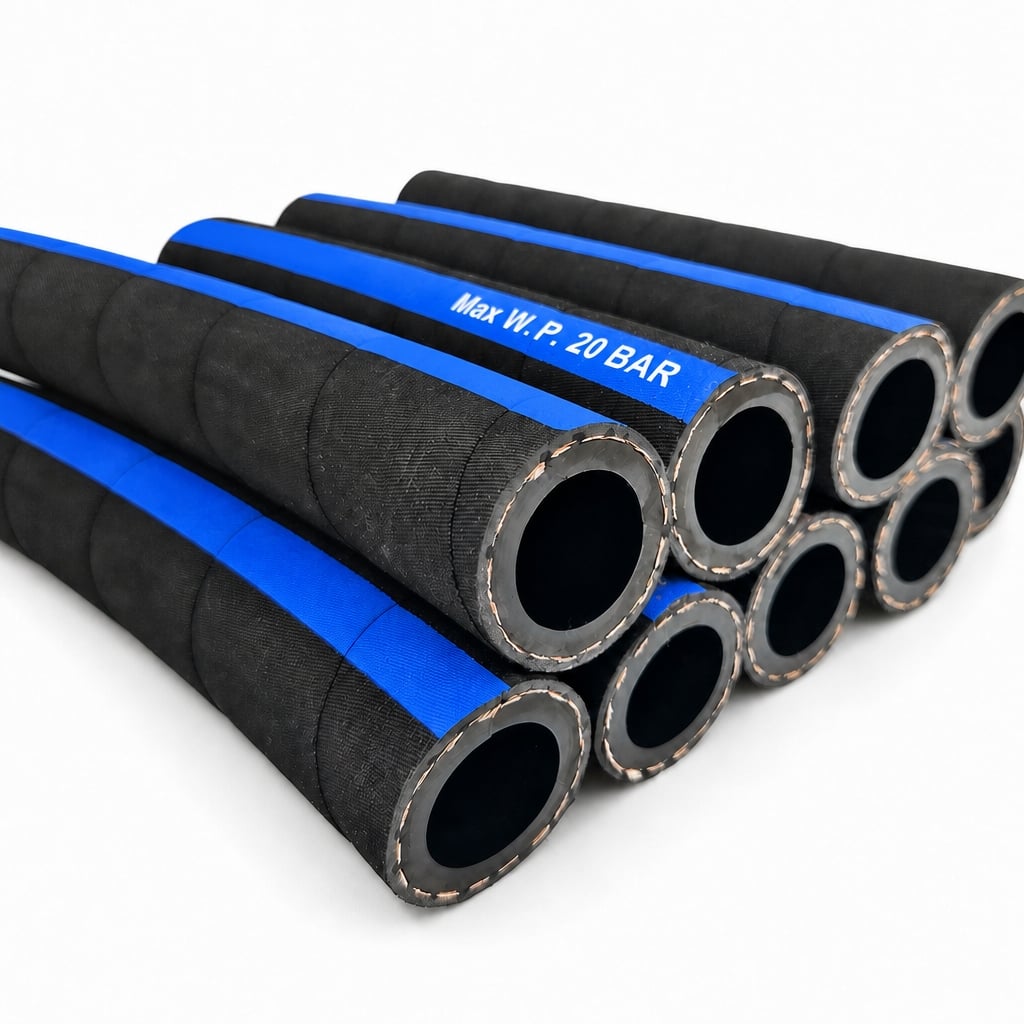
Selecting the right industrial hose for your application is critical to ensuring operational efficiency, safety, and cost-effectiveness in industrial environments. The choice of industrial hose depends on multiple factors including fluid type, operating pressure, temperature range, chemical compatibility, and environmental conditions. Making an informed selection upfront prevents costly failures, downtime, and potential safety hazards that can disrupt production schedules and compromise worker safety.
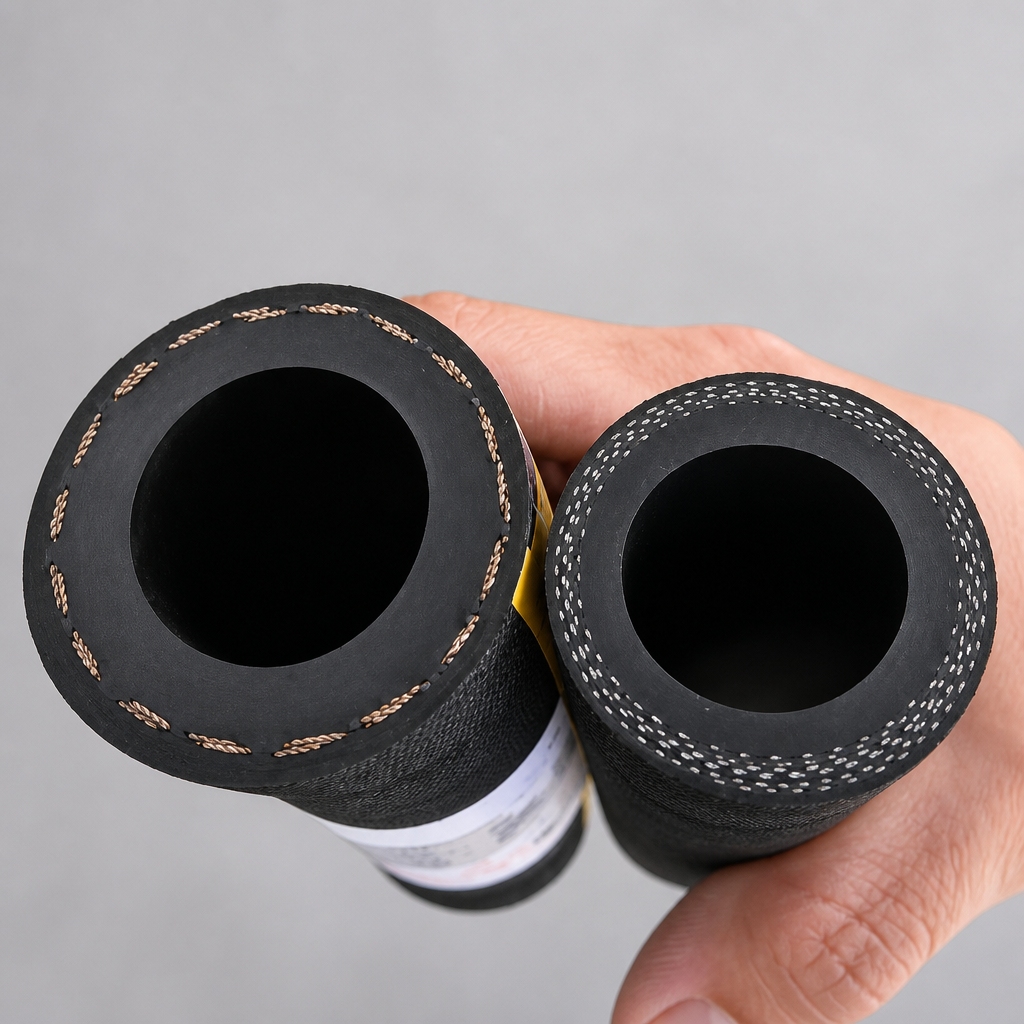
The process of selecting industrial hose requires understanding your specific application parameters and matching them with appropriate hose construction and materials. Whether you need a hydraulic hose assembly for high-pressure power transmission, chemical resistant tubing for corrosive fluid transfer, or a high pressure hose system for demanding industrial processes, the selection criteria remain consistent. Understanding these fundamental principles helps you make decisions that align with your operational needs and regulatory requirements.
Understanding Fluid Type and Pressure Requirements
Analyzing Pressure Specifications
The first critical step when selecting an Industrial Hose involves determining the maximum operating pressure your application demands. Hydraulic hose assembly systems often operate at pressures ranging from 3000 to 5000 PSI, requiring robust construction with multiple steel wire braids or spiral wraps. Exceeding the rated pressure capability of your hose creates rupture risks that endanger personnel and equipment. Review your equipment specifications, system documentation, and engineering drawings to establish exact pressure requirements. Building in a safety factor typically means selecting hose rated at 4 times the maximum working pressure, ensuring reliability under peak demand conditions and transient pressure spikes.
Evaluating Fluid Compatibility
Different hose materials interact differently with various fluids, making chemical compatibility analysis essential for industrial hose selection. Chemical resistant tubing must withstand extended contact with corrosive substances, solvents, oils, water-based fluids, or specialized industrial liquids without degradation or leaching contaminants into the transferred medium. A high pressure hose system designed for mineral oil hydraulic applications may fail when exposed to biodegradable hydraulic fluids or synthetic alternatives. Always cross-reference your fluid type against the hose manufacturer's chemical compatibility chart. Hose materials like PTFE, nitrile rubber, EPDM, and various thermoplastics each offer distinct resistance profiles. Choosing incompatible combinations leads to premature hose failure, potential product contamination, and operational disruptions that extend beyond simple replacement costs.
Environmental and Installation Factors
Assessing Temperature Conditions
Temperature extremes significantly impact hydraulic hose assembly performance and service life. Most industrial hose operates effectively within -40°F to 212°F range, but specialized applications may require extended temperature ratings. High pressure hose systems exposed to direct sunlight, equipment heat, or outdoor environments experience accelerated aging from UV exposure and thermal stress. Cold environments demand hose materials that maintain flexibility and don't become brittle. Review your facility layout, seasonal variations, and proximity to heat sources when specifying industrial hose. Consider not just ambient temperature but also fluid temperature during operation, as flowing media often generates heat that raises hose internal temperatures above surrounding air conditions. Selecting appropriate temperature-rated hose prevents failures that occur when materials exceed their thermal design limits.
Installation Space and Routing Constraints
Physical installation requirements often constrain industrial hose selection as much as performance specifications. Chemical resistant tubing may need to navigate tight spaces, cross sharp corners, or fit within confined equipment layouts. Minimum bend radius specifications determine whether a hose can physically route through your application without kinking or restricting flow. Larger diameter hoses for high pressure hose systems occupy more space but handle volumetric flow more efficiently. Consider vibration isolation, mechanical abrasion points, and proximity to moving equipment when planning hose routing. Some applications require flame-resistant or food-grade industrial hose, adding material considerations beyond basic pressure and chemical requirements. Proper support and fastening prevent hose movement that causes premature wear or catastrophic failure from metal fatigue at connection points.
Material Selection and Regulatory Compliance
Choosing Hose Construction Materials
Modern hydraulic hose assembly construction uses multiple material layers, each serving specific functional purposes. The inner tube must resist the specific fluid being transferred and withstand working pressure without permeation or swelling. Reinforcement layers provide pressure containment and structural integrity through steel wire braiding or spiral configurations. The cover protects against environmental damage, UV degradation, and mechanical abrasion while containing the pressurized fluid. Chemical resistant tubing often emphasizes cover formulations that resist ozone, weather, and specific chemical families relevant to your industry. A high pressure hose system typically incorporates synthetic rubber compounds or advanced thermoplastics that provide superior chemical resistance compared to natural rubber alternatives. Evaluate whether your application requires specialized features like flame resistance, antistatic properties, or food-grade certification. Each material choice affects both performance capability and total cost of ownership across the hose's service life.
Meeting Industry Standards and Compliance
Industrial hose selection must comply with applicable industry standards and regulatory requirements specific to your sector. Hydraulic hose assembly products should meet SAE J343 or DIN EN 856 standards that define pressure ratings, dimensions, and performance criteria. Chemical resistant tubing may require compliance with FDA regulations if used in food processing or pharmaceutical applications. Aerospace, automotive, and oil and gas industries maintain distinct hose qualification standards that govern material selection and testing protocols. High pressure hose systems used in hazardous locations must often carry approvals from organizations like UL, CSA, or ATEX certification bodies. Understanding your regulatory environment prevents selecting industrial hose that doesn't meet mandatory compliance requirements. Documentation requirements, traceability standards, and certification maintenance become critical for industries subject to routine audits. Consult your quality and compliance teams early to identify applicable standards before finalizing hose specifications and supplier qualification.
FAQ
What determines the correct diameter for industrial hose selection?
The correct diameter for industrial hose depends on volumetric flow requirements, acceptable pressure drop, and system design velocity specifications. Engineers typically target flow velocities of 10-15 feet per second for pressure lines and 2-4 feet per second for return lines in hydraulic systems. Larger diameter hoses reduce pressure drop and heat generation but occupy more physical space and increase material costs. Calculate required flow in gallons per minute, then use hose sizing charts to determine the minimum acceptable inner diameter. Undersized hose creates excessive pressure drop, heat generation, and component wear, while oversized hose wastes material and installation space. Consider future flow requirements and system expansion when selecting diameter to avoid premature obsolescence.
How often should industrial hose be inspected or replaced?
Industrial hose inspection intervals depend on operating conditions, fluid type, and environmental exposure, but most systems benefit from annual inspections or earlier if problems appear. Visual inspection should check for surface cracks, cover degradation, blistering, or discoloration indicating hose deterioration. High pressure hose systems under constant operation may require more frequent inspections than intermittent-duty applications. Chemical resistant tubing exposed to aggressive fluids typically needs shorter replacement intervals than standard mineral oil systems. Pressure testing and performance verification become more critical in safety-critical applications like aviation or hazardous material handling. Many industries recommend replacing industrial hose at 5-10 year intervals regardless of apparent condition, as internal degradation may not be visible externally. Establish a preventive maintenance schedule based on your specific operating conditions and regulatory guidance.
Can industrial hose be repaired or must it be replaced after damage?
Most high-pressure industrial hose should be replaced rather than repaired when damage occurs, particularly for hydraulic hose assembly and critical applications. Small surface abrasions or minor cover damage may be addressed with protective tape or sleeve solutions as temporary measures, but these are not permanent repairs. Pinhole leaks, cracks in inner tubing, or separation of reinforcement layers compromise pressure containment and create failure risks. Chemical resistant tubing damaged by chemical attack or thermal degradation cannot be safely repaired and should be replaced to maintain integrity. Some industrial applications allow field repair kits for emergency situations, but these are temporary solutions requiring hose replacement at the next maintenance interval. Cost comparison often favors replacement over repair, especially considering labor costs and downtime expenses. Always consult manufacturer guidance and your safety team before attempting any repair on industrial hose systems.
 EN