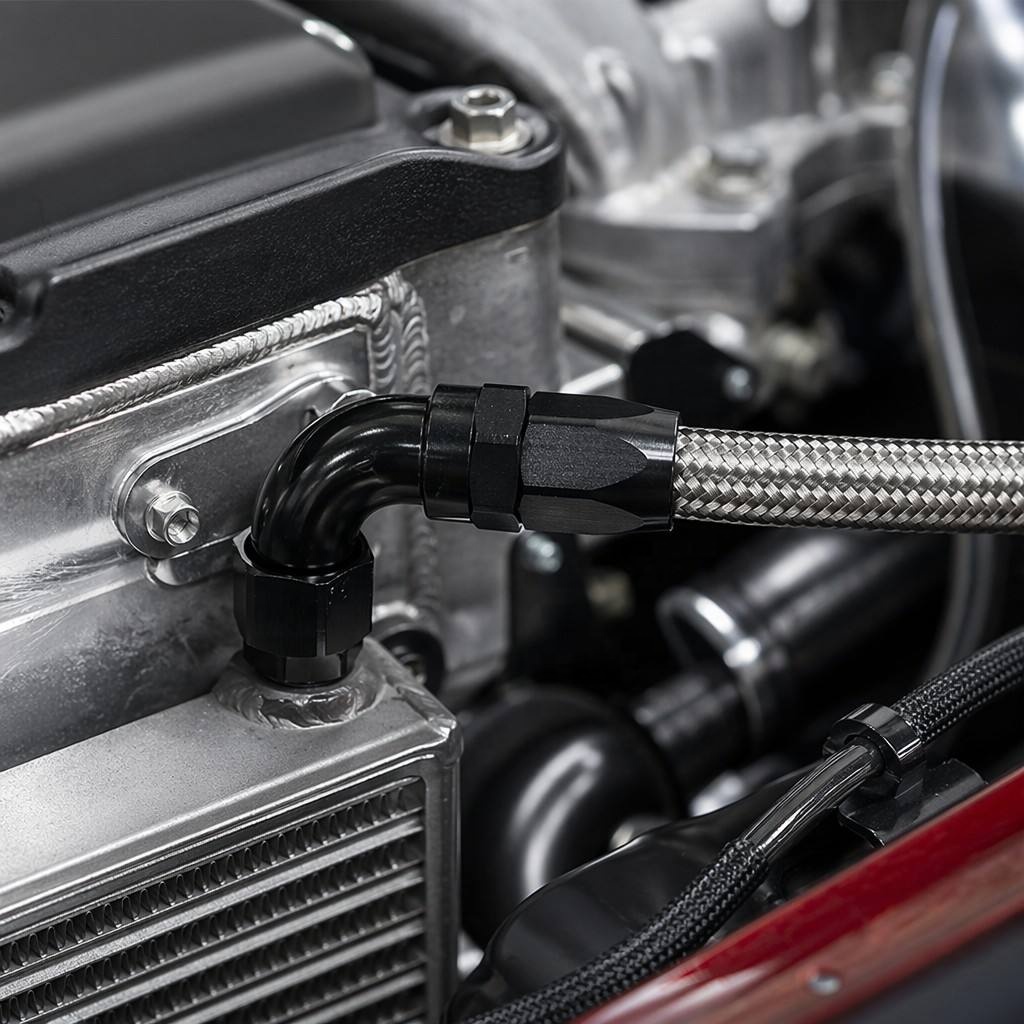
Selecting the correct AN fitting is essential for maintaining system integrity, preventing leaks, and ensuring optimal performance in hydraulic applications. Whether you are designing a high-pressure racing system or managing industrial fluid transfer, the wrong sizing choice can lead to catastrophic failures, costly downtime, and safety hazards. Understanding how to match AN fitting specifications to your application requirements is a critical skill for engineers, mechanics, and maintenance professionals. This guide walks you through the key considerations that make proper AN fitting selection straightforward and reliable.
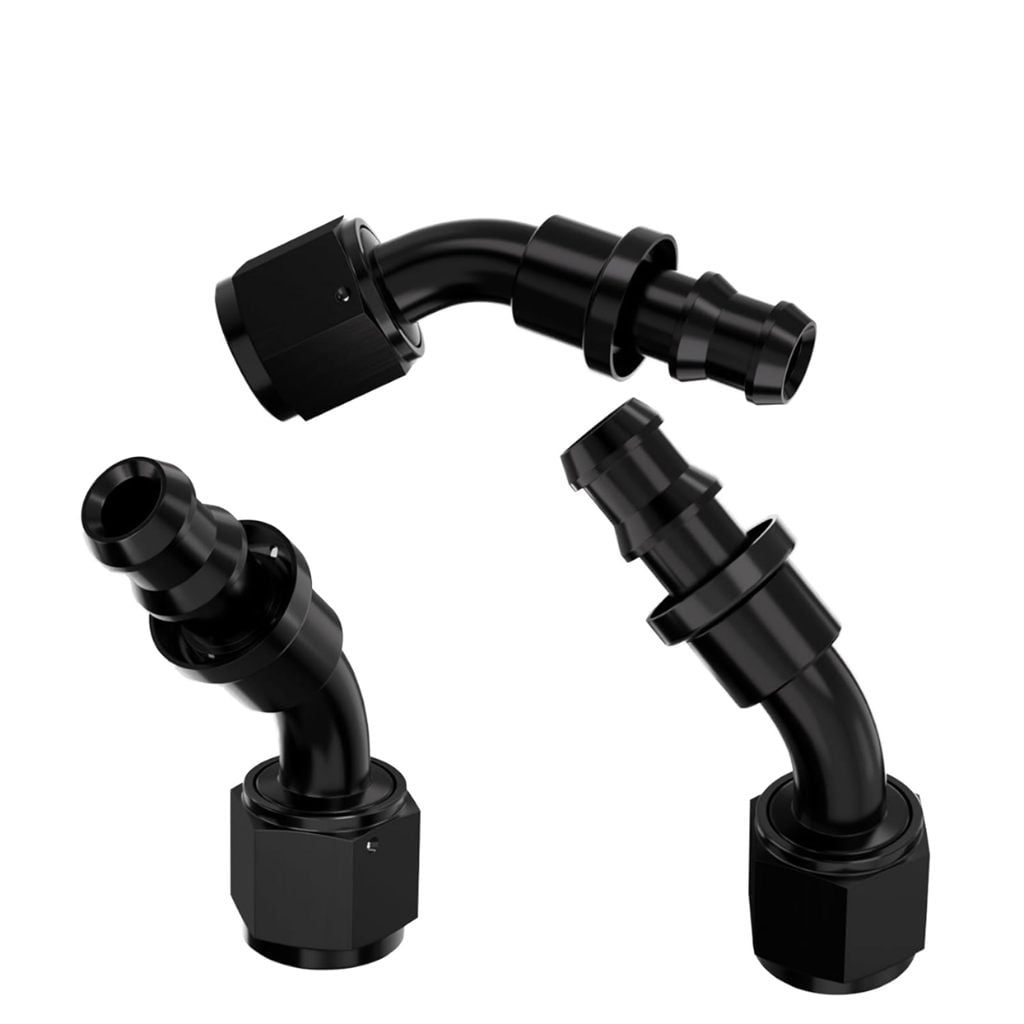
The AN fitting system, originally developed for aerospace applications, has become the industry standard for high-pressure hydraulic connections in automotive racing, industrial machinery, and specialized equipment. Each AN size corresponds to a specific hose diameter and connection geometry, and selecting the wrong size introduces fluid loss, pressure drop, and component damage. The process requires understanding nominal sizes, thread specifications, compatibility with your hose diameter, and pressure rating alignment. By following a structured approach to AN fitting selection, you can confidently choose the right components for your system.
Understanding AN Fitting Nomenclature and Size Standards
Decoding AN Size Designations
AN fitting sizes are named using a simple numerical code that directly correlates to the outside diameter of the hose that connects to it. An AN-4 fitting accommodates a hose with a 1/4-inch outer diameter, an AN-6 fits a 3/8-inch outer diameter hose, and an AN-8 matches a 1/2-inch hose. This straightforward naming convention eliminates confusion and makes specification selection intuitive once you know your required hose diameter. The AN connector size numbering progresses in two-unit increments, creating a standardized range from AN-2 through AN-20 and beyond for specialized applications.
Understanding Thread Types and Pressure Ratings
Beyond the AN size number, you must consider the thread configuration, material composition, and pressure rating of each component. AN fittings typically feature JIC 37-degree flare threads, which create a cone-shaped seal that accommodates high-pressure environments without leaking. Some applications require an AN thread adapter to connect AN fittings to different thread standards, such as NPT or SAE connections on legacy equipment. Pressure ratings vary by AN fitting size and material; for instance, aluminum AN fittings handle lower pressures than stainless steel equivalents. Understanding these distinctions prevents mismatched installations that compromise system reliability.
Matching AN Fitting Size to Your Hose and Flow Requirements
Calculating Required Flow Capacity
The appropriate AN fitting size depends primarily on your system's flow rate, operating pressure, and fluid viscosity. Undersized AN connectors create bottlenecks that reduce flow efficiency, increase pressure drop across the connection, and generate heat that damages seals and fluid quality. Oversized AN fittings waste space, add weight, and can introduce vibration issues in high-speed applications like racing engines. To match sizing correctly, determine your system's required flow rate in gallons per minute, then reference industry flow charts that correlate AN fitting sizes to pressure-drop values. Most hydraulic system designers aim for velocity between 10 and 15 feet per second through the connection, which provides a balance between efficiency and component durability.
Coordinating with Hose and Component Architecture
Your AN fitting selection must coordinate with the hose diameter, pump capacity, and downstream components in your system architecture. If your system runs a pump capable of 20 gallons per minute but you specify an AN-4 fitting, the restricted flow will cause pressure backup, pump cavitation, and eventual system failure. Conversely, specifying AN-12 fittings for a low-flow fuel system is wasteful and introduces unnecessary complexity. The AN quick disconnect coupling you select should match the main AN fitting size; mismatched quick disconnects allow fluid spillage during maintenance and compromise system cleanliness. Cross-referencing your pump displacement, operating pressure range, and component specifications ensures your AN fitting choice supports the intended application.
Practical Selection Process and Installation Considerations
Step-by-Step Selection Methodology
Begin by documenting your system's pressure rating, flow capacity in gallons per minute, and any space or weight constraints. Next, identify the hose diameter your system requires based on flow calculations and pressure drop analysis. Cross-reference that hose diameter to the corresponding AN fitting size; a 1/4-inch hose uses AN-4, 3/8-inch uses AN-6, and so forth. Verify that your chosen AN fitting size, material, and thread type match the system's maximum operating pressure and environmental conditions. For high-temperature or corrosive environments, upgrade from standard aluminum to stainless steel or nickel-plated AN fittings. Finally, ensure your AN connector, AN thread adapter, and any AN quick disconnect coupling specifications align before purchasing and installation.
Avoiding Common Selection Errors
Many professionals confuse AN fitting size with thread size, leading to purchasing incompatible components that cannot physically connect. Others select standard aluminum AN fittings for high-pressure racing applications, where the components fail under operating load. A frequent mistake involves ignoring pressure ratings on AN connectors and AN thread adapters, resulting in catastrophic seal failure during peak system demand. Some installers overlook the importance of matching AN quick disconnect coupling specifications to the main line size, creating fluid loss and contamination hazards. To avoid these pitfalls, always verify manufacturer specifications, cross-check three independent sources before ordering, and consult with experienced technicians if your application falls outside standard parameters. Investing time in proper selection during the design phase prevents expensive rework and dangerous field failures.
FAQ
What is the relationship between AN fitting size and hose outer diameter?
AN fitting size directly corresponds to the outer diameter of the hose it accommodates. An AN-4 fitting connects to a hose with a 1/4-inch outer diameter, an AN-6 to a 3/8-inch hose, an AN-8 to a 1/2-inch hose, and the pattern continues in two-unit increments. This standardized naming system eliminates confusion and ensures compatibility when you specify the correct AN connector size for your hose.
How do I know if I need an AN thread adapter or a standard AN quick disconnect coupling?
An AN thread adapter is necessary when your system connects AN fittings to different thread standards, such as NPT or SAE connections on older equipment. An AN quick disconnect coupling is used when you need to frequently connect and disconnect hose sections without fluid spillage or system depressurization. Choose based on your system's connection requirements; if all connections are permanent, use standard AN fittings. If you need periodic disconnection, upgrade to an appropriate AN quick disconnect coupling that matches your AN fitting size.
Can I use a smaller AN fitting size to save weight in racing applications?
Using an undersized AN fitting creates excessive pressure drop, reduces flow efficiency, and generates heat that damages seals and fluid. In racing applications, pressure drop and heat generation directly reduce engine power output and increase the risk of hydraulic failure at critical moments. Always specify the AN fitting size that your flow calculations and pressure analysis require, even if it adds slight weight. The performance and reliability gains far outweigh the minimal weight savings from undersizing.
 EN