 EN

how-to-select-the-correct-custom-brake-hose-diameter-for-your-vehicle, how-to-select-the-correct-custom-brake-hose-diameter-for-your-vehicle, /news
EN
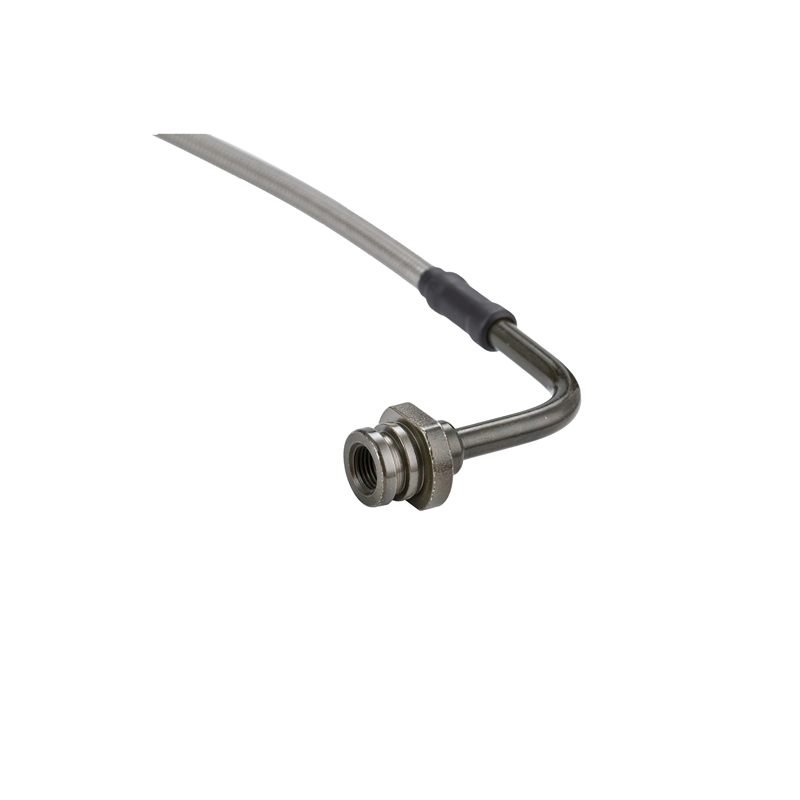
Choosing the correct custom brake hose diameter is one of the most critical decisions when upgrading your vehicle's braking system. The diameter of your brake lines directly impacts hydraulic fluid flow rate, brake response time, and overall system performance. An incorrectly sized hose can compromise stopping power, create pressure inconsistencies, or lead to safety failures. Understanding how to select the proper diameter ensures your braking system operates at peak efficiency while maintaining safety standards and regulatory compliance.
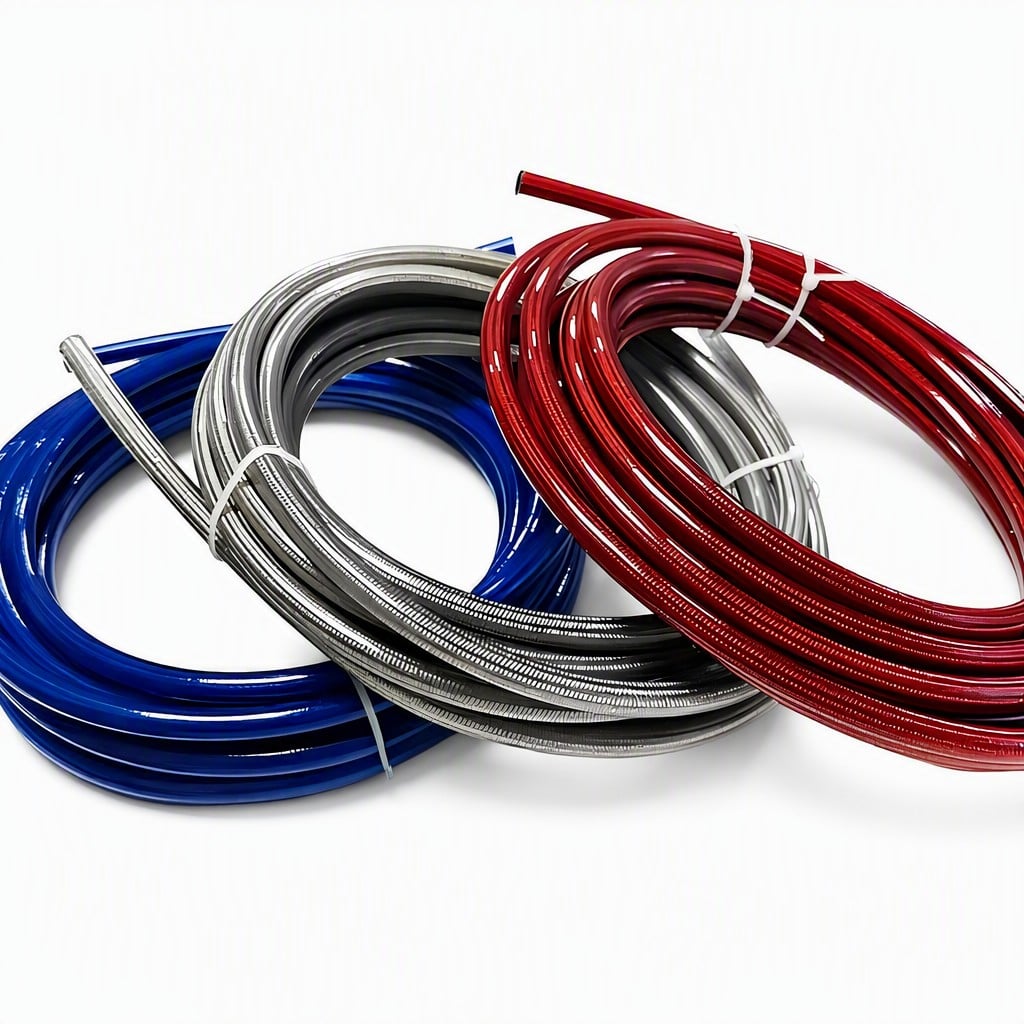
The process of selecting a custom brake hose involves understanding your vehicle's original specifications, the demands of your driving style, and the performance characteristics you want to achieve. Whether you're upgrading to braided brake lines for better durability, working within DOT brake hose specifications, or configuring hydraulic brake tubing for a modified engine bay layout, diameter selection must follow engineering principles. This guide walks you through the essential factors that determine the right hose diameter for your specific application, ensuring your braking upgrade delivers reliable performance without compromising safety.
The diameter of a braided brake line or rubber hose determines how much hydraulic fluid can flow through the system per unit of time. Conversely, smaller diameters create higher pressure concentrations, which may be appropriate for light-duty vehicles or stock brake setups. When selecting a custom brake hose, you must balance flow capacity with pressure control to match your vehicle's caliper size, master cylinder displacement, and intended use. The hydraulic brake tubing diameter also influences the structural integrity of the system under extreme braking conditions.
Most vehicles use standardized brake hose diameters that comply with DOT brake hose specifications and ISO standards. Common sizes range from 1/8 inch to 3/8 inch internal diameter, with most passenger vehicles using 3/16 inch or 1/4 inch lines. Performance braided brake lines often come in these same standard diameters to ensure compatibility with existing fittings and master cylinders. Before ordering a custom brake hose, verify your original equipment manufacturer (OEM) specifications by consulting your vehicle's service manual or brake system documentation. This baseline measurement prevents expensive compatibility errors and ensures your hydraulic brake tubing integrates seamlessly with your existing components.
Different vehicle categories require different brake hose configurations. Trucks and SUVs with larger braking systems typically need braided brake lines and hydraulic brake tubing with diameters between 5/16 inch and 3/8 inch to handle the volume demands of heavier loads. Compact cars and sedans usually operate efficiently with 3/16 inch or 1/4 inch custom brake hose. Performance-oriented vehicles and racing applications may require oversized hoses to maximize fluid delivery and minimize response lag. Your vehicle's original brake line diameter is your starting point, but performance upgrades may justify larger sizes. Understanding how your specific vehicle architecture channels brake fluid helps determine whether upsizing is beneficial or unnecessary.
Your master cylinder bore size and brake caliper piston area directly influence the ideal custom brake hose diameter. DOT brake hose specifications establish minimum requirements based on these component relationships, but exceeding the minimum may offer performance benefits in demanding applications. Calculate the total fluid volume your system requires and consult DOT brake hose specifications to confirm your chosen diameter supports that demand without excessive pressure drop.
Track driving, racing, and high-performance street applications place extreme demands on brake systems that stock braided brake lines and hydraulic brake tubing may not handle. If you frequently subject your vehicle to sustained hard braking, high-speed cornering, or repeated maximum-effort stops, upgrading to a larger custom brake hose diameter improves thermal stability and reduces fade. Casual city driving and highway use typically work well within OEM specifications, whereas motorsports applications often benefit from a hose diameter increase of 1/16 inch or 1/8 inch above stock. This consideration becomes especially important when combining hose upgrades with performance brake pads, larger rotors, or modified weight distribution. Your actual brake intensity directly informs whether a diameter upgrade is a practical improvement or an unnecessary expense.
DOT brake hose specifications establish mandatory pressure ratings, material standards, and performance thresholds that all road-legal brake hoses must meet. These specifications define minimum wall thickness, burst pressure requirements, and thermal resistance limits for braided brake lines and hydraulic brake tubing used in vehicles. When selecting a custom brake hose, verify that your chosen product carries DOT certification and meets or exceeds the pressure requirements of your specific brake system design. Non-compliant hoses may fail under emergency braking or heat stress, creating dangerous safety gaps. Always purchase brake components from reputable manufacturers who provide documentation confirming DOT compliance and pressure ratings for each hose diameter offered.
Every braided brake line and custom brake hose carries a rated burst pressure, which must exceed your system's maximum operating pressure by a safe margin. Most road vehicles operate brake systems at 800 to 1200 PSI under normal conditions, with peak pressures during emergency stops reaching higher levels. Your chosen hose diameter and construction should maintain a burst pressure rating at least three times your system's maximum anticipated pressure, ensuring the custom brake hose withstands extreme conditions without rupture. High-performance applications and racing use may require even more conservative safety margins. Consulting DOT brake hose specifications and working with brake system engineers helps ensure your hydraulic brake tubing selection includes adequate safety reserves for your intended use.
Begin by documenting your vehicle's original brake hose diameter and identifying whether you're performing a direct replacement or an upgrade. Measure the internal diameter of your existing brake lines and verify compatibility with your master cylinder and caliper specifications. If upgrading to braided brake lines for improved aesthetics or durability, you can typically maintain your stock custom brake hose diameter unless performance demands warrant an increase. Consult DOT brake hose specifications relevant to your vehicle's brake system design and confirm your chosen diameter meets minimum requirements. If modifying your brake system with larger calipers, altered routing, or performance enhancements, recalculate fluid volume demands and pressure requirements to justify diameter changes. Test your selection against your intended use case and confirm the finished system delivers the response and modulation you expect.
A frequent error is oversizing the custom brake hose diameter beyond what your hydraulic brake tubing layout and master cylinder can effectively support. Excessively large braided brake lines may increase hose volume to the point where brake pedal travel becomes excessive and response becomes sluggish. Conversely, undersizing creates pressure spikes and promotes fade during sustained braking. Using mismatched hose diameters across your brake system generates imbalanced pressure distribution that impairs braking performance and creates dangerous feel inconsistencies. Ignoring DOT brake hose specifications when selecting a custom brake hose diameter compromises safety and may violate road-use regulations. Always verify your diameter selection against your vehicle's service documentation and consult the manufacturer's engineering data before finalizing your purchase.
Oversizing your custom brake hose diameter increases the total fluid volume in your brake system, which can extend brake pedal travel and reduce the sharpness of your brake response. Excessively large braided brake lines may cause the pedal to feel mushy or delayed, making precise braking control difficult. In extreme cases, an oversized hose diameter combined with a small master cylinder can make the brakes feel unresponsive or require excessive pedal pressure to achieve adequate stopping force. Always match your hose diameter to your master cylinder displacement and caliper size to maintain proper hydraulic balance.
Mixing different diameters across your custom brake hose runs is generally not recommended because it creates uneven pressure distribution and unpredictable brake balance. DOT brake hose specifications assume uniform diameter throughout your hydraulic brake tubing to ensure consistent pressure response. If you must use different sizes due to routing constraints, consult a brake system engineer to verify that the pressure variations remain within safe limits and that your vehicle maintains predictable, balanced braking performance across all wheels.
Check your vehicle's service manual for the OEM brake line diameter specification, then cross-reference that measurement against DOT brake hose specifications for your brake system type. Measure your existing braided brake lines or hydraulic brake tubing with calipers to confirm the internal diameter. When purchasing a new custom brake hose, request documentation from the manufacturer confirming DOT compliance, pressure rating, and dimensional specifications. Reputable brake hose suppliers provide detailed product specifications that clearly state diameter, pressure rating, and DOT certification status for every product.
