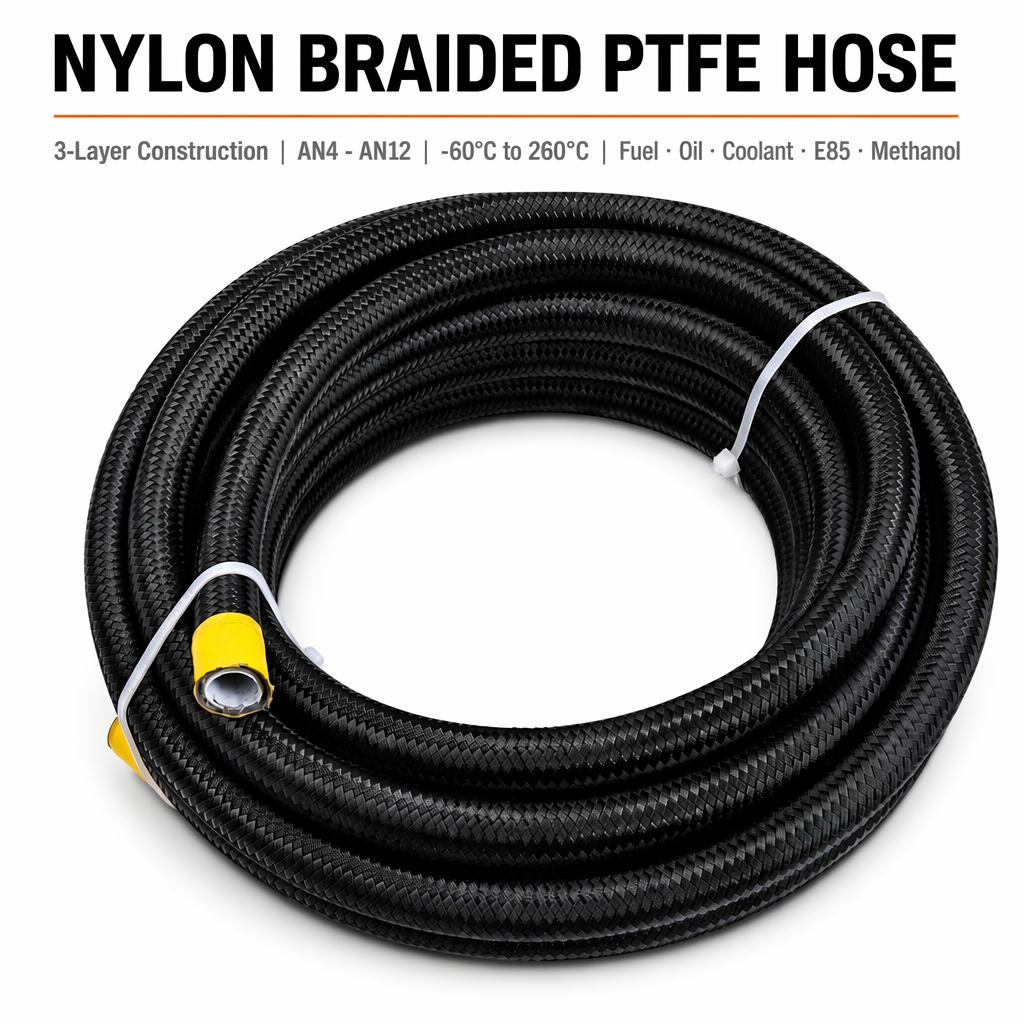
Choosing the correct diameter for a braided hose is critical for ensuring system performance, safety, and longevity. Whether you are working with automotive brake systems, hydraulic applications, or fluid transfer lines, the hose diameter directly impacts flow rate, pressure capacity, installation compatibility, and overall system efficiency. Selecting the wrong diameter can lead to pressure drops, inadequate flow, system failures, or safety hazards. Understanding the relationship between application requirements, fluid type, flow rates, and physical constraints allows you to make an informed decision that aligns with your operational needs.
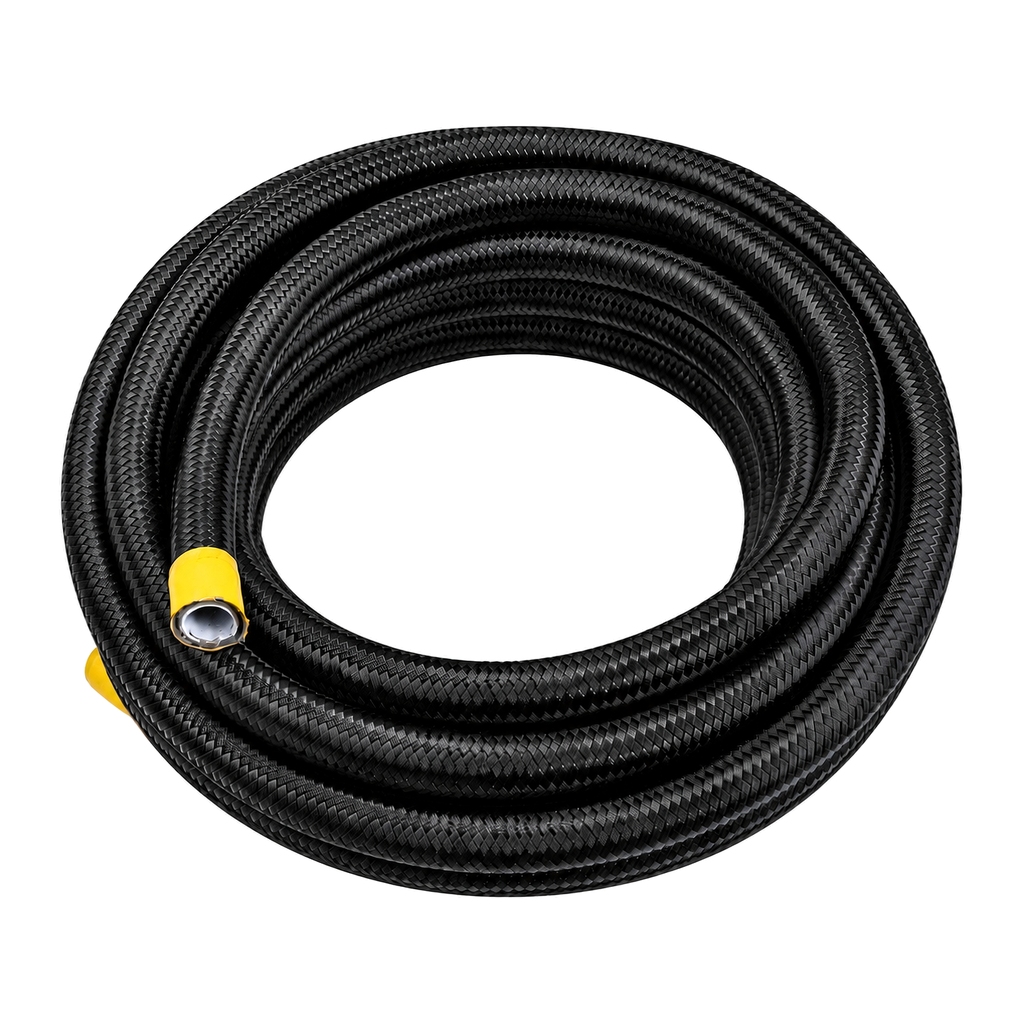
The process of selecting the right diameter involves analyzing multiple factors specific to your application. A braided brake hose must accommodate braking fluid pressure and flow demands while maintaining compatibility with existing fittings. A stainless steel braided hose requires consideration of corrosive environments and mechanical durability. A braided hydraulic hose demands precise diameter matching to avoid efficiency loss and system stress. This guide walks you through the essential technical and practical considerations needed to identify the ideal hose diameter for your project.
Understanding Flow Rate and Diameter Relationship
How Flow Rate Determines Diameter Selection
Flow rate is the volume of fluid passing through the hose per unit time, typically measured in gallons per minute (GPM) or liters per minute (LPM). The diameter of your braided hose directly affects the velocity at which fluid travels through the system. A smaller diameter creates higher fluid velocity, while a larger diameter reduces velocity for the same flow rate. Industry standards recommend maintaining fluid velocity between 2 to 15 feet per second, depending on the application type and fluid characteristics.
When sizing a stainless steel braided hose, you must calculate the required diameter based on your system's flow rate requirements. If your braided hydraulic hose diameter is too small, the fluid velocity becomes excessive, causing pressure loss, heat generation, and potential hose erosion. Conversely, an oversized diameter wastes material, adds weight, reduces system responsiveness, and increases installation space requirements. Using industry flow velocity charts and the continuity equation helps ensure your selected diameter matches the intended flow rate precisely.
Pressure Drop Considerations
Pressure drop occurs when fluid flowing through a hose encounters resistance from the hose interior surface and fittings. A braided hose with a smaller diameter increases pressure drop, reducing the efficiency of fluid delivery to downstream components. For a braided brake hose, excessive pressure drop can diminish braking response and safety performance. For a braided hydraulic hose operating under high pressure, pressure drop directly translates to energy loss and reduced actuator performance.
Calculating pressure drop requires knowing the hose length, fluid type, flow rate, and diameter. Most hydraulic system designers aim for pressure drop below 3 percent per 100 feet of hose length. If your application involves long hose runs or very high flow rates, a larger diameter becomes necessary to keep pressure drop within acceptable limits. Stainless steel braided hose options often come in incremental diameter sizes, allowing fine-tuning to balance pressure drop with system constraints.
System Pressure and Material Compatibility
Matching Diameter to Operating Pressure
Operating pressure is the maximum pressure your braided hose must safely withstand during normal operation. The relationship between diameter, wall thickness, and pressure rating is governed by materials science and industry standards like SAE J343 and SAE J1453. A braided hydraulic hose with a smaller diameter can handle high pressure if the hose construction includes appropriate internal and reinforcement layers. A stainless steel braided hose, due to its material properties, may offer different pressure ratings than a rubber or synthetic core alternative at the same diameter.
When selecting the right braided hose for high-pressure applications, always verify that your chosen diameter is certified for the required pressure rating. Manufacturers provide pressure rating charts that cross-reference diameter, construction type, and maximum working pressure. A braided brake hose in automotive racing, for example, must support brake pressure spikes while maintaining consistent bore diameter for accurate fluid delivery. Undersizing the diameter to save weight or cost without confirming pressure rating compatibility compromises safety and system reliability.
Fluid Type and Temperature Effects
Different fluids require different hose construction and diameter considerations. Mineral-based hydraulic oils, synthetic fluids, alcohol-based brake fluids, and air-fuel mixtures each affect hose material compatibility and thermal expansion rates. A stainless steel braided hose resists corrosive fluids better than standard carbon steel alternatives, but diameter selection remains equally important for fluid dynamic performance. Temperature changes cause hose material expansion and contraction, which can affect internal bore diameter and flow characteristics over time.
When sizing a braided brake hose or braided hydraulic hose for extreme temperatures, account for material thermal coefficients and any specification adjustments recommended by the hose manufacturer. High-temperature environments may require selecting a slightly larger diameter to compensate for potential bore reduction, while low-temperature applications may require flexibility testing to ensure the hose remains functional. Material compatibility with specific fluid types also influences whether stainless steel reinforcement, nylon braiding, or alternative constructions are necessary for your application.
Physical Space Constraints and Installation Factors
Routing and Bend Radius Limitations
Physical space availability in your installation environment constrains both hose diameter and routing path. A smaller diameter braided hose allows tighter routing around engine components, transmission housings, or confined mechanical spaces. However, reducing diameter to fit tight spaces must never compromise the other selection criteria related to flow, pressure, or fluid velocity. Understanding the minimum bend radius specification for your selected hose diameter is essential—exceeding this radius causes internal kinking, reduces fluid flow, and accelerates hose failure.
When routing a stainless steel braided hose or standard braided hydraulic hose through a vehicle engine bay or machinery housing, measure available space carefully before finalizing your diameter choice. A braided brake hose in tight automotive applications may require custom routing or intermediate fittings to accommodate space limitations while maintaining safe bend radii. Working with hose layout drawings and 3D models helps prevent costly retrofitting after installation discovers diameter or routing incompatibilities.
Fitting Size and Connection Standards
The diameter of your braided hose must align with standard fitting sizes and thread patterns in your system architecture. Hoses come in nominal sizes that correspond to industry-standard fitting bore diameters. A 1/4-inch nominal braided hose connects to fittings with 1/4-inch bore openings, while a 3/8-inch nominal diameter connects to 3/8-inch fitting bores. Mixing diameters or using adapters introduces additional connection points, potential leak sources, and pressure drop inefficiencies.
Before selecting your braided brake hose, braided hydraulic hose, or stainless steel braided hose diameter, audit all connection points in your system—pumps, valves, actuators, filters, and manifolds—to confirm compatible fitting sizes. Replacing existing hoses to match a different diameter may require purchasing new fittings and potentially redesigning sections of your system. Standardizing on commonly available diameter sizes ensures parts availability, simplifies maintenance, and reduces future troubleshooting complexity.
FAQ
What is the difference between braided brake hose and braided hydraulic hose diameters?
A braided brake hose typically operates at lower flow rates but may require faster response times and precise pressure delivery, often featuring smaller diameters than braided hydraulic hose counterparts. Braided hydraulic hose applications involve higher flow volumes and operating pressures, frequently requiring larger diameters to manage flow and pressure drop. Both may use stainless steel braided reinforcement, but the specific diameter selection depends on the fluid type, system pressure, and performance requirements of each application.
How do I calculate the correct braided hose diameter for my system?
Start by determining your system's flow rate (GPM or LPM) and targeting a fluid velocity between 2 and 15 feet per second. Use the continuity equation (Area = Flow Rate ÷ Velocity) to calculate the required internal cross-sectional area, then convert to diameter using the formula for circular areas. Cross-reference your calculated diameter against pressure ratings and bend radius specifications to ensure compatibility with your braided hydraulic hose or stainless steel braided hose choice. Consulting manufacturer sizing charts and working with hydraulic engineers provides additional verification.
Can I use a stainless steel braided hose with a smaller diameter to save weight?
While stainless steel braided hose construction can reduce weight compared to alternative materials, diameter should never be selected based solely on weight reduction. Undersizing the braided hose diameter compromises flow characteristics, increases pressure drop, generates excessive heat, and may violate pressure rating specifications. If weight reduction is critical, explore alternative hose materials or construction methods rather than reducing diameter below system requirements. Always prioritize system performance, safety, and reliability over minor weight savings.
 EN