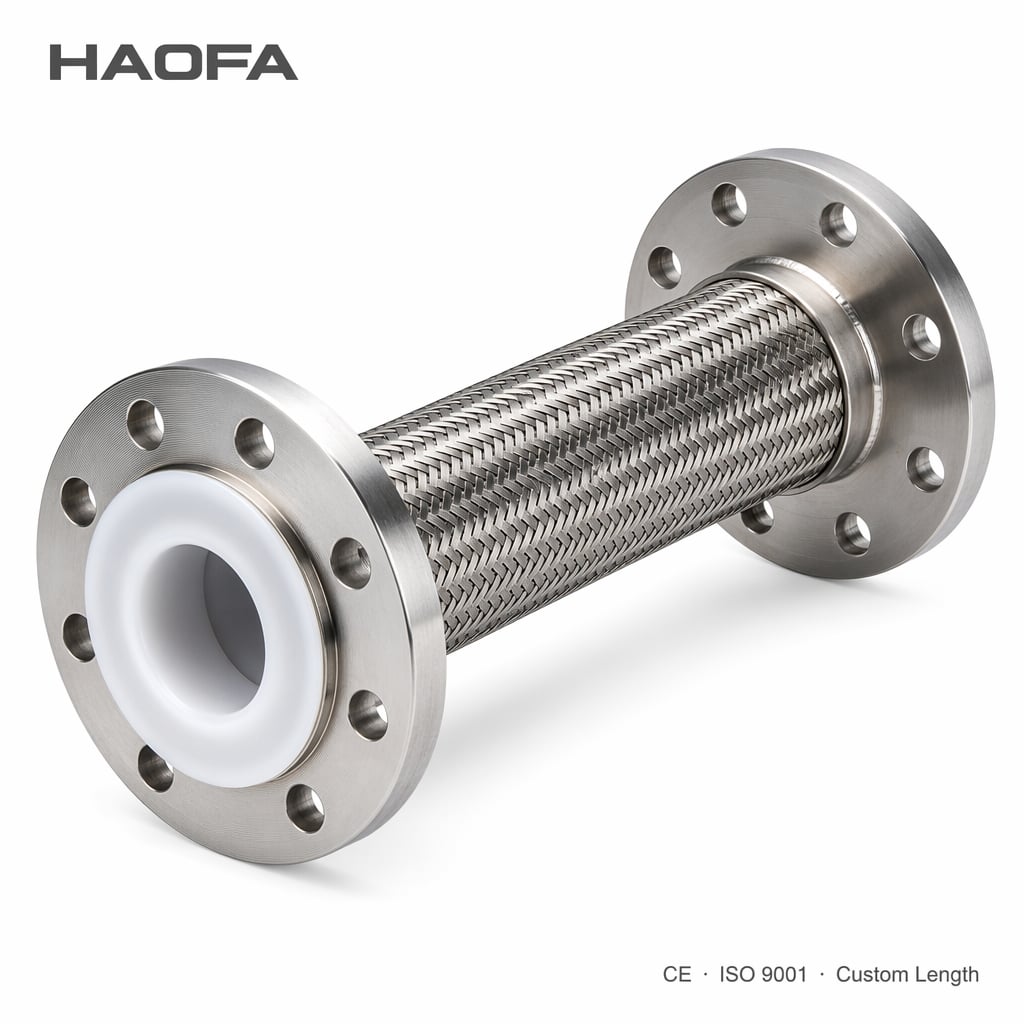
Selecting the correct industrial hose size is one of the most critical decisions in fluid power system design and maintenance. An improperly sized industrial hose can lead to pressure drops, inefficient operation, safety hazards, and costly downtime. Whether you are designing a new hydraulic system, replacing worn tubing, or specifying equipment for chemical transfer, understanding the fundamentals of hose sizing ensures optimal performance and longevity. This guide walks you through the key factors that determine the right industrial hose diameter, wall thickness, and material composition for your specific application.
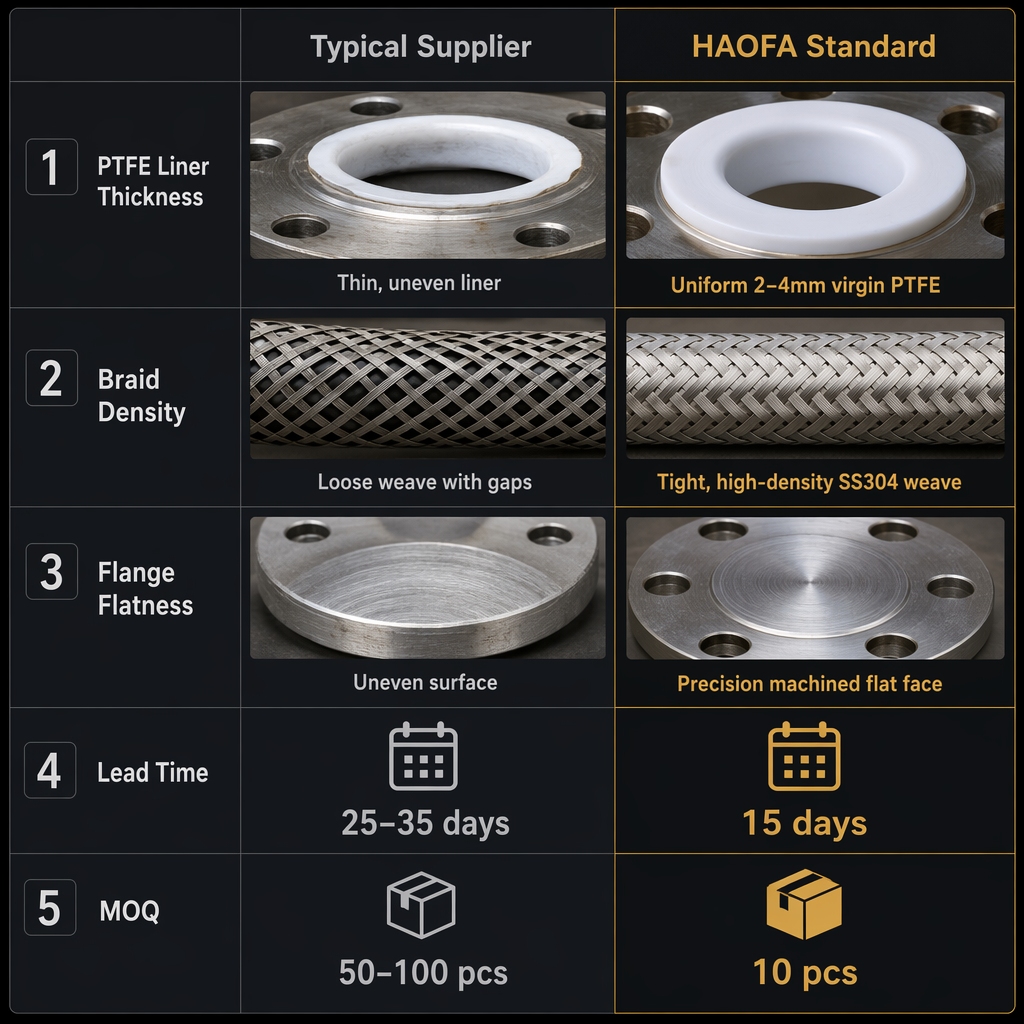
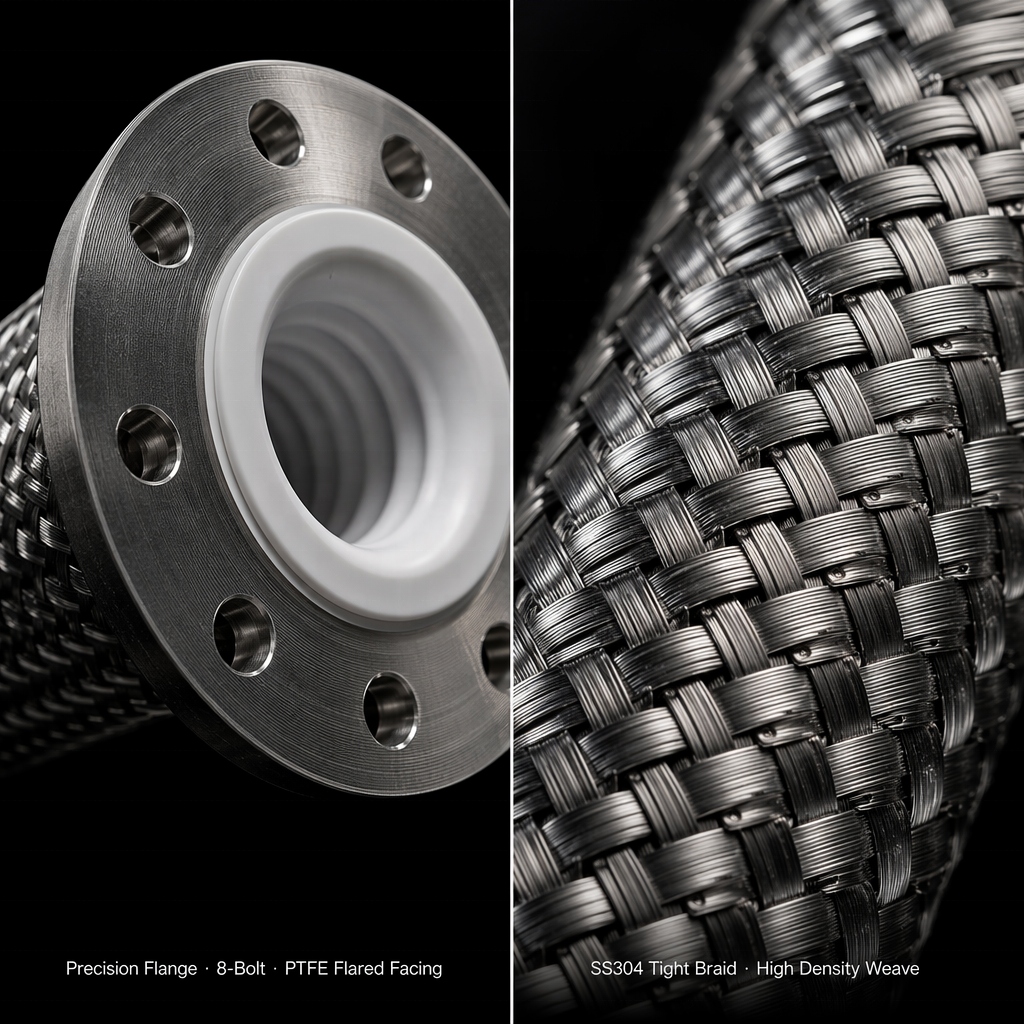
The process of selecting an industrial hose involves evaluating flow rate, system pressure, fluid type, temperature range, and environmental conditions. Each variable influences the final hose specifications. A hydraulic hose assembly must handle peak system pressures without rupturing or leaking, while maintaining flexibility for routing through confined spaces. Similarly, chemical resistant tubing requires material compatibility to prevent degradation or contamination. Understanding these interconnected factors prevents over-specification that increases costs or under-specification that risks system failure.
Understanding Core Sizing Parameters
Flow Rate and Velocity Calculations
Flow rate is the volume of fluid moving through the hose per unit time, typically measured in gallons per minute (GPM) or liters per minute (LPM). To determine the correct industrial hose inner diameter, engineers calculate the required velocity based on industry standards. For hydraulic systems, recommended fluid velocity ranges from 10 to 20 feet per second in pressure lines, 2 to 6 feet per second in return lines, and less than 4 feet per second in suction lines. A hydraulic hose assembly operating at excessive velocity experiences pressure drop, heat generation, and accelerated wear on internal components. Conversely, undersized hoses restrict flow and force pumps to work harder, reducing overall system efficiency.
Pressure Rating and Wall Thickness
System operating pressure directly determines the required wall thickness of your hose. A high pressure hose system demands thicker walls and higher-grade materials to contain fluid safely under extreme conditions. Industrial hose pressure ratings are classified by working pressure, burst pressure, and safety factors. Most hydraulic systems use a 4:1 safety factor, meaning the hose burst rating must be four times the maximum working pressure. For example, a hose rated for 3000 PSI working pressure must have a burst rating of at least 12,000 PSI. Chemical resistant tubing also requires pressure-rated construction, especially when handling volatile or reactive fluids that may generate internal pressure or require aggressive cleaning procedures.
Material Selection and Fluid Compatibility
Elastomer and Tubing Compatibility
The hose inner tube material must resist degradation from the fluid being conveyed. Hydraulic hose assemblies typically use synthetic rubber or PTFE (polytetrafluoroethylene) inner tubes, each offering distinct advantages. PTFE inner tubes excel in chemical resistant tubing applications because they remain inert against most aggressive fluids, solvents, and oxidizing agents. Synthetic rubber is cost-effective for general-purpose hydraulic applications but may swell or degrade when exposed to certain chemicals. When selecting an industrial hose, verify material compatibility charts provided by manufacturers to ensure the tube, reinforcement layer, and cover all resist your specific fluid. Using incompatible materials leads to leaks, contamination, and premature hose failure that can halt production schedules.
Temperature and Environmental Conditions
Operating temperature significantly influences hose material selection and performance. A high pressure hose system exposed to extreme heat requires elastomers and braiding materials that maintain flexibility and integrity at elevated temperatures. Most industrial hose specifications include temperature rating ranges; exceeding these limits causes material embrittlement, loss of seal effectiveness, and increased failure risk. Cold environments present different challenges, as some elastomers become rigid and prone to cracking in freezing conditions. Additionally, outdoor applications require hoses with UV-resistant covers to prevent degradation from sunlight exposure. Indoor chemical processing facilities may require flame-resistant covers or antistatic properties depending on industry regulations and safety protocols.
Application-Specific Sizing Considerations
Hydraulic System Integration
Hydraulic hose assembly sizing varies by component location within the system. Main pressure lines from the pump require larger diameters to accommodate peak flow while maintaining acceptable velocity. Secondary circuits serving cylinders or motors may use smaller hoses if their individual flow demands are lower. Return lines are typically one size larger than pressure lines to minimize backpressure and heat generation, even though fluid velocity there is lower. When replacing existing hoses, never assume all hoses in a system are identical; measure and document each section independently. Consulting original equipment manufacturer (OEM) specifications ensures compatibility and prevents mismatches that reduce system performance or void warranty coverage.
Chemical Transfer and Specialized Applications
Chemical resistant tubing applications demand rigorous compatibility verification beyond standard hydraulic hose assemblies. Industrial facilities transferring aggressive chemicals, solvents, or slurries require tubing formulated specifically for those fluids. High pressure hose systems used in industrial cleaning, food processing, or chemical blending must accommodate both pressure demands and chemical exposure. Multi-component fluids sometimes react unpredictably with certain elastomers, so pilot testing or vendor documentation becomes essential before full-scale deployment. Additionally, chemical transfer lines may require static-dissipative properties, corrosion-resistant fittings, and segregated routing away from incompatible materials. Regulatory compliance, environmental protection, and worker safety all depend on correct material and sizing specifications for chemical-duty hoses.
Practical Selection Workflow and Final Checks
Documentation and Specification Review
Begin your industrial hose selection by gathering complete system specifications: operating pressure range, flow rate, fluid type, temperature extremes, routing constraints, and any regulatory requirements. Write down the calculated inner diameter based on flow velocity, then select the next standard hose size available from your supplier. Match that size against pressure rating tables to confirm the hose can safely handle your system's maximum pressure. For hydraulic hose assemblies, verify that fittings, adapters, and connections match the selected hose size and pressure rating. Cross-reference material compatibility for your specific fluid, then confirm temperature and environmental suitability. Document your selections so future maintenance personnel understand why specific hose sizes were chosen, enabling consistent replacements and reducing troubleshooting time.
Installation and Maintenance Best Practices
Correct hose routing and support prevent premature failure even after selecting the right industrial hose size. Avoid sharp bends that exceed the hose's minimum bend radius; undersized bend radius causes kinking, internal damage, and restricted flow. Secure hoses to prevent vibration and abrasion against sharp edges or other components. A high pressure hose system requires periodic inspection for external damage, leaks, or deterioration; replace hoses before failure occurs rather than waiting for emergency breakdowns. Chemical resistant tubing deserves extra attention because fluid leaks may create environmental or safety hazards beyond simple downtime. Keep accurate replacement records tied to original specifications so you order correct hoses during emergency situations when reference manuals may not be immediately available.
FAQ
What happens if I select a hose that is too small?
An undersized industrial hose restricts fluid flow, causing excessive pressure drops, heat buildup, and reduced actuator performance. Pumps work harder to overcome the resistance, consuming more energy and generating heat that degrades fluid properties. Additionally, high fluid velocity in a too-small hose accelerates wear on the inner tube and can cause vibration and noise. Over time, this stress leads to hose failure and unplanned maintenance costs.
Can I use the same hose for hydraulic and chemical applications?
Not always. While some industrial hose designs accommodate multiple fluid types, chemical resistant tubing requires specific material formulations that generic hydraulic hose assemblies may not provide. Incompatible elastomers or inner tube materials degrade when exposed to aggressive chemicals, leading to contamination, leaks, and safety risks. Always verify material compatibility with the specific fluid and chemical composition you plan to transfer before making a purchasing decision.
How often should I replace industrial hose?
Industrial hose replacement intervals depend on operating conditions, fluid type, temperature extremes, and maintenance quality. Typical service life ranges from 5 to 10 years for general hydraulic hose assemblies, though chemical resistant tubing or high pressure hose systems exposed to extreme conditions may require more frequent replacement. Regular visual inspections, pressure testing, and leak monitoring help identify aging hoses before failure occurs, preventing costly downtime and safety incidents.
 EN