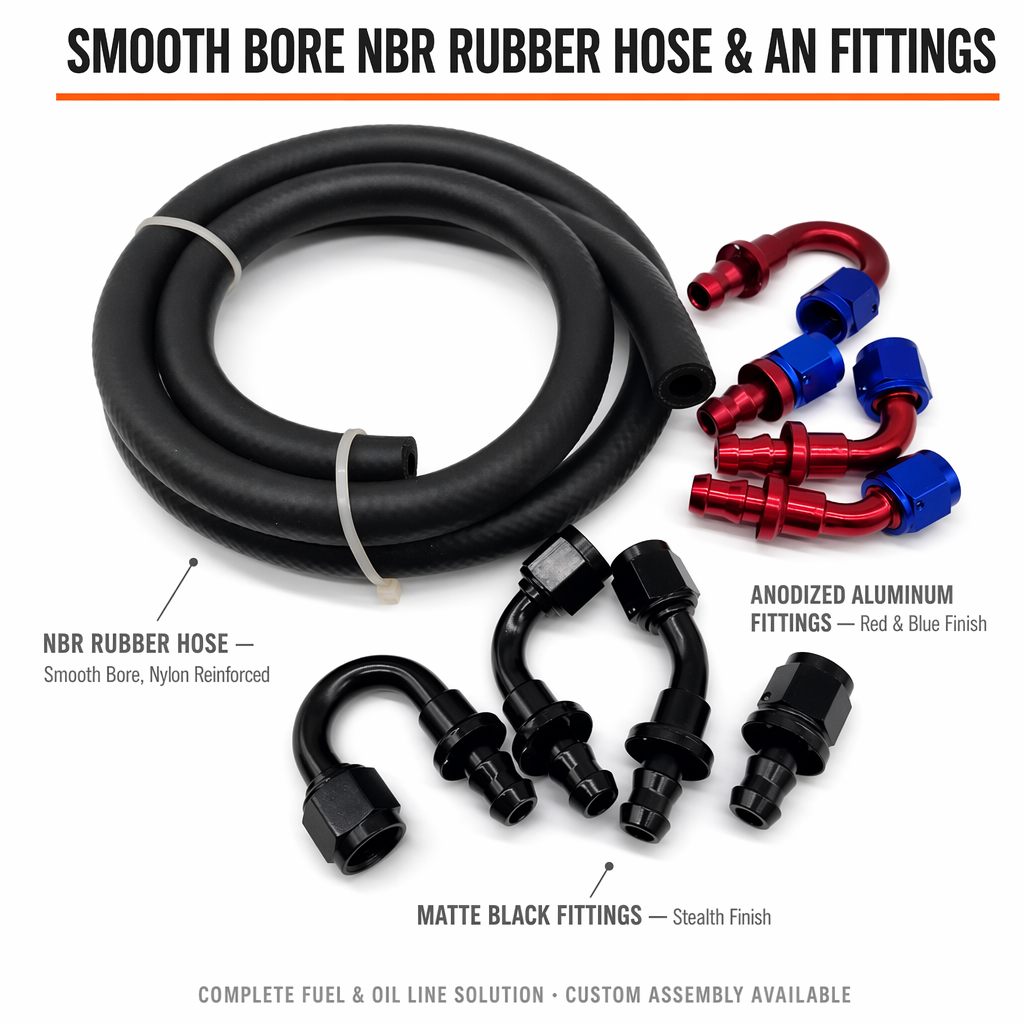
Selecting the right rubber tubes for your application requires careful consideration of multiple factors beyond simple diameter measurements. The process involves understanding flow requirements, pressure ratings, material compatibility, and environmental conditions that will affect performance and longevity. Whether you are designing a hydraulic system, managing industrial operations, or maintaining equipment in challenging environments, the choice of rubber tubes directly impacts efficiency, safety, and maintenance costs. This guide walks you through the essential decision-making process to help you choose flexible rubber hoses that deliver reliable performance.
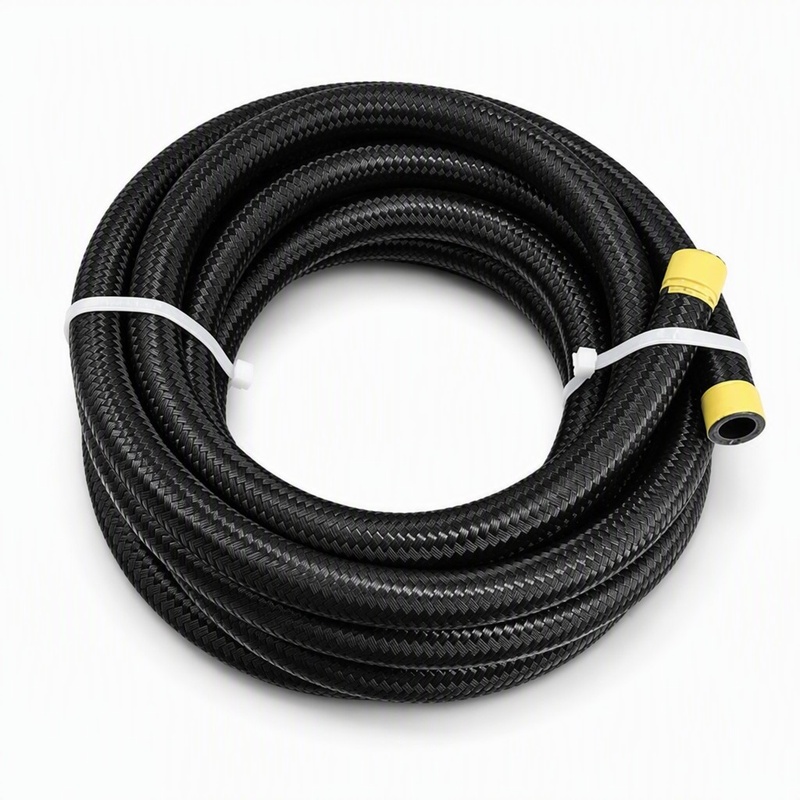
The foundation of proper rubber tube selection lies in understanding your system's specific demands. Industrial rubber tubing comes in numerous configurations, each designed to handle different pressures, temperatures, and chemical exposures. Taking time to evaluate these requirements upfront prevents costly failures, reduces downtime, and ensures your investment in quality rubber tubes delivers maximum return over the system's operational life.
Understanding Pressure Requirements
Identifying Your System Pressure
Every application operates at a specific pressure level, and high-pressure rubber conduits must be rated to handle peak operating pressure plus safety margin. Begin by determining whether your system operates at low pressure (under 500 psi), medium pressure (500–3000 psi), or high pressure (above 3000 psi). Manufacturers design rubber tubes with reinforcement layers to match these pressure categories, and using undersized tubes for high-pressure applications creates dangerous failure risks. Consult your equipment specifications, system schematics, or equipment manufacturer documentation to establish baseline pressure requirements.
Calculating Safety Margins
Best practice dictates that industrial rubber tubing pressure ratings should exceed your maximum operating pressure by at least 4:1 safety factor. If your system operates at 1500 psi, select flexible rubber hoses rated for 6000 psi minimum. This safety margin accounts for pressure spikes, equipment aging, and environmental stress that naturally occur during extended service. High-pressure rubber conduits rated with inadequate safety margins become brittle faster and fail unexpectedly, creating safety hazards and production interruptions.
Sizing by Flow and Diameter
Calculating Correct Internal Diameter
Flow rate and fluid velocity determine the internal diameter of rubber tubes you need. Calculate the required cross-sectional area by dividing your system flow rate by the target velocity. For hydraulic systems, recommended fluid velocity ranges from 8–12 feet per second; for lower-pressure applications, velocity may be 3–5 feet per second. Once you know required cross-sectional area, convert this to internal diameter using standard formulas. Oversized tubes create cost inefficiencies and sluggish response times, while undersized industrial rubber tubing causes excessive pressure drops and heat generation that damages both fluid and hose material.
External Diameter and Space Constraints
Real-world installations face physical space limitations that constrain external diameter options. Measure the actual routing path where flexible rubber hoses will be installed, accounting for bends, connectors, and surrounding equipment. Modern rubber tubes often feature compact external profiles relative to their internal diameter, allowing higher flow capacity in confined spaces. However, extremely tight routing may force you to compromise either flow capacity or pressure rating, so assess space availability before finalizing diameter specifications.
Material Selection and Environmental Factors
Temperature and Chemical Compatibility
The fluid, ambient temperature, and chemical exposure determine which rubber compound will provide acceptable service life. Nitrile rubber offers good fuel and oil resistance across moderate temperature ranges. EPDM rubber excels in water and steam applications. Fluorocarbon compounds handle extreme temperatures and aggressive chemicals. High-pressure rubber conduits exposed to ozone, ultraviolet light, or harsh solvents require specialized inner tube formulations that resist degradation. Verify that the elastomer chosen for your industrial rubber tubing is chemically compatible with all fluids it will contact, including cleaning solutions used during maintenance.
Reinforcement Structure and Durability
Reinforcement layers directly determine pressure capacity and abrasion resistance of flexible rubber hoses. Wire-braid reinforcement provides excellent pressure handling and flexibility for tight bends. Spiral-wrap reinforcement offers maximum pressure capacity for high-pressure rubber conduits. Textile reinforcement provides lighter weight options for lower-pressure applications. The number and configuration of reinforcement layers affects cost, weight, and bending radius. Select reinforcement type based on both your pressure requirements and the bending demands of your installation routing.
Testing and Implementation Guidelines
Pressure Testing Before Installation
Before integrating rubber tubes into your system, conduct hydrostatic pressure tests at 1.5 times the rated working pressure to verify integrity. Visually inspect flexible rubber hoses for bulges, leaks, or damage. Test hose connections under pressure to confirm secure fitting installation. This initial validation prevents failures during critical system operation and confirms that industrial rubber tubing was not damaged during shipping or storage. Documentation of successful pressure testing provides compliance records for regulated industries.
Ongoing Monitoring and Replacement Cycles
Even correctly sized rubber tubes have finite service life. Establish regular inspection schedules to monitor for signs of degradation, cracking, or leakage. Replace high-pressure rubber conduits that show surface cracks, bulges, or hardening, as these indicate internal degradation. Most quality industrial rubber tubing provides 5–10 years of service under normal operating conditions, though harsh environments require more frequent replacement. Preventive replacement based on age and usage history proves more cost-effective than emergency failures during production runs.
FAQ
What factors matter most when choosing rubber tubes?
Pressure rating, internal diameter for flow requirements, material compatibility with system fluids, temperature range, and external space constraints represent the core factors. Pressure rating must exceed maximum operating pressure with adequate safety margin. Internal diameter must accommodate your flow rate without excessive velocity or pressure drop. Material must be chemically compatible with all fluids and environmental exposures. Temperature rating must cover both ambient and fluid temperature extremes. These five factors interact to determine whether any given rubber tube selection will perform reliably.
How do I know if flexible rubber hoses are sized correctly?
Correct sizing balances multiple competing objectives. Your industrial rubber tubing should operate with fluid velocity between 8–12 feet per second for hydraulic applications. Pressure drop across the hose run should not exceed 5 percent of system operating pressure. Pressure rating should provide at least 4:1 safety factor above peak operating pressure. The hose should physically fit your routing path with minimum bend radius not exceeded. If all these conditions align, your rubber tubes sizing is correct for your application.
Why do high-pressure rubber conduits cost more than standard hoses?
High-pressure rubber conduits incorporate multiple reinforcement layers, specialized elastomer compounds, and tighter manufacturing tolerances to safely contain extreme pressures. Wire-braid or spiral-wrapped reinforcement adds material cost and manufacturing complexity. Premium rubber compounds that resist pressure-induced degradation cost significantly more than basic formulations. Quality testing and certification documentation required for industrial applications add overhead. The higher cost reflects genuine engineering and material requirements necessary for reliable high-pressure performance rather than unnecessary markup.
 EN