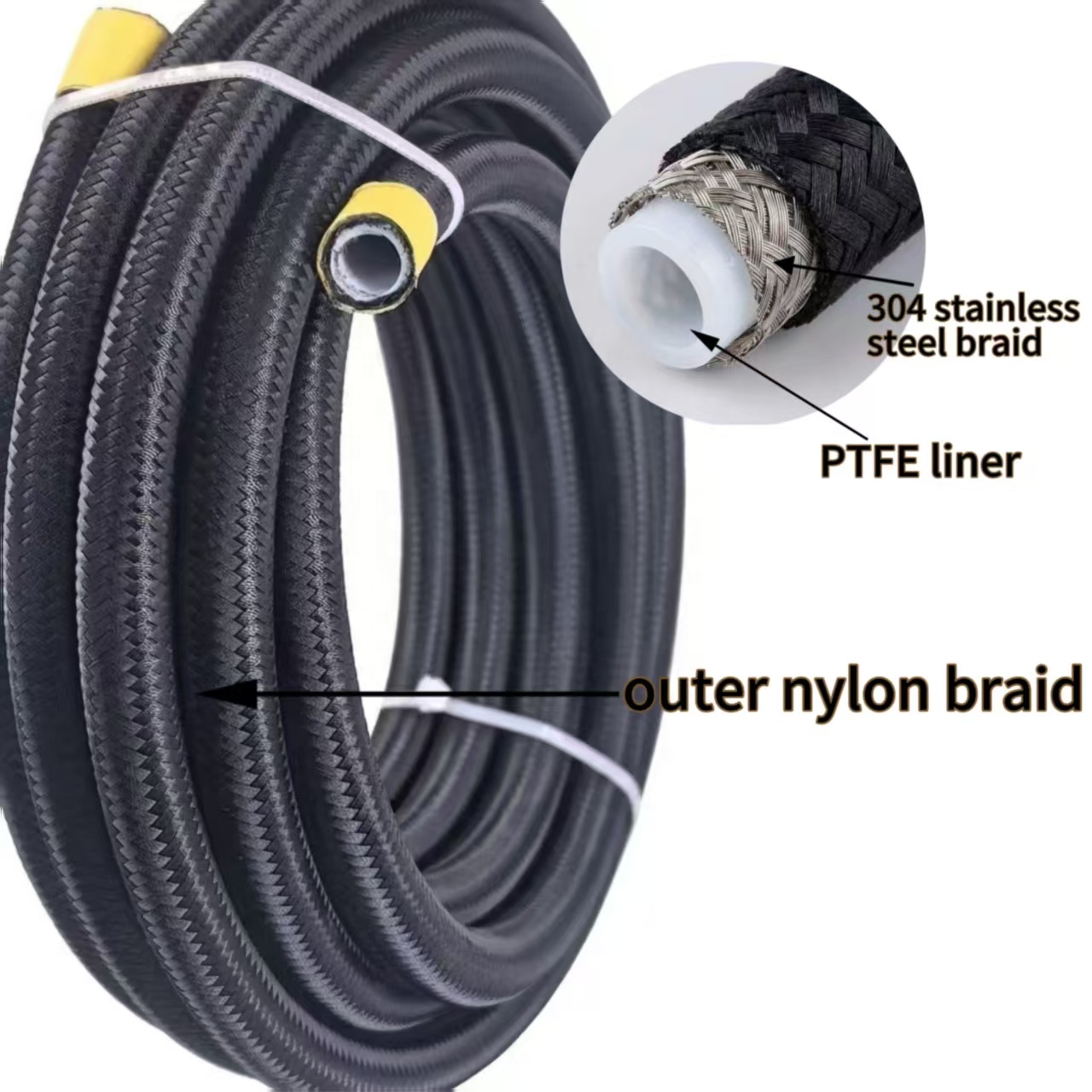
Chemical resistance is one of the most critical factors when selecting tubing for industrial applications, laboratories, and specialized manufacturing environments. A ptfe tube stands out as an exceptional choice for handling aggressive chemicals, corrosive substances, and challenging fluid media. Understanding the chemical resistance capabilities of teflon tubing helps engineers, technicians, and procurement professionals make informed decisions about material selection for their specific operational needs.
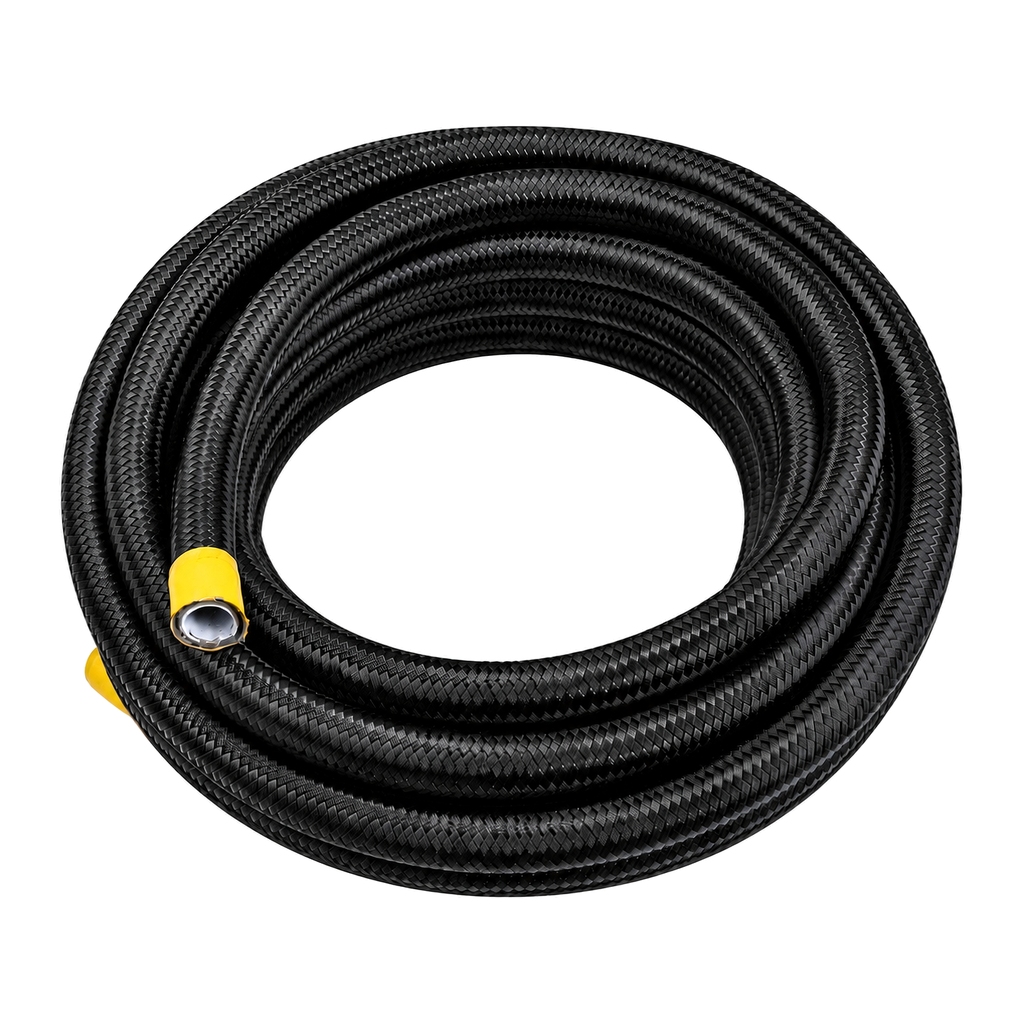
PTFE, commonly known as Teflon, is a synthetic fluoropolymer that exhibits remarkable resistance to virtually all chemical compounds under normal operating conditions. The molecular structure of fluoropolymer hose materials creates an inert barrier that prevents chemical degradation, making teflon tubing ideal for pharmaceutical, petrochemical, and aerospace industries. This article explores the chemical resistance characteristics of ptfe tubing applications, practical limitations, and real-world industrial scenarios where these tubes deliver consistent performance.
Understanding PTFE Chemical Resistance Properties
Exceptional Inertness Across Diverse Chemicals
The PTFE tube molecular composition makes it resistant to virtually all common solvents, acids, bases, and organic compounds. Teflon tubing withstands exposure to hydrochloric acid, sulfuric acid, nitric acid, and strong alkaline solutions without degradation or leaching. This chemical resistance extends to fluoropolymer hose applications involving petroleum products, chlorinated hydrocarbons, and aggressive industrial solvents that would rapidly degrade conventional tubing materials.
Laboratory and pharmaceutical environments depend heavily on ptfe tubing applications because the material does not release particles or reactive compounds into sensitive fluid streams. The inert nature of teflon tubing ensures that critical chemical processes remain uncontaminated and compliant with stringent purity requirements. This characteristic makes PTFE tube the preferred choice for transfer lines in medical device manufacturing, chemical synthesis, and analytical instrumentation.
Non-Reactive Surface and Compatibility
Unlike many polymer alternatives, fluoropolymer hose materials do not undergo chemical reactions with aggressive or corrosive media. The PTFE tube surface remains chemically neutral across extreme pH ranges, from highly acidic to strongly alkaline environments. This compatibility extends the service life of teflon tubing significantly compared to conventional rubber or plastic alternatives, reducing maintenance costs and system downtime.
Industrial applications benefit from the consistent performance of ptfe tubing applications in demanding chemical transfer scenarios. Refineries, chemical plants, and semiconductor manufacturers rely on PTFE tube reliability to maintain process integrity and safety. The ability of teflon tubing to resist both chemical attack and physical degradation ensures long-term operational stability in unpredictable industrial environments.
Practical Limitations and Operating Conditions
Temperature and Pressure Considerations
While PTFE tube delivers outstanding chemical resistance, practical performance depends on careful temperature and pressure management. The ptfe tubing applications specifications typically recommend continuous operating temperatures between minus forty and two hundred sixty degrees Celsius, depending on the specific grade and reinforcement configuration. Fluoropolymer hose performance can degrade if exposure to extreme temperatures exceeds these guidelines, even when chemical compatibility remains theoretically sound.
Pressure ratings for teflon tubing vary based on tube wall thickness, internal diameter, and reinforcement materials used in construction. The PTFE tube can handle pressures ranging from several hundred to several thousand PSI in reinforced configurations, but aggressive chemicals combined with elevated pressures may require specialized grades. Engineers must cross-reference ptfe tubing applications charts with both chemical compatibility and pressure specifications to ensure safe system operation.
Chemical Concentration and Exposure Duration
Teflon tubing resistance to concentrated solutions differs from resistance to diluted formulations in some scenarios. Certain specialized applications involving extremely high concentrations of reactive fluorine compounds or molten alkali metals may exceed the practical limits of standard PTFE tube. Additionally, continuous long-term exposure to specific chemical combinations should be validated through manufacturer documentation or laboratory testing before critical system deployment.
The fluoropolymer hose compatibility extends across most common industrial scenarios, but ptfe tubing applications in emerging chemical processes sometimes require custom testing. Process engineers should consult chemical compatibility matrices and conduct bench trials when deploying teflon tubing in novel or untested chemical environments. This proactive approach prevents unexpected failures and ensures reliable performance throughout the service life of critical fluid handling systems.
Industrial Applications and Selection Criteria
Pharmaceutical and Food Processing Industries
The PTFE tube is widely used in pharmaceutical manufacturing because teflon tubing meets strict regulatory requirements for product purity and contamination prevention. Ptfe tubing applications in drug manufacturing, vaccine production, and biopharmaceutical processing require materials that cannot introduce unwanted elements into sensitive formulations. Fluoropolymer hose alternatives simply cannot match the inert properties that PTFE tube provides for these mission-critical applications.
Food processing facilities increasingly adopt teflon tubing for ingredient transfer, cleaning fluid distribution, and sanitizing solution circulation. The chemical resistance of PTFE tube ensures compatibility with acidic fruit concentrates, alkaline cleaning agents, and antimicrobial additives commonly used in modern food production. Ptfe tubing applications across the food sector benefit from certification compatibility with direct food contact regulations in multiple jurisdictions.
Petrochemical and Oil Refining Operations
Refineries and petrochemical plants deploy PTFE tube systems for handling crude oil fractions, catalytic process streams, and highly corrosive intermediate chemicals. The teflon tubing chemical resistance proves invaluable in downstream processing where product quality depends on preventing contamination from tube materials. Fluoropolymer hose options in these environments significantly reduce system maintenance requirements and extend equipment service intervals compared to conventional materials.
Harsh chemical environments in refining operations demand that ptfe tubing applications maintain integrity across thousands of operational cycles. The PTFE tube capability to resist sulfur compounds, mercaptans, and reactive hydrocarbons ensures consistent performance without degradation. Selection of appropriate teflon tubing grades based on specific refinery processes ensures maximum efficiency and safety compliance throughout the asset lifecycle.
FAQ
Can PTFE tube resist exposure to all chemical compounds?
PTFE tube resists virtually all common industrial chemicals, but a few specialized compounds—primarily molten alkali metals and certain fluorine-containing substances—can attack the material under extreme conditions. For typical pharmaceutical, chemical processing, and refining applications, teflon tubing delivers excellent chemical resistance. Always verify compatibility through manufacturer documentation when working with unusual chemical combinations or extreme concentrations to ensure ptfe tubing applications meet your operational requirements.
What temperature range does PTFE tube maintain chemical resistance?
PTFE tube typically maintains full chemical resistance across continuous operating temperatures from minus forty to two hundred sixty degrees Celsius, depending on the specific grade and reinforcement materials used. Fluoropolymer hose performance in this temperature window ensures reliable operation across diverse industrial scenarios. Some specialized high-temperature teflon tubing formulations extend beyond these ranges, but ptfe tubing applications should always reference manufacturer specifications for the exact temperature limits relevant to your chemical environment.
How does PTFE tube compare to other chemical-resistant tubing materials?
PTFE tube offers superior chemical resistance compared to rubber, polyurethane, and standard plastic alternatives in most applications. Fluoropolymer hose materials like PTFE provide better inertness and longer service life when exposed to aggressive chemicals. While some specialty materials exist for niche applications, teflon tubing remains the industry standard for demanding chemical transfer scenarios across pharmaceutical, petrochemical, and laboratory environments where chemical compatibility is critical.
 EN