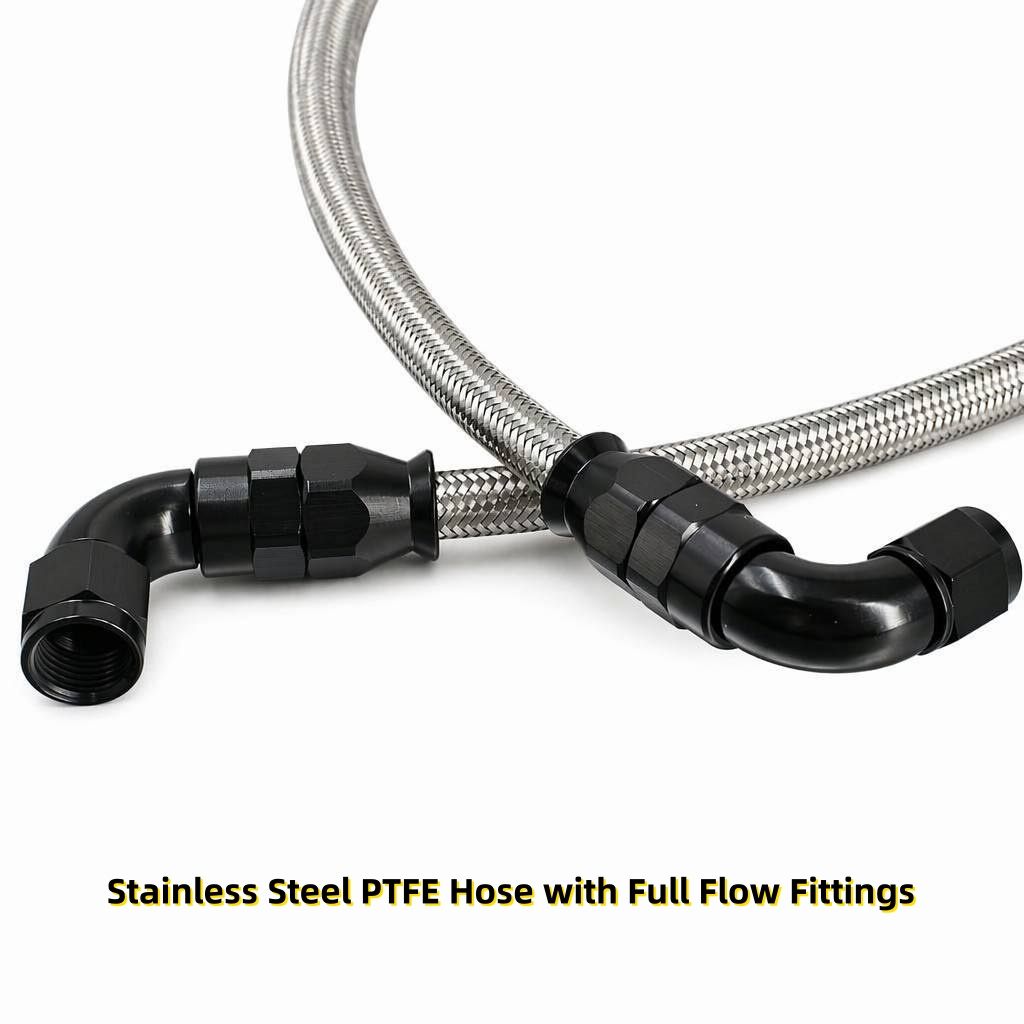
A hydraulic hose is essential infrastructure in modern industrial operations, enabling the controlled transmission of pressurized fluid to power machinery, equipment, and systems. From manufacturing plants to construction sites and agricultural operations, hydraulic systems depend on reliable hose assemblies to convert fluid energy into mechanical work. Understanding the primary applications of hydraulic hose technology helps engineers, maintenance teams, and facility managers select appropriate solutions for their operational needs.
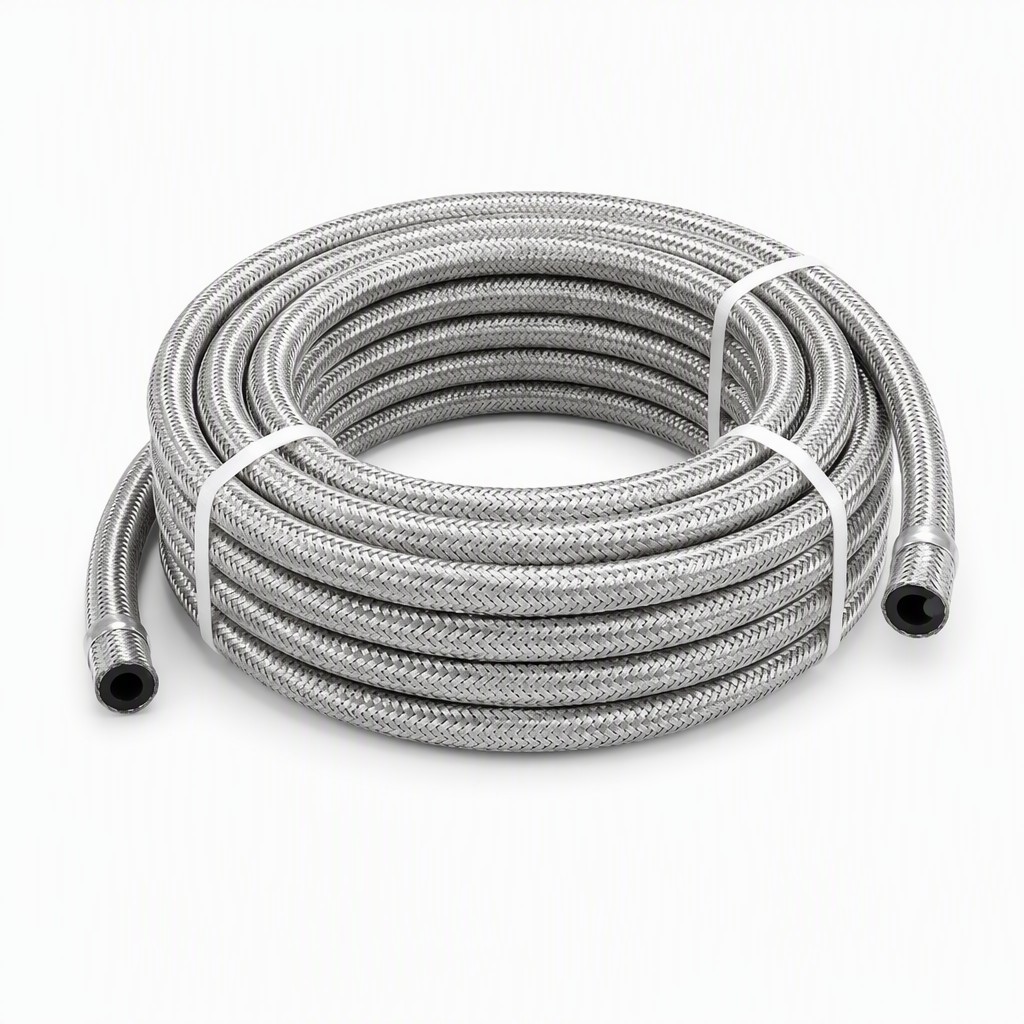
The versatility of hydraulic hose applications spans virtually every sector where power transmission and precision control are critical. Whether handling extreme pressures in mobile equipment or managing continuous-duty stationary machinery, hose assembly systems deliver performance reliability under demanding conditions. Recognition of common application categories enables better specification decisions and improved system performance across diverse industrial environments.
Mobile Equipment and Construction Machinery
Excavators and Heavy Loaders
Excavators and wheel loaders represent primary uses of hydraulic hose technology in mobile construction equipment. These machines operate high pressure hose systems that direct fluid to hydraulic cylinders, motors, and control valves managing bucket movements, arm extensions, and boom operations. The flexible tubing characteristics of modern hose assembly designs allow equipment operators to access tight spaces and accommodate the articulated movements required during digging, lifting, and material handling operations. Typical pressures in mobile equipment hydraulic hose systems range from 2,500 to 3,500 PSI, demanding robust reinforcement and proven durability standards.
Compactors and Forestry Equipment
Compactors, log skidders, and forestry machinery rely on specialized high pressure hose configurations to manage extreme working conditions. Vibration, temperature fluctuations, and exposure to outdoor elements challenge hose assembly performance in these applications. The flexible tubing properties enable routing around engine components and machinery obstacles while maintaining pressure integrity. Forestry equipment operators depend on continuous hose reliability because hydraulic failures in remote work zones create expensive downtime and safety risks that extended repair times amplify.
Manufacturing and Industrial Processing
Injection Molding and Plastic Processing
Injection molding machines utilize high pressure hose systems to deliver controlled hydraulic fluid to clamp mechanisms, injection units, and ejector systems with precise timing and force application. The hose assembly components must withstand rapid pressure cycling, temperature variations, and chemical exposure from processing additives. Flexible tubing designs enable efficient machine layouts while maintaining the pressure stability required for consistent part quality. Process reliability directly impacts production output, making hose assembly durability a critical maintenance concern in plastic processing facilities.
Metal Fabrication and Press Operations
Industrial presses, shears, and bending equipment depend on hydraulic hose technology to generate the tremendous forces required for metal forming operations. Stamping presses and hydraulic shears operate at pressures often exceeding 3,000 PSI, demanding high pressure hose construction featuring multiple synthetic fiber reinforcement layers. The flexible tubing characteristics allow operators to maintain organized control line routing around press frames and moving components. Hose assembly systems in metal fabrication environments face routine contamination challenges from metal chips and coolant exposure, requiring regular inspection and replacement protocols to prevent sudden failures.
Agricultural and Specialized Industrial Applications
Farm Equipment and Tractors
Agricultural machinery including combines, balers, sprayers, and loaders depend on hydraulic hose systems for operational control. The rugged nature of farm work exposes hose assembly components to dirt, moisture, ultraviolet radiation, and physical abrasion from field debris and rough terrain. Modern high pressure hose designs incorporate weather-resistant outer covers and reinforced construction to withstand agricultural environment challenges. Farmers and equipment operators recognize that hose reliability directly affects harvest timing and operational efficiency, making preventive maintenance and quality hose assembly selection economic priorities.
Hydraulic Power Units and Industrial Systems
Stationary hydraulic power units serve manufacturing facilities, water treatment plants, and infrastructure operations, utilizing hose assembly networks to distribute pressurized fluid throughout buildings and processes. These systems typically operate at consistent pressures between 1,500 and 2,500 PSI and demand exceptional reliability because extended downtime affects entire facility operations. The flexible tubing component reduces installation complexity compared to rigid piping while maintaining equivalent pressure ratings. Industrial hose assembly configurations often incorporate visual identification color coding and numerical labeling to support maintenance procedures and emergency response protocols in complex multi-line systems.
FAQ
What pressure ratings are typical for industrial hydraulic hose applications?
Industrial hydraulic hose systems operate across a wide pressure range depending on application requirements, with most stationary equipment using 1,500 to 2,500 PSI, mobile construction equipment typically running 2,500 to 3,500 PSI, and specialized high-performance systems occasionally exceeding 4,000 PSI. Selection of appropriate high pressure hose and hose assembly components depends on specific equipment design specifications and operational demands. Engineers consult equipment documentation and pressure rating tables to ensure hose assembly choices meet or exceed system requirements while optimizing cost efficiency.
How often should hydraulic hose assemblies be inspected and replaced?
Regular inspection schedules for hydraulic hose components vary based on application severity, environmental exposure, and fluid chemistry, with many industrial facilities implementing semi-annual or annual inspections as baseline practice. Visual examination for cracks, leaks, abrasion damage, and bulging helps identify hose assembly deterioration before catastrophic failure occurs. Replacement timing depends on hose condition assessment, but many operators follow manufacturer recommendations to replace hose assembly systems after five to ten years of service or upon visual indication of degradation, whichever occurs first. Preventive replacement of aging high pressure hose components often proves more cost-effective than reactive emergency repairs.
What materials are preferred for high-temperature hydraulic hose applications?
High-temperature hydraulic hose applications require specialized material selection including synthetic rubber cores, heat-resistant cover compounds, and stainless steel or carbon steel reinforcement to maintain pressure integrity at elevated temperatures. The flexible tubing must accommodate thermal expansion while resisting hardening and seal degradation that extreme heat accelerates. Many industrial processes specify nitrile rubber core with neoprene covers for moderate temperature service, while higher-temperature applications utilize fluorocarbon or PTFE-lined hose assembly configurations rated for sustained exposure above 150 degrees Celsius, ensuring reliable fluid transmission in demanding thermal environments.
 EN