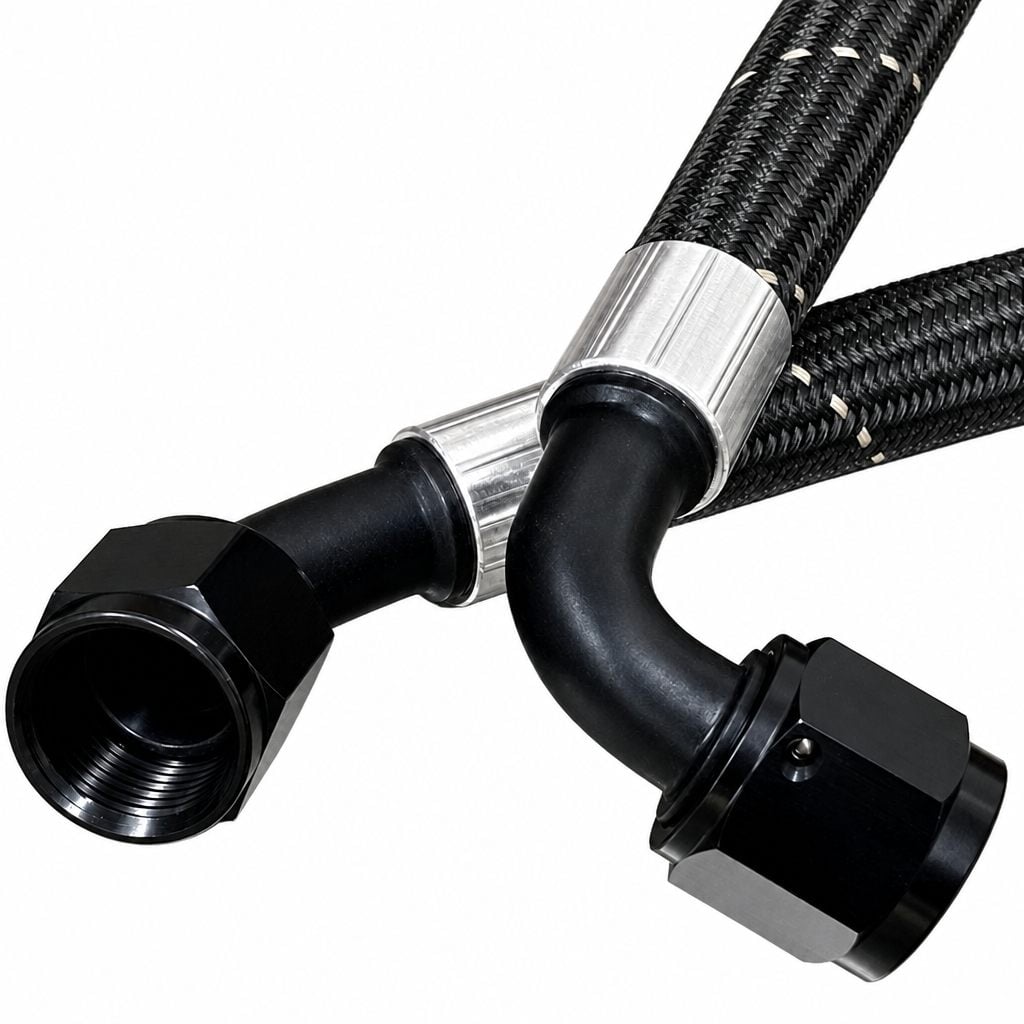
Coolant hoses are essential components of your vehicle's engine cooling system, responsible for circulating temperature-regulating fluid between the engine, radiator, and heater core. These flexible tubes carry antifreeze throughout the system to prevent overheating and maintain optimal engine performance. Understanding what coolant hoses are and how they function is critical for any vehicle owner or maintenance professional who wants to prevent costly engine damage and ensure reliable operation.
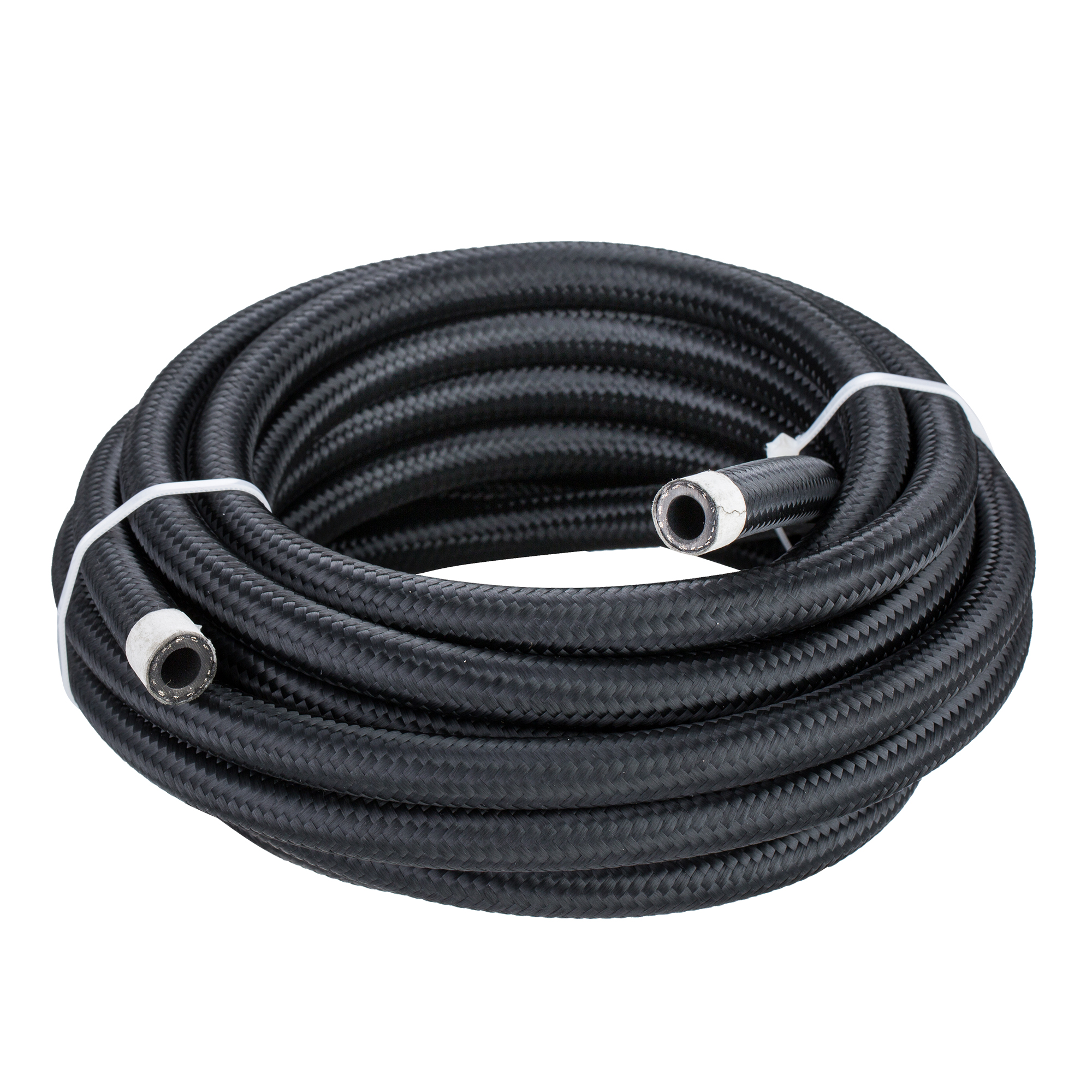
The engine cooling system relies on continuous fluid movement to dissipate heat generated during combustion. Coolant hoses are the vital pathways through which this fluid travels, connecting major cooling system components and enabling the thermostat-regulated temperature control that keeps engines running smoothly. Without properly functioning hoses, coolant circulation becomes compromised, leading to overheating, engine damage, and potential system failure.
Understanding Coolant Hoses and Their Role in Engine Cooling
What Coolant Hoses Do in the Cooling System
Coolant hoses transport antifreeze coolant under pressure from the water pump through the engine block, then to the radiator where heat is released into the atmosphere. The upper radiator hose carries hot coolant from the engine to the radiator, while the lower radiator hose returns cooled fluid back to the pump for recirculation. This continuous cycle maintains engine temperature within safe operating ranges, typically between 195 and 220 degrees Fahrenheit. The heater hoses, which run to the vehicle's cabin heating system, also draw coolant to provide passenger comfort during cold weather operation.
Material Composition and Durability
Modern coolant hoses are constructed from reinforced rubber compounds, often with textile or wire mesh embedded for structural integrity and pressure resistance. Quality hoses must withstand internal pressures reaching 16 to 30 PSI, extreme temperature fluctuations, and constant flexing without degrading or leaking. The inner tube is designed to resist corrosion from antifreeze additives, while the outer cover protects against abrasion, oil exposure, and UV damage. Premium industrial-grade hoses incorporate advanced materials like aramid braiding and high-temperature elastomers to extend service life in demanding automotive and industrial applications.
The Importance of Radiator Hose Replacement and System Maintenance
Signs of Hose Deterioration and Failure
Coolant hoses degrade over time due to thermal cycling, chemical degradation from coolant compounds, and mechanical stress from vibration and pressure fluctuations. Common failure indicators include visible cracks, bulges, soft spots, or a mushy feeling when squeezed gently. Leaks at hose connections, loss of coolant requiring frequent top-ups, and sweet-smelling puddles under the vehicle signal imminent radiator hose replacement needs. Many technicians recommend replacing hoses proactively every four to five years, even if they appear sound, because internal deterioration may not be visible until catastrophic failure occurs.
Timing and Planning for Radiator Hose Replacement
Strategic radiator hose replacement prevents unexpected breakdowns and expensive emergency repairs that can strand drivers and damage engines through overheating. Replacing hoses during scheduled maintenance intervals ensures the cooling system operates at peak efficiency and maintains proper antifreeze circulation. Professional technicians typically inspect hoses during routine tune-ups, oil changes, and air filter replacements to catch wear patterns early. Planning replacement work in advance allows fleet managers and individual vehicle owners to budget for parts and labor, avoiding costly downtime and potential engine damage from prolonged overheating conditions.
Antifreeze Hose Maintenance Practices and Best Protocols
Preventative Maintenance for Extended Hose Life
Regular inspection is the foundation of effective antifreeze hose maintenance, with visual checks performed at least annually or before seasonal changes in climate conditions. Monitoring coolant level and color helps identify internal hose degradation that may leak fluid into the engine oil, creating a sludgy emulsion that compromises both systems. Using the correct coolant type specified in your vehicle manual ensures chemical compatibility with hose materials, preventing accelerated degradation. Maintaining proper system pressure through a functioning radiator cap and checking hose clamp tightness prevents leaks and maintains the circulation volume necessary for efficient heat transfer.
Replacement Best Practices and System Flushing
When replacing coolant hoses, many professionals recommend simultaneous system flushing to remove accumulated sediment, corrosion byproducts, and old coolant that can damage new components. Fresh antifreeze mixed with distilled water provides optimal heat transfer properties and corrosion protection for the engine cooling system. Hose clamps should be positioned securely but not over-tightened, as excessive force can damage the hose material and create stress points prone to future cracking. Professional installation ensures proper routing of hoses away from hot engine components and rotating elements like belts and pulleys, preventing abrasion damage and ensuring long service life for replacement parts.
FAQ
How often should I replace my coolant hoses?
Most vehicle manufacturers recommend inspecting coolant hoses annually and replacing them every four to five years as a preventative measure, regardless of apparent condition. Hoses operating in extreme temperature environments or high-pressure industrial applications may require more frequent replacement. Following your specific vehicle or equipment manual guidelines ensures optimal cooling system performance and prevents unexpected failures.
What happens if a coolant hose fails while driving?
A ruptured coolant hose causes rapid fluid loss, preventing proper engine cooling and leading to dangerous overheating within minutes. Engine damage can escalate quickly, potentially resulting in warped cylinder heads, blown gaskets, or complete engine failure. If your engine overheats, pull over immediately, turn off the engine, and allow it to cool before checking coolant levels—never open the radiator cap on a hot engine.
Can I repair a leaking coolant hose with a patch or sealant?
Temporary patches or hose repair tape may provide short-term solutions for small leaks in emergency situations, but they are not reliable long-term fixes for proper engine cooling system operation. Permanent radiator hose replacement ensures system pressure stability, consistent coolant circulation, and protection against catastrophic engine damage. Professional replacement of compromised hoses is the only safe and effective solution for maintaining cooling system integrity.
 EN