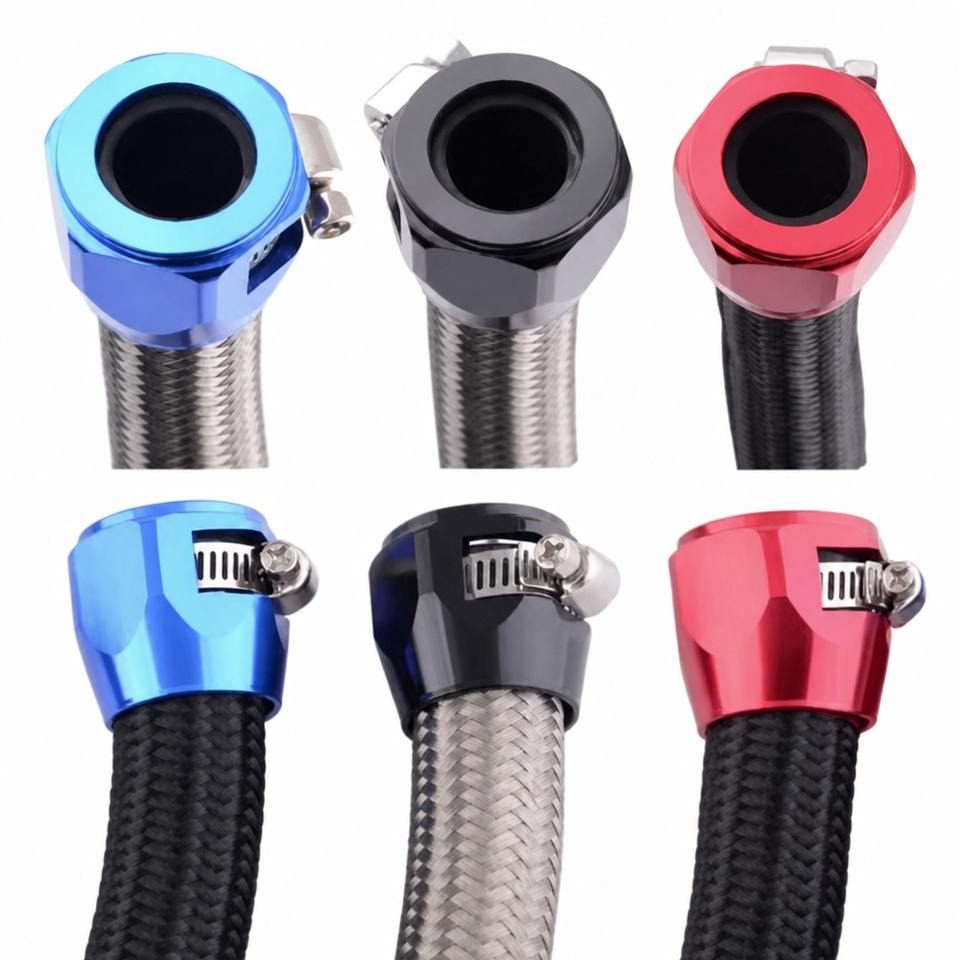
Hardware tools form the backbone of every construction project, enabling workers to complete tasks with precision, speed, and safety. Whether you're framing a residential home, erecting a commercial structure, or managing a large-scale industrial build, the right hardware tools make the difference between project success and costly delays. Understanding how hardware tools function in construction helps site managers, contractors, and workers select appropriate equipment for their specific needs.
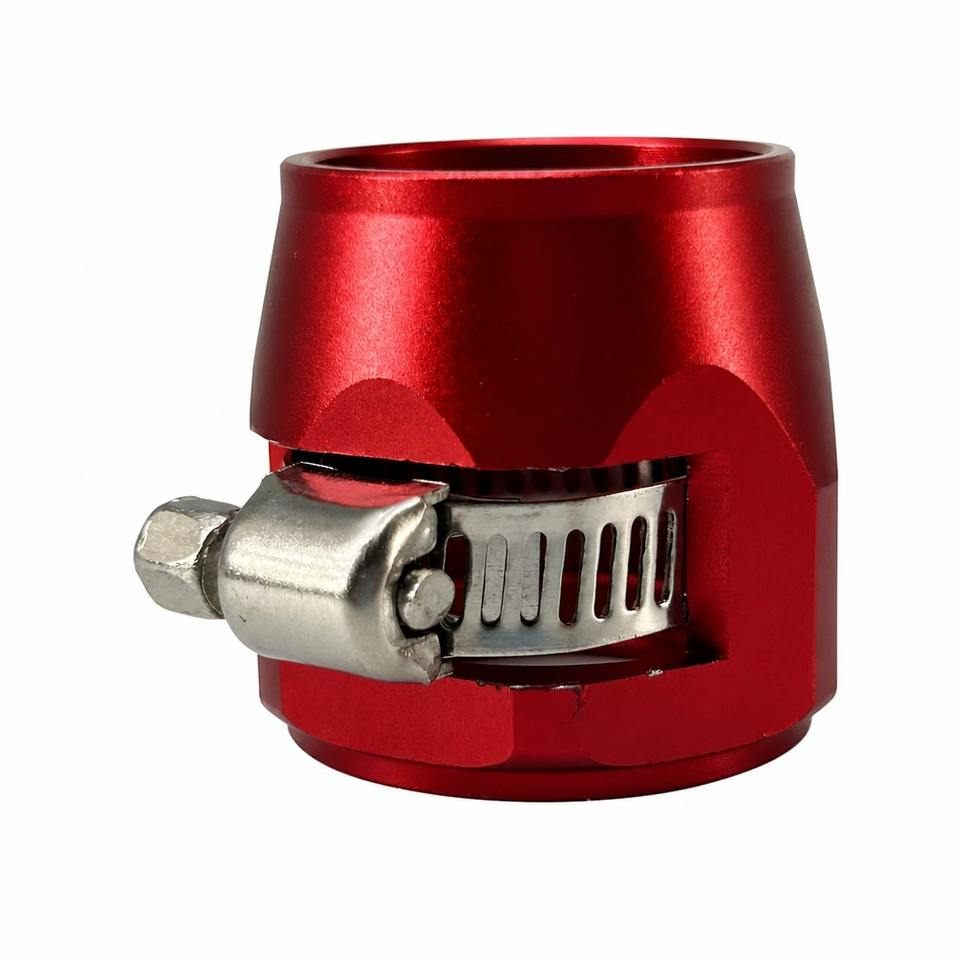
Construction relies on two primary categories of hardware tools: those powered by electricity or hydraulic pressure, and traditional hand-operated implements. Each category serves distinct purposes within the building lifecycle. Power tools deliver efficiency for repetitive tasks and heavy-duty applications, while hand tools provide control, precision, and accessibility in tight spaces. Proper tool storage ensures equipment remains functional, safe, and ready for deployment on demand.
Power Tools in Construction Applications
High-Performance Power Tools Drive Productivity
Power tools accelerate construction timelines by automating labor-intensive processes. Electric drills, circular saws, impact drivers, and pneumatic nailers reduce manual effort while increasing output consistency. Heavy-duty power tools like concrete breakers and wall cutters handle demanding demolition and modification work that would be impractical with hand tools alone. These machines operate on electrical power, compressed air, or hydraulic systems, delivering the force needed for large-scale operations. Contractors favor power tools because they reduce worker fatigue and improve safety by minimizing repetitive strain injuries.
Selecting Appropriate Power Tools for Project Phases
Different construction phases demand specific power tool capabilities. Foundation work requires hammer drills and concrete saws, framing relies on circular saws and nail guns, and finishing stages use detail-oriented tools like orbital sanders and trim routers. Power tools must match both the material being worked and the precision level required. Voltage ratings, motor power, and battery capacity directly affect performance quality and job site efficiency. Understanding hardware tools specifications prevents purchasing oversized equipment for small tasks or underpowered machines for demanding applications.
Hand Tools for Precision and Control
Hand Tools Enable Detailed Finishing Work
Hand tools provide irreplaceable control for finishing touches, repairs, and precision installations. Hammers, chisels, wrenches, screwdrivers, and levels remain essential across all construction phases despite modern automation. These hardware tools excel in confined spaces, on vertical surfaces, and in situations where power tools create excessive noise or dust. Hand tools require no electricity, making them ideal for remote sites, historical restoration projects, and interior finishes where precision matters more than speed. Many experienced contractors maintain comprehensive hand tool collections because no machinery fully replaces human skill and tactile feedback.
Integration of Hand Tools with Power Tools
Effective construction workflows combine power tools and hand tools strategically. A crew might use power tools to complete bulk material removal, then switch to hand tools for final adjustments and quality checks. Hand tools like levels, tape measures, and squares verify that power tool work meets specifications. This hybrid approach maximizes efficiency while maintaining quality standards. Hardware tools storage systems must accommodate both categories, organizing equipment for quick transitions between work phases.
Tool Storage Solutions for Site Organization
Strategic Tool Storage Improves Safety and Efficiency
Organized tool storage directly impacts construction productivity and worker safety. When hardware tools are properly stored, workers spend less time searching for equipment and more time working. Designated storage areas reduce theft, prevent equipment damage, and minimize trip hazards on job sites. Tool storage solutions range from mobile carts and wall-mounted racks to lockable cabinets and tool trailers. Larger operations employ dedicated tool rooms with inventory management systems that track equipment location and maintenance schedules. Proper storage extends hardware tools lifespan by protecting them from weather exposure, physical damage, and corrosion.
Organizing Power Tools and Hand Tools Together
Effective tool storage systems organize power tools and hand tools by work function or construction phase. Keeping frequently used hardware tools at eye level reduces retrieval time, while seasonal equipment stores in upper or lower areas. Tool storage for power tools requires secure battery charging stations, cable management, and protective cases for sensitive equipment. Hand tools benefit from magnetic strips, pegboards, and compartmented drawers that keep individual items visible and accessible. Weather protection proves essential on outdoor construction sites, as rust and moisture damage expensive hardware tools and compromise safety features.
FAQ
Why do construction projects require both power tools and hand tools?
Power tools handle bulk work quickly and reduce labor hours, making projects cost-effective, while hand tools provide precision control and accessibility in confined spaces. Hardware tools selection depends on the specific task, material, and quality requirements. A complete construction operation uses both categories because each serves distinct purposes throughout different project phases and site conditions.
How does proper tool storage affect construction project timelines?
Well-organized tool storage reduces time spent searching for hardware tools, prevents equipment loss and theft, and extends equipment lifespan through proper protection. When workers know exactly where to find each tool and can quickly transition between power tools and hand tools, project productivity increases significantly. A hardware tools management system with designated storage locations eliminates confusion and delays caused by misplaced equipment.
What are the main categories of power tools used in construction?
Power tools include drilling equipment, cutting machines, fastening devices, and demolition equipment that operate on electricity, compressed air, or hydraulic power. Common hardware tools in this category are drill presses, concrete saws, pneumatic nailers, and impact drivers. Selecting appropriate power tools requires matching equipment capabilities to project requirements, material types, and precision standards needed for successful construction completion.
 EN