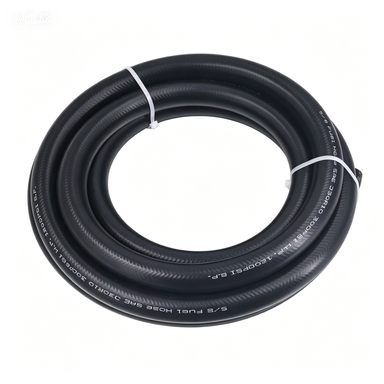
Coolant hoses are vital components of your engine cooling system, circulating antifreeze between the radiator, engine block, and heater core to maintain optimal operating temperature. When these hoses fail, your vehicle can overheat rapidly, leading to catastrophic engine damage and expensive repairs. Understanding what causes coolant hoses to fail is essential for preventative maintenance and avoiding roadside breakdowns. Most failures result from a combination of thermal stress, chemical degradation, and mechanical wear rather than a single isolated factor.
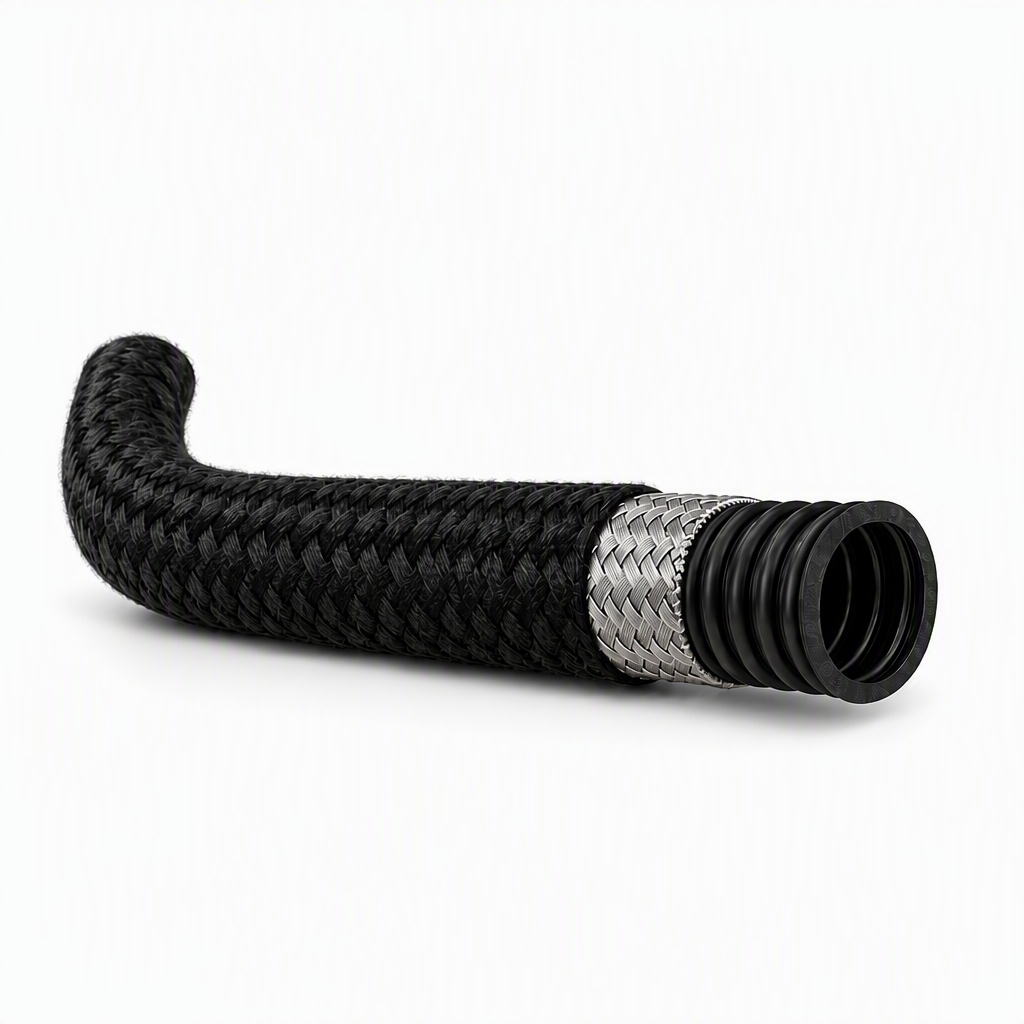
The engine cooling system operates under extreme conditions, with temperatures ranging from near freezing to over 200 degrees Fahrenheit and internal pressures reaching 15 to 20 PSI during normal operation. Radiator hose replacement becomes necessary when hoses lose their structural integrity, and recognizing the warning signs early can prevent complete system failure and extend your vehicle's lifespan significantly.
Thermal Stress and Temperature Cycling
Extreme Heat Exposure
The primary cause of coolant hose degradation is sustained exposure to high temperatures inside the engine cooling system. Antifreeze hose maintenance becomes critical because rubber and synthetic materials gradually lose elasticity when exposed to temperatures consistently above 180 degrees Fahrenheit. The repeated cycles of heating and cooling cause the hose material to become brittle and lose its flexibility, eventually cracking or splitting under pressure.
Over time, the rubber compound breaks down at the molecular level, a process called oxidation. This degradation happens faster in older vehicles without proper coolant system maintenance and in climates with extreme temperature swings. Once the hose becomes inflexible, even minor pressure fluctuations during startup or shutdown can cause splits or pinhole leaks that compromise the entire cooling system.
Freeze-Thaw Cycles
In cold climates, freeze-thaw cycles accelerate hose failure significantly. When coolant freezes inside a hose, ice expansion creates internal pressure that the hose material cannot withstand. Additionally, the repeated contraction and expansion of hose walls during seasonal temperature changes weakens the material structure progressively. This mechanical stress accumulates over years, making radiator hose replacement more common in northern regions and mountainous areas with dramatic temperature variations.
Chemical Degradation and Fluid Compatibility
Antifreeze Chemical Attack
The antifreeze hose maintenance aspect extends beyond physical inspection to understanding how coolant chemistry affects hose integrity. Different antifreeze formulations contain varying concentrations of glycol, silicates, and corrosion inhibitors that can chemically attack rubber compounds. When incompatible antifreeze types are mixed or when coolant becomes contaminated with oil or metallic particles, chemical reactions accelerate hose deterioration from the inside out.
Coolant also contains additives designed to protect metal engine components, but these same additives can soften or swell certain hose materials over extended periods. Radiator hose replacement intervals should account for coolant type recommendations, as using the wrong antifreeze formulation can cut hose lifespan in half. Regular coolant flushes help prevent the accumulation of degraded particles that increase internal pressure and accelerate external hose failure.
Oxidation and Contamination
Oxidized coolant becomes acidic and corrosive, attacking both hose material and the metal fittings that connect hoses to the coolant hoses to engine components. Water contamination from compromised radiator seals or blown head gaskets introduces minerals and sediment that erode hose inner walls, creating micro-fractures. The engine cooling system must maintain strict fluid purity; contaminated coolant forces earlier radiator hose replacement and increases the risk of complete system failure during critical driving moments.
Mechanical Wear and Installation Issues
Pressure and Vibration Damage
The engine cooling system maintains continuous pressure to raise the boiling point of coolant and ensure efficient heat transfer. Over decades of operation, this constant pressure combined with engine vibration causes metal clamps and hose connections to work loose gradually. Loose clamps create micro-movements that abrade the hose surface, while vibration from the engine transmits directly to hoses mounted near moving components like water pumps and belts.
Worn serpentine belts can rub against nearby hoses, creating friction damage that punctures through the outer wall without reaching the inner core until pressure is applied. This hidden damage makes radiator hose replacement essential during routine belt service intervals. Additionally, engine bay heat sources like exhaust manifolds can radiate extreme temperatures onto nearby hose sections, creating localized weak spots that fail under normal operating pressure.
Installation and Clamp Problems
Improper installation during radiator hose replacement is a leading cause of premature failure. When clamps are tightened insufficiently, coolant gradually weeps from connection points and oxygen penetrates the system, accelerating oxidation. Conversely, over-tightened clamps cut into hose material, creating stress concentrations that propagate into cracks under pressure cycling. The engine cooling system requires specific clamp torque values to balance secure connection with hose material integrity.
Clamp corrosion also contributes to hose failure; rusty or corroded clamps lose clamping force and allow hose movement. When hoses slip inside corroded clamps, internal flow turbulence increases and pressure spikes occur, overwhelming the weakened hose material. Using stainless steel clamps during antifreeze hose maintenance prevents corrosion and maintains consistent clamping pressure throughout the hose's service life.
FAQ
How long do coolant hoses typically last before radiator hose replacement becomes necessary?
Most coolant hoses last between 4 and 10 years or 30,000 to 50,000 miles, depending on vehicle age, driving conditions, and maintenance habits. Extreme temperatures and poor quality coolant accelerate failure, sometimes requiring radiator hose replacement before 3 years of service. Regular antifreeze hose maintenance and visual inspections help identify degraded hoses before catastrophic failure occurs.
What are the warning signs that coolant hoses need immediate attention in the engine cooling system?
Visible cracks, splits, or blisters on hose surfaces indicate immediate radiator hose replacement needs. Soft or mushy hose sections when squeezed suggest internal degradation, while puddles of coolant under the vehicle point to active leaks. Sweet-smelling coolant odors, white smoke from under the hood, or dashboard temperature warning lights signal engine cooling system problems requiring urgent hose inspection and replacement.
Can antifreeze hose maintenance prevent hose failure completely?
While regular antifreeze hose maintenance cannot prevent hose aging indefinitely, it significantly extends hose lifespan and catches failures early. Flushing coolant every 30,000 miles, maintaining proper coolant levels, and inspecting hoses quarterly reduce failure risk substantially. Timely radiator hose replacement before emergency situations occur protects your engine and maintains reliable cooling system performance throughout your vehicle's operational life.
 EN