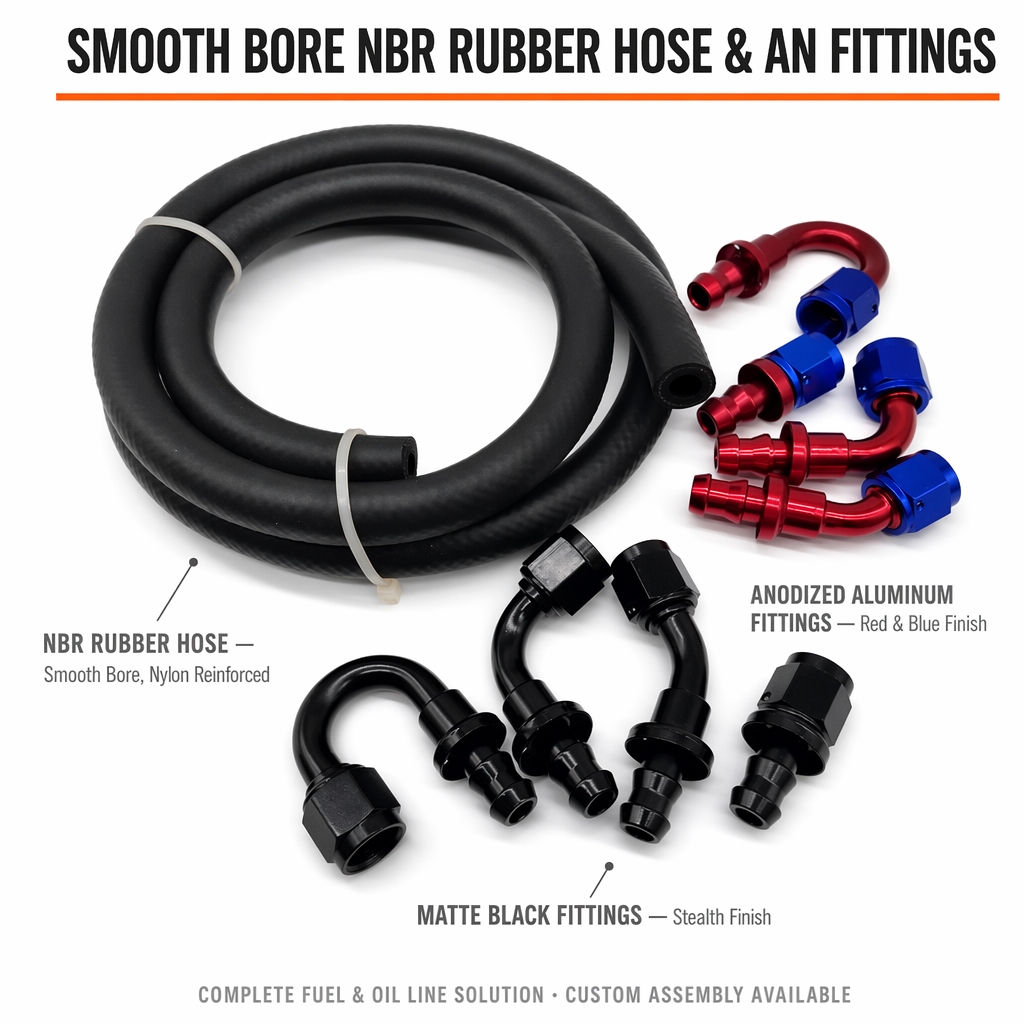
Fuel hose failures represent one of the most common maintenance challenges in automotive and industrial equipment management. A failing fuel hose can lead to leaks that compromise engine performance, create safety hazards, and result in costly downtime. Understanding the root causes of fuel hose deterioration and failure is essential for fleet managers, equipment operators, and maintenance professionals who need to prevent unexpected breakdowns and maintain reliable operations.
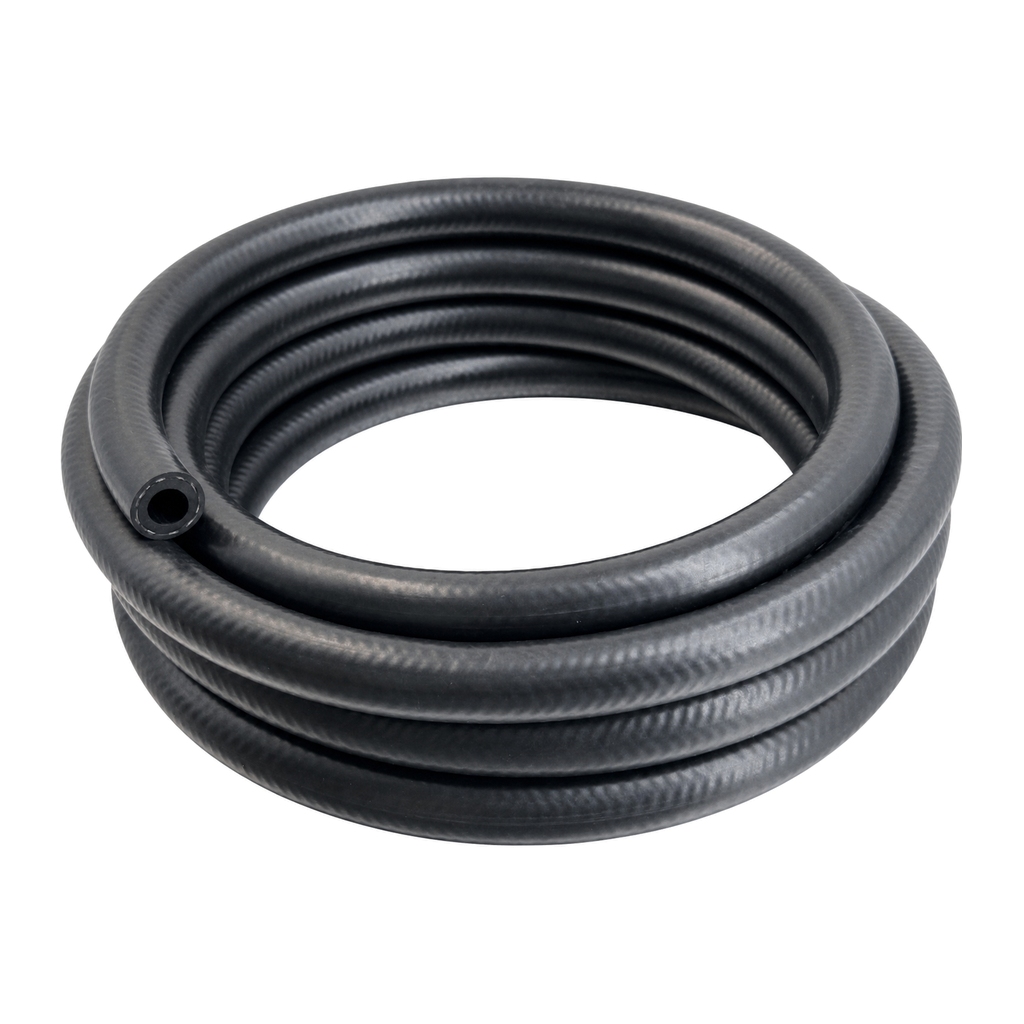
The lifespan and reliability of a fuel line assembly depend on multiple environmental and operational factors. Fuel hose deterioration occurs through predictable mechanisms that can be identified, monitored, and managed with proper awareness and preventive maintenance strategies. Whether you operate diesel fuel hose systems in heavy-duty applications or manage standard fuel line assemblies in mobile equipment, knowing why failures occur helps you implement timely interventions and select appropriate fuel hose replacement solutions.
Temperature Exposure and Material Degradation
Heat Stress on Rubber Compounds
Excessive heat is one of the primary drivers of fuel hose failure. Rubber compounds in fuel line assembly components break down when exposed to sustained high temperatures, particularly in engine compartments where ambient heat combines with engine radiant temperature. The elastomer material loses flexibility over time, becoming brittle and prone to cracking. Diesel fuel hose systems face heightened thermal stress because diesel engines typically operate at higher combustion temperatures than gasoline engines, accelerating degradation of hose materials and reducing the effective service life before fuel hose replacement becomes necessary.
Thermal Cycling and Expansion Stress
Repeated heating and cooling cycles create mechanical stress within fuel hose walls. As temperature fluctuates, the rubber expands and contracts, gradually weakening the molecular bonds in the material. This thermal cycling is particularly damaging in seasonal climates where daily temperature swings are significant. Over hundreds or thousands of cycles, the fuel line assembly loses structural integrity, internal cracks form, and small leaks begin to appear. Diesel fuel hose installations in construction equipment, generators, and commercial vehicles experience severe thermal cycling when equipment operates in variable outdoor conditions, making regular fuel hose replacement intervals critical for reliability.
Chemical Degradation and Fuel Composition
Fuel Additive Reactions
Modern fuels contain detergents, biocides, and corrosion inhibitors designed to protect engines, but these additives can interact negatively with certain fuel hose materials. Some rubber compounds are not fully compatible with the complete range of fuel additives found in contemporary diesel fuel hose applications or premium gasoline blends. When incompatibility occurs, the fuel line assembly material softens, swells, or becomes porous, creating internal degradation that eventually leads to fuel hose failure and leaks. This chemical degradation is often gradual and invisible until structural failure occurs, making material selection critical during fuel hose replacement decisions.
Water Contamination and Corrosion
Water ingress into fuel systems promotes internal corrosion of fuel line assembly components and accelerates rust formation at connection points. Moisture combines with fuel to form acidic conditions that attack the inner surface of fuel hose materials, particularly in diesel fuel hose systems where water separation and management are essential. Condensation accumulation in fuel tanks creates an environment where corrosive reactions proceed faster, weakening hose walls from the inside outward. Systems operating in humid environments or exposed to temperature fluctuations that promote condensation are especially vulnerable, often requiring preventive fuel hose replacement before visible leaks appear.
Mechanical Damage and Installation Factors
Abrasion, Kinking, and Pressure Stress
Physical damage to fuel line assembly components frequently occurs during installation or through contact with sharp edges, moving parts, or rough mounting surfaces. Fuel hose that rubs against adjacent components or engine structures experiences abrasion that wears through the outer protective layer, exposing underlying material to fuel and environmental exposure. Kinks and sharp bends create stress concentration points where fuel hose fails prematurely under normal pressure cycling. Overpressurization beyond the rated specifications of the fuel line assembly causes the hose to balloon and fail, particularly if the hose material has already been weakened by thermal or chemical degradation. Incorrect installation practices remain a significant cause of premature fuel hose replacement requirements in fleet and industrial settings.
Vibration and Fatigue Failure
Operating equipment generates continuous vibration that cycles stress through fuel hose walls millions of times during the equipment's service life. This repetitive stress induces fatigue in the rubber material, causing micro-fractures that gradually coalesce into visible cracks. Diesel fuel hose systems in heavy trucks, earth-moving equipment, and marine engines experience particularly intense vibration environments that accelerate fatigue-based failures. Poor hose routing or inadequate support allows excessive movement during operation, magnifying vibration effects and dramatically shortening the interval before fuel hose replacement is required. Proper securing and support brackets are essential for extending fuel line assembly service life in high-vibration applications.
FAQ
How long does a typical fuel hose last before replacement is needed?
Most fuel line assembly components last between three and five years under normal operating conditions, though diesel fuel hose systems in heavy-duty applications may need fuel hose replacement every two to three years due to higher stress levels. Environmental factors, fuel quality, vehicle maintenance practices, and installation quality all influence actual service life. Regular inspection allows early detection of degradation, enabling fuel hose replacement before catastrophic failure occurs and causes fuel leaks or equipment damage.
What are the warning signs of fuel hose failure?
Visible fuel leaks around connection points, a persistent fuel odor near the engine, dark staining or wet spots on the fuel line assembly exterior, and performance loss are primary indicators of fuel hose problems. Diesel fuel hose systems may also show signs of swelling or softness in the rubber material. Any combination of these symptoms warrants immediate inspection and prompt fuel hose replacement to prevent safety hazards, environmental contamination, and engine damage.
Can fuel hose replacement prevent future leaks and failures?
Yes, timely fuel hose replacement with quality materials rated for your specific application eliminates leaks and restores reliable fuel delivery. Using fuel line assembly components with proper temperature ratings, chemical compatibility, and pressure specifications extends service life significantly. Additionally, ensuring correct installation practices, adequate hose support, and protection from abrasion prevents the common causes of premature failure, making fuel hose replacement a sound preventive investment rather than a reactive repair.
 EN