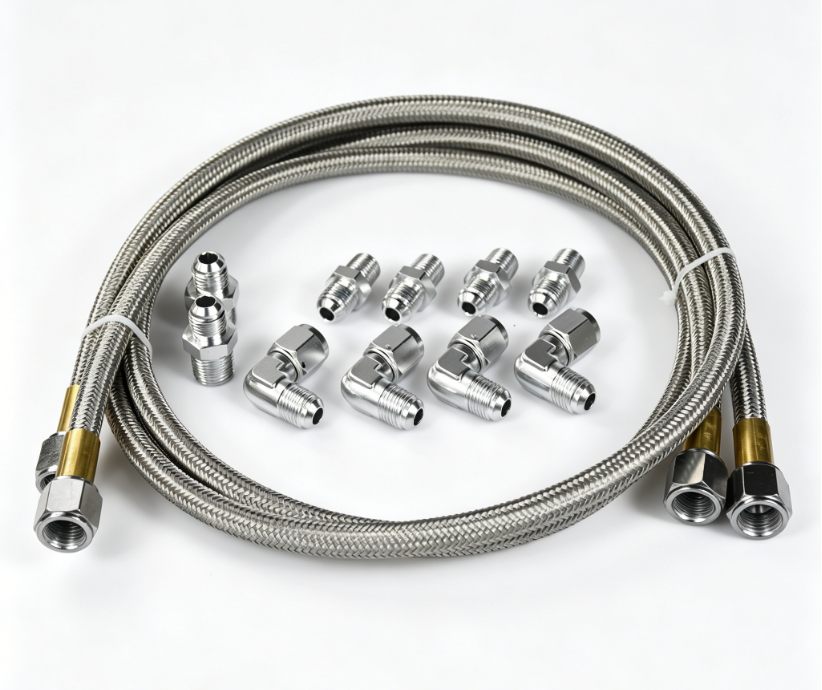
A hydraulic hose failure can bring industrial operations to a grinding halt. Understanding what causes hydraulic hose leaks and premature degradation is essential for maintenance teams, equipment operators, and facility managers across manufacturing, construction, and mobile equipment sectors. The majority of hydraulic hose failures stem from predictable, preventable root causes—and addressing them early saves time, money, and operational disruption.
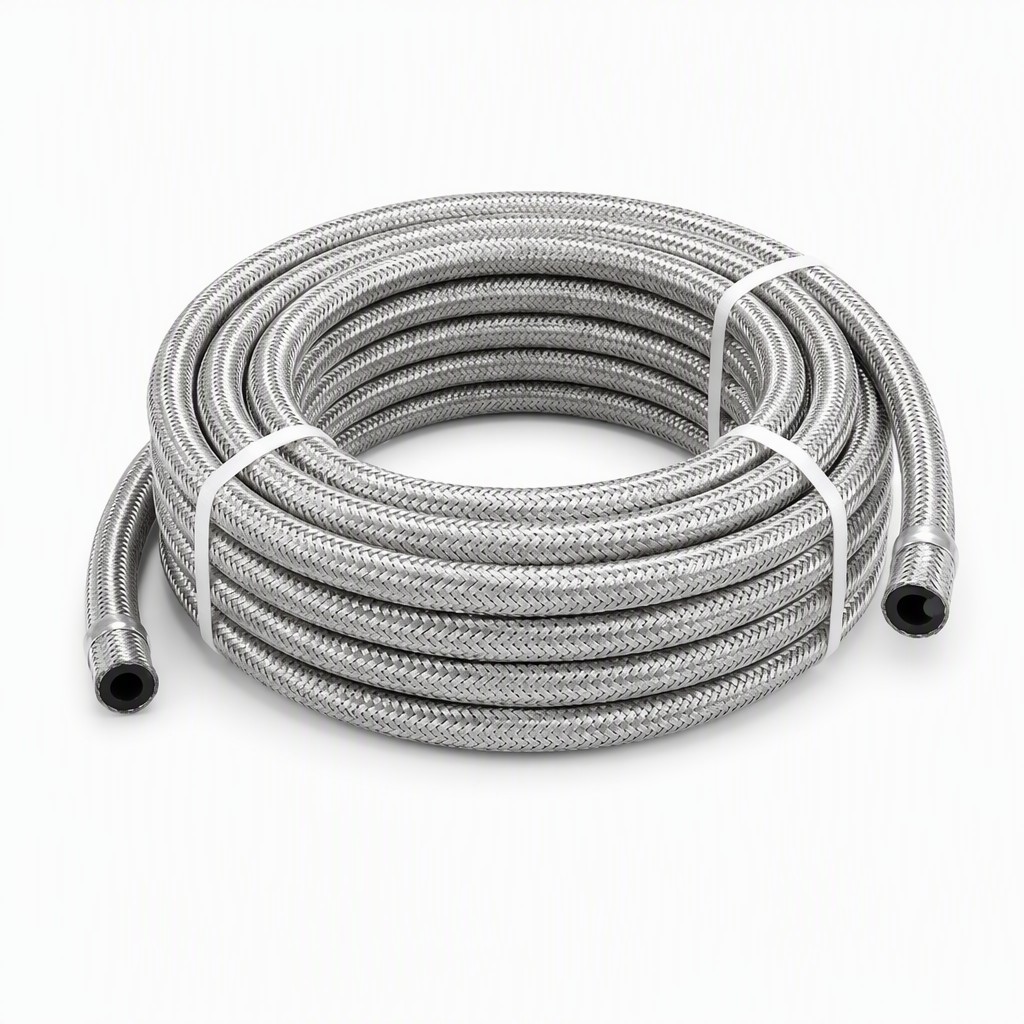
Every hydraulic system relies on properly functioning hose assemblies to transmit power, move actuators, and maintain system integrity under demanding conditions. When a hydraulic hose begins to fail, the consequences ripple through connected equipment, creating safety hazards, environmental risks, and expensive downtime. By learning the mechanics behind hose failure, operators can implement targeted inspection protocols and replacement schedules that keep systems running reliably.
Pressure-Related Degradation and Burst Risk
Excessive pressure remains one of the most common culprits behind hydraulic hose failure. A high pressure hose experiences cumulative stress each time the system cycles, and over time, the inner tube and reinforcement layers weaken. When pressure spikes exceed the hose assembly's rated working pressure—often due to system miscalibration, blocked lines, or operator error—the hose wall can rupture suddenly.
Pressure surges are particularly destructive because they concentrate force in microseconds, overwhelming the flexible tubing's structural integrity. Even a single severe spike can initiate micro-cracks in the reinforcement layers that propagate during subsequent pressure cycles. Industrial systems operating near their pressure limits without proper relief valve maintenance face heightened burst risk, especially in construction equipment and hydraulic presses where load variability is high.
Fatigue and Cyclic Loading
Repeated pressure cycling causes fatigue in hydraulic hose materials. Unlike a single catastrophic overpressure event, fatigue develops gradually as the flexible tubing experiences thousands of expand-and-contract cycles. The inner tube flexes, the reinforcement fibers shift, and microscopic damage accumulates until the hose suddenly fails during a routine operation.
High pressure hose systems used in mobile equipment, such as excavators and loaders, experience continuous cyclic loading as operators repeatedly extend and retract hydraulic cylinders. Without adequate rest periods or proper hose sizing, this fatigue mechanism accelerates failure. Facility managers can mitigate this risk by right-sizing hose assemblies to match actual system pressures and ensuring pressure relief systems function correctly.
Environmental and Chemical Damage Mechanisms
The operating environment surrounding a hydraulic hose directly influences its lifespan. Extreme temperatures, harsh chemical exposure, UV radiation, and mechanical abrasion all degrade hose materials independently of pressure stress. A hose assembly rated for high performance may fail prematurely if installed in an unsuitable environment or left exposed to incompatible fluids.
Temperature Extremes and Thermal Stress
Hydraulic fluid temperature fluctuations cause the hose assembly to expand and contract at rates that differ from the surrounding equipment. When a hydraulic hose operates at excessive temperatures—above 82°C or below −25°C for most standard hoses—the rubber inner tube hardens or becomes overly pliable, compromising the seal. Simultaneously, the reinforcement structure loses elasticity, making the flexible tubing brittle and prone to cracking.
Temperature-related failure often occurs without visible warning signs. The hose may appear intact externally while internal degradation has already begun. Installing temperature monitoring on critical systems and choosing hose assemblies with expanded temperature ratings for harsh environments prevents this hidden failure mode.
Fluid Incompatibility and Chemical Attack
Using incompatible hydraulic fluid or allowing foreign substances to contact the hose assembly can trigger rapid material degradation. Certain synthetic fluids, water ingress, or cleaning solvents chemically attack the rubber compounds in the inner tube and seals, causing them to swell, soften, or crack. A high pressure hose designed for petroleum-based hydraulic oil will deteriorate quickly if exposed to water-based fluids or non-approved solvents.
Cross-contamination occurs when maintenance teams refill or flush systems without verifying fluid type compatibility. Even small volumes of incompatible fluid can initiate chemical degradation in flexible tubing. The hose assembly may begin leaking hours or days after fluid contact, making root cause identification difficult if fluid documentation is poor.
Installation, Routing, and Mechanical Wear
Many hydraulic hose failures trace back to installation practices and in-service routing that subjects the hose assembly to unintended mechanical stresses. Sharp bends, abrasion against sharp edges, and improper clamping all concentrate stress and initiate failure pathways that eventually rupture the hose.
Bending Radius Violations and Kinking
Every hydraulic hose has a minimum bending radius specification—the tightest curve the hose can sustain without internal damage. When installers force a hose assembly around corners tighter than the rated radius, the reinforcement layers compress unevenly, creating stress concentrations. Over time, these weakened zones fail, often suddenly, causing catastrophic leaks.
Kinking represents the extreme case of bending radius violation. A kinked hose assembly loses internal reinforcement integrity at the crimp point and typically fails within days or weeks of installation. Proper cable management, routing clips, and adherence to manufacturer bend radius specifications prevent this common, easily preventable failure mode. Flexible tubing route planning during system design saves enormous expense in field modifications and emergency repairs.
Abrasion and Vibration Damage
A high pressure hose rubbing against sharp edges, rough surfaces, or moving machinery gradually wears through its protective cover and reinforcement layers. Once the outer layers are breached, internal pressure begins leaking, and continued vibration accelerates the damage until full rupture occurs. Equipment vibration compounds this effect, especially in mobile or reciprocating machinery.
Preventive measures include installing protective covers over exposed hose runs, using soft clamps instead of metal brackets that can cut into the hose assembly, and separating hydraulic lines from moving parts. Regular visual inspection—catching early abrasion before it penetrates reinforcement—allows technicians to relocate or replace compromised sections before failure.
Contamination and Particle Damage
Hydraulic system contamination is a silent killer of hose performance. Particles—ranging from metal wear debris to dust ingress—circulate through the system and lodge in the hose assembly, creating internal stress points and accelerating wear on seals. When pressurized, these particles punch small holes in the inner tube, initiating leaks that grow over time.
Fluid filters protect against large particles, but microscopic contamination often bypasses or damages filters, reaching the hose assembly and high pressure hose networks downstream. Poor maintenance practices, such as leaving system ports open during repairs or using contaminated refill fluid, introduce particles that have no protective barrier. Implementing strict fluid handling protocols and maintaining effective filtration systems prevents this category of failure entirely.
FAQ
What is the most common cause of hydraulic hose failure in industrial equipment?
Excessive pressure and cyclic fatigue represent the leading causes of hydraulic hose failure across industrial sectors. When systems operate near or above rated working pressure without proper relief valve maintenance, or when hose sizing is inadequate for system demands, pressure spikes and fatigue cycles degrade the hose assembly rapidly. Regular pressure system verification and proper hydraulic hose selection eliminate most pressure-related failures.
How does temperature affect hydraulic hose durability and performance?
Temperature extremes cause rubber compounds in the hose assembly to become brittle at low temperatures or overly soft at high temperatures, compromising seal integrity and reinforcement strength. Operating outside manufacturer temperature specifications accelerates degradation and can cause internal thermal stress that initiates hose failures even under normal pressure conditions. Monitoring fluid temperature and selecting temperature-rated flexible tubing prevents thermal failure mechanisms.
Can proper installation and routing prevent most hydraulic hose failures?
Yes, many hydraulic hose failures stem from installation errors including bending radius violations, inadequate routing, abrasion hazards, and improper clamping. Adhering to manufacturer specifications during installation, protecting hose assemblies from sharp edges, and maintaining appropriate clearance from moving parts eliminate numerous failure modes. Preventive installation practices and regular visual inspection catch wear patterns before they become critical leaks.
 EN