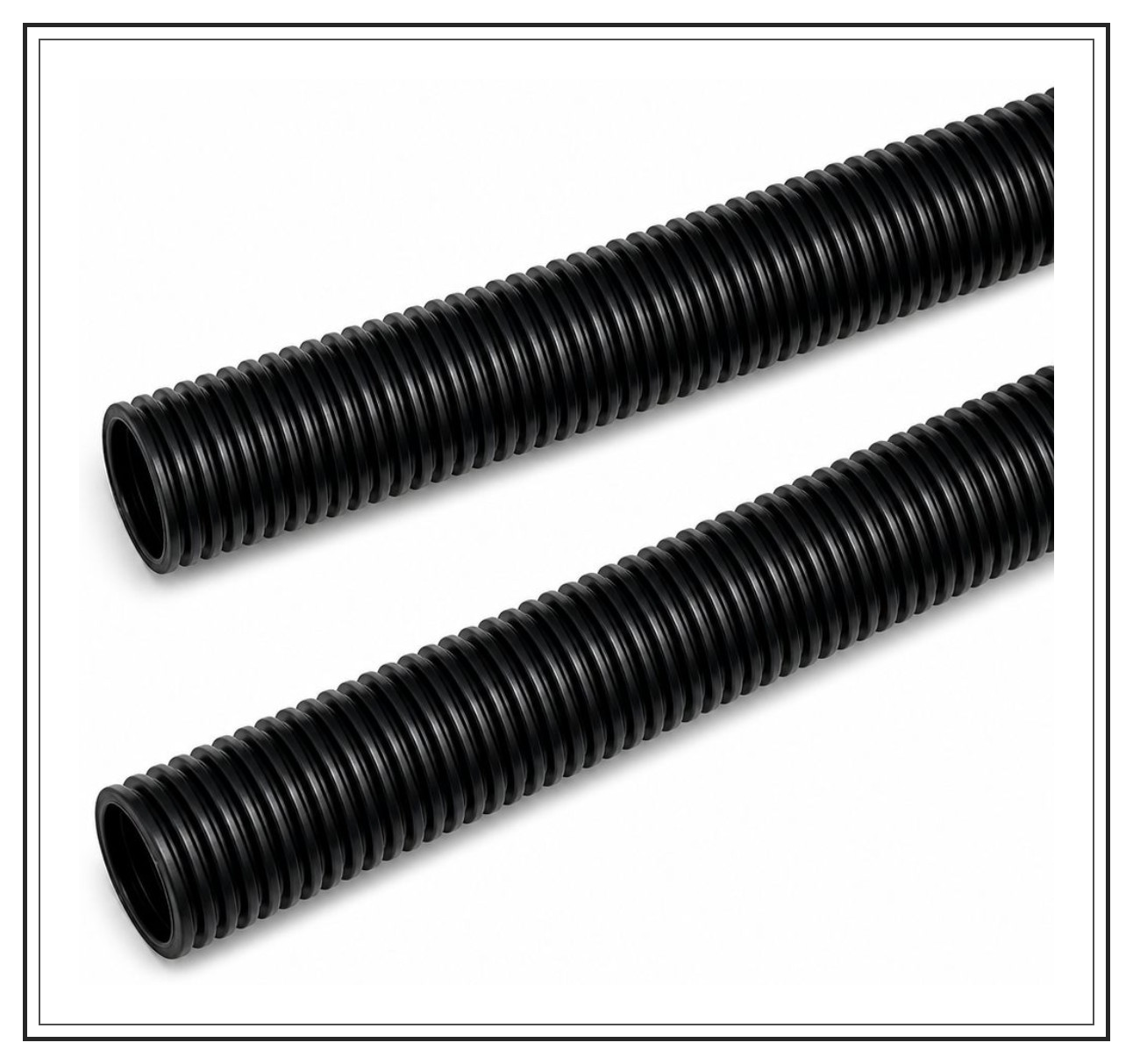
A failing radiator hose can lead to catastrophic engine damage if left unaddressed. The radiator hose is a critical component of your engine cooling system, responsible for circulating coolant between the radiator and engine block. Understanding what causes radiator hose failure and leaks is essential for vehicle owners who want to prevent costly repairs and maintain optimal engine performance. When a radiator hose fails, coolant escapes, temperature rises, and engine overheating becomes imminent.
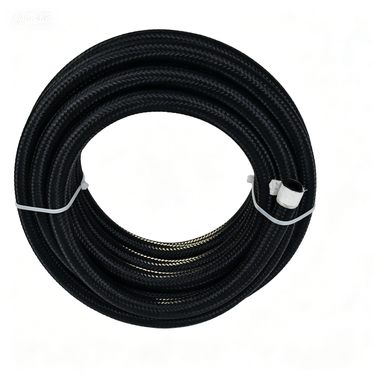
The causes of radiator hose failure range from simple age-related degradation to more complex mechanical issues within the engine cooling system. Most hoses last between 4 to 10 years, depending on driving conditions and maintenance practices. By identifying the root causes of failure, vehicle owners can implement preventive measures and extend the life of their coolant hose systems. Recognizing early warning signs also allows drivers to schedule radiator hose replacement before catastrophic failure occurs.
Material Degradation and Age-Related Wear
Rubber deteriorates naturally over time, especially when exposed to heat cycling and chemical stress. A radiator hose is constructed from synthetic rubber compounds designed to withstand extreme temperatures and pressure fluctuations. However, prolonged exposure to engine heat causes the rubber material to lose elasticity, become brittle, and crack from the inside out. As coolant circulates through the engine cooling system repeatedly, internal stress weakens the hose structure incrementally.
Thermal Cycling and Temperature Extremes
Every engine startup and shutdown cycle creates thermal stress on the coolant hose. The radiator hose expands when hot coolant flows through it and contracts when the engine cools down. This constant expansion and contraction accelerates material fatigue and weakens the hose walls. Temperature fluctuations between hot engine operation and cold winter conditions intensify this cycling effect, causing microscopic cracks that eventually propagate into visible leaks.
Chemical Breakdown of Rubber
Coolant itself contains additives and chemicals that interact with the rubber material of the radiator hose over time. Older coolant formulations can become acidic and corrode rubber from within the engine cooling system. Even modern coolants gradually break down the molecular structure of synthetic rubber compounds. When chemical degradation combines with thermal stress, the radiator hose becomes increasingly porous and prone to failure and leakage.
Pressure-Related Failure Mechanisms
The engine cooling system operates under significant pressure, sometimes exceeding 15 PSI when the engine runs hot. A compromised radiator hose cannot withstand this pressure, especially if internal damage has already weakened the material. Weak spots in the hose wall will rupture first, creating pinhole leaks or larger cracks depending on the severity of degradation. High-pressure coolant escapes through these ruptures, causing immediate coolant loss and engine overheating.
Coolant Pump Pressure Surges
The coolant pump creates sustained pressure that pushes fluid through the entire engine cooling system circuit. Sudden pressure spikes occur during aggressive acceleration or when the thermostat opens rapidly. A radiator hose with weakened walls cannot accommodate these pressure surges, leading to rupture or bulging. Over time, repeated pressure stress causes permanent deformation and eventual failure of the hose structure.
System Blockages and Backpressure
Debris, mineral buildup, or corrosion inside the radiator can restrict coolant flow and create dangerous backpressure. This elevated backpressure forces excessive pressure against the radiator hose walls, accelerating wear and rupture risk. A coolant hose designed for normal operating pressure will fail prematurely when subjected to abnormal backpressure conditions. Regular coolant flushing and radiator cleaning prevent blockages that contribute to radiator hose replacement needs.
Environmental and Mechanical Damage Factors
External conditions and mechanical impacts play significant roles in radiator hose failure and leaks. UV radiation from sunlight degrades the outer rubber surface, reducing structural integrity of the engine cooling system component. Road salt, engine oil spray, and ozone exposure all contribute to accelerated material breakdown. Additionally, physical damage from debris, contact with sharp engine components, or poor installation creates weak points where leaks develop.
Improper Installation and Clamp Failure
Incorrect radiator hose replacement procedures can cause premature failure and leaks. If the hose is not fully seated on its fittings, gaps allow coolant to escape from the engine cooling system. Worn or improperly tightened clamps fail to maintain adequate pressure on the hose connections. When a clamp loosens over time through vibration, the coolant hose connection gradually separates, creating slow leaks that worsen progressively.
Collision Damage and Rubbing Abrasion
Hoses positioned near moving engine components can experience abrasion damage if brackets are misaligned or loose. Repetitive rubbing against sharp surfaces gradually wears through the outer rubber layer, exposing inner layers to coolant pressure. Minor collisions or impacts during radiator hose replacement can create internal damage not immediately visible. These hidden injuries manifest as leaks weeks or months after installation, necessitating another radiator hose replacement cycle.
Preventive Measures and Maintenance Best Practices
Proactive maintenance of your engine cooling system significantly extends radiator hose lifespan and prevents unexpected failures. Regular visual inspections for cracks, bulges, soft spots, and coolant residue provide early warning of developing problems. Maintaining proper coolant levels and using the manufacturer-specified coolant type protects the hose material from chemical degradation. Flushing the cooling system every 30,000 to 50,000 miles removes contaminants that cause blockages and backpressure.
Scheduled Inspection and Replacement Intervals
Most manufacturers recommend inspecting the radiator hose annually and replacing it every 5 to 7 years regardless of visible condition. Many vehicle owners wait until failure occurs before scheduling radiator hose replacement, which is reactive rather than preventive. Planned replacement during routine maintenance avoids catastrophic engine damage from sudden coolant loss. A radiator hose replacement service typically costs far less than repairing an engine damaged by overheating.
Coolant System Monitoring and Protection
Modern vehicles feature temperature sensors and pressure relief valves that protect the engine cooling system from damage. Monitoring coolant temperature gauge readings helps identify overheating before catastrophic failure occurs. Ensuring the radiator cap maintains proper pressure prevents excessive stress on the coolant hose connections. Using premium extended-life coolant formulations reduces chemical degradation of the radiator hose material.
FAQ
How long does a radiator hose typically last?
Most radiator hoses last between 4 to 10 years, depending on driving conditions, climate, and maintenance practices. Frequent high-temperature operation and neglected maintenance accelerate failure. Many vehicle owners replace the coolant hose proactively at the 5 to 7 year mark to prevent unexpected breakdowns. Engine cooling system stress from towing or sustained highway driving shortens radiator hose lifespan significantly.
What are the warning signs of a failing radiator hose?
Visible cracks, bulges, soft spots, and active coolant leaks are clear indicators of radiator hose problems. A sweet smell from coolant escaping the engine cooling system is another common warning sign. Overheating warning lights, puddles under the vehicle, and low coolant level warnings all suggest radiator hose failure or leaks. Addressing these symptoms immediately prevents engine damage and the need for costly radiator hose replacement procedures.
Can a radiator hose be repaired, or must it be replaced?
Temporary patches and sealants exist, but they are not reliable solutions for engine cooling system safety. Small leaks might be temporarily sealed, but radiator hose replacement is the only permanent solution. Once a hose develops cracks or structural weakness, the material integrity is compromised throughout. Professional radiator hose replacement ensures proper fitment, secure connections, and long-term reliability of the engine cooling system.
 EN