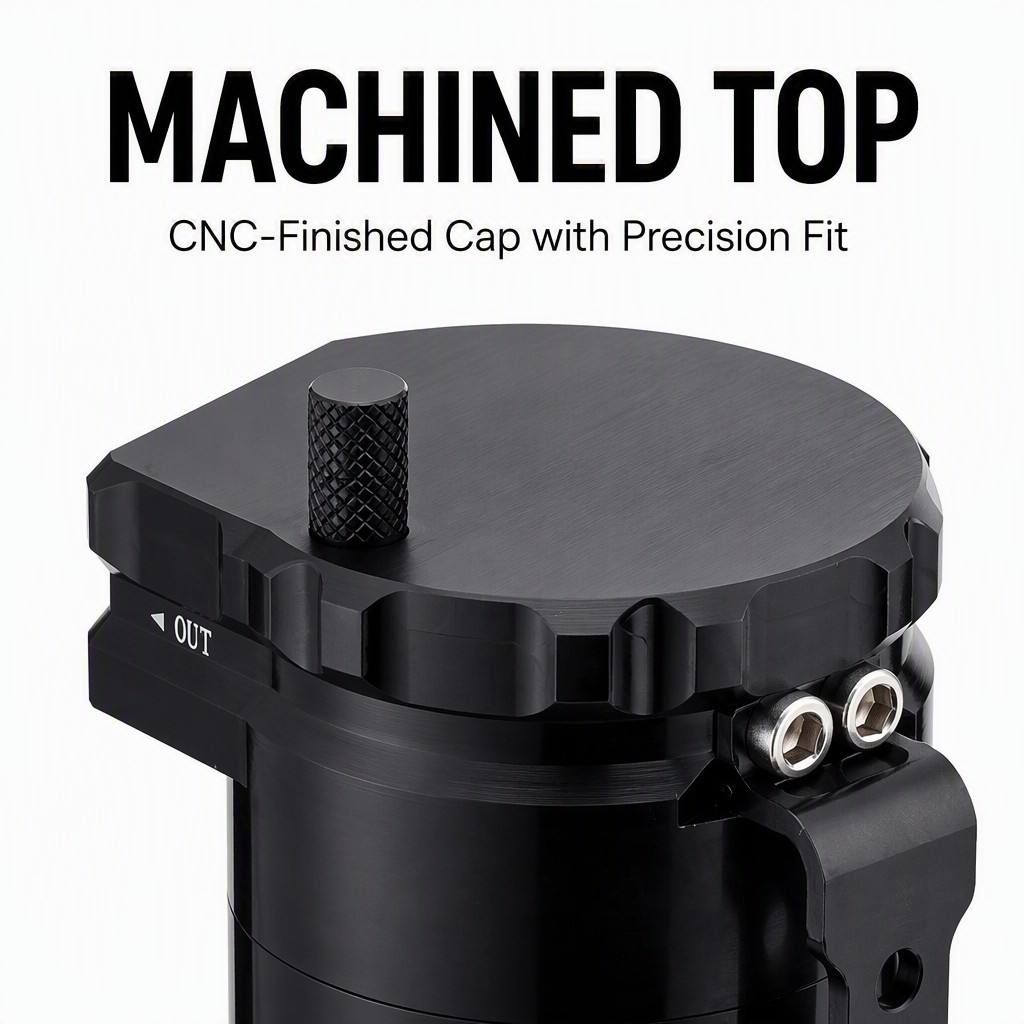
Engine efficiency and longevity depend on managing crankcase vapors effectively, which is where a catch can becomes essential. Whether you operate heavy machinery, high-performance vehicles, or industrial engines, understanding the certifications your catch can should meet is critical for compliance, performance, and reliability. The right certification ensures that your engine catch can system functions properly while meeting safety and environmental standards required by regulatory bodies and manufacturers
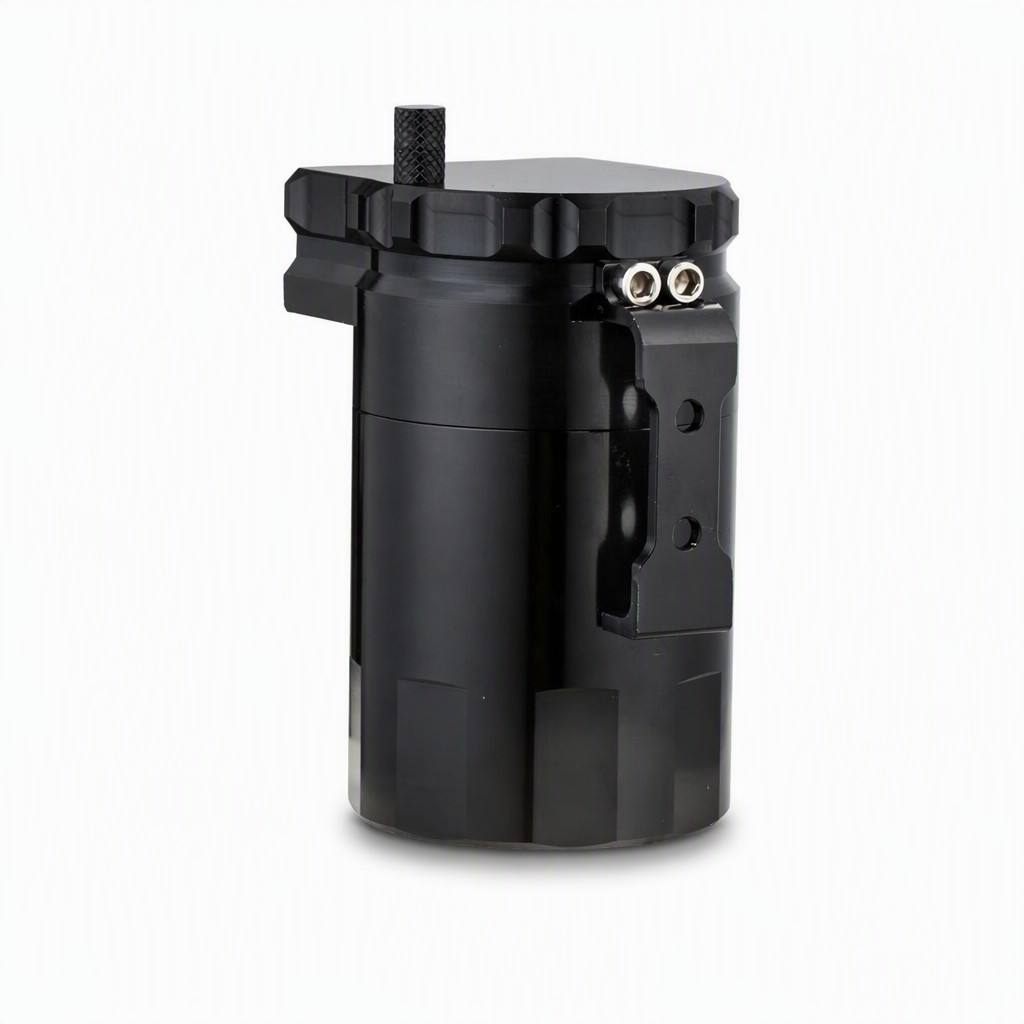
Selecting a catch can without understanding certification requirements can lead to improper engine performance, failed inspections, and potential warranty violations. A properly certified engine catch can system protects your investment while ensuring compliance with environmental regulations and manufacturer specifications. This guide explores the key certifications, standards, and requirements that every catch can should meet to function safely and effectively in modern engine environments.
Industry Standards for Catch Can Design
SAE and ISO Compliance Requirements
The Society of Automotive Engineers (SAE) and International Organization for Standardization (ISO) establish baseline performance criteria for engine catch can systems. These standards define pressure ratings, material durability, and vapor separation efficiency that every catch can must achieve. SAE J2045 specifically addresses crankcase ventilation system performance, setting requirements for catch can components that protect engines from excessive pressure buildup and oil contamination.
ISO 13849-1 and related standards ensure that catch can maintenance and cleaning procedures maintain system integrity over time. Your engine catch can system should demonstrate compliance with these frameworks through third-party testing and documentation. Manufacturers who provide SAE and ISO certification evidence prove their products undergo rigorous validation and meet internationally recognized performance benchmarks.
Environmental and Emission Standards
Environmental protection agencies in major markets require catch cans to prevent harmful vapors from entering the atmosphere. EPA regulations in the United States mandate that catch can systems capture and contain crankcase emissions effectively. Regional variations exist, so consulting your engine manufacturer's specifications ensures your catch can meets applicable emission standards for your operating region.
Pressure and Safety Certifications
ASME and Pressure Vessel Standards
Catch cans function as pressure vessels, containing crankcase vapors and condensed oil at varying pressures. ASME Boiler and Pressure Vessel Code (BPVC) certification ensures your catch can withstands operational pressures without rupturing or leaking. Industrial-grade engine catch can systems typically carry ASME Section VIII Division 1 certification, indicating compliance with safety factors and material specifications for pressurized containers.
Certification labels on quality catch cans display pressure ratings (PSI) and temperature operating ranges that correspond to your engine type. High-performance engines and turbocharged systems require catch cans rated for elevated pressures, typically 15–30 PSI. Before purchasing, verify that your catch can's pressure rating matches your engine manufacturer's specifications to ensure safe operation and prevent system failure.
Material and Temperature Durability
Certified catch cans use materials rated for high-temperature engine bay environments, typically ranging from 200°F to 300°F depending on engine type. Aluminum and stainless steel construction certifications confirm corrosion resistance and thermal stability. Your engine catch can system must resist oil degradation and maintain structural integrity throughout its service life, requiring materials certified for chemical compatibility with synthetic and conventional oils.
Installation, Performance, and Maintenance Standards
PCV Catch Can Installation Certifications
Proper PCV catch can installation requires adherence to manufacturer guidelines and industry best practices documented in service bulletins. OEM certifications specify mounting location, hose routing, and drain configurations that ensure optimal separator efficiency and oil collection. Your PCV catch can installation must prevent air leaks that reduce crankcase ventilation effectiveness while maintaining proper system pressure balance.
Third-party certification programs evaluate catch can installation kits for ease of integration and compatibility with common engine platforms. Certified installation systems include properly sized hoses, fittings, and adapters rated for system pressures and temperatures. Documentation should clearly outline PCV catch can installation steps and highlight potential compatibility issues with specific engine models or modifications.
Catch Can Maintenance and Cleaning Standards
Quality catch cans feature designs certified for regular maintenance and cleaning without degradation of performance. Maintenance protocols should specify cleaning intervals based on engine operating conditions—typically every 5,000 to 10,000 miles for high-performance applications. Certified catch can maintenance and cleaning procedures ensure technicians can access internal baffles and separator elements safely without damaging seals or internal components.
Standards for catch can maintenance and cleaning define approved solvents, drying methods, and reassembly procedures that preserve system integrity. Quality certifications confirm that catch cans feature easily replaceable drain plugs, accessible filter elements, and corrosion-resistant internal surfaces. Documentation should provide step-by-step catch can maintenance and cleaning guidance to help operators maximize separator efficiency and oil recovery over the catch can's service life.
FAQ
What certifications should a catch can meet for street vehicle use?
Street vehicles require catch cans meeting SAE J2045 performance standards, EPA emission compliance, and manufacturer OEM specifications. Most reputable manufacturers certify their engine catch can systems through third-party testing to confirm pressure rating, separator efficiency, and material durability. Always verify that your catch can carries documentation proving compliance with your vehicle manufacturer's crankcase ventilation system requirements.
How do PCV catch can installation certifications impact system performance?
Proper PCV catch can installation according to certified guidelines ensures optimal separator efficiency, correct pressure balance, and effective oil collection. Installation certifications confirm that hose sizing, routing, and connection methods prevent air leaks and maintain factory engine breathing characteristics. Poor installation negates the benefits of a quality catch can, making certified installation procedures essential for reliable performance and engine protection.
Why is catch can maintenance and cleaning certification important?
Certification for catch can maintenance and cleaning procedures ensures that operators can service the system safely without voiding warranties or damaging internal components. Regular cleaning extends separator element life and maintains consistent oil collection efficiency throughout the catch can's service period. Certified maintenance protocols provide specific guidance on cleaning intervals, approved solvents, and reassembly techniques that preserve system integrity and performance reliability.
 EN