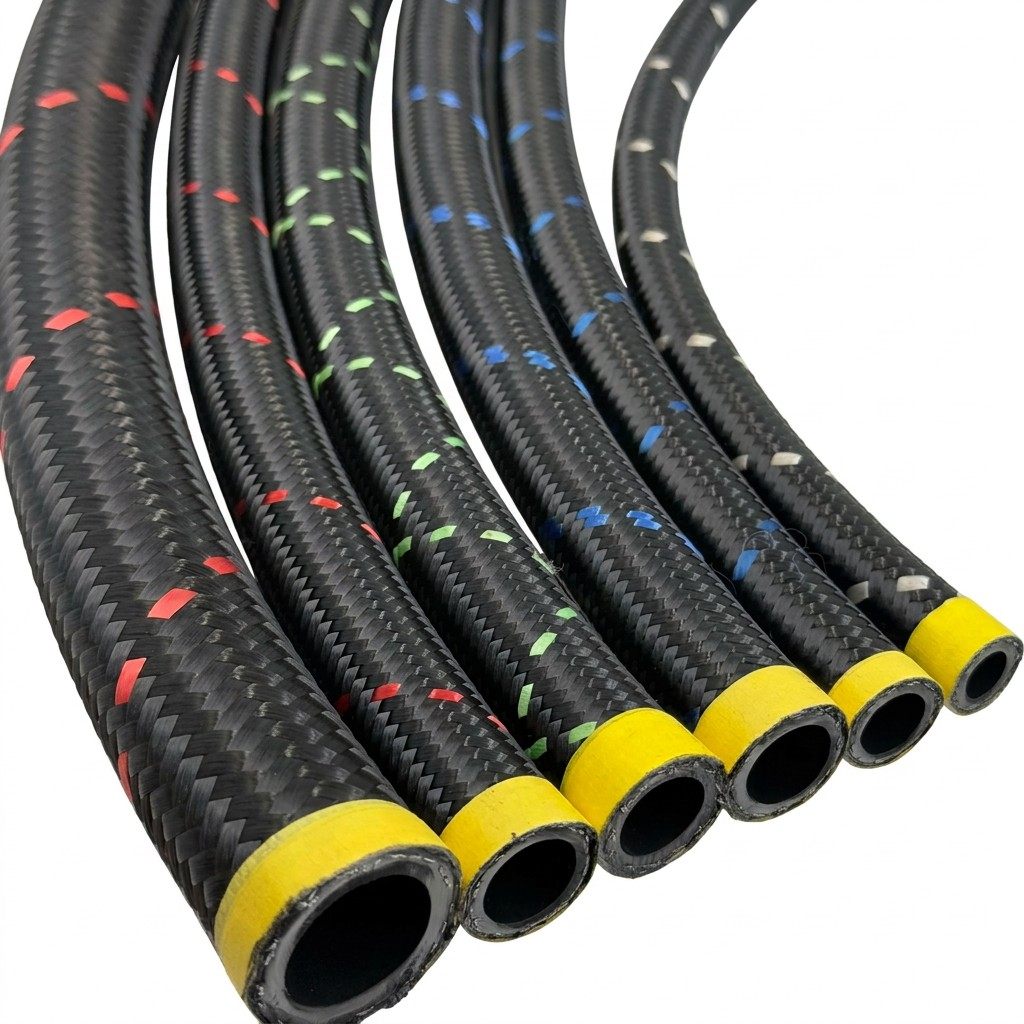
Rubber hoses are essential components in countless industrial operations, yet they face constant threats from their surrounding environment. Understanding what degrades these critical components is vital for maintaining system reliability, minimizing downtime, and extending asset lifespan. Environmental degradation of rubber hoses occurs through multiple interconnected mechanisms, each reducing functionality and creating safety risks across diverse industrial hose applications.
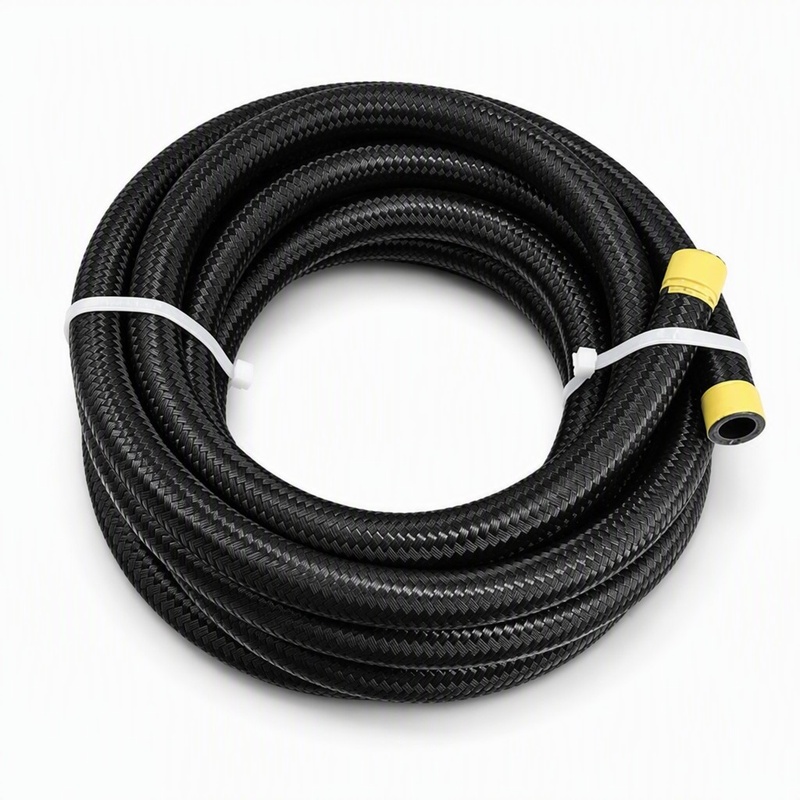
Environmental factors work synergistically to compromise the integrity of rubber materials. Temperature fluctuations, ultraviolet radiation, chemical exposure, and atmospheric oxidation represent the primary degradation pathways. For operations using rubber hoses in outdoor or harsh conditions, recognizing these threats enables proactive maintenance strategies and informed material selection.
UV Radiation and Oxidative Damage
Ultraviolet Exposure Effects
Prolonged exposure to ultraviolet radiation causes surface degradation in rubber compounds. UV rays initiate photochemical reactions that break polymer chains, leading to surface cracking, discoloration, and loss of elasticity. This degradation accelerates when rubber hoses remain unprotected in direct sunlight. Industrial hose applications operating outdoors experience significant UV-induced deterioration within months if not properly shielded.
Ozone Interaction and Surface Cracking
Atmospheric ozone reacts with unsaturated bonds in rubber molecules, causing a phenomenon called ozone cracking. Fine cracks develop perpendicular to the direction of stress, compromising hose integrity even before bulk material failure occurs. Ozone levels increase near electrical equipment, welding operations, and high-altitude locations, making these environments particularly challenging for rubber hose preservation.
Temperature Extremes and Material Degradation
High Temperature Brittleness
Elevated temperatures accelerate chemical reactions within rubber matrices, causing cross-linking and embrittlement. Heat exposure reduces elasticity and increases material hardness, making rubber hoses prone to cracking under normal hose pressure ratings. Thermal degradation occurs through multiple mechanisms including plasticizer loss, oxidation, and chain scission. Industrial environments with ambient temperatures exceeding 80 degrees Celsius rapidly compromise hose performance.
Cold Temperature Stiffening
Cold environments cause rubber materials to stiffen and lose flexibility. Low temperatures reduce molecular movement, making rubber more brittle and susceptible to cracking during installation, handling, or operational pressure cycles. Seasonal temperature swings create repeated stress cycles that progressively damage rubber structure. Equipment operating in freezing climates requires careful material selection to ensure adequate low-temperature performance ratings.
Chemical and Moisture Exposure
Solvent and Fluid Compatibility
Chemical resistant hoses are specifically engineered because many industrial fluids aggressively degrade standard rubber compounds. Oils, solvents, fuels, and caustic substances penetrate rubber structure, causing swelling, softening, and loss of mechanical properties. Incompatible chemical exposure represents one of the fastest degradation pathways, with hose failure occurring in weeks rather than months. Material compatibility assessment is essential before deploying rubber hoses in chemical handling applications.
Moisture and Hydrolysis Processes
Water absorption and moisture penetration trigger hydrolysis in certain rubber formulations, particularly those containing reactive additives. Moisture ingress weakens polymer chains and promotes internal corrosion of reinforcement materials. Humid environments, water spray exposure, and high-pressure wash operations accelerate moisture-related degradation. Both external moisture contact and internal humidity accumulation compromise hose structural integrity over extended service periods.
Mechanical Stress and Combined Environmental Effects
Pressure Cycling and Environmental Synergy
Environmental degradation intensifies when combined with mechanical stress. Repeated hose pressure ratings fluctuations cause flexing that accelerates micro-crack formation initiated by UV damage or ozone exposure. Environmental factors pre-damage rubber surfaces, making materials more vulnerable to pressure-induced failure. Industrial hose applications in demanding conditions experience compounded degradation rates far exceeding predictions based on single stress factors alone.
Outdoor Installation Considerations
Rubber hoses installed outdoors face simultaneous exposure to UV radiation, temperature extremes, ozone, and moisture. This multi-factorial attack degrades material rapidly unless protective measures are implemented. Protective sleeves, shading systems, and environmental barriers significantly extend hose lifespan. Selecting chemical resistant hoses when chemical exposure is possible provides an additional degradation mitigation layer for industrial applications.
FAQ
What is the primary cause of outdoor rubber hose degradation?
UV radiation combined with ozone exposure causes the most rapid outdoor degradation. Ultraviolet rays initiate photochemical chain scission while atmospheric ozone creates characteristic cracking patterns. Temperature fluctuations amplify these effects by accelerating molecular reactions. For industrial hose applications, UV and ozone represent approximately 60 to 70 percent of outdoor environmental damage.
How do temperature extremes affect rubber hose lifespan?
Heat accelerates chemical degradation reactions, reducing hose pressure ratings and elasticity. Cold stiffens rubber, increasing brittleness and cracking risk. Temperature cycling creates repeated stress that progressively damages material structure. Materials used in rubber hoses must accommodate the full expected temperature range to maintain performance throughout the hose lifespan in varying climates.
Can chemical resistant hoses prevent all environmental degradation?
Chemical resistant hoses prevent fluid-related degradation but do not provide complete immunity to UV, ozone, or temperature effects. These hoses are engineered for specific chemical compatibility but still degrade when exposed to unshielded sunlight or extreme temperatures. For comprehensive protection, chemical resistant hoses should be combined with protective installation practices including shading, temperature control, and moisture barriers appropriate for industrial hose applications.
 EN