A high pressure hose is a flexible conduit engineered to transport fluids and gases under extreme pressure conditions in industrial, hydraulic, and demanding mechanical systems. Unlike standard hoses, high pressure hoses are specifically constructed with reinforced layers and specialized materials to withstand intense force without rupturing or leaking. These hoses form the backbone of hydraulic systems, pressure washing equipment, racing vehicles, aerospace applications, and countless manufacturing environments where reliability under stress is non-negotiable.
Understanding the design and function of high pressure hoses is essential for engineers, technicians, and industrial decision-makers who need to select appropriate conduits for critical applications. The wrong hose choice can lead to catastrophic system failures, safety hazards, and costly downtime. By learning what distinguishes high pressure hoses from regular alternatives and how they perform under demanding conditions, you can make informed procurement and maintenance decisions that protect both equipment and personnel.
Understanding High Pressure Hose Construction
Core Materials and Reinforcement Layers
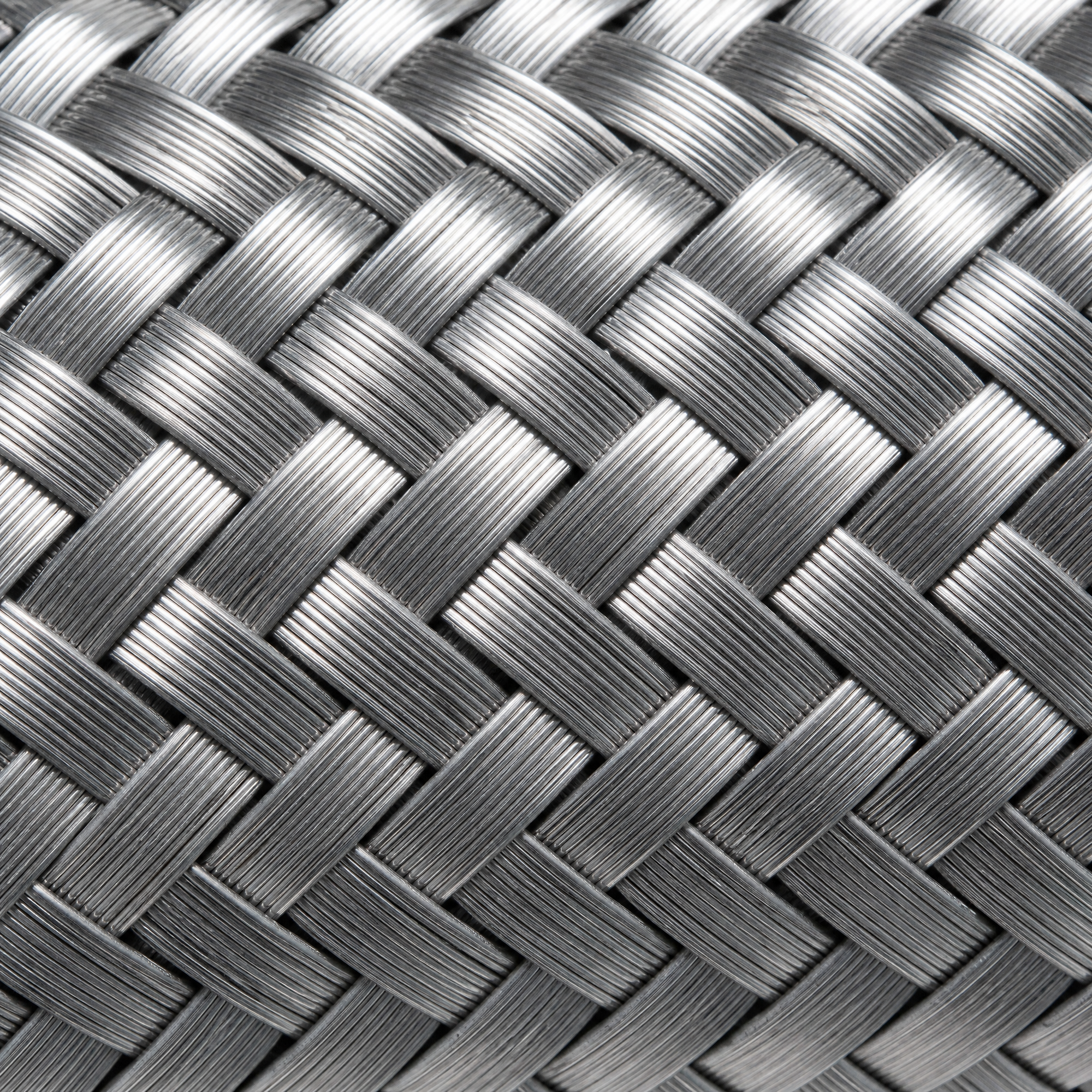
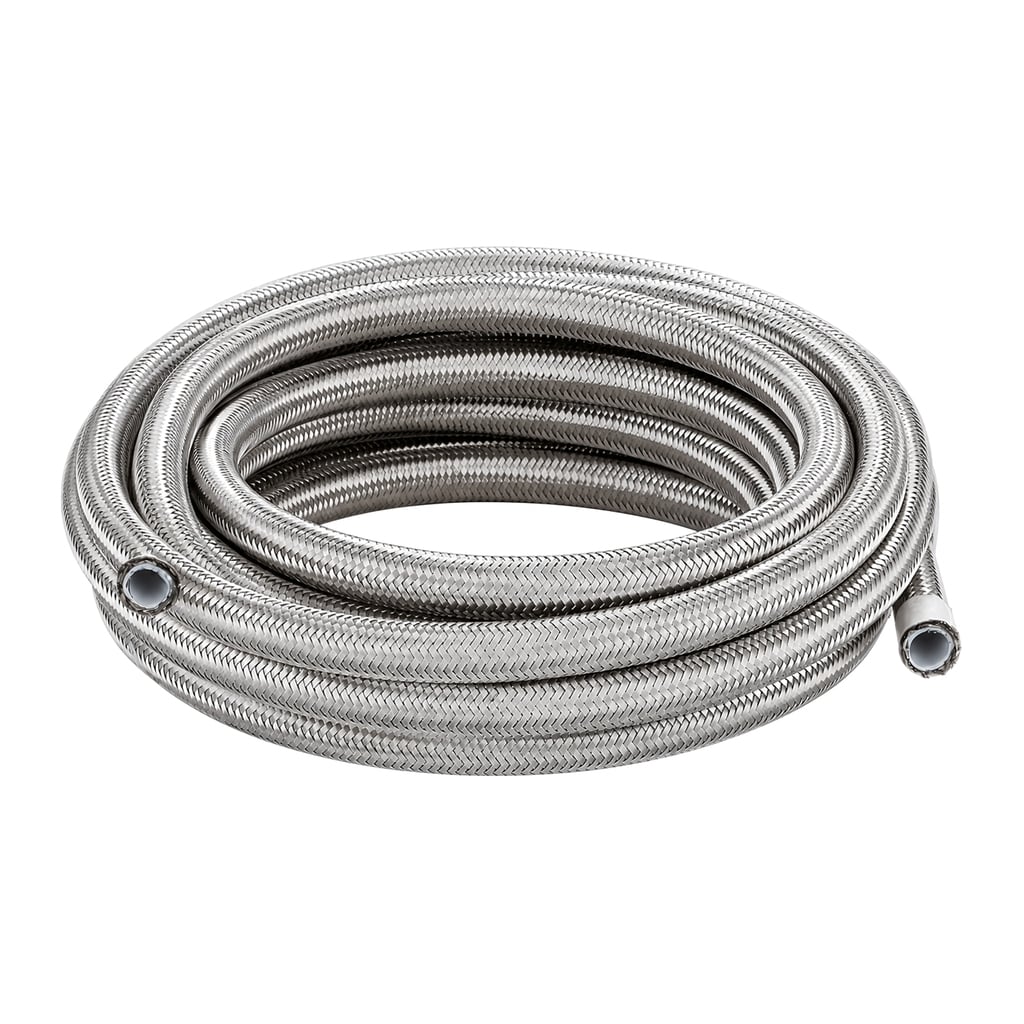
The fundamental strength of any high pressure hose comes from its multi-layer construction. The innermost layer, called the tube, must resist the fluid being transported and handle thermal stress. Common inner tube materials include synthetic rubber, thermoplastic, and PTFE, each selected based on chemical compatibility and pressure rating. The tube alone cannot withstand high pressure, so manufacturers add reinforcement layers around it, typically woven wire or spiral-wound steel that contains the forces trying to expand or burst the hose. These reinforcement layers are the defining characteristic that separates high pressure hoses from regular garden or industrial hoses.
External Covers and Protective Elements
The outermost layer serves as the protective cover, shielding the reinforcement from abrasion, UV exposure, weather, and mechanical damage. Covers are engineered from oil-resistant synthetic rubber or specialized polymers that extend the operational life of the hose under harsh industrial conditions. High pressure hose specifications mandate minimum cover thickness and resistance standards to ensure durability in demanding environments. The complete assembly—tube, reinforcement, and cover—must work together to handle pressure spikes, temperature fluctuations, and mechanical stress without degradation. This sophisticated construction is why high pressure hose materials command higher costs than standard alternatives and why proper selection based on application requirements is critical.
Primary Functions in Industrial Systems
Pressure Containment and Fluid Transfer
The primary function of any high pressure hose is to safely contain and direct fluid flow at pressures that would rupture ordinary conduits. In hydraulic systems, pressures can reach 3,000 to 10,000 PSI or higher, creating enormous outward forces on the hose walls. A properly rated high pressure hose remains flexible yet structurally sound at these extreme pressures, allowing fluid to flow to actuators, motors, and control components without leaking or bursting. This containment function is absolute—failure means immediate loss of system pressure, equipment malfunction, and potential safety incidents. Industries including construction, agriculture, manufacturing, and transportation depend on high pressure hoses to maintain system integrity and operational reliability under continuous stress.
Vibration Absorption and System Protection
Beyond pressure containment, high pressure hose applications include vibration damping and shock absorption in mechanical systems. The flexibility of the hose allows it to absorb pulse forces and vibrations generated by pumps, compressors, and actuators, protecting connected equipment from metal-to-metal stress. This function prevents premature wear on components, reduces noise transmission, and increases overall system longevity. The reinforced construction of high pressure hose materials enables this dual role—rigid enough to handle extreme pressure yet flexible enough to move and absorb energy. Engineering teams must account for this vibration absorption capability when designing systems, as undersized or incorrectly positioned hoses may not provide adequate damping, leading to accelerated component fatigue.
Real-World Applications Across Industries
Hydraulic and Mechanical Equipment
High pressure hose applications span virtually every sector where hydraulic power drives equipment. Construction machinery like excavators, loaders, and cranes rely on high pressure hoses to connect pumps to hydraulic cylinders that lift, dig, and manipulate massive loads. Manufacturing facilities use high pressure hoses in injection molding machines, press equipment, and automation systems. Agricultural equipment including tractors and harvesters operates through integrated hydraulic circuits using high pressure hoses to transfer control fluid. Racing vehicles deploy specialized high pressure hoses to manage fuel injection systems, turbocharger boost, and cooling circuits at extreme temperatures and pressures. Each application demands high pressure hose specifications precisely matched to the working pressure, fluid type, temperature range, and environmental exposure to ensure safe, reliable performance.
Specialized and Emerging Applications
Beyond traditional hydraulic systems, high pressure hose applications have expanded into cutting-edge industries including aerospace, medical technology, and alternative energy. Aircraft utilize high pressure hoses for fuel delivery, hydraulic landing gear systems, and cabin pressurization. Waterjet cutting machines employ ultra-high pressure hoses carrying water jets exceeding 60,000 PSI to slice through materials with precision. Medical devices including dialysis machines and surgical instruments contain miniature high pressure hoses for precise fluid control. Emerging applications in electric vehicle systems, hydrogen fuel cells, and renewable energy equipment introduce novel challenges for high pressure hose materials and design. As technology evolves, high pressure hose specifications continue advancing to meet performance demands that did not exist a decade ago, requiring ongoing innovation in materials science and engineering.
FAQ
What pressures do high pressure hoses typically handle?
Most industrial high pressure hoses are rated between 2,000 and 5,000 PSI for general hydraulic applications, though specialized hoses reach 10,000 PSI or beyond. High pressure hose specifications vary based on the reinforcement construction, materials, and intended application. Ultra-high pressure hoses used in waterjet cutting or specialized manufacturing may exceed 60,000 PSI. Manufacturers always provide pressure ratings, burst pressures, and working safety factors to guide proper selection. Exceeding a hose's rated pressure creates catastrophic failure risk and voids safety guarantees.
How do I choose the correct high pressure hose for my equipment?
Proper selection requires consulting high pressure hose specifications and considering working pressure, fluid type, temperature range, hose diameter, connection type, and bend radius. Start by determining the maximum operating pressure your system reaches under normal and peak load conditions. Identify the fluid being conveyed, as different fluids require compatible inner tube materials. Check environmental factors like temperature extremes, UV exposure, and chemical proximity. High pressure hose materials must match your specific application needs rather than selecting generic options. When uncertain, contact manufacturers or distributors with detailed equipment information to ensure correct specification and safe operation.
What maintenance ensures high pressure hose reliability?
Regular visual inspection for cracks, bulges, leaks, or cover damage prevents unexpected failures. High pressure hose materials degrade over time through heat cycling, fluid exposure, and mechanical stress, so scheduled replacement according to manufacturer guidelines is essential. Check connection fittings for looseness, corrosion, or seepage, and replace damaged fittings promptly. Flush systems to remove contamination that accelerates wear on hose interiors. Proper storage of spare hoses away from temperature extremes and direct sunlight extends shelf life. Maintaining accurate records of hose installation dates, pressure cycling history, and maintenance actions helps predict remaining service life and prevents age-related failures that compromise safety.
 EN