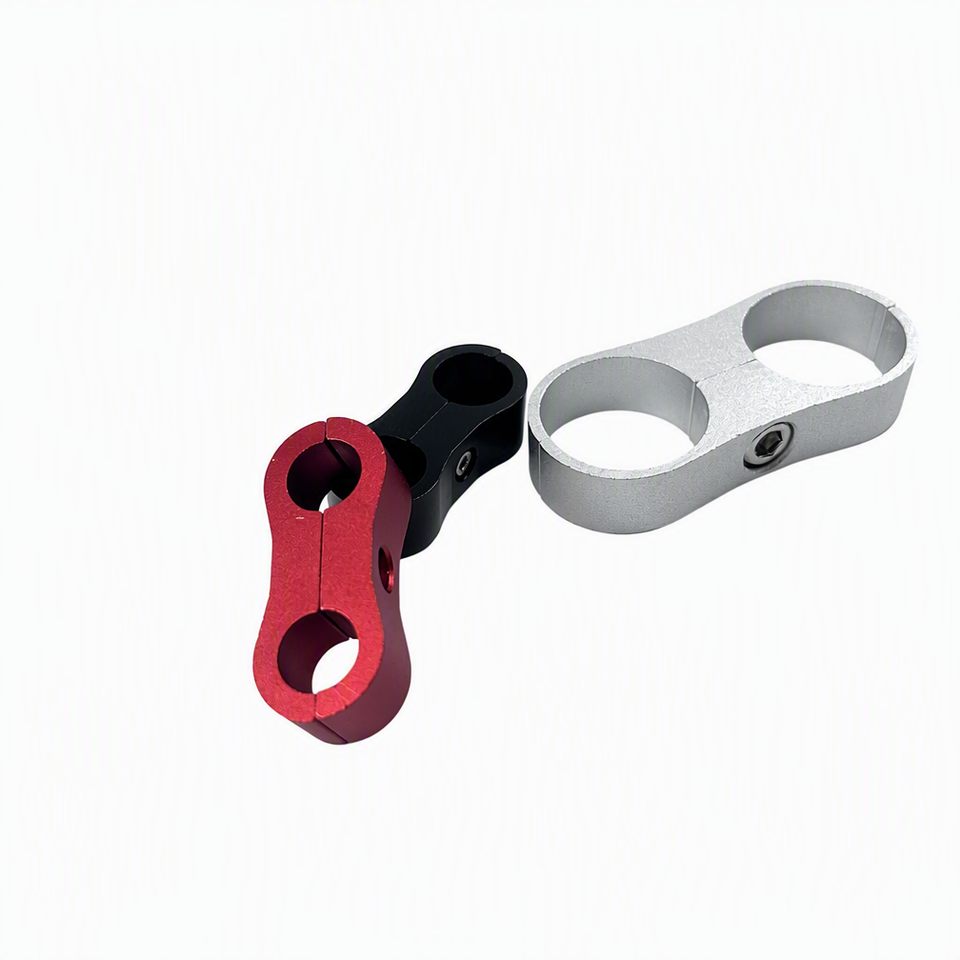
A hose clamp is a mechanical fastening device designed to secure hoses and tubes onto fittings, preventing fluid leakage and ensuring safe transfer of liquids and gases throughout industrial, automotive, and residential systems. The primary function of a hose clamp is to compress the hose tightly around a fitting connection point, creating a sealed joint that can withstand pressure, vibration, and temperature fluctuations. Understanding the role and mechanics of a hose clamp is essential for anyone involved in plumbing, automotive repair, manufacturing, or system maintenance.
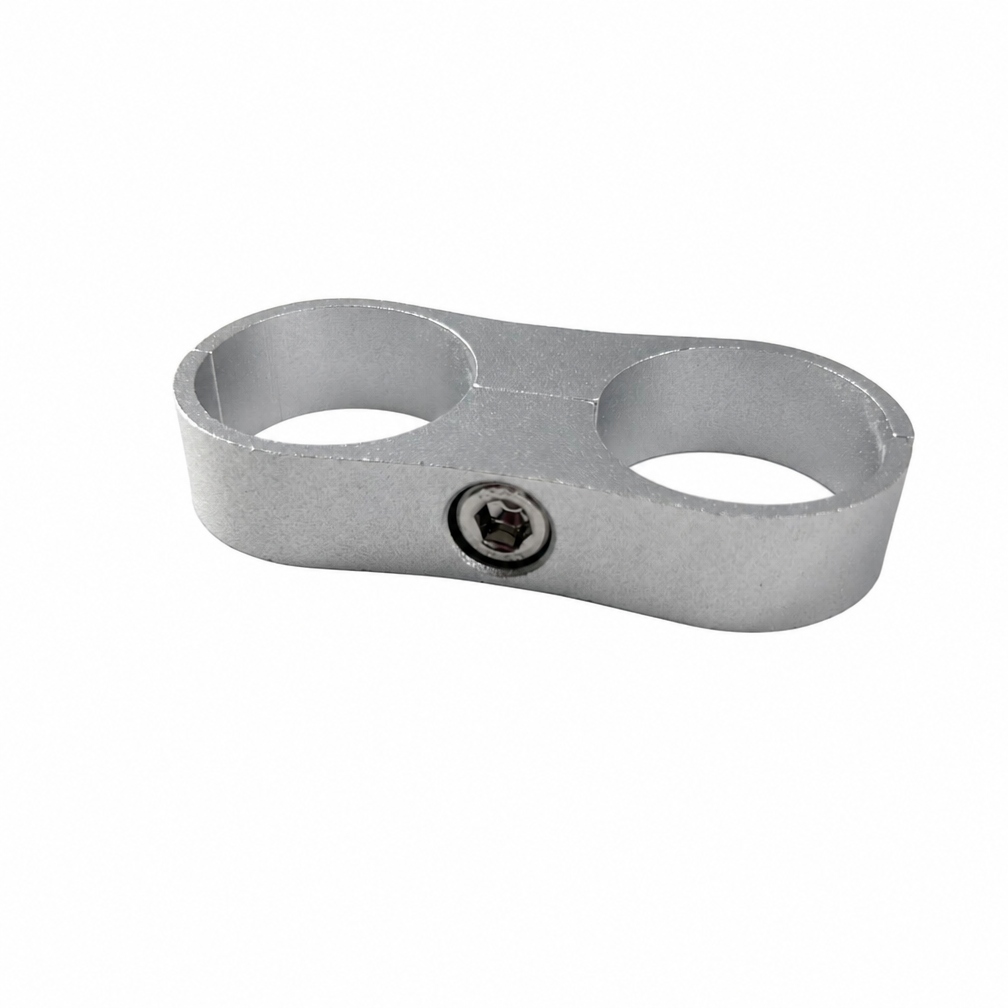
Hose clamps operate on a straightforward principle: a band of metal or plastic wraps around the hose and fitting, and tightening mechanism draws the band inward, compressing the hose securely in place. This compression creates an airtight and watertight seal that prevents fluid escape, vibration-induced loosening, and accidental disconnection. The effectiveness of a hose clamp depends on proper selection of hose clamp types, correct sizing relative to the hose diameter, and precise hose clamp installation technique. Selecting the right clamp ensures long-term reliability and minimizes maintenance downtime across applications ranging from automotive cooling systems to industrial fluid transfer lines.
Understanding Hose Clamp Types and Design Variations
Common Hose Clamp Types and Their Applications
Different hose clamp types are engineered for specific applications and pressure environments. Worm-drive hose clamp types feature a screw mechanism that gradually tightens the band, offering fine adjustment and reliable holding power across automotive, marine, and industrial systems. Spring clamps represent another category of hose clamp types, utilizing a pre-tensioned spring mechanism that automatically adjusts to minor hose diameter variations, making them ideal for quick-connect applications and consumer products. Hose clamp types also include ear clamps, which use a crimping tool for permanent attachment, and these prove particularly valuable in food processing, pharmaceutical, and medical device applications where permanent sealing is mandatory.
Material Composition and Durability Factors
Hose clamp types vary significantly in material selection, with stainless steel clamps offering superior corrosion resistance for marine and chemical environments, while zinc-plated carbon steel provides cost-effective performance in moderate conditions. The band material and screw material must be compatible with the fluid being transferred and the surrounding environment to prevent galvanic corrosion and premature failure. Hose clamp types made from plastic or composite materials serve low-pressure, non-corrosive applications, though they lack the durability and strength of metal alternatives in demanding industrial settings. Selecting appropriate hose clamp types based on temperature range, chemical compatibility, and expected lifespan ensures consistent performance and reduces unexpected system failures.
Hose Clamp Sizes and Proper Sizing Selection
Measuring and Matching Hose Clamp Sizes Correctly
Hose clamp sizes are standardized according to the hose diameter they accommodate, typically ranging from small fractional inch sizes like 5/16 inch to large industrial sizes exceeding 12 inches. Proper hose clamp sizes must match the outer diameter of the hose being clamped, not the fitting diameter, because the clamp compresses around the hose to secure it to the fitting. Using undersized hose clamp sizes prevents adequate compression and leads to leakage, while oversized hose clamp sizes can slip off or crush the hose material, causing rupture or accelerated degradation. Measuring hose outer diameter with calipers or a measuring tape ensures accurate identification of required hose clamp sizes before purchase or installation.
Adjustability Range and Sizing Tolerance
Most hose clamp sizes feature an adjustability range, typically spanning 1 to 2 inches across the clamp family, allowing some flexibility in exact matching. For example, a clamp rated for hose clamp sizes of 1.25 to 2.25 inches can accommodate a 1.5-inch hose, a 1.75-inch hose, or a 2-inch hose within its tightening range. Understanding this adjustability is important because it allows technicians to stock fewer unique hose clamp sizes while maintaining broad compatibility across systems. However, always select hose clamp sizes positioned in the middle of their range rather than at the extremes, as this ensures maximum clamping force and consistent sealing performance under varying pressure and temperature conditions.
Hose Clamp Installation Procedures and Best Practices
Step-by-Step Hose Clamp Installation Technique
Proper hose clamp installation begins with preparing the hose and fitting connection, ensuring both surfaces are clean and the hose is fully seated on the fitting before clamping. During hose clamp installation, position the clamp band over the connection point where the hose meets the fitting, typically about 0.25 inches from the end of the hose to allow for slight expansion. Tighten the hose clamp installation screw gradually and evenly, rotating the screw a quarter turn at a time until the hose is compressed snugly against the fitting without deforming the hose. Proper hose clamp installation requires sufficient tightness to prevent fluid leakage but not so tight that the hose material crushes or splits, which would compromise long-term reliability.
Common Installation Errors and Performance Consequences
Inadequate tightening during hose clamp installation remains the most common cause of premature leakage and system failure, as the clamp gradually loosens under vibration and pressure cycling. Conversely, over-tightening during hose clamp installation can damage softer hose materials like rubber or silicone, creating weak points that fail under operating pressure. Incorrect placement of the clamp too close to the hose end or misalignment on the fitting reduces effective compression and increases leakage probability. Proper hose clamp installation practice dictates checking all connections after initial tightening and periodically inspecting clamps during routine maintenance to catch loosening before system failure occurs, especially in vibration-prone automotive and industrial environments.
FAQ
What happens if a hose clamp is installed incorrectly?
Incorrect hose clamp installation leads to fluid leakage, system pressure loss, and potential equipment damage or personal injury. Under-tightened clamps loosen progressively under vibration and pressure cycling, while over-tightened clamps crush the hose material, creating rupture points. Misaligned clamps fail to compress the hose evenly, allowing fluid to escape at weak points. Proper installation technique ensures reliable sealing and extends system lifespan significantly.
How do I know which hose clamp sizes I need?
Measure the outer diameter of the hose you intend to clamp using calipers or a measuring tape, then select hose clamp sizes that fall within the range supporting that diameter. Refer to manufacturer sizing charts, which organize hose clamp sizes by minimum and maximum hose diameters. Always choose hose clamp sizes positioned in the middle of their adjustability range rather than at the extremes for optimal performance. When in doubt, consult the hose or fitting documentation for recommended clamp specifications.
Can different hose clamp types be used interchangeably?
Different hose clamp types are engineered for distinct applications and pressure conditions, so they cannot be freely substituted without risking system failure. Worm-drive hose clamp types work for automotive and industrial applications requiring fine adjustment, while spring clamp types suit rapid-connect applications and low-pressure systems. Ear clamp hose clamp types provide permanent crimped connections for high-reliability medical and food applications. Always verify that selected hose clamp types match the application requirements, pressure rating, temperature range, and material compatibility before installation.
 EN