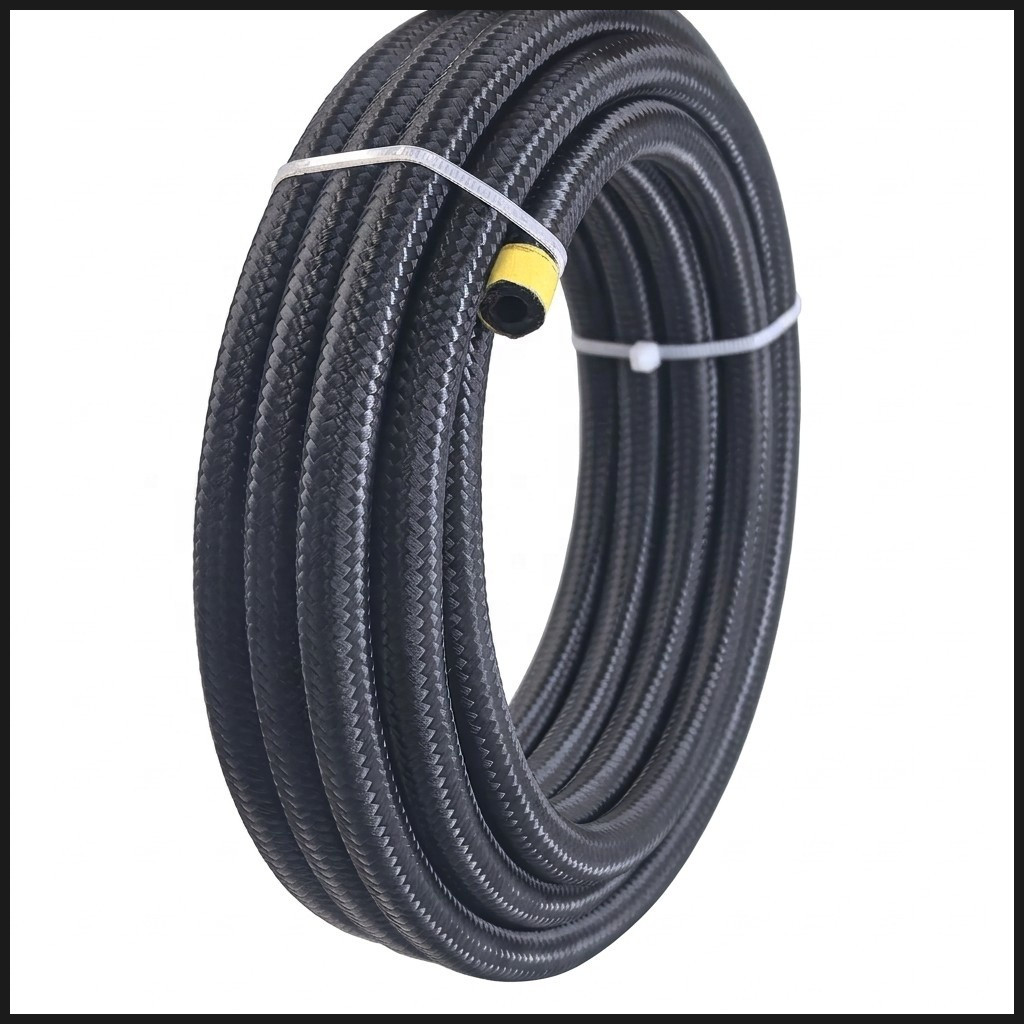
A radiator hose is a critical component of your vehicle's engine cooling system that transports coolant between the engine and radiator. Understanding what a radiator hose does and how it operates is essential for maintaining proper engine temperature and preventing overheating. The radiator hose serves as the primary conduit for coolant flow, enabling heat dissipation that keeps your engine running at optimal temperatures. Without a properly functioning radiator hose, your cooling system cannot perform effectively, which can lead to severe engine damage.
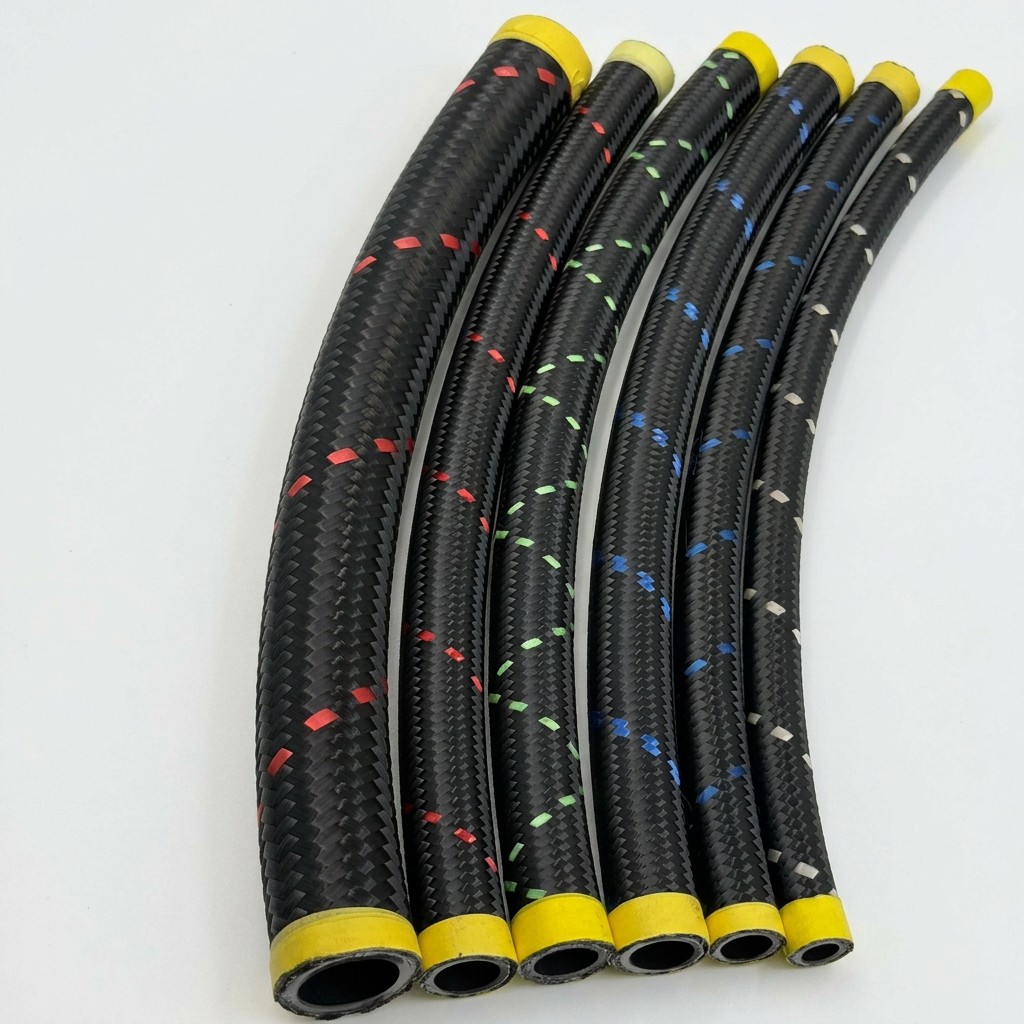
The engine cooling system relies on consistent coolant circulation to remove excess heat generated during combustion. Your radiator hose replacement needs typically arise after years of service, when the hose degrades or develops leaks. Regular maintenance of the cooling system ensures longevity and prevents unexpected failures that could strand you on the road or damage your engine beyond repair.
Structure and Material Composition
Hose Design and Layers
A radiator hose consists of multiple layers designed to withstand high temperatures, pressure, and chemical exposure. The innermost layer is made of synthetic rubber or EPDM material that resists coolant degradation. The middle layers include reinforcing fabric and steel wire mesh that provide structural strength and prevent hose collapse under negative pressure. The outer layer protects against environmental damage, UV exposure, and mechanical wear. This multi-layer construction enables a single hose to safely contain coolant at operating pressures ranging from 15 to 30 PSI while maintaining temperature resistance up to 300 degrees Fahrenheit.
Material Properties
The coolant hose material must be chemically compatible with various coolant formulations used in modern engines. EPDM rubber, the most common material, offers excellent resistance to ethylene glycol and propylene glycol coolants. The reinforcement mesh prevents the hose from splitting under pressure fluctuations common in automotive cooling systems. When selecting a replacement coolant hose, verify that the material matches your vehicle's original specifications and cooling system chemistry to ensure reliable performance.
Functional Role in Engine Cooling
Coolant Circulation Pathway
The radiator hose establishes the primary circulation pathway for coolant throughout your engine cooling system. Hot coolant exits the engine block through the upper radiator hose, flowing directly into the radiator where heat exchangers release thermal energy into the surrounding air. After cooling, the fluid returns through the lower radiator hose back to the engine water pump, completing the circulation cycle. This continuous flow prevents localized hot spots in the engine and maintains uniform operating temperature. A blocked or restricted radiator hose replacement becomes necessary when sediment or corrosion deposits impede this vital flow.
Pressure and Temperature Management
Your engine cooling system operates under controlled pressure to raise the boiling point of coolant above atmospheric conditions. The radiator hose must withstand this pressurized environment while remaining flexible enough to accommodate thermal expansion and engine vibration. Temperature cycling from cold starts to full operating load places significant stress on the hose material, causing gradual degradation over time. The engine cooling system's thermostat and water pump work together to regulate flow rate through the radiator hose, ensuring optimal heat removal without excessive pressure buildup. When hose degradation occurs, coolant may leak from connection points or rupture along the length, compromising the entire system's effectiveness.
Maintenance and Replacement Considerations
Signs of Deterioration
A failing radiator hose exhibits visible warning signs that indicate radiator hose replacement is imminent. Soft spots, bulges, or cracks along the hose surface suggest internal reinforcement failure and impending rupture. Coolant leaks at hose connections or along the length necessitate immediate replacement to prevent engine overheating. Discoloration, brittleness, or a sticky outer coating indicate advanced rubber degradation caused by age and coolant exposure. Regular inspections of your engine cooling system components, including hose connections and clamps, can catch problems before catastrophic failure occurs on the road.
Replacement Procedures and Intervals
Radiator hose replacement intervals typically range from 30,000 to 90,000 miles, depending on vehicle make, model, and driving conditions. Aggressive driving, towing, and operation in extreme temperatures accelerate hose degradation and shorten service life. A complete cooling system flush during radiator hose replacement helps remove accumulated sediment and corrosion that could damage a new hose. Replacing both the upper and lower radiator hoses simultaneously ensures balanced system performance and prevents sequential failures. When performing radiator hose replacement, also inspect the water pump, thermostat, and radiator condition to identify related cooling system issues before they become expensive problems.
FAQ
What pressure does a radiator hose typically withstand?
Most radiator hose designs are engineered to safely contain operating pressures between 15 and 30 PSI under normal driving conditions. The radiator hose reinforcement mesh prevents rupture at these pressures while the outer rubber layer provides environmental protection. Pressure relief valves in the cooling system prevent dangerous overpressurization that could exceed hose material limits.
How long does a typical radiator hose last?
Coolant hose lifespan varies widely based on vehicle design, operating conditions, and coolant chemistry, but most hoses remain functional for 30,000 to 90,000 miles. Highway driving with consistent temperatures preserves hose longevity better than stop-and-go urban driving with repeated thermal cycling. Regular coolant maintenance and system flushing extend coolant hose life by reducing corrosive deposits and internal degradation factors.
What happens if a radiator hose fails while driving?
A ruptured or severely leaking radiator hose causes rapid coolant loss and engine overheating within minutes of system pressure drop. Engine cooling system failure can result in permanent engine damage including warped cylinder heads, blown gaskets, and bearing seizure if driving continues. Most modern vehicles provide temperature warning indicators on the dashboard, giving drivers critical time to safely stop and address the engine cooling system emergency before catastrophic damage occurs.
 EN