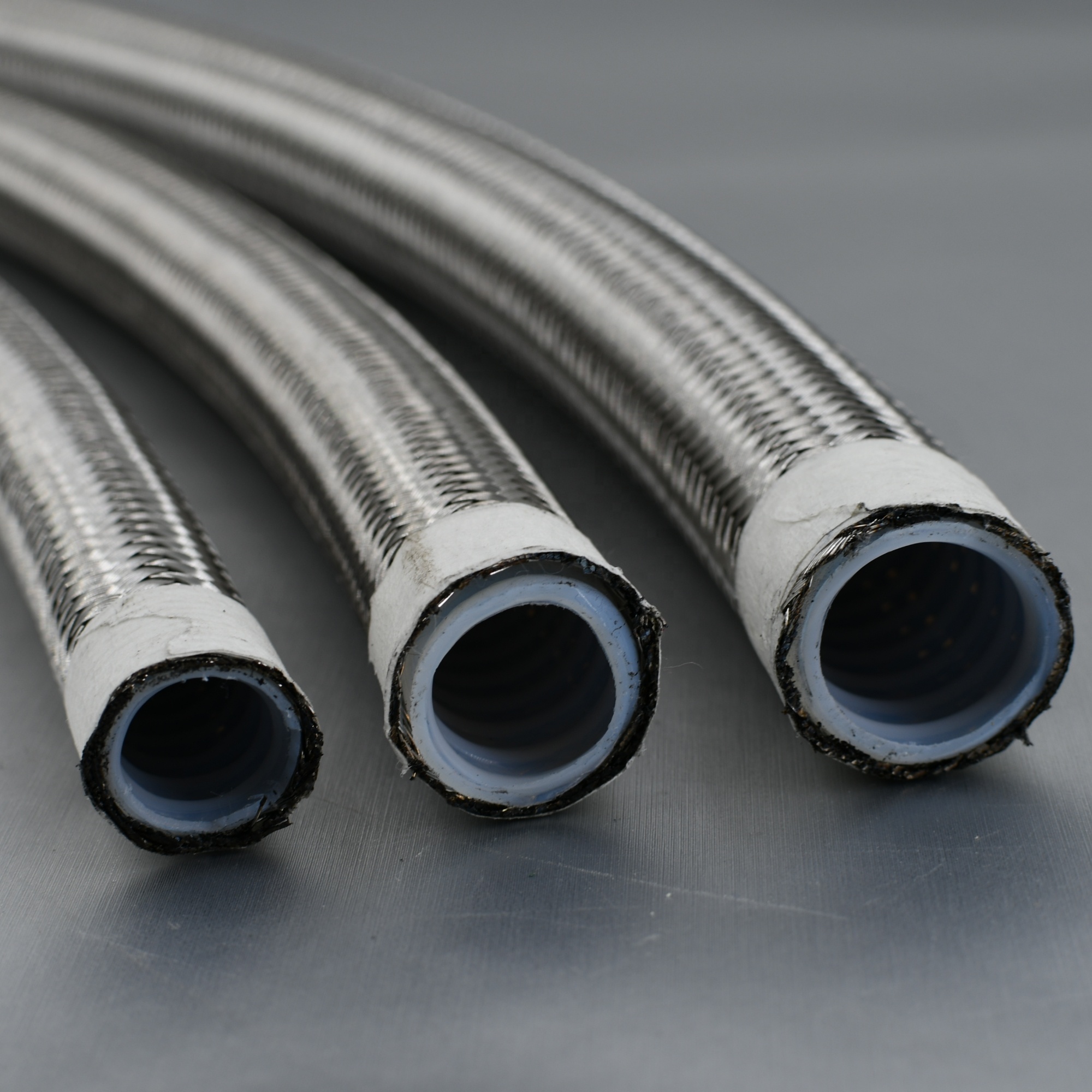
An AN fitting is a standardized aerospace-grade connector system designed to join hydraulic hoses, tubes, and components in high-pressure fluid transmission applications. The acronym 'AN' stands for 'Army-Navy,' reflecting its origins in military aviation specifications during World War II. Today, AN fittings remain the industry standard across aerospace, automotive racing, industrial hydraulics, and performance engineering sectors. These fittings provide reliable, leak-free connections that withstand extreme pressures, vibration, and temperature fluctuations that would damage inferior connector designs.
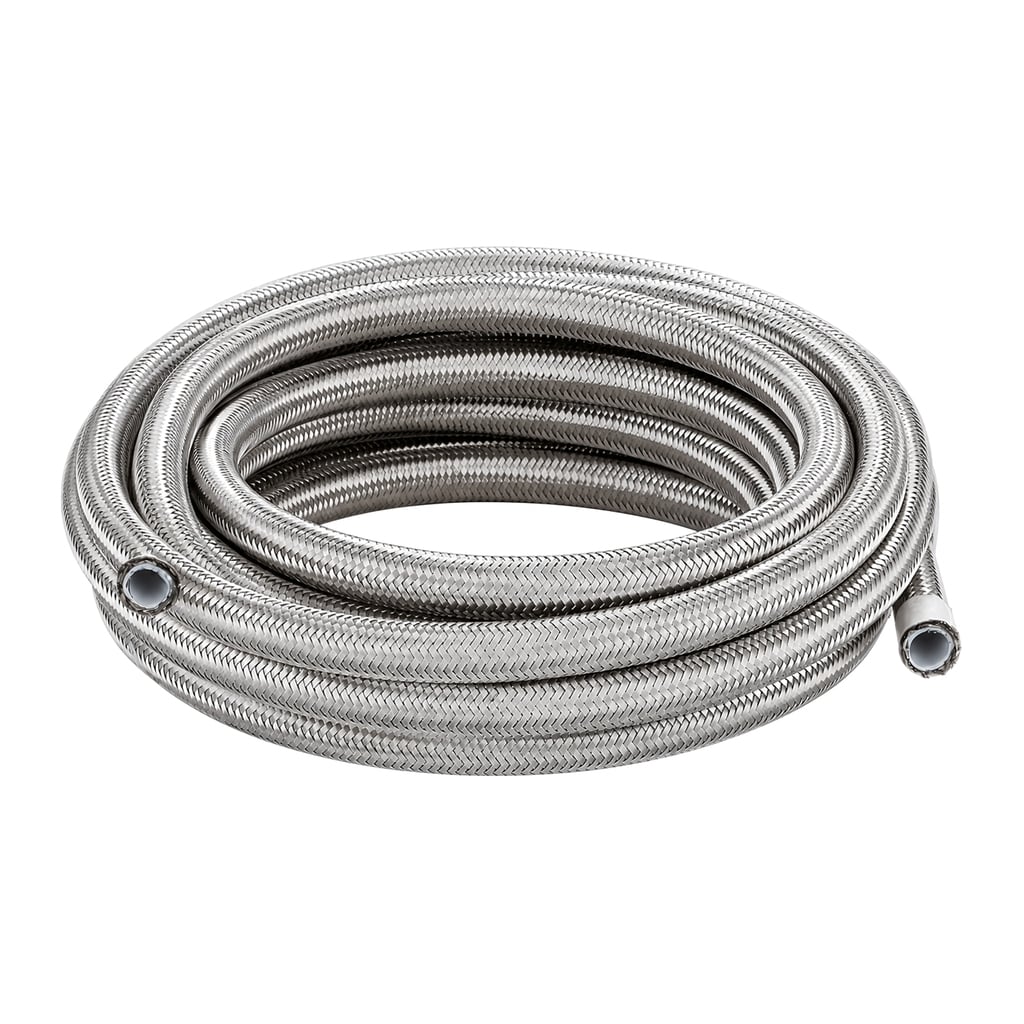
The primary purpose of an AN connector is to establish a secure, pressure-rated connection between hydraulic system components. Unlike traditional pipe threads, which rely on thread compression for sealing, AN thread adapters employ a face-seal design where two conical or flat surfaces meet at precise angles. This design philosophy ensures that connection integrity depends on proper mating surfaces rather than thread tape or sealant compounds. AN quick disconnect coupling mechanisms allow technicians to service systems efficiently without spilling hydraulic fluid or introducing contamination into the system.
Understanding AN Fitting Design and Standards
Core Design Philosophy of AN Fittings
An AN connector incorporates a dash-size numbering system that indicates the tube outer diameter in sixteenths of an inch. For example, an '-4' AN fitting accommodates a tube with a quarter-inch outer diameter, while a '-16' AN fitting handles a one-inch tube. This standardized sizing system simplifies inventory management, ensures compatibility across manufacturers, and eliminates confusion during assembly or replacement. The AN thread adapter configuration uses 37-degree flared cone angles on both male and female components, creating a metal-to-metal seal that tightens as pressure increases.
Materials and Performance Characteristics
AN quick disconnect coupling systems are manufactured from aluminum alloy, stainless steel, or titanium, depending on application requirements and pressure ratings. Stainless steel AN fittings resist corrosion in marine and salt-air environments, while aluminum variants reduce weight in aerospace applications. The AN connector design allows these materials to perform reliably at pressures exceeding 4,000 PSI in standard configurations, with specialized AN thread adapters rated for 6,000 PSI or higher in extreme-duty racing and military applications. The face-seal mechanism prevents internal erosion and component degradation even during rapid pressure cycles or transient shock events.
Functional Purpose and Operational Advantages
Hydraulic System Integration
The fundamental purpose of an AN fitting is to create a junction point where pressurized hydraulic fluid flows between system components without leakage. Whether connecting a pump to an accumulator, joining brake lines in racing vehicles, or linking fuel systems in high-performance applications, the AN connector provides the seal integrity that operators demand. Traditional threaded connections often require frequent maintenance, develop pinhole leaks over time, and introduce thread-sealing materials that contaminate hydraulic fluid. An AN thread adapter eliminates these reliability issues by establishing a pure metal-to-metal interface that becomes stronger as internal pressure rises.
Vibration Resistance and System Reliability
Racing vehicles, military aircraft, and industrial pump systems experience constant vibration that loosens inferior fastening systems. AN quick disconnect coupling designs incorporate inverted-flare technology and precise thread engagement depths that prevent rotational loosening even under extreme vibrational stress. The AN connector family includes straight connections for inline fluid pathways, 45-degree and 90-degree elbows for spatial constraints, and bulkhead fittings for panel penetration. This versatility allows engineers to design hydraulic layouts that maximize pressure containment while accommodating real-world packaging constraints.
Applications and Selection Considerations
Industry-Specific Use Cases
Aerospace manufacturers specify AN fittings as the standard for aircraft fuel, hydraulic, and pneumatic systems because reliability directly impacts flight safety. Racing teams select AN thread adapters for engine oil systems, fuel delivery, and cooling circuits where vibration and thermal cycling demand superior connection quality. Industrial hydraulic installations use AN connectors in heavy machinery, injection molding equipment, and power units where downtime costs exceed the modest investment in premium fittings. Military applications demand AN quick disconnect coupling systems that enable rapid equipment deployment, battlefield repairs, and mission-critical reliability under extreme environmental conditions.
Pressure Rating and System Compatibility
Selecting the appropriate AN fitting requires matching the dash size, material composition, and pressure rating to the specific fluid type, operating temperature range, and system pressure profile. Standard AN connectors accommodate mineral-based hydraulic fluids, synthetic hydraulic oils, and aviation fuel without material degradation. The AN thread adapter geometry prevents backflow, maintains consistent pressure distribution, and protects downstream components from surge events. System designers must account for dynamic pressure spikes that exceed steady-state operating pressure when specifying AN fittings, ensuring the selected connector maintains safety margins throughout the design life.
FAQ
What does AN stand for in hydraulic fittings?
AN stands for 'Army-Navy,' derived from the military specifications that established the standardized AN connector system during World War II. Military engineers developed this design to ensure reliable hydraulic connections in military aircraft under extreme operating conditions. The term persisted through the decades as civilian aerospace, automotive, and industrial sectors adopted the same AN quick disconnect coupling standards for their own mission-critical applications.
How does an AN thread adapter differ from standard pipe fittings?
Standard pipe fittings rely on tapered threads that compress into each other to create a seal, a mechanism that degrades over pressure cycles and requires thread-sealing tape or compound. An AN connector uses a face-seal design where a precisely angled conical surface on the male fitting mates with a corresponding angle on the female component, creating a metal-to-metal seal that actually tightens under pressure. The AN fitting design delivers superior reliability, eliminates thread contamination, and allows technicians to service systems repeatedly without degradation.
Can AN quick disconnect coupling systems handle racing fuel and synthetic hydraulic oils?
Yes, stainless steel and aluminum AN connectors are compatible with racing fuels, synthetic hydraulic oils, and mineral-based fluids commonly used in performance applications. The key is selecting materials appropriate for the fluid chemistry and operating temperature range. Many racing teams prefer stainless steel AN fittings because they resist corrosion from fuel additives and provide superior durability across thermal cycles. Manufacturers typically publish compatibility charts indicating which AN thread adapter configurations work safely with specific fluid types at given pressure and temperature limits.
 EN