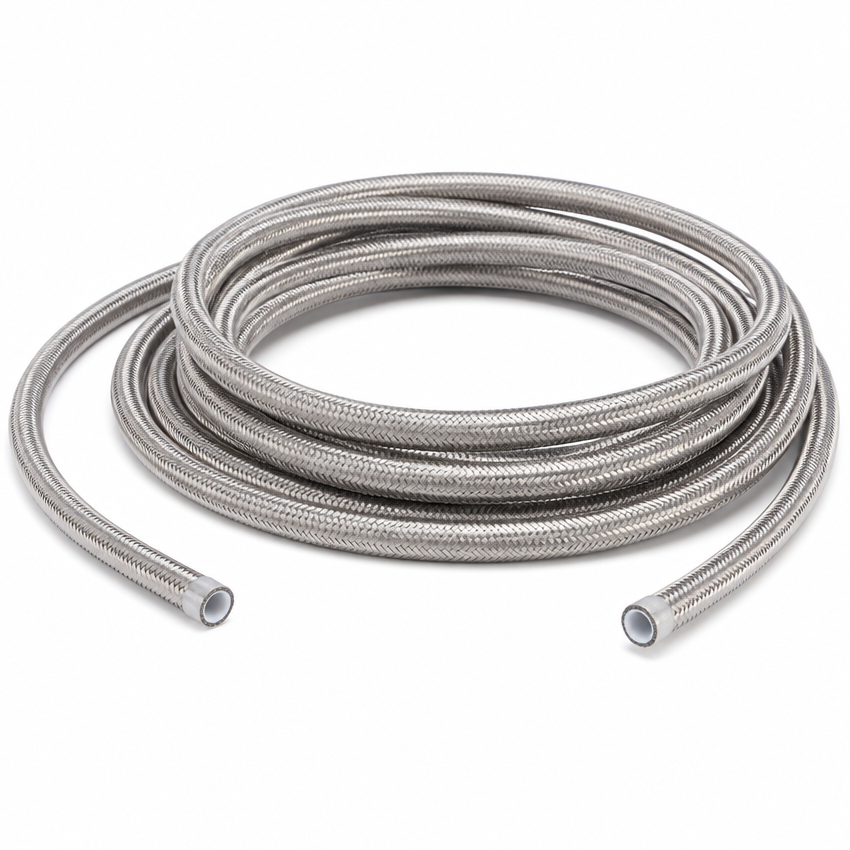
A ptfe tube is a specialized conduit engineered to transport aggressive chemicals, extreme temperatures, and demanding fluid streams in industrial, laboratory, and manufacturing environments. PTFE, or polytetrafluoroethylene, is a synthetic fluoropolymer known for its exceptional chemical resistance, low friction properties, and thermal stability. Unlike conventional rubber or plastic tubing, a ptfe tube maintains its integrity across a remarkably wide temperature range and resists degradation from aggressive solvents, acids, bases, and specialty fluids that would destroy standard materials.
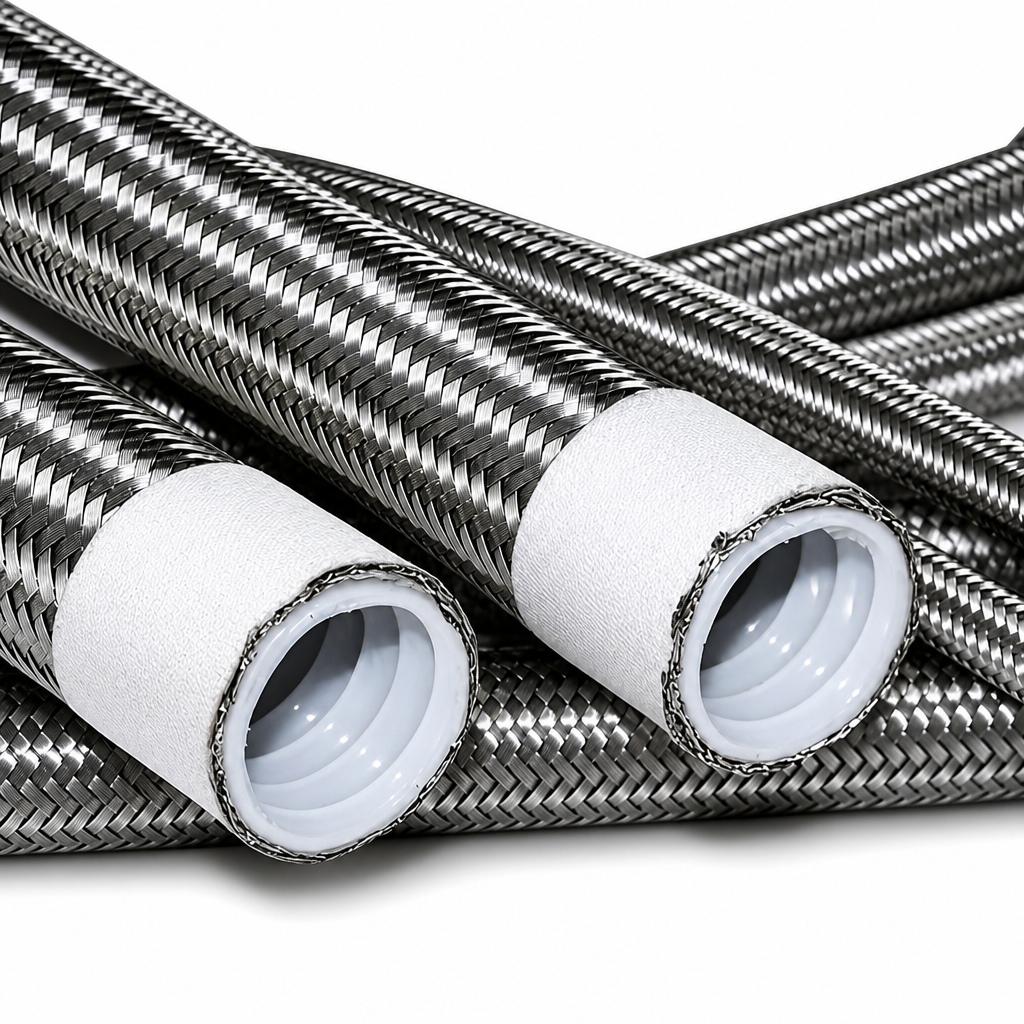
Understanding how ptfe tubing functions requires recognizing both its material properties and its engineering design. Teflon tubing combines non-reactivity at the molecular level with precise dimensional tolerances to create a dependable transport vessel for critical fluid handling applications. The unique structure of fluoropolymer hose makes it invaluable across chemical processing, pharmaceutical manufacturing, semiconductor production, and specialized automotive systems. This guide explores the fundamental mechanics of ptfe tubes, their operational characteristics, and the diverse ptfe tubing applications that make them indispensable in modern industry.
Material Composition and Chemical Structure
Understanding Polytetrafluoroethylene Properties
PTFE is a carbon-based polymer where fluorine atoms surround the carbon backbone, creating an exceptionally stable molecular structure. This fluoropolymer hose material exhibits extraordinary chemical inertness because the carbon-fluorine bonds are among the strongest organic bonds known. The dense fluorine coating provides a protective barrier that prevents virtually all solvents and corrosive agents from attacking the polymer matrix. Temperature stability emerges as another defining characteristic, with ptfe tubing maintaining flexibility and structural integrity from cryogenic conditions near absolute zero to sustained exposure at 260°C or higher, depending on formulation and application requirements.
Mechanical and Thermal Advantages
The mechanical performance of teflon tubing distinguishes it from alternative materials in demanding environments. PTFE exhibits extremely low friction coefficients, meaning fluids flow through ptfe tubing with minimal resistance and energy loss. This low-friction characteristic reduces pumping requirements and heat generation during fluid transfer. Thermal conductivity remains low, protecting surrounding equipment and personnel from temperature extremes. The material also resists degradation from ultraviolet light and ozone exposure, maintaining dimensional stability and performance across outdoor and industrial settings where environmental stress factors constantly challenge standard tubing materials.
How PTFE Tubing Functions in Industrial Applications
Fluid Transport Mechanisms and Flow Characteristics
PTFE tubing operates as a non-reactive transport vessel, allowing aggressive chemicals to flow through without triggering leaching, absorption, or degradation reactions. When fluoropolymer hose carries corrosive chemicals like hydrofluoric acid, chlorine gas derivatives, or specialized solvents, the ptfe tube walls remain chemically unaffected because PTFE resists virtually every known chemical at moderate temperatures. The smooth internal surface of quality ptfe tubing minimizes flow turbulence, enabling consistent delivery rates and predictable pressure profiles. Pressurized systems benefit from PTFE's ability to maintain seal integrity without swelling or compression set, ensuring reliable containment across extended operational cycles in high-stakes chemical and pharmaceutical environments.
Temperature Management and Thermal Performance
The thermal characteristics of ptfe tubes enable operation across temperature extremes that would damage elastomeric hoses within minutes. In cryogenic applications where liquefied nitrogen or helium flow through transfer lines, ptfe tubing remains flexible and maintains mechanical strength. In high-temperature chemical processes, teflon tubing continues functioning reliably while protecting system integrity. The low thermal conductivity means minimal heat transfer through tube walls, preserving product temperature and reducing cooling system load. This thermal independence makes fluoropolymer hose the preferred choice for applications requiring precise temperature control or where external thermal insulation is impractical or economically prohibitive.
Real-World PTFE Tubing Applications Across Industries
Chemical Processing and Laboratory Use
Chemical manufacturers depend on ptfe tubing for handling corrosive process fluids that would penetrate or dissolve standard tubing materials. Research laboratories use teflon tubing for precision fluid delivery systems where sample contamination must be eliminated and material compatibility is non-negotiable. Pharmaceutical production facilities employ fluoropolymer hose in critical transfer lines where product purity and batch integrity depend on absolute chemical inertness. Semiconductor manufacturing requires ptfe tubes for handling specialty chemicals used in wafer processing, etching, and cleaning operations where even trace contamination from tubing degradation can ruin expensive components or entire production batches.
Specialized Industrial Applications
Food and beverage processing industries utilize ptfe tubing for handling aggressive cleaning solutions and specialty processing fluids where FDA compliance and material migration limits demand non-reactive transport solutions. Analytical instrument manufacturers integrate teflon tubing into liquid chromatography systems, mass spectrometers, and environmental testing equipment where chemical compatibility and dimensional precision are critical. Automotive fuel systems employ fluoropolymer hose for transporting specialty fuels and additives in hybrid and alternative fuel vehicles. Oil and gas operations use ptfe tubes in specialized downhole applications and chemical injection systems where extreme pressures, temperatures, and aggressive hydrocarbon or brine solutions demand materials that simply will not degrade or swell under service conditions.
FAQ
What are the main advantages of PTFE tubing over standard rubber hoses?
PTFE tubing offers superior chemical resistance, wider temperature operating range from cryogenic to 260°C, and virtually zero material degradation from aggressive solvents. Unlike rubber hoses that swell, crack, or decompose when exposed to hydrocarbons, halogenated compounds, or strong acids, ptfe tubes maintain structural integrity and dimensional stability. The low friction properties reduce pumping energy, while superior mechanical properties ensure consistent performance across thousands of operational cycles without compression set or permanent deformation.
Can PTFE tubing be used for high-pressure applications?
Yes, specialized reinforced ptfe tubing designs accommodate high-pressure fluid systems. Corrugated PTFE constructions and braided teflon tubing variants maintain dimensional stability under substantial pressure differentials while preserving chemical resistance and flexibility advantages. Manufacturers engineer these reinforced fluoropolymer hose configurations for specific pressure ratings, ensuring safety and reliability in pressurized transfer, injection, and circulation systems where standard tubing would burst or fail.
How does PTFE tubing maintain performance in extreme temperature applications?
PTFE's unique molecular structure provides thermal stability across temperature extremes without phase transitions or property changes that affect standard materials. Teflon tubing remains flexible at cryogenic temperatures where rubber becomes brittle and fails. At elevated temperatures, ptfe tubing experiences minimal thermal creep or compression set. This remarkable temperature independence, combined with consistent mechanical properties across the entire operating range, makes ptfe tubing the engineered solution for applications where thermal extremes would eliminate alternative materials from consideration.
 EN