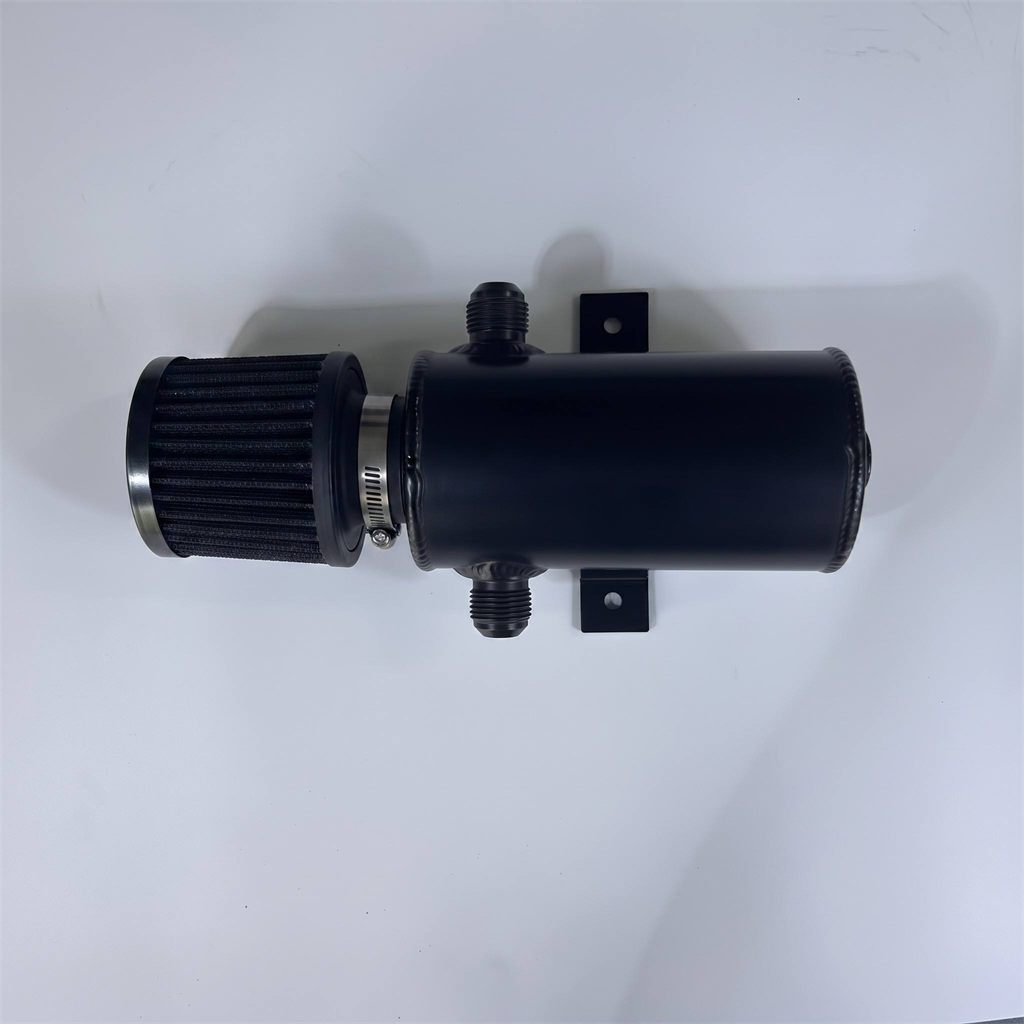
A catch can is a critical component in modern engine systems designed to capture oil vapors and contaminants before they enter the intake manifold. Understanding what maintenance your catch can requires is essential for preserving engine health and ensuring optimal performance over time. Regular upkeep prevents system failures, extends component lifespan, and maintains the efficiency of your engine catch can system. This comprehensive guide walks you through all aspects of catch can maintenance and cleaning to keep your vehicle running smoothly.
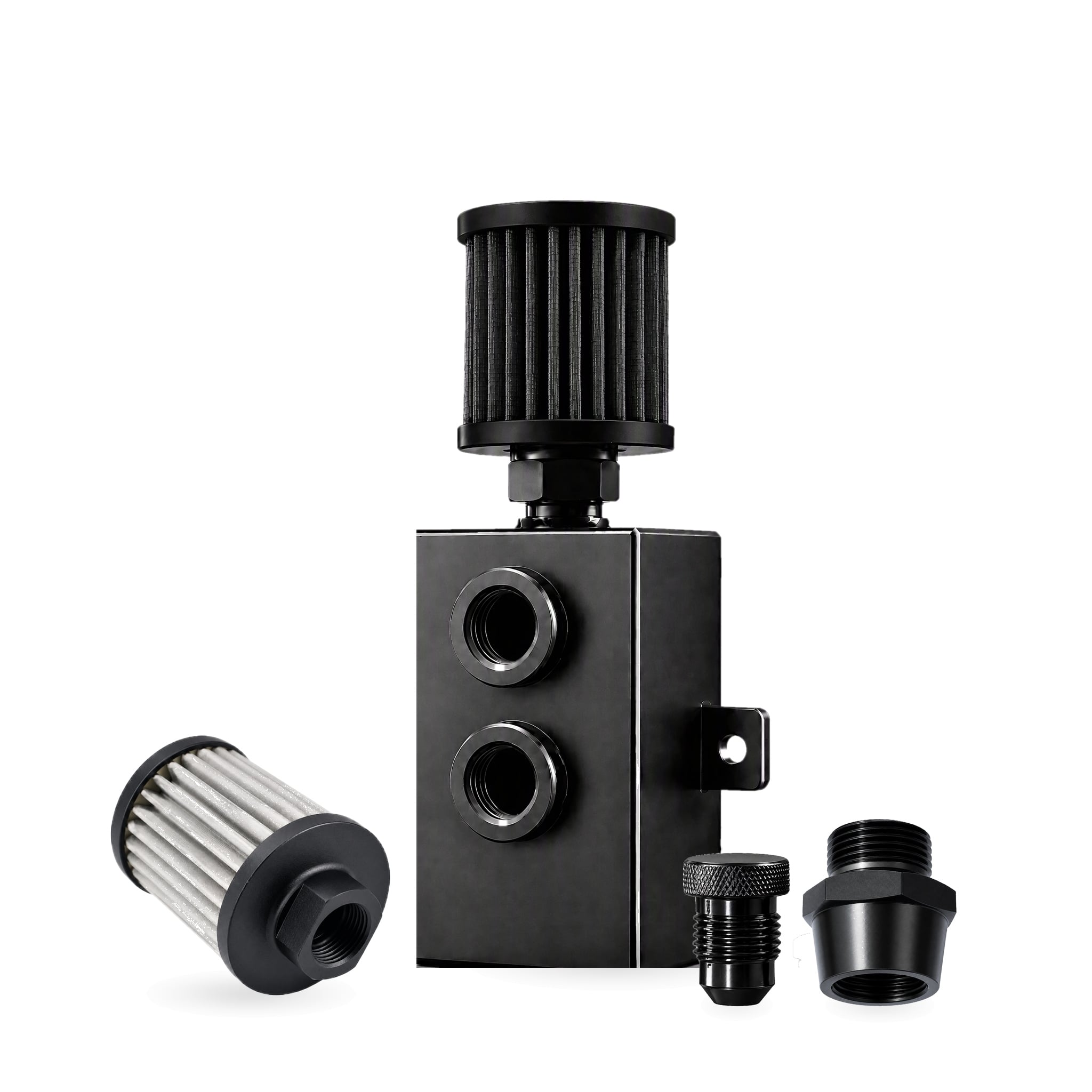
Proper maintenance of your catch can directly impacts engine longevity and reliability. Without regular attention, accumulated oil sludge and contaminants reduce system effectiveness and can lead to costly repairs. Learning the specifics of catch can maintenance and cleaning ensures you stay ahead of potential issues before they compromise engine performance. The investment in routine maintenance pays dividends through improved reliability and reduced downtime.
Understanding Catch Can Maintenance Requirements
Why Regular Maintenance Matters
Your engine catch can system operates under demanding conditions, constantly processing heated vapors and separating oil from air. Over time, this process generates internal buildup that reduces efficiency if left unaddressed. The catch can requires periodic attention to maintain separation effectiveness and prevent backflow into the engine. Neglecting maintenance can result in compromised filtration, increased emissions, and potential engine damage that far exceeds maintenance costs.
Maintenance Schedule Fundamentals
Most engine catch can system designs require inspection every 5,000 to 10,000 miles, depending on driving conditions and engine configuration. High-performance engines, turbocharged applications, or frequent short-trip driving may necessitate more frequent intervals. Regular catch can maintenance and cleaning prevents performance degradation and ensures your system functions as originally engineered. Establishing a consistent schedule based on your specific vehicle requirements keeps your catch can operating at peak efficiency and protects your engine investment.
Essential Cleaning and Maintenance Procedures
Draining and Inspecting
The primary maintenance task involves draining accumulated oil from your catch can reservoir. Most systems feature a drain plug located at the bottom that allows you to safely remove collected contaminants into an appropriate container. Inspect the drained material for excessive sludge, water content, or unusual discoloration, which may indicate engine problems requiring deeper investigation. Perform this drain procedure every 2,000 to 5,000 miles depending on your driving patterns and engine condition. Proper catch can maintenance and cleaning begins with understanding what normal drainage looks like versus warning signs that suggest deeper issues.
Filter Element Replacement
Many engine catch can system designs incorporate replaceable filter elements that trap fine particles and prevent contamination from re-entering your engine. These elements typically require replacement every 20,000 to 40,000 miles, or whenever you notice reduced flow or increased backpressure. Remove the old element carefully, inspect the housing for debris or damage, and install a new quality filter using appropriate gaskets to ensure proper sealing. Some PCV catch can installation configurations use washable elements that require cleaning rather than replacement. Check your specific system documentation to determine which approach applies to your vehicle.
Advanced Maintenance Considerations
Internal Component Inspection
Comprehensive catch can maintenance and cleaning occasionally requires opening the unit for internal inspection, particularly if drainage becomes sluggish or backpressure increases significantly. Over time, internal baffles and separation chambers can develop stubborn varnish deposits that interfere with proper operation. Carefully disassemble your catch can system following manufacturer guidelines, photographing each step to ensure correct reassembly. Soak internal components in appropriate carburetor cleaner or degreaser to dissolve accumulated residue without damaging plastic or rubber seals. Thoroughly dry all parts before reassembly to prevent introducing moisture that compromises system function.
Connection and Hose Maintenance
The tubing and hose connections associated with your engine catch can system require regular inspection for cracks, splits, or loose fittings that allow unmetered air into your engine. Check all clamps and connections during routine catch can maintenance and cleaning intervals, tightening as needed and replacing any deteriorated hoses immediately. PCV catch can installation typically involves multiple connection points that vibration gradually loosens over months of engine operation. Quality silicone hoses resist heat degradation better than standard rubber, making them worthwhile upgrades for performance applications. Inspect where hoses connect to intake manifolds and PCV components, as these areas experience the highest stress and temperature extremes.
Troubleshooting Common Maintenance Issues
Addressing Excessive Accumulation
If your catch can requires draining more frequently than expected, this signals potential engine problems rather than system failure. Excessive oil carryover typically indicates worn piston rings, valve seals, or PCV system malfunction that allows more vapors to escape than normal. Address the underlying cause promptly by having a mechanic diagnose PCV function and engine seal condition. Simply draining your catch can more often masks the real problem and allows ongoing engine damage to accelerate. Proper catch can maintenance and cleaning includes recognizing warning signs that your system is working harder than design specifications intended.
Preventing Freeze and Blockage
Cold climate operation sometimes causes moisture within your catch can system to freeze, blocking flow and creating dangerous backpressure that forces contaminants into the engine. Install your engine catch can system with a slight downward angle to promote drainage and prevent water pooling. Use PCV catch can installation specifications that include drain holes sized appropriately for your climate conditions. If you operate your vehicle in consistently cold environments, consider catch cans with drain valves you can manually access for winter maintenance. Some advanced systems incorporate heating elements that prevent ice formation in extreme conditions.
FAQ
How often should I drain my catch can?
Most catch can maintenance and cleaning schedules recommend draining every 2,000 to 5,000 miles, though intervals vary based on driving habits and engine condition. High-performance engines, turbocharged applications, and frequent short trips may require more frequent drainage. Check your specific catch can documentation and monitor what you drain to establish the ideal interval for your vehicle. If drainage becomes significantly heavier between regular intervals, this suggests engine problems requiring professional diagnosis beyond routine catch can maintenance.
Can I clean my catch can myself?
Yes, basic catch can maintenance and cleaning is straightforward enough for most vehicle owners with basic mechanical skills. Draining the reservoir and replacing filter elements typically requires only a wrench, new filters, and gasket material readily available through automotive suppliers. More complex cleaning involving internal component removal requires careful attention to reassembly procedures and proper solvent selection. If you feel uncomfortable disassembling your engine catch can system, professional service providers handle this maintenance quickly and affordably.
What happens if I skip catch can maintenance?
Neglecting catch can maintenance and cleaning allows accumulated sludge to reduce system efficiency, forcing more contaminants into your engine and potentially causing performance issues, poor fuel economy, and increased emissions. Severe neglect can result in system blockage that creates dangerous backpressure, compromising your engine catch can system function and potentially causing engine damage requiring expensive repairs. Regular maintenance prevents these problems from developing and protects your engine investment far more cost-effectively than addressing accumulated damage.
 EN