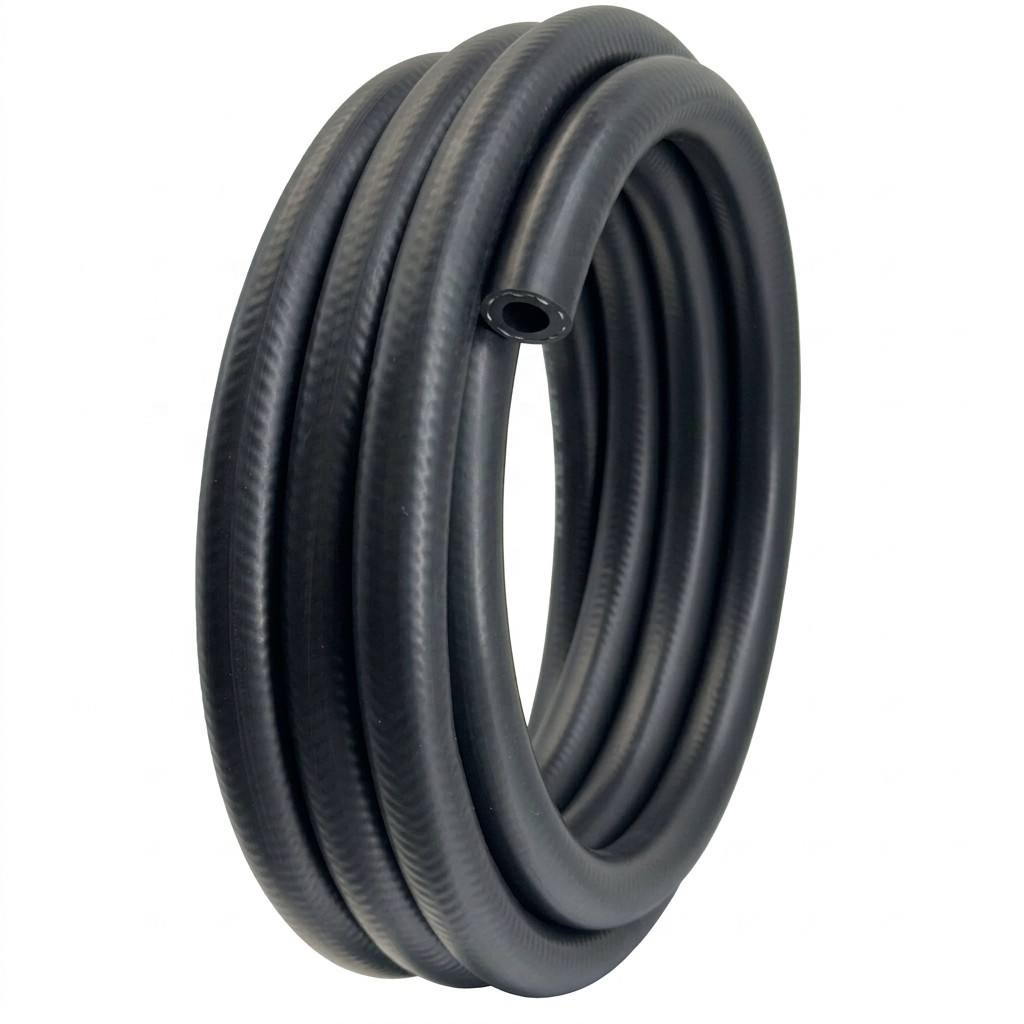
Fuel system reliability depends entirely on the quality and material composition of the components handling volatile liquids under pressure. The NBR rubber hose has emerged as the gold standard in fuel delivery applications, combining chemical resistance, durability, and cost-effectiveness that synthetic rubber hose applications demand. Industries ranging from automotive to industrial equipment rely on nitrile rubber tubing because it withstands the harsh conditions fuel systems impose while maintaining structural integrity over extended service life.
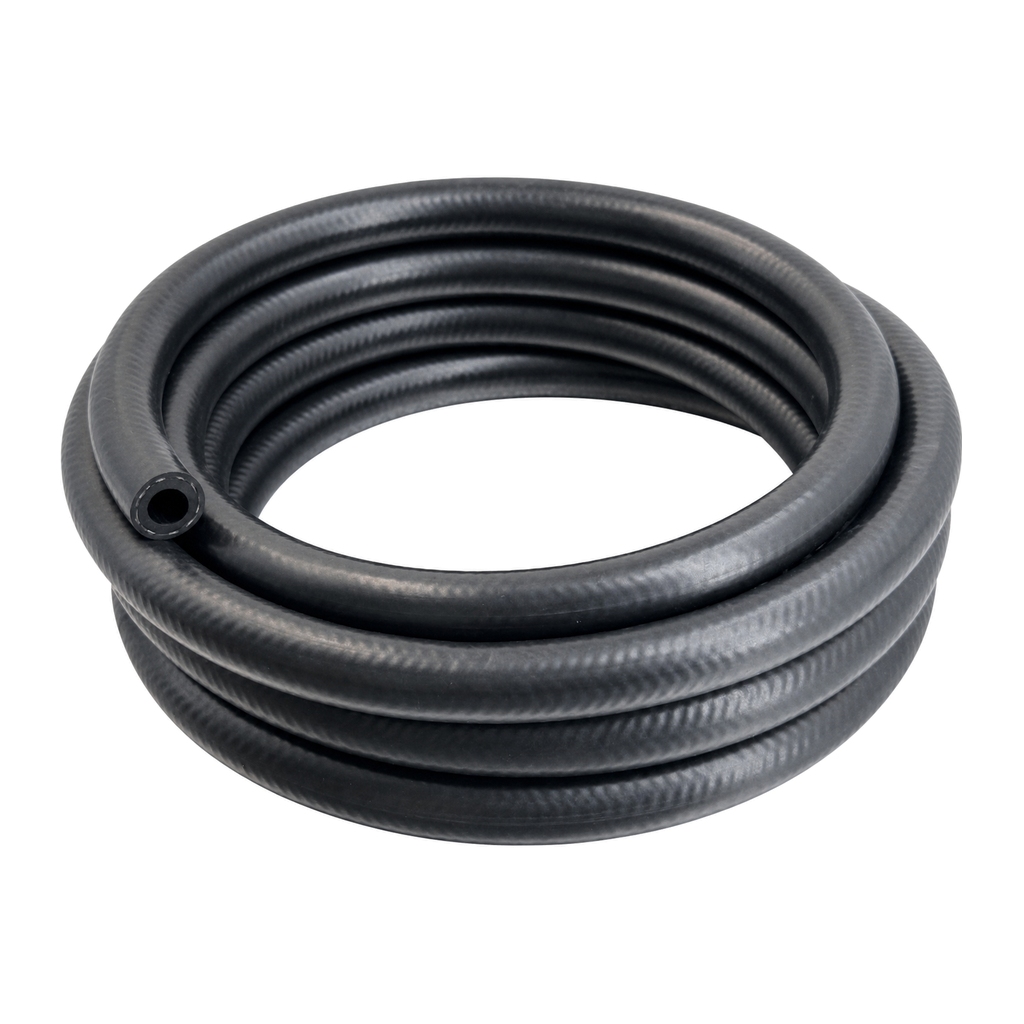
Understanding why oil resistant rubber hoses specifically made from nitrile materials outperform alternative options requires examining the molecular chemistry and practical performance data. NBR, also known as acrylonitrile butadiene rubber, possesses inherent properties that make it fundamentally suited to fuel containment and delivery. The compound resists petroleum products, maintains flexibility across temperature ranges, and prevents fuel permeation that would compromise system efficiency or create safety hazards.
Superior Chemical Resistance and Fuel Compatibility
Why Oil Resistant Rubber Hoses Matter in Fuel Systems
Fuel contains aggressive solvents and hydrocarbons that attack most elastomers, causing swelling, softening, or eventual failure. Oil resistant rubber hoses fabricated from nitrile rubber tubing resist these chemical attacks because the nitrile component creates a barrier to hydrocarbon penetration. This resistance prevents fuel from absorbing into the hose material, which would otherwise lead to dimensional instability and leakage.
Traditional rubber materials cannot reliably withstand prolonged exposure to gasoline, diesel, or biodiesel blends without degrading. Synthetic rubber hose applications specifically call for nitrile formulations because the acrylonitrile content provides the necessary solvent resistance. When fuel contacts the hose wall, NBR rubber hose maintains its original properties rather than becoming brittle or porous.
Temperature Stability and Operational Range
Fuel systems operate across challenging temperature extremes, from sub-zero winter conditions to elevated underhood environments. Nitrile rubber tubing maintains elasticity and sealing capability across this range because NBR compounds retain flexibility even at low temperatures while resisting hardening at elevated exposures. This thermal stability ensures the hose expands and contracts predictably without cracking or losing pressure rating.
When fuel temperature rises during engine operation or ambient heat increases, oil resistant rubber hoses must prevent fuel volatilization and maintain system pressure. The molecular structure of NBR accommodates thermal cycling thousands of times without permanent deformation, critical for vehicles and equipment operating in variable climates.
Pressure Performance and Safety Compliance
Meeting Industry Standards and Burst Ratings
Fuel system hoses must meet stringent pressure specifications because fuel pumps deliver pressurized fluid to injectors and carburetors. NBR rubber hose constructions achieve high burst ratings through reinforcement layer integration and compound formulation, allowing them to handle pressures ranging from 30 psi in gravity-fed systems to 100+ psi in modern direct injection applications. Synthetic rubber hose applications in automotive and industrial settings require compliance with SAE J30R7, ISO 6134, and similar international standards that specifically validate nitrile rubber tubing performance.
The working pressure rating of oil resistant rubber hoses directly depends on the quality of the NBR compound and construction method. Multi-layer braided or spiral constructions reinforce the hose while maintaining the chemical resistance properties of the nitrile material, ensuring consistent performance across the full service life without unexpected pressure losses.
Permeation Control and Fuel Retention
Fuel system hoses must prevent permeation, the slow migration of fuel molecules through the hose wall, which causes fuel loss and emissions violations. NBR rubber hose excels at permeation control because nitrile rubber tubing has low permeability rates to hydrocarbon vapors. This property becomes increasingly important in modern vehicles with stringent fuel economy and emissions requirements, where every drop of fuel matters.
Environmental regulations restrict hydrocarbon emissions, making permeation control a regulatory compliance requirement rather than just a performance preference. Synthetic rubber hose applications in contemporary fuel systems depend on materials that minimize vapor loss, and nitrile compounds deliver measurably lower permeation rates compared to natural rubber or older synthetic alternatives. Oil resistant rubber hoses maintain internal fuel volume and system efficiency precisely because they restrict molecular migration.
Cost-Effectiveness and Longevity
Value Proposition in Fuel System Design
Manufacturing economics and lifecycle cost analysis strongly favor NBR rubber hose adoption because nitrile rubber tubing combines affordable base material cost with extended service life. Equipment designers can specify NBR for fuel applications without premium pricing while achieving 10+ year durability in typical automotive service or 5-7 years in high-stress industrial equipment applications. This cost-to-performance ratio eliminates unnecessary expense that premium materials would impose while guaranteeing reliability.
The widespread availability of standardized NBR compounds, reinforcement technologies, and manufacturing processes creates competitive markets that keep oil resistant rubber hoses affordable. Original equipment manufacturers and aftermarket suppliers maintain price stability because nitrile rubber tubing production scales efficiently across global supply chains. Customers benefit from both lower initial purchase costs and the absence of supply chain premiums.
Maintenance and Replacement Intervals
Extended service life reduces maintenance costs and equipment downtime, making NBR rubber hose selection a strategic decision for fleet operators and industrial facilities. Synthetic rubber hose applications engineered for longevity minimize unplanned failures that disrupt operations. Oil resistant rubber hoses resist degradation from fuel contact, temperature cycling, and ozone exposure simultaneously, creating predictable replacement schedules rather than surprise failures.
Maintenance personnel benefit from the durability and reliability of nitrile rubber tubing because fuel line failures become rare rather than recurring problems. This predictability allows scheduled maintenance windows rather than emergency repairs, improving operational efficiency and safety.
FAQ
What makes NBR rubber hose different from standard rubber hoses?
NBR rubber hose uses nitrile rubber tubing specifically formulated to resist petroleum-based fuels, a capability standard natural rubber lacks. Oil resistant rubber hoses made from nitrile maintain chemical resistance, temperature stability, and pressure performance that fuel systems demand, while synthetic rubber hose applications in other industries may use different compounds optimized for their specific requirements.
How long does a typical NBR rubber hose last in fuel systems?
Properly installed and maintained NBR rubber hose typically lasts 10+ years in automotive applications or 5-7 years in high-stress industrial equipment. The exact lifespan depends on fuel type, temperature exposure, pressure conditions, and installation quality, but nitrile rubber tubing consistently outperforms alternative materials in fuel system durability testing.
Can NBR rubber hose handle diesel and biodiesel fuels?
Yes, oil resistant rubber hoses made from nitrile rubber tubing resist both conventional diesel and biodiesel blends, though formulation details matter for maximum compatibility. Most synthetic rubber hose applications specify SAE J30R7 or ISO 6134 standards that validate performance with diesel, biodiesel up to specified percentages, and gasoline, ensuring NBR provides reliable fuel containment across diverse fuel types.
 EN